
physical therapy for BALANCE, DIZZINESS & GAIT DISORDERS IN COSTA MESA
BALANCE, DIZZINESS & GAIT DISORDERS
Balance and dizziness issues can make it difficult to walk confidently, exercise, participate in daily activities, or stay active without fear of losing your balance. At Cuirim Sports Recovery, we identify factors contributing to your symptoms and create a personalized treatment plan to improve stability, restore mobility, reduce dizziness, and help you move with greater confidence.
How Can Physical Therapy Help with Balance, Dizziness & Gait Disorders?
How we can Help
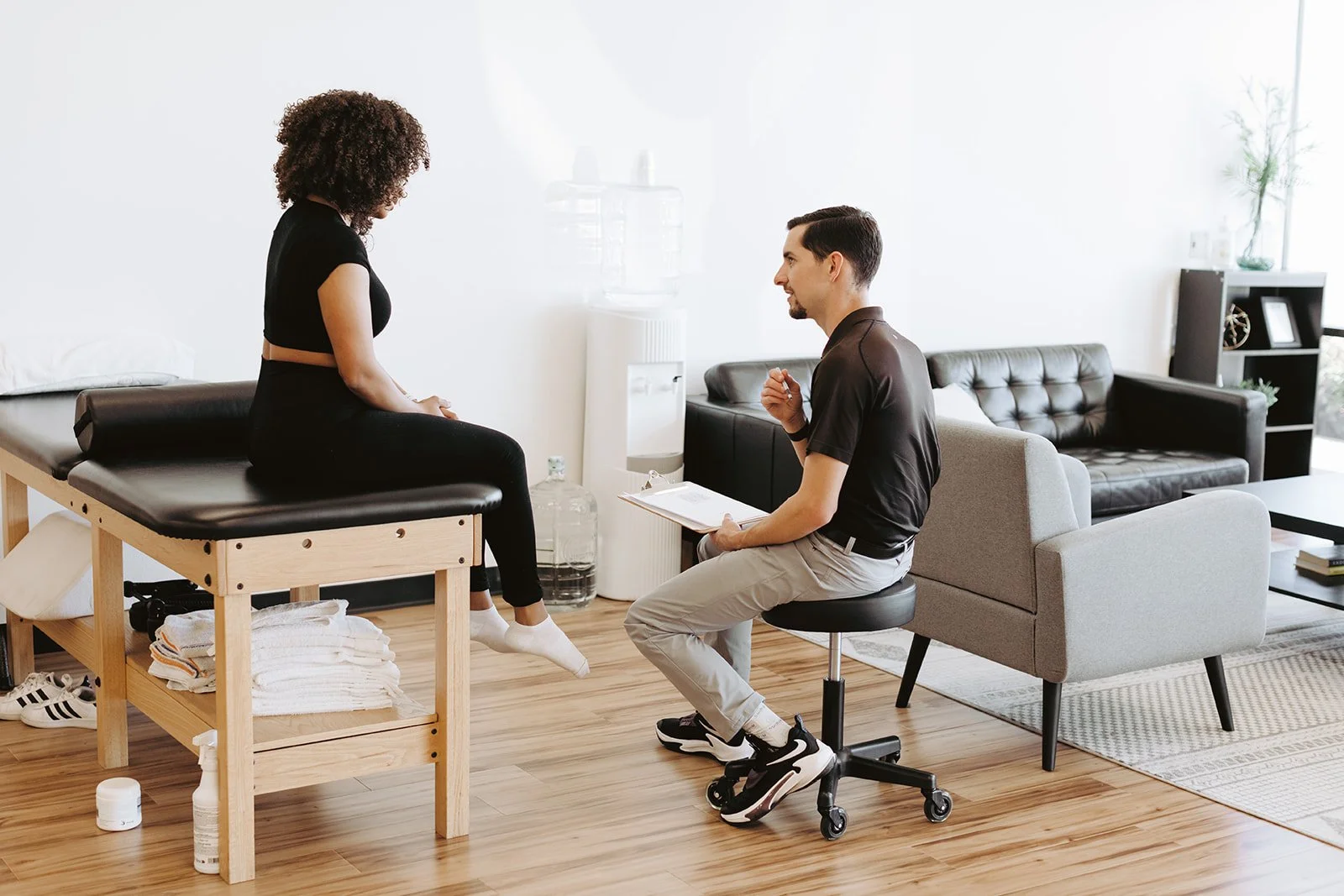
Physical therapy can help improve balance, reduce dizziness, restore confidence with movement, and help you return to the activities that matter most. At Cuirim Sports Recovery, we work with older adults, active adults, post-operative patients, and individuals experiencing dizziness, vertigo, balance problems, or walking difficulties.
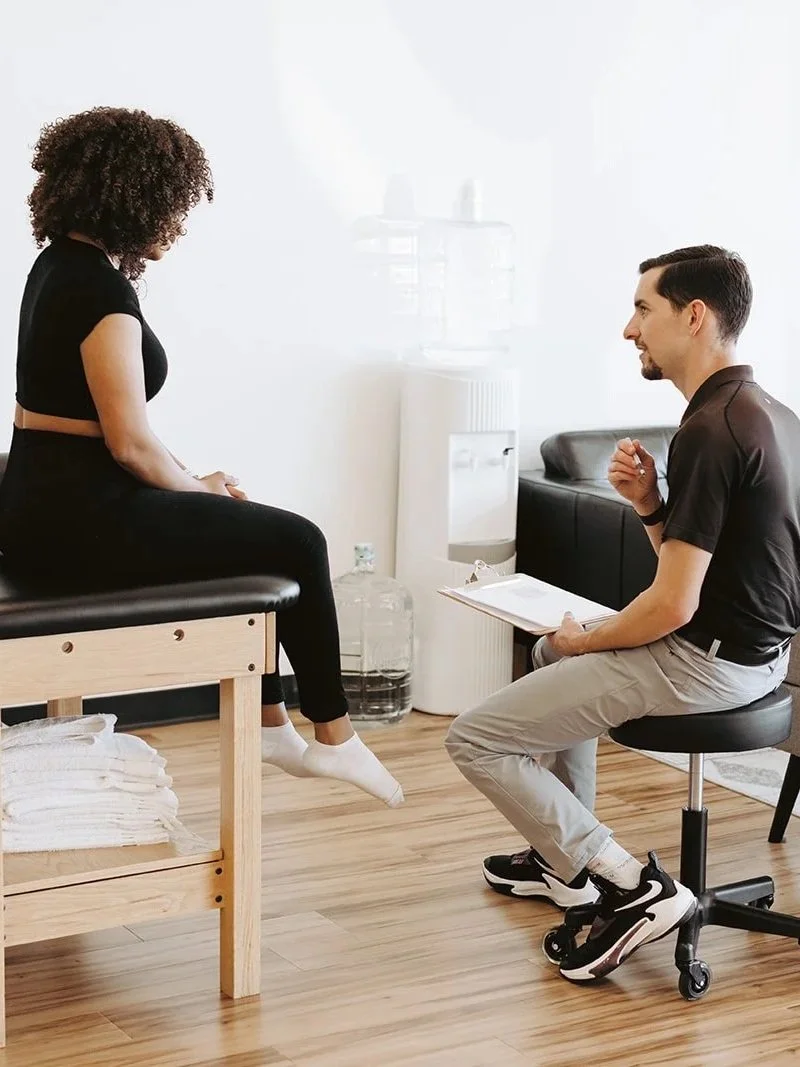
Every patient is different, so we perform a comprehensive evaluation to identify the strength deficits, mobility restrictions, balance impairments, movement dysfunctions, and vestibular factors contributing to your symptoms, allowing us to create a personalized treatment plan for lasting recovery.
The key metrics we track include balance symmetry, postural stability, gait quality, lower extremity strength, functional mobility, fall risk, and symptom response during movement and positional testing. These measurements help us identify limitations, guide treatment decisions, and objectively monitor your progress throughout rehabilitation so you can safely return to everyday activities with confidence.
How We can Help
Our Approach to Chronic Pain Relief
-
![VALD FORCE DECKS]()
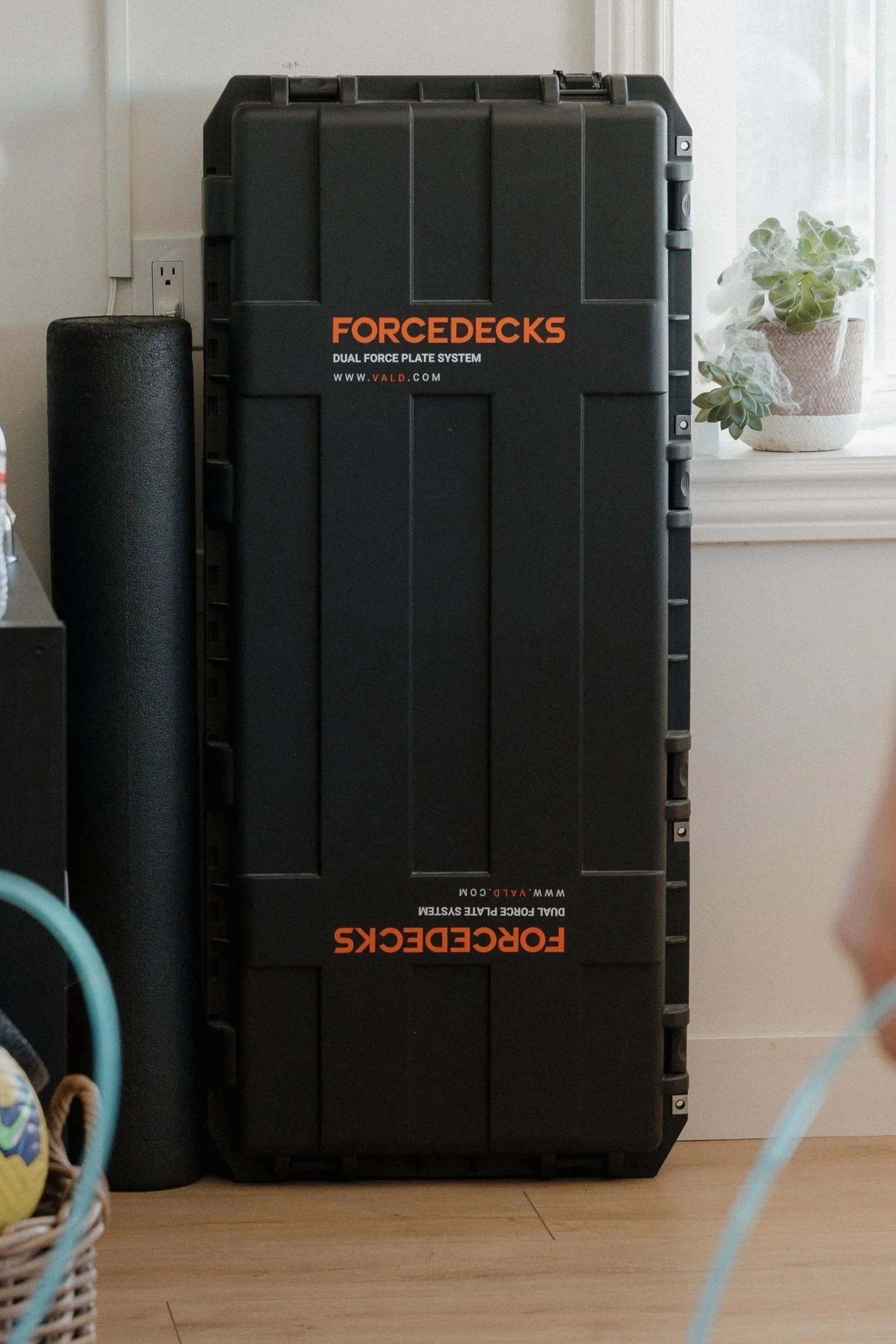
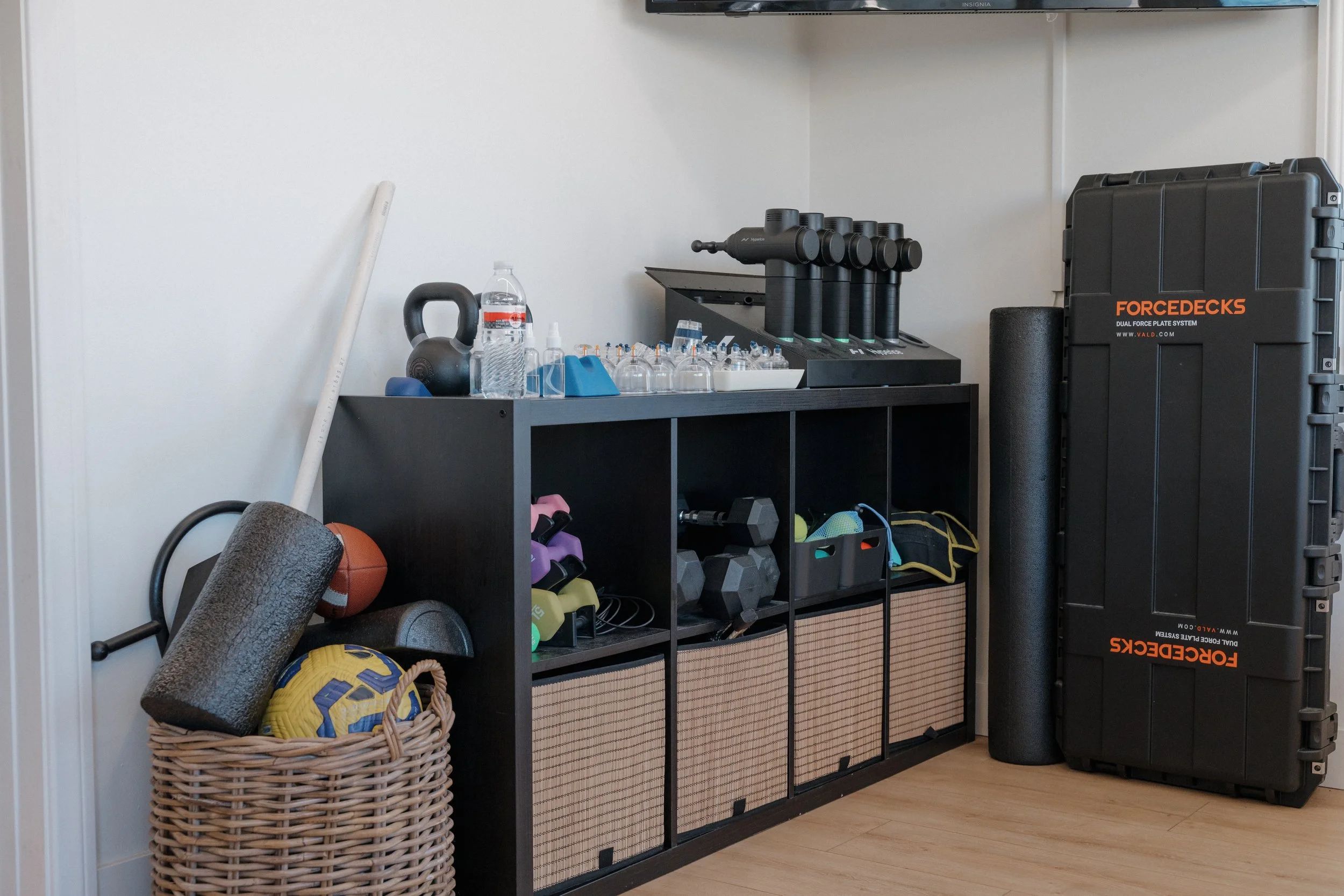
VALD FORCE DECKS & DYNAMOMETRY
To objectively assess balance, weight distribution, force production, and side-to-side asymmetries that may contribute to dizziness, instability, gait impairments, or increased fall risk. This data helps guide treatment and measure progress over time.
-
![AlterG Anti-Gravity Treadmill]()
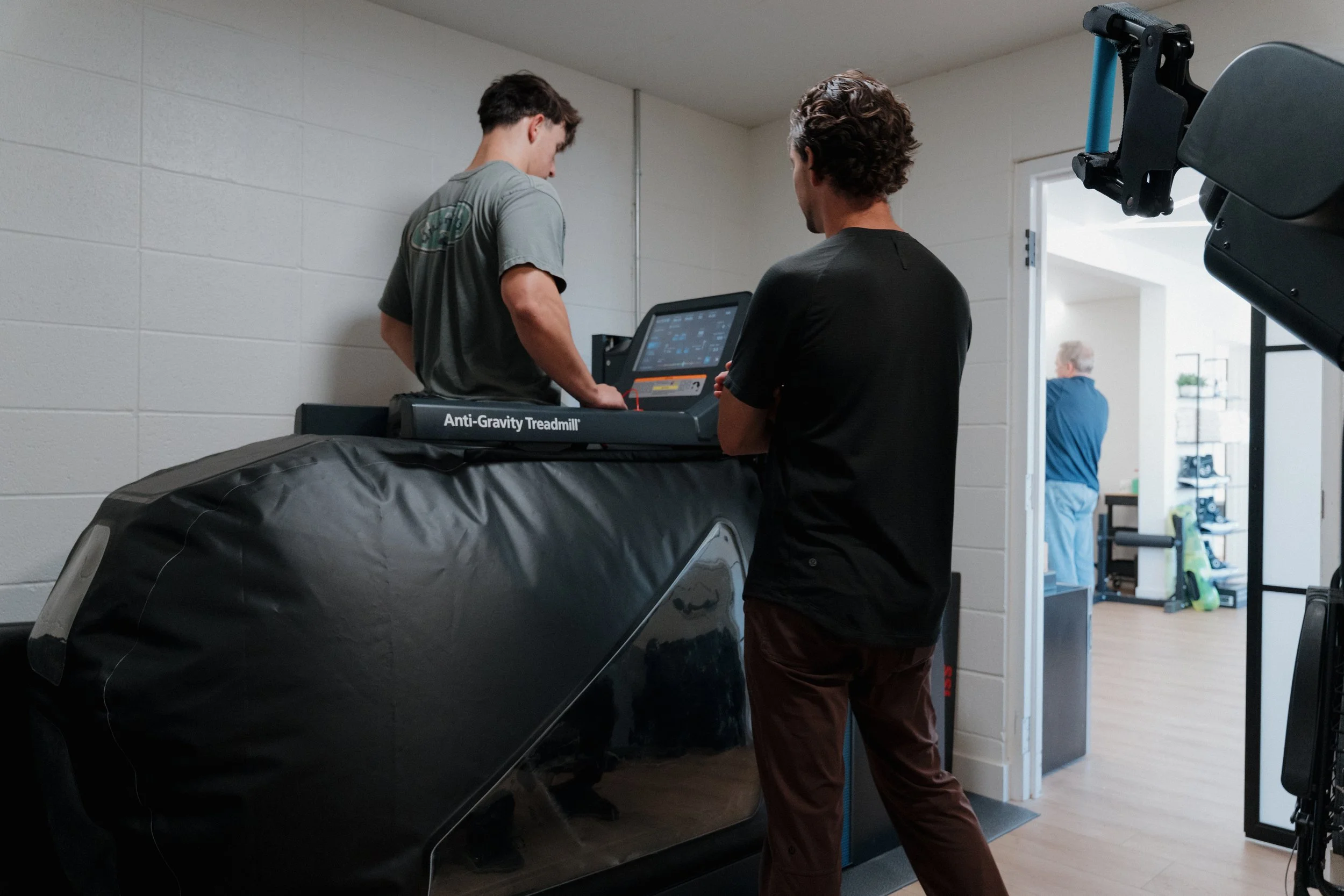
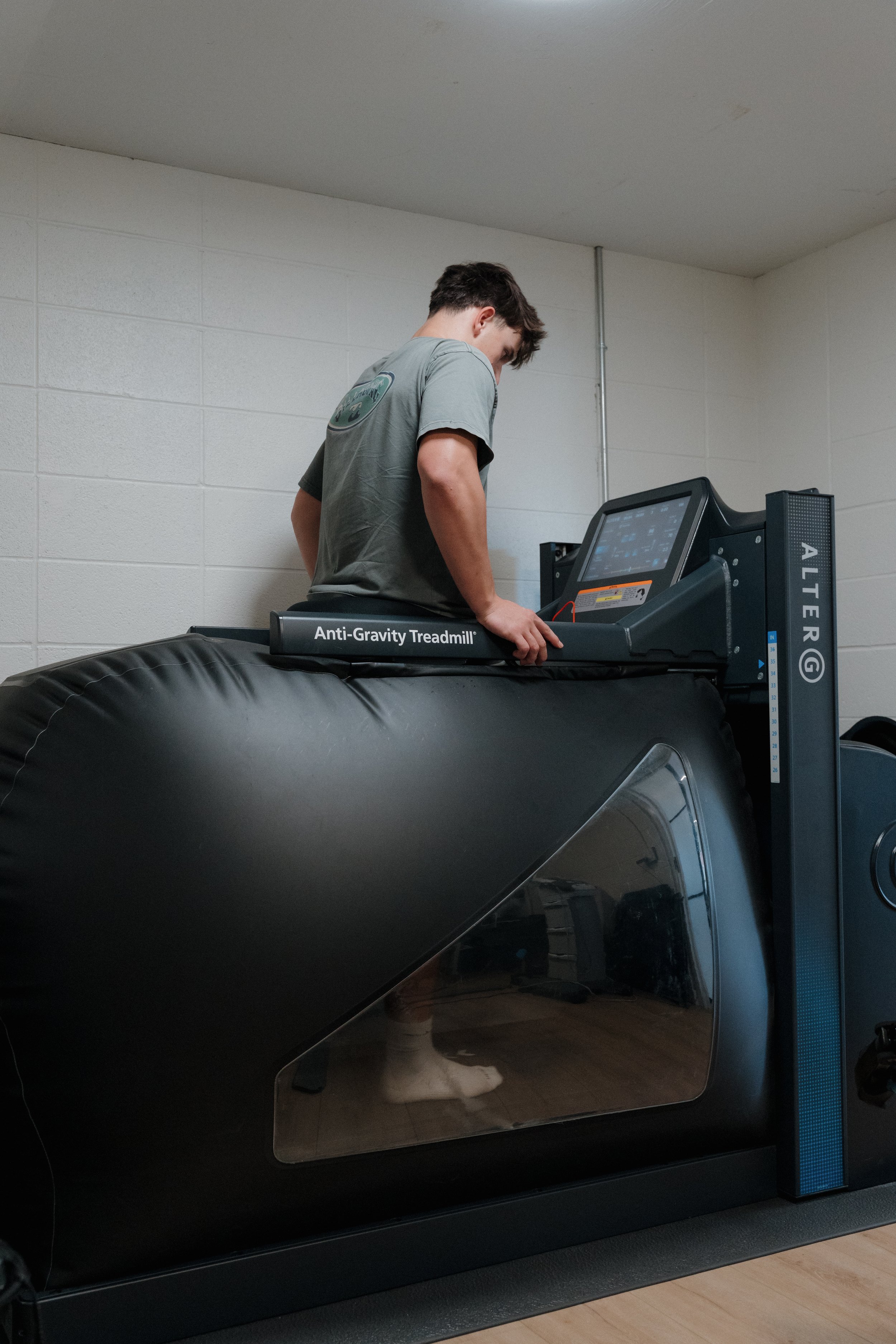
ALTERG ANTI-GRAVITY TREADMILL
To provide a safe, supported environment for walking and gait retraining by reducing body weight, allowing patients to improve endurance, confidence, and walking mechanics with less fear of falling.
-
![Blood Flow Restriction (BFR)]()
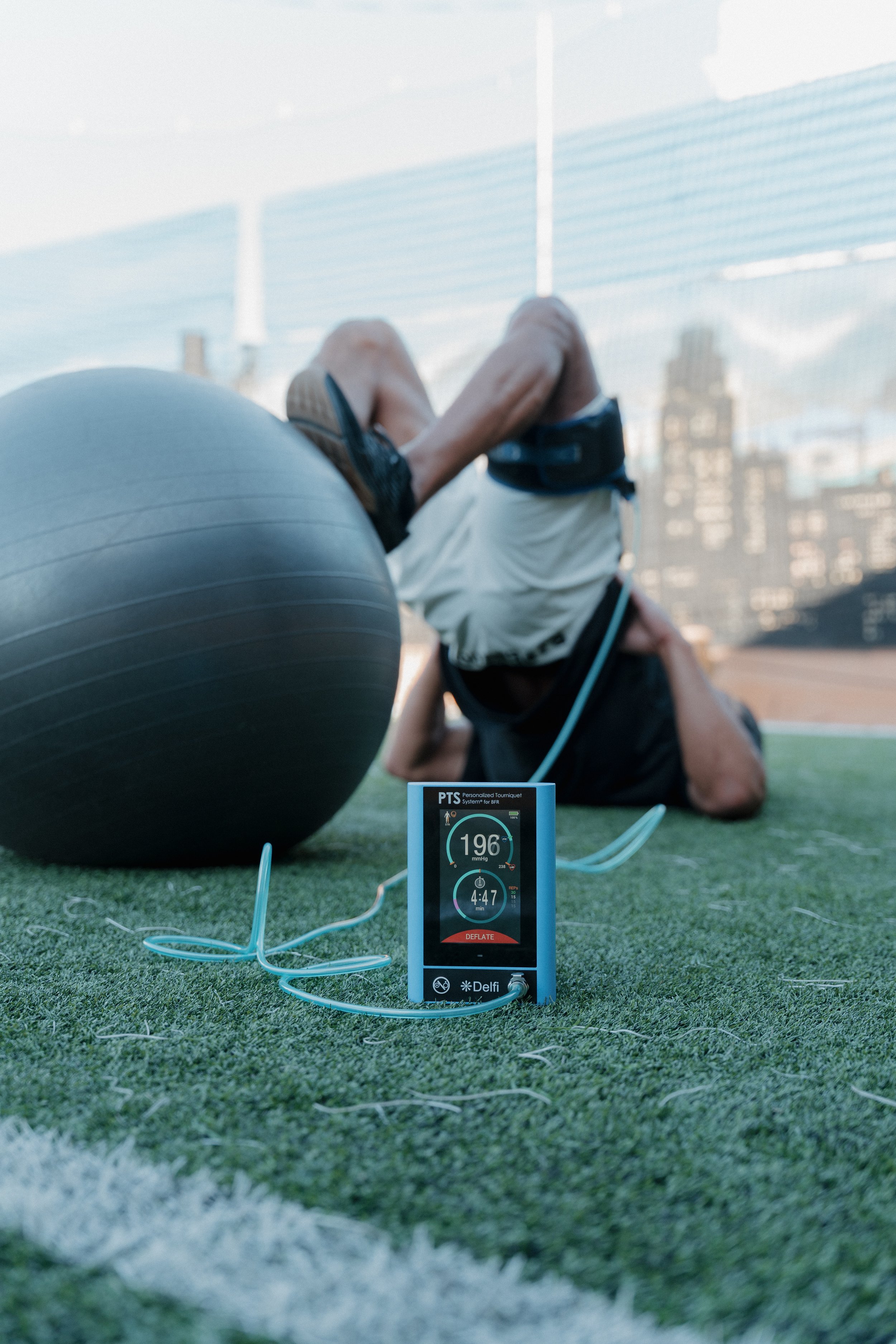
BLOOD FLOW RESTRICTION (BFR)
To improve strength and muscle capacity using lighter loads, making it an effective option for individuals whose pain limits traditional resistance training or higher-intensity exercise.
-
![Manual Therapy]()
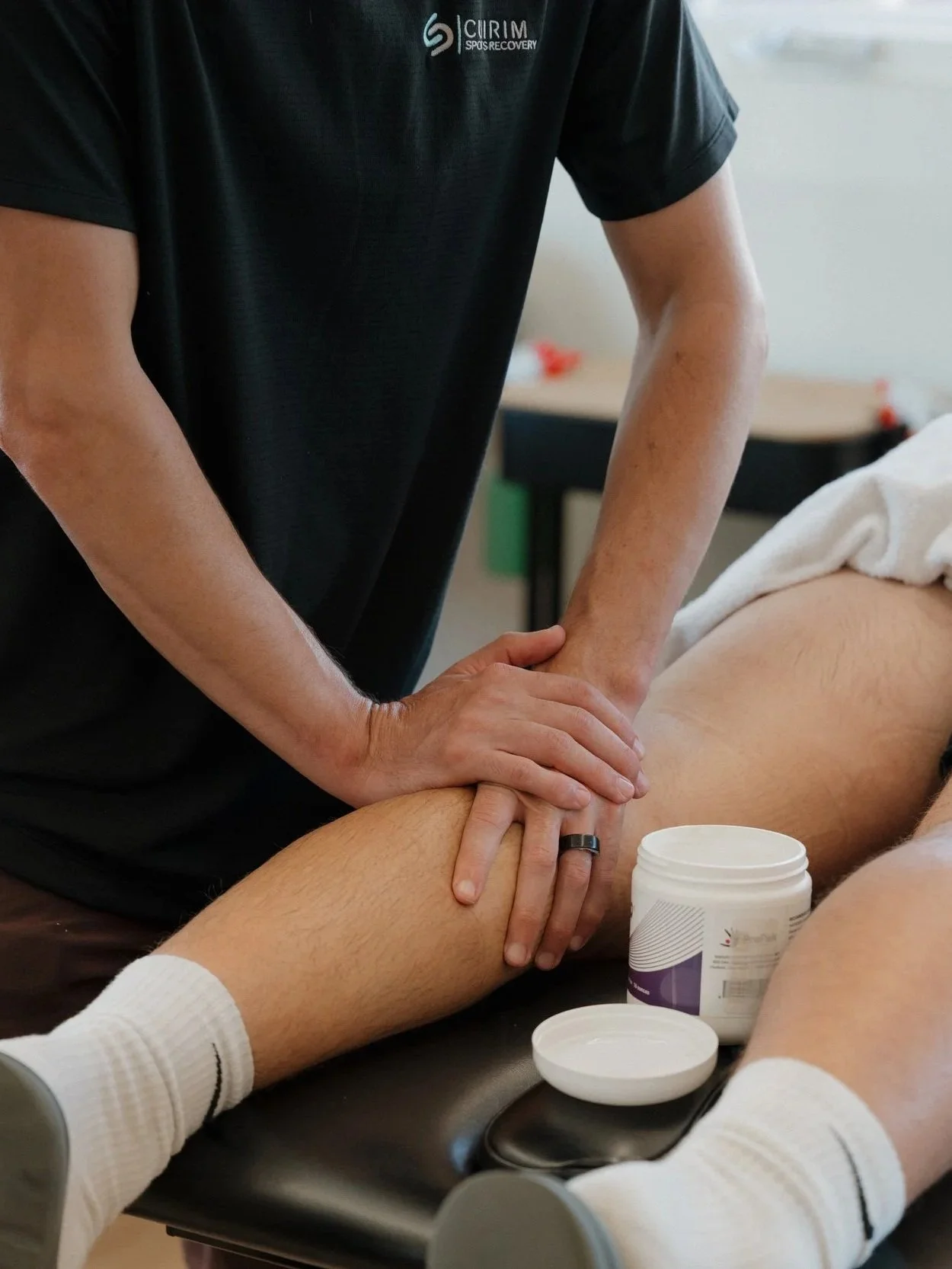
HANDS-ON MANUAL THERAPY
Including cervical spine mobilization, soft tissue mobilization, stretching, and other skilled techniques to improve mobility, reduce muscle tension, and address musculoskeletal impairments that may contribute to dizziness, neck-related symptoms, or balance deficits.
-
![Personalized Rehab Program]()
PERSONALIZED REHAB PROGRAM
Tailored to your specific diagnosis, symptoms, and goals to improve balance, coordination, gait mechanics, vestibular function, lower extremity strength, and confidence with movement while reducing fall risk and restoring independence.
-
![Gait Analysis]()
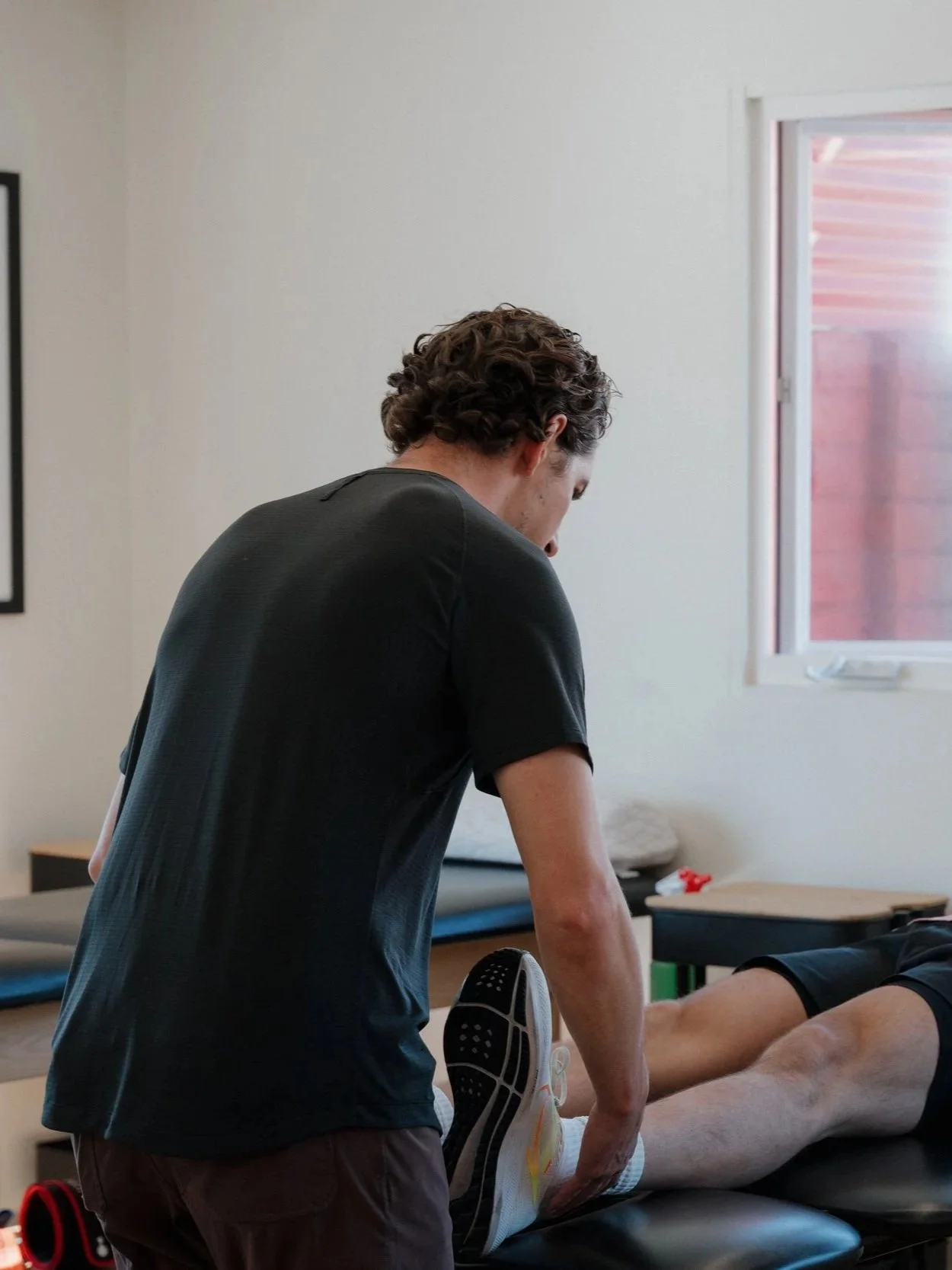
GAIT ANALYSIS
To evaluate walking mechanics, identify compensatory movement patterns, and develop targeted strategies to improve efficiency, stability, and overall mobility during daily activities and recreational exercise.
-
![Vestibular Rehabilitation]()
VESTIBULAR REHAB
Including gaze stabilization exercises, balance training, habituation exercises, canalith repositioning maneuvers (when appropriate), and visual-vestibular integration to reduce dizziness, improve balance, and restore confidence with movement.

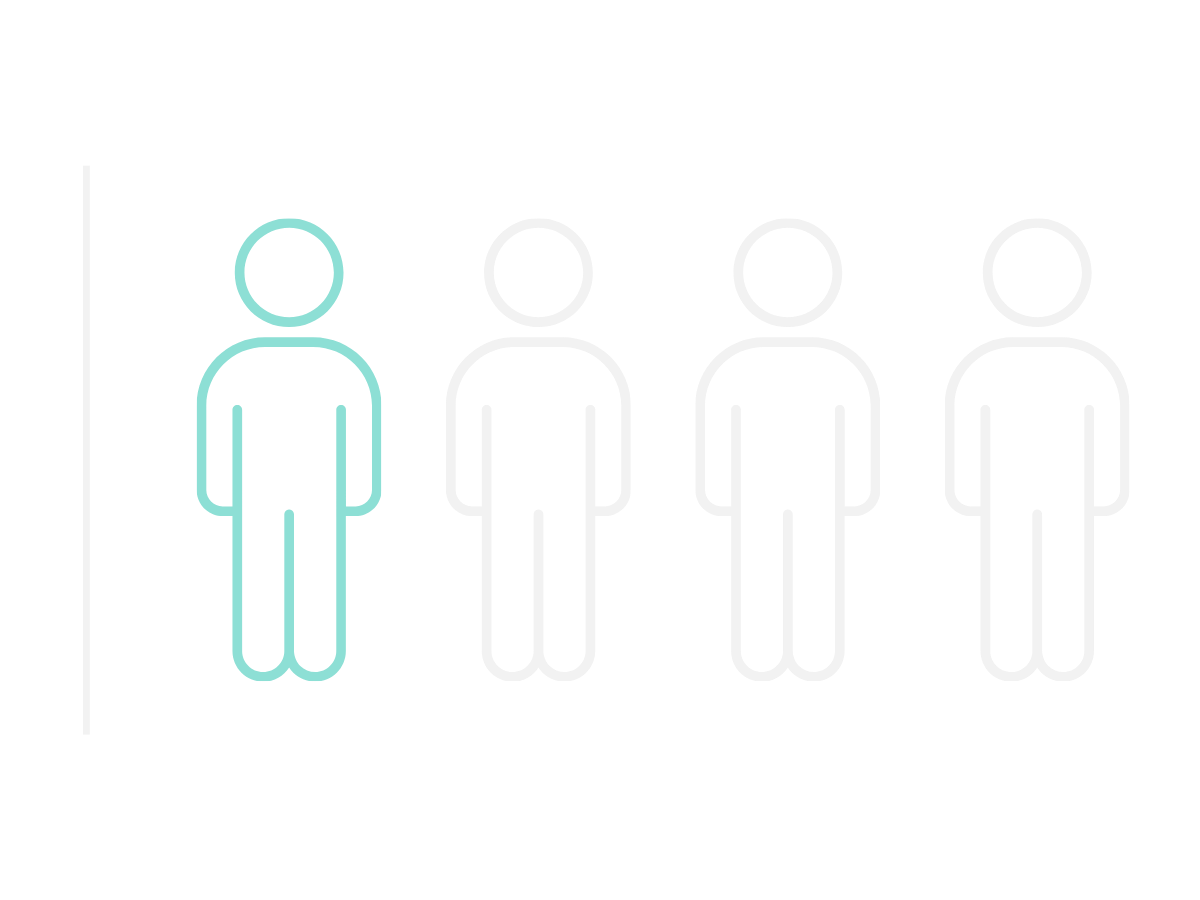
“More than one in four adults aged 65 and older falls each year.”

TYPES OF CONDITIONS
Explore The Types of Balance, Dizziness & Gait Disorders We Treat
Balance, dizziness, and gait disorders can affect your stability, coordination, mobility, and confidence with everyday movement. Whether your symptoms are caused by an inner ear condition, injury, surgery, neurological disorder, aging, or reduced activity levels, we identify the underlying cause and create a personalized treatment plan to improve balance, restore mobility, reduce dizziness, and help you move with confidence. We treat a wide range of balance, dizziness, and gait disorders, including but not limited to those listed below.
-
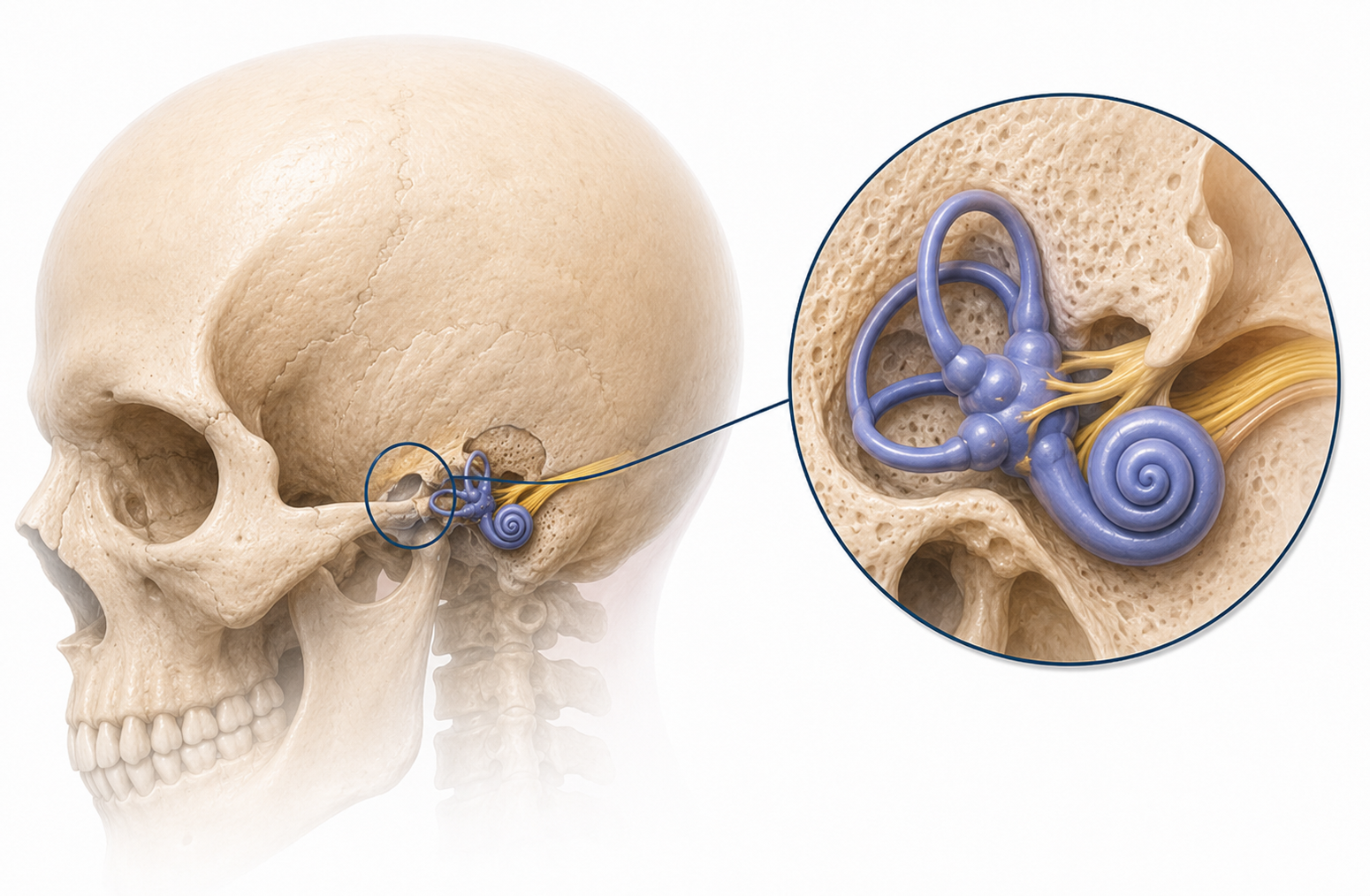
Vestibular disorders affect the inner ear and balance system and may contribute to dizziness, vertigo, motion sensitivity, nausea, and unsteadiness during movement.
-
Balance impairments can result from injury, aging, neurological conditions, surgery, or reduced activity levels. Symptoms may include instability, unsteadiness, and reduced confidence with walking or daily activities.
-
Gait disorders involve changes in normal walking mechanics that may develop from weakness, injury, pain, surgery, neurological conditions, or mobility restrictions.
-
Periods of inactivity, illness, surgery, or chronic health conditions can lead to weakness, reduced stamina, difficulty walking, and decreased tolerance for daily activities.
-
Functional mobility limitations affect movements such as walking, stair negotiation, transfers, bending, reaching, and other activities required for independent daily function.
Common causes
Why Am I Experiencing Dizziness or Mobility Issues?
-
![Vestibular Dysfunction]()
VESTIBULAR DYSFUNCTION
Problems within the inner ear and vestibular system can disrupt balance and spatial awareness, often causing dizziness, vertigo, motion sensitivity, and unsteadiness.
-
![Weakness, Mobility Loss & Deconditioning]()
WEAKNESS, MOBILITY LOSS & DECONDITIONING
Reduced strength, endurance, and mobility can make walking and balance more difficult, increasing fall risk and limiting participation in daily activities.
-
![Lower Extremity Injuries & Joint Instability]()
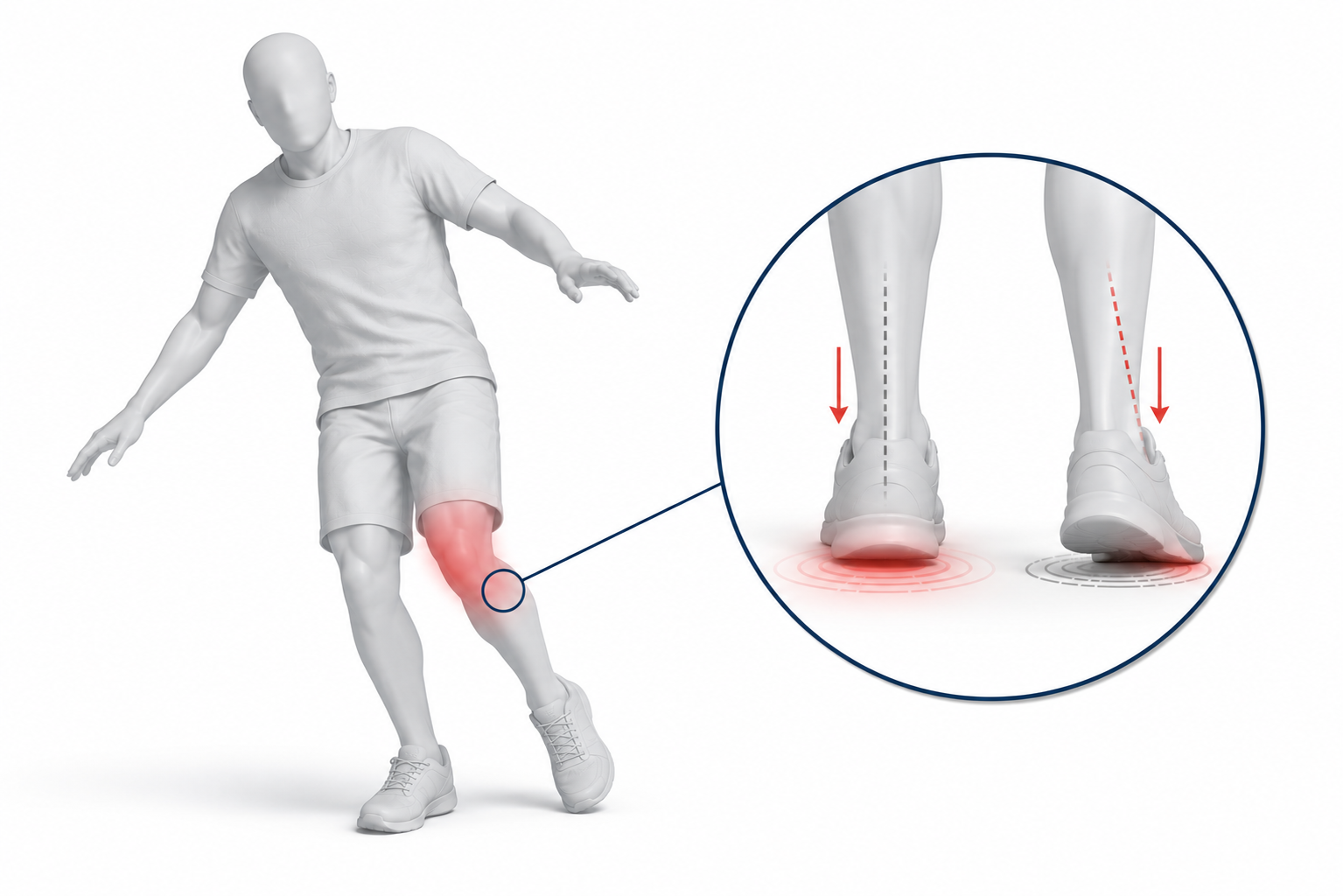
LOWER EXTREMITY INJURIES & JOINT INSTABILITY
Conditions such as ankle sprains, knee injuries, hip pain, or post-surgical weakness can alter balance and coordination by changing how the body absorbs and controls movement.
-
![Concussions & Head Injuries]()
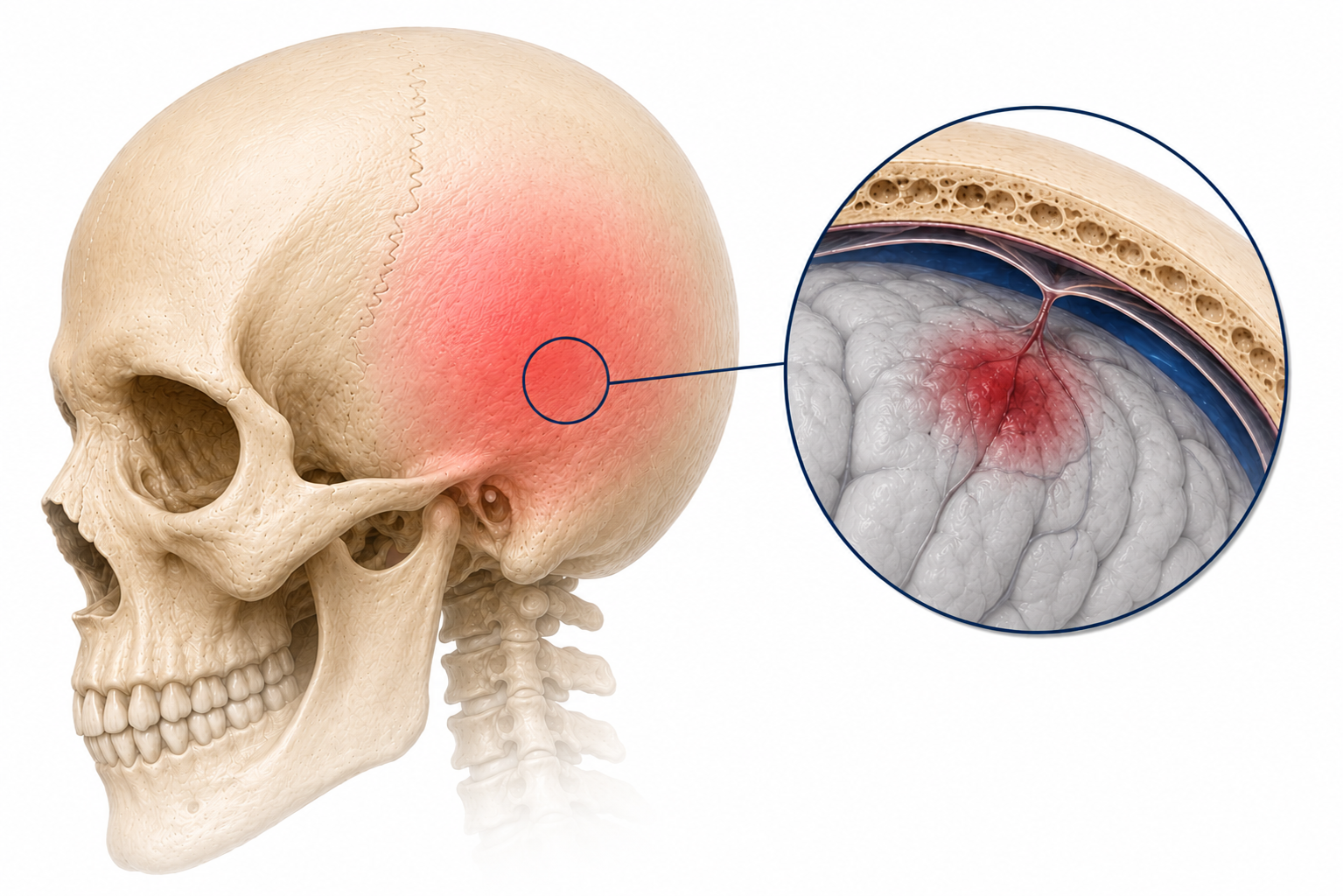
CONCUSSIONS & HEAD INJURIES
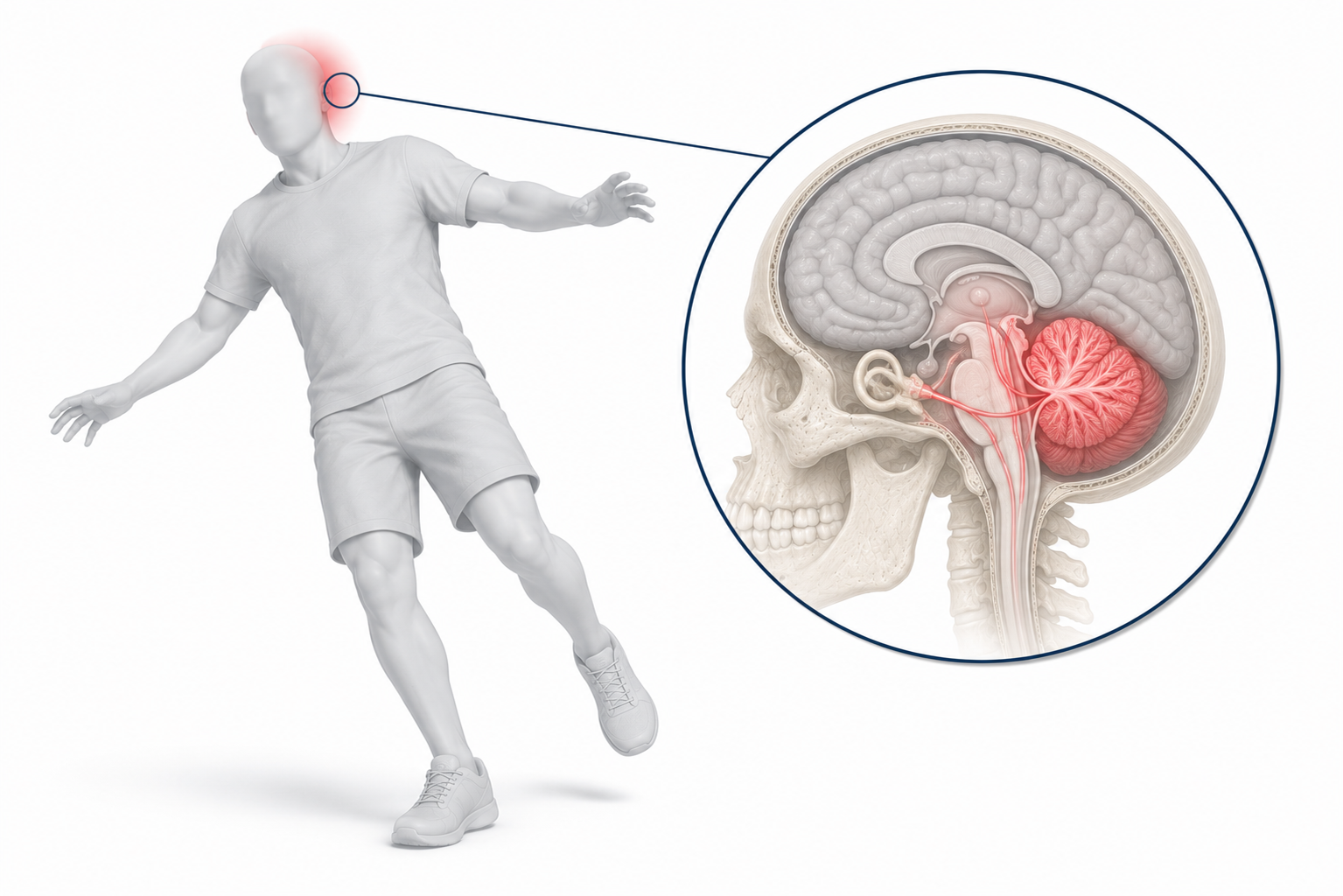
Concussions and other head injuries may affect balance, coordination, visual processing, and dizziness symptoms, particularly during movement or exercise.
-
![Gait Compensation & Movement Dysfunction]()
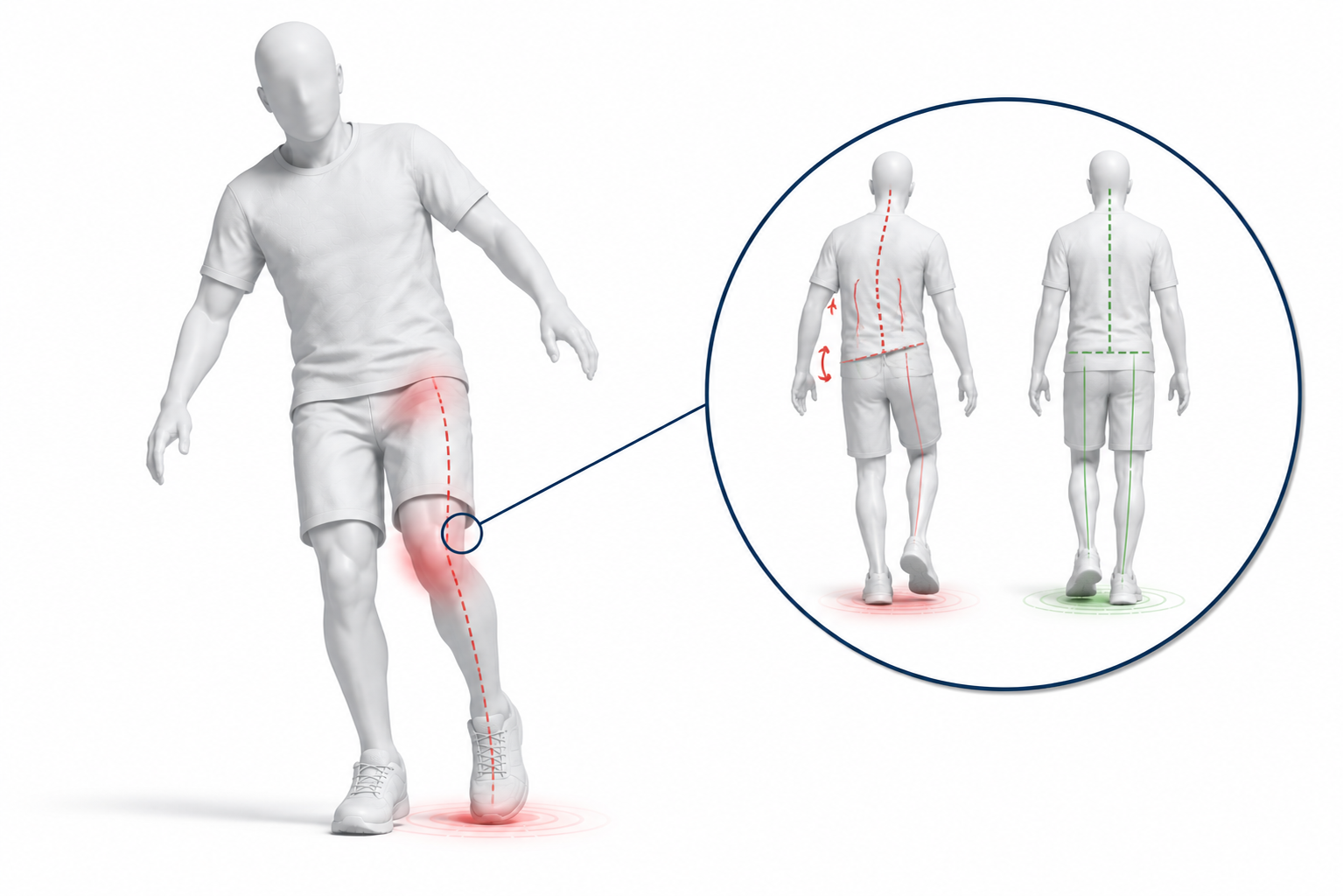
GAIT COMPENSATION & MOVEMENT DYSFUNCTION
Pain, stiffness, mobility restrictions, and abnormal movement patterns can lead to inefficient walking mechanics, instability, and increased difficulty navigating uneven surfaces or prolonged activity.
Next Steps
Your Next Steps
You don’t have to let dizziness, balance problems, or mobility limitations continue affecting your confidence and daily movement. Addressing symptoms early can help improve stability, reduce fall risk, and restore safer movement.
03.
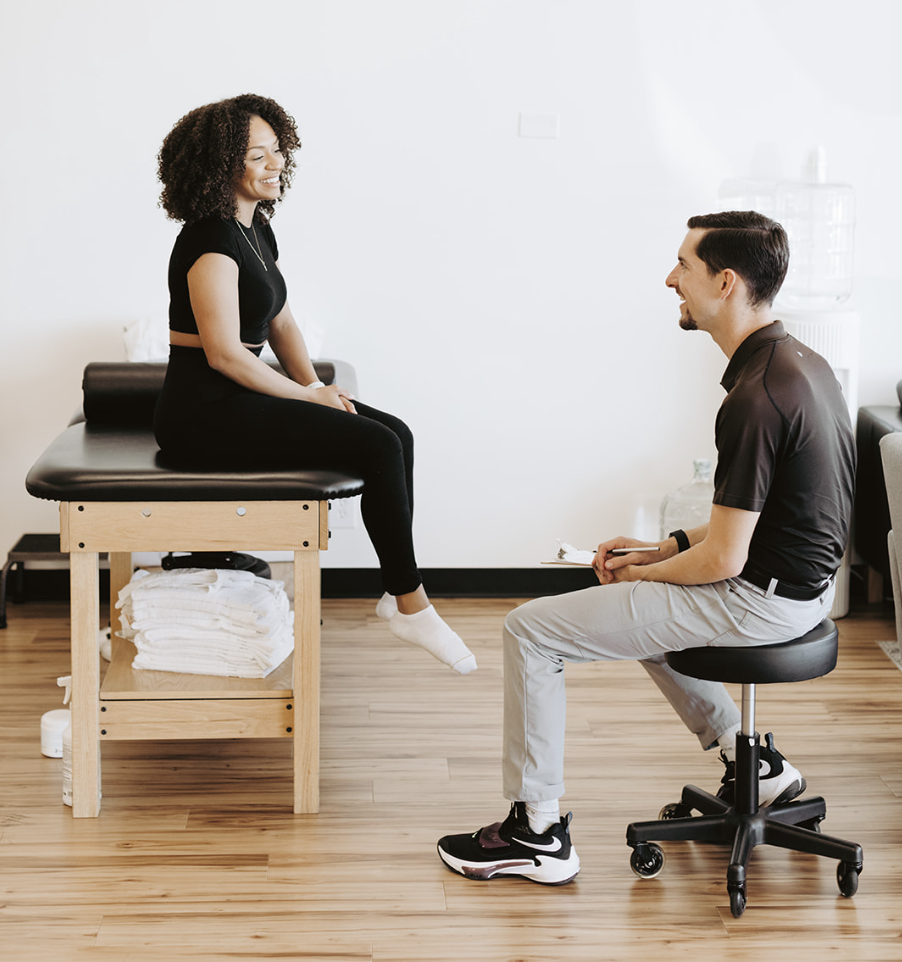
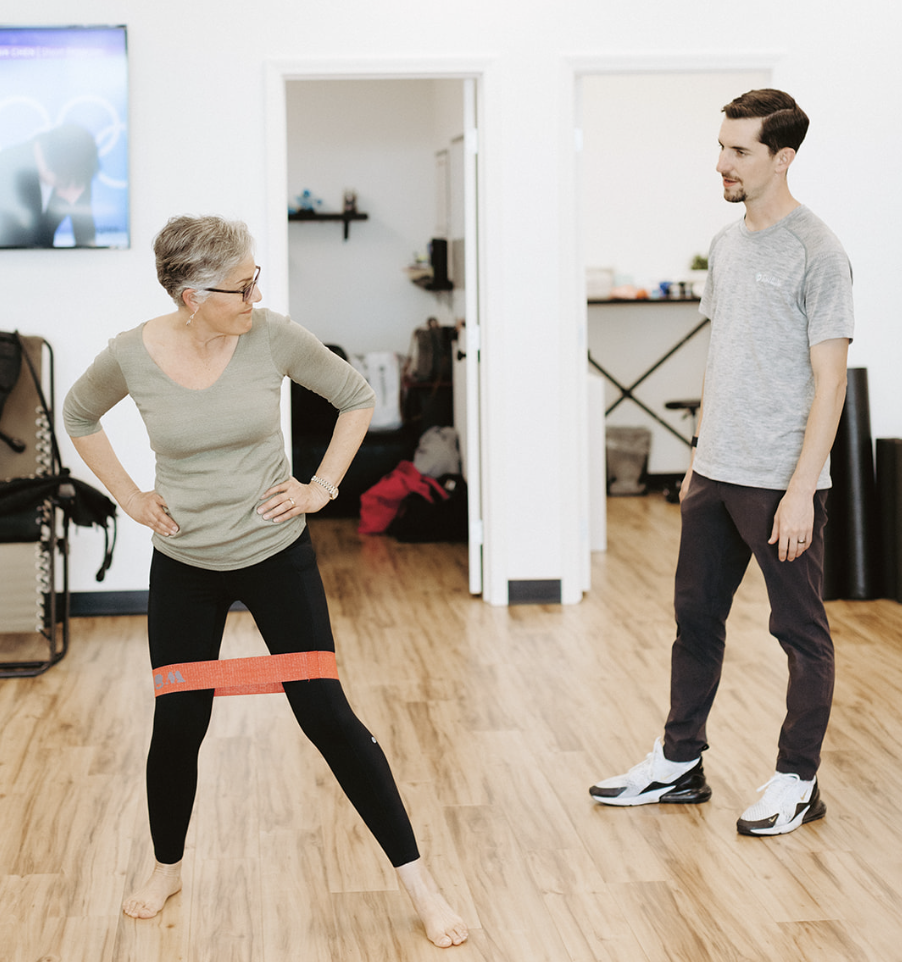
Attend Your First Visit
04.
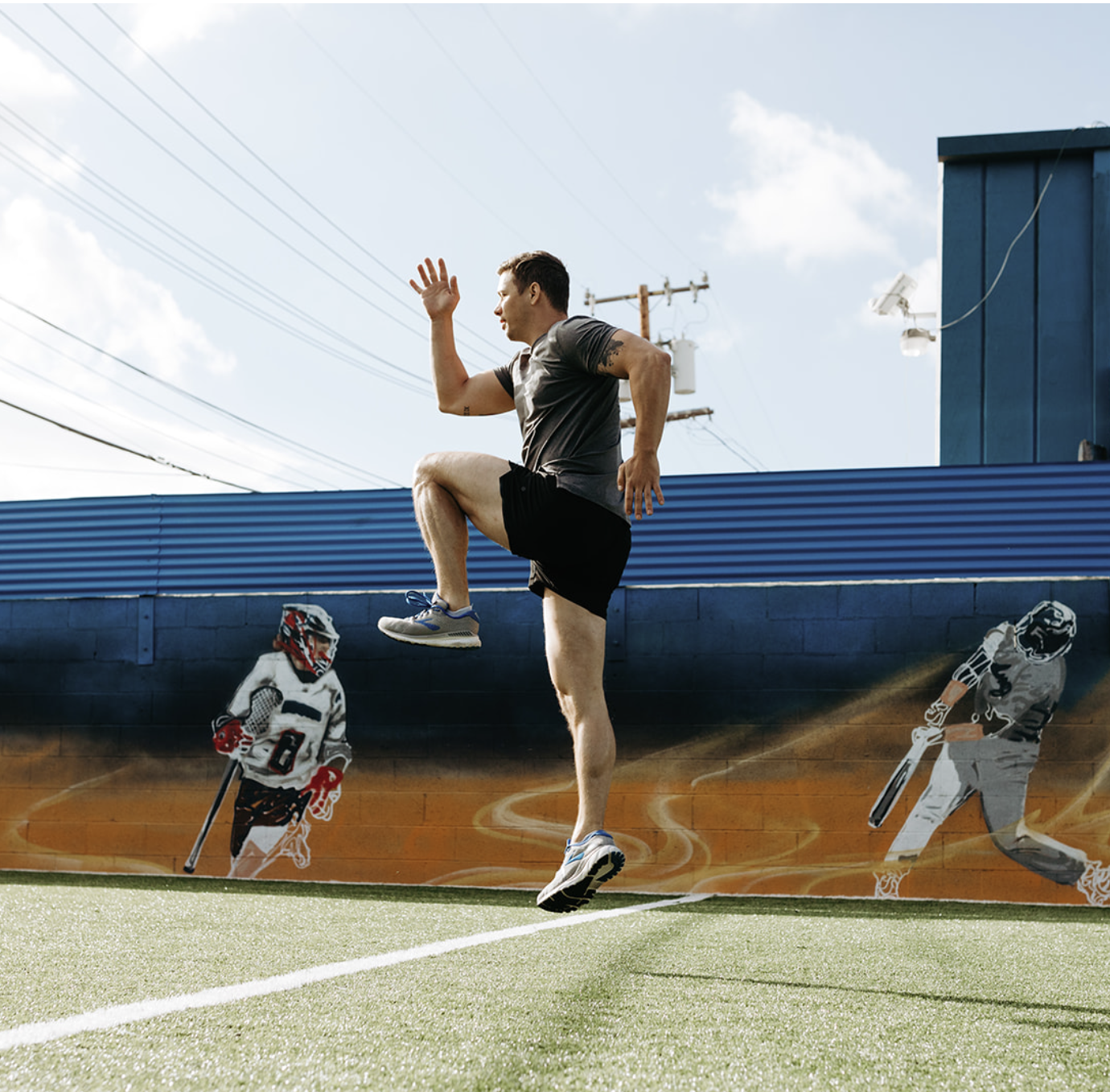
Start Moving Pain-Free
Frequently Asked Questions
-
Yes. Physical therapy can help improve strength, mobility, joint function, and movement patterns while gradually reducing pain sensitivity and improving overall function.
-
Yes. Vestibular rehabilitation and balance-focused physical therapy may help reduce dizziness, improve stability, and restore confidence with movement.
-
Balance issues may develop from weakness, vestibular dysfunction, injury, neurological conditions, reduced mobility, or altered walking mechanics.
-
Vestibular rehabilitation is a specialized form of physical therapy designed to improve dizziness, vertigo, motion sensitivity, and balance deficits related to the inner ear and vestibular system.