
Peptides Explained: What They Are, How They Work, and What You Should Know
Peptides are one of the fastest-growing topics in health, recovery, and performance. Recently, we had a guest expert in regenerative and performance medicine visit our clinic to answer questions about peptides, how they work, and where they may fit into modern healthcare. We brought him in to help our therapists stay educated on emerging trends so we can better understand what our patients may be using and how it could impact their care.
This blog breaks down that conversation into key questions and answers to help you better understand the topic.
Disclaimer: The information in this article is for educational purposes only. Peptides are still an emerging area of medicine with limited long-term human research. We are not recommending or prescribing their use, always consult a qualified medical provider before considering any treatment.
What Are Peptides?
At their core, peptides are short chains of amino acids, the building blocks of proteins. Typically, peptides contain fewer than 40 amino acids, while longer chains are considered proteins.
What makes peptides unique is their role as signaling molecules in the body. They help regulate specific biological processes by binding to receptors and triggering targeted responses.
Unlike many medications that have broad effects, peptides are often described as having more precise effects.
Think of peptides like a “targeted signal” rather than a blanket approach.
For a deeper scientific overview, you can explore these reliable resources:
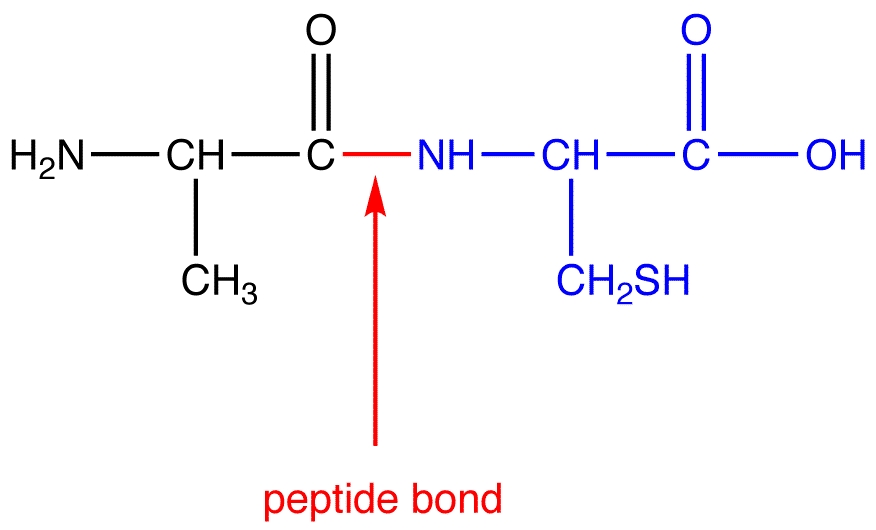
Peptide Bond
How Do Peptides Work in the Body?
Peptides work by binding to specific receptors and influencing particular physiological pathways. Because of this, they can:
Support metabolic processes
Influence inflammation
Assist with tissue repair
Regulate hormones or appetite (depending on the type)
Their targeted nature is what makes them appealing—but also why proper guidance is important.
Where and How Are Peptides Typically Administered?
Most peptides are administered via subcutaneous injection, meaning they are injected just under the skin, commonly in areas like the abdomen (stomach) rather than directly at the site of pain or injury.
This is because peptides work through the systemic circulation. Once injected, they enter the bloodstream and travel throughout the body to bind to specific receptors and trigger targeted responses. Injecting directly into a painful area does not necessarily improve effectiveness and, in many cases, isn’t how these compounds are designed to work.
Additionally, the abdomen is often preferred because it:
Has a consistent layer of subcutaneous tissue
Is generally easier and more comfortable for self-administration
Allows for more predictable absorption
Disclaimer: Injection techniques, dosing, and protocols can vary widely depending on the specific peptide and provider. Peptides should only be used under the guidance of a qualified medical professional.
What Are Peptides Commonly Used For?
Peptides are currently being explored and used in several areas, including:
1. Weight Loss & Metabolic Health
Some of the most well-known peptides today are GLP-1 agonists (like semaglutide), which are used to regulate appetite and blood sugar.
As noted in external research, GLP-1 medications help by “slowing gastric emptying and increasing feelings of fullness,” which can support reduced calorie intake and improved metabolic control.
Source: The Spring Center
They are often measured using:
Blood glucose levels
A1C
Lipid panels
Body composition changes
2. Recovery & Injury Support
Certain peptides are being explored for their potential role in:
Tissue healing
Reducing inflammation
Supporting recovery after injury
However, much of this research is still in early stages.
3. Performance & Muscle Support
Some peptides may influence growth hormone pathways or recovery capacity, which is why they’ve gained attention in athletic and fitness communities.
That said, proper training, nutrition, and recovery remain the foundation.
4. Aesthetic & Skin Health
Peptides like GHK-Cu are sometimes used for:
Skin quality
Collagen production
Hair and nail health
These work by signaling the body to increase production of structural proteins like collagen and elastin.
What Happens When You Stop Taking Peptides?
This depends on the type of peptide. For example, with weight loss peptides, appetite may return, or weight regain is possible if habits aren’t in place.
That’s why lifestyle factors are critical for long-term use, such as:
Strength training
Nutrition
Sleep
Consistency
Where Does Physical Therapy Fit Into This?
At our clinic, we focus on:
Movement quality
Strength and stability
Long-term recovery strategies
While peptides may be part of a broader conversation in healthcare, they do not replace:
Proper rehabilitation
Strength training
Movement optimization
Our role is to help patients build a foundation that supports lasting results, regardless of other interventions.
FAQ: Peptides and Recovery
-
Some peptide-based medications are FDA-approved (like certain GLP-1 drugs), but many others are not fully regulated or are used off-label.
-
No. They are used across a wide range of individuals, from general wellness to medical conditions, but appropriateness varies by person.
-
Potential concerns discussed include:
Improper dosing or sourcing
Loss of muscle mass (in weight loss cases without proper training/nutrition)
Rebound effects after stopping certain peptides
Over-reliance instead of lifestyle changes
For example, with weight loss peptides, rapid results without strength training and proper nutrition can lead to:
Muscle loss
Metabolic changes
Difficulty maintaining results
Disclaimer: It’s important to do your own research and consult with a qualified medical professional before considering peptides. Due to limited long-term research and variability in quality and protocols, guidance from a licensed provider is essential for safety and appropriate use.
-
In many cases, yes.
The concept of “cycling” (taking breaks) is often recommended to:
Prevent receptor desensitization
Avoid overuse
Allow the body to regulate naturally
Some peptides are commonly used in structured timeframes (e.g., a few months on, followed by time off), though protocols vary widely.
-
Peptides should be obtained through a licensed medical provider to ensure safety, proper dosing, and quality.
Clinics like Beyond Wellness work with regulated sources and provide medical oversight.