

physical therapy for CHRONIC PAIN IN COSTA MESA
CHRONIC PAIN
Chronic pain, arthritis, and ongoing stiffness can make it difficult to exercise, work, sleep, and enjoy everyday activities. At Cuirim Sports Recovery, we identify factors contributing to your symptoms and create a personalized treatment plan focused on improving movement, building strength, reducing pain, and helping you maintain an active lifestyle.
How Can Physical Therapy Help Chronic Pain?
How we can Help
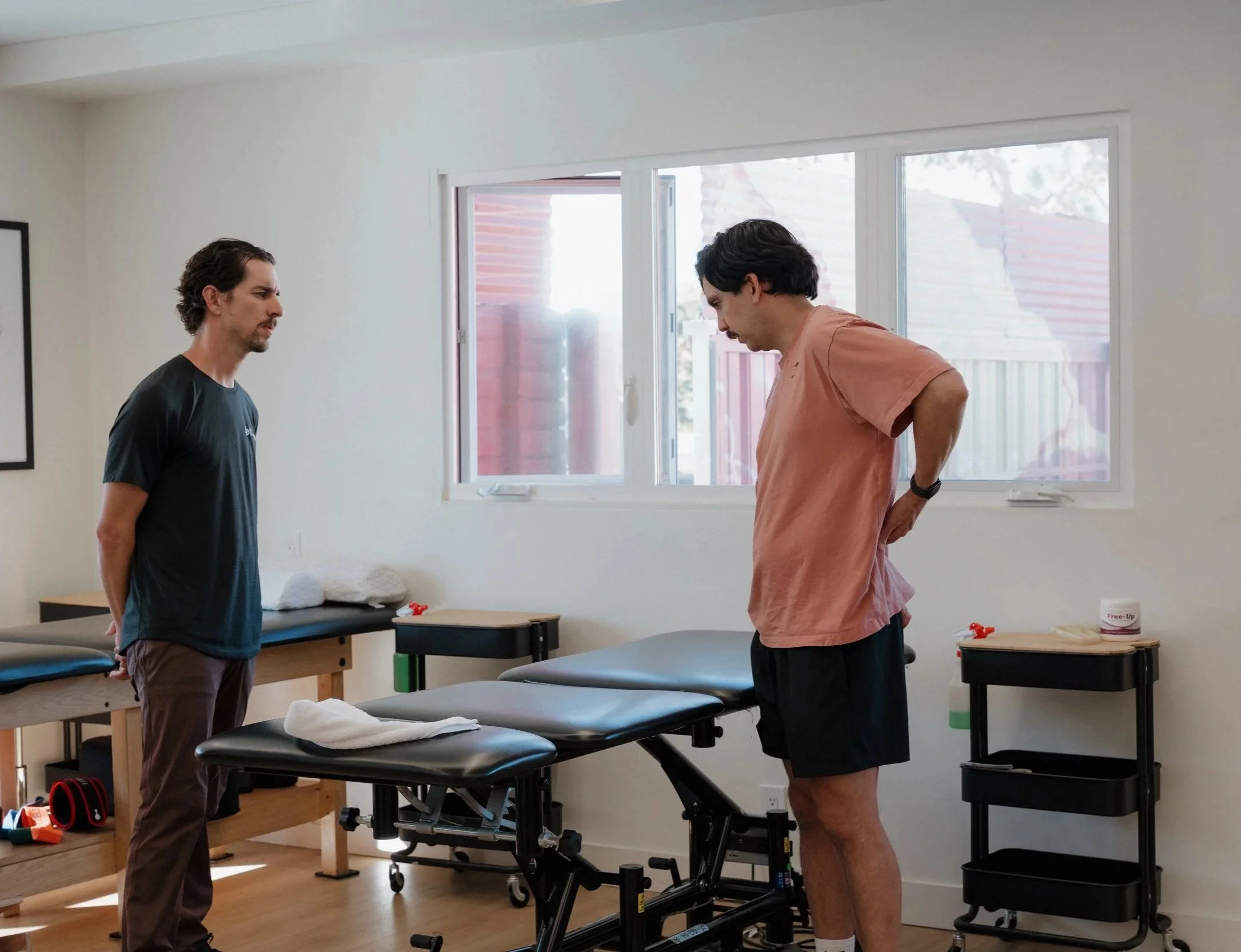
Physical therapy can help reduce chronic pain, improve mobility, restore strength, and help you return to the activities that matter most. At Cuirim Sports Recovery, we work with active adults, older adults, office workers, post-operative patients, and individuals experiencing persistent back, neck, joint, nerve, or widespread pain.
Every patient is different, so we perform a comprehensive evaluation to identify the strength deficits, mobility restrictions, movement impairments, and other contributing factors affecting your pain and function, allowing us to create a personalized treatment plan for lasting recovery.
The key metrics we track include movement tolerance, strength deficits and asymmetries, functional capacity, endurance, balance, and overall movement quality. These measurements help us identify limitations, guide treatment decisions, and objectively monitor your progress throughout rehabilitation and return to everyday activities.
How We can Help
Our Approach to Chronic Pain Relief
-
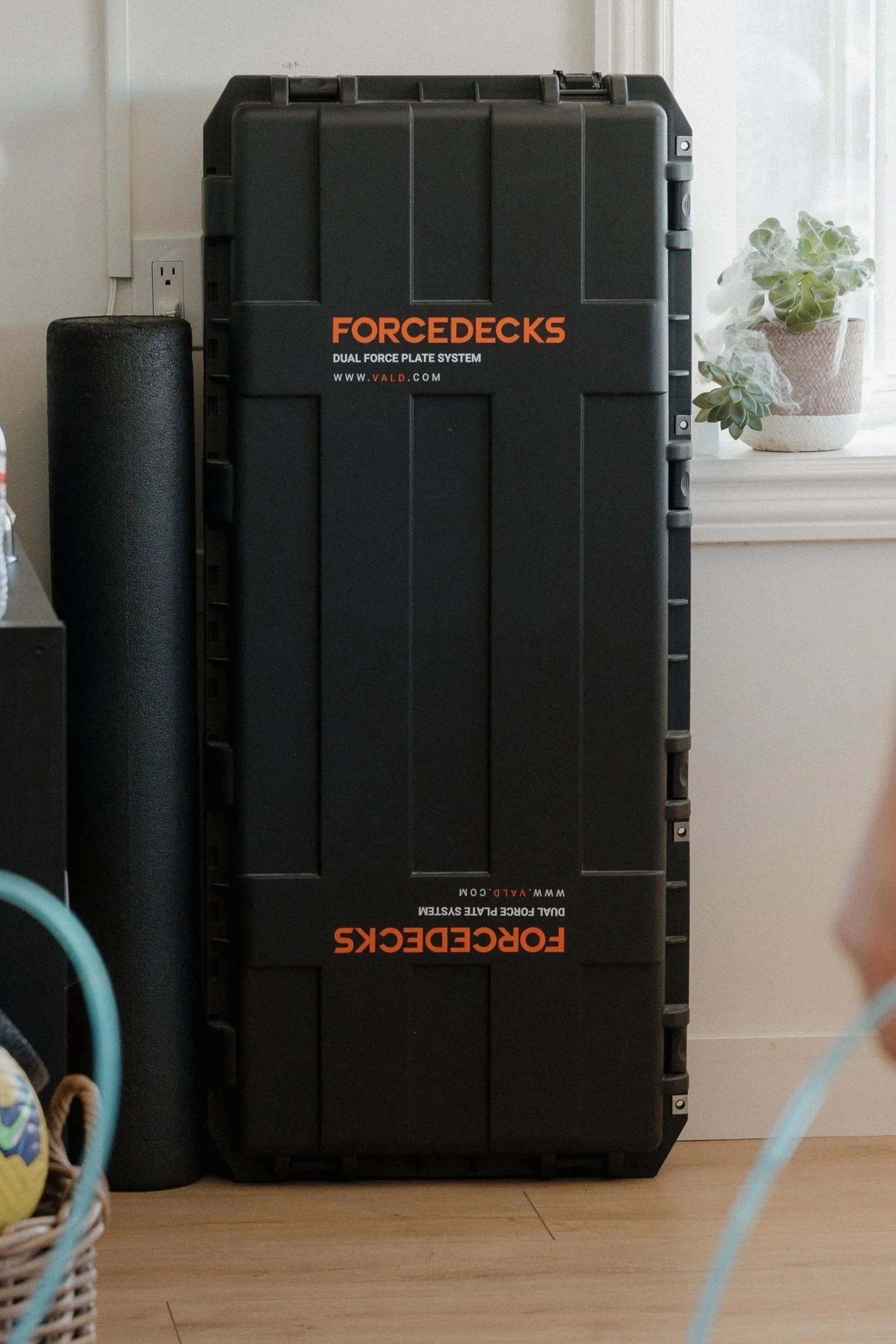
![VALD FORCE DECKS]()
VALD FORCE DECKS
To objectively assess strength, balance, force production, and movement asymmetries that may contribute to persistent pain, reduced function, and decreased confidence with movement. This data helps track progress and guide individualized treatment decisions.
-
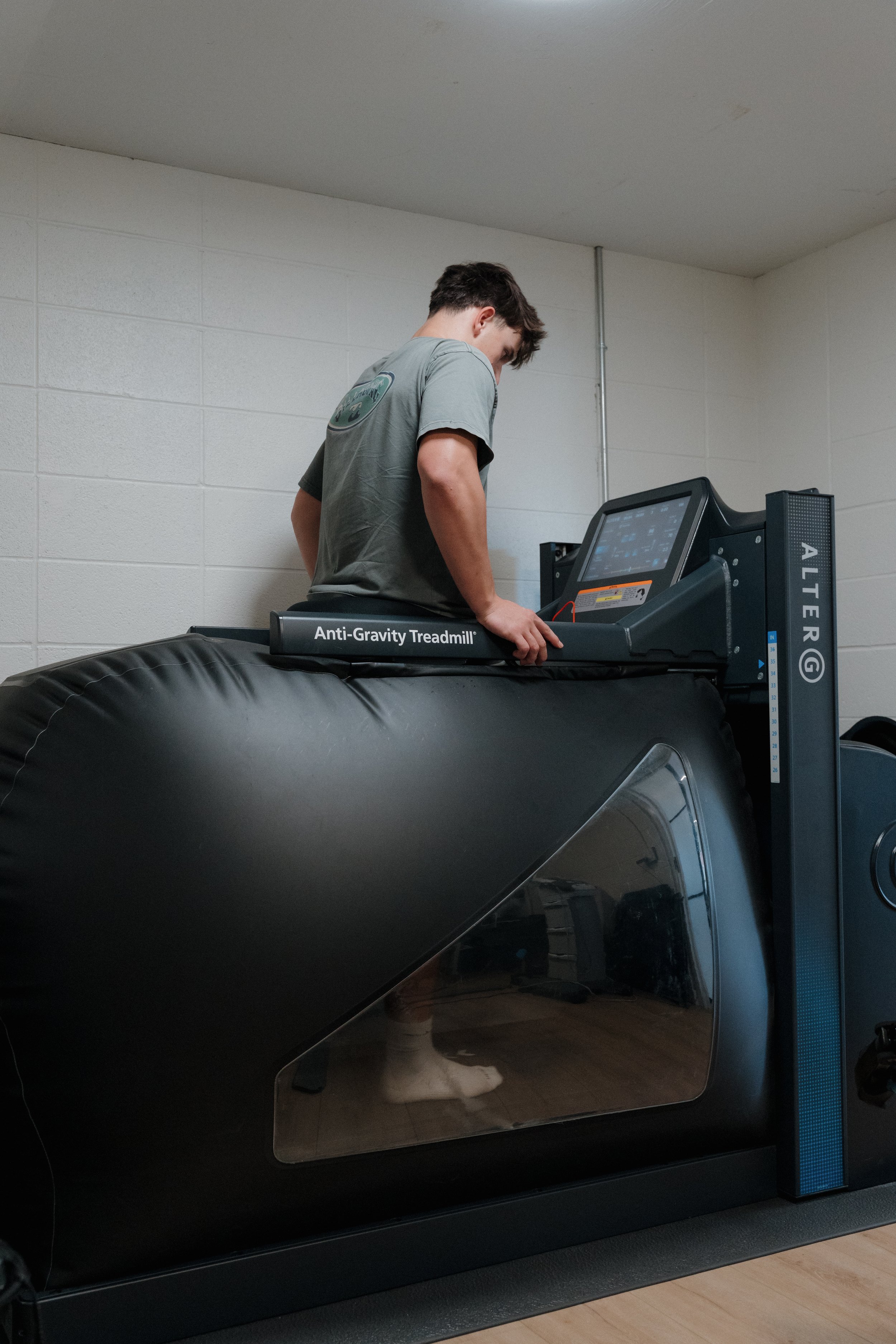
![AlterG Anti-Gravity Treadmill]()
ALTERG ANTI-GRAVITY TREADMILL
To help patients gradually return to walking, running, and exercise with reduced body weight, allowing movement with less pain while improving endurance, mobility, and confidence.
-
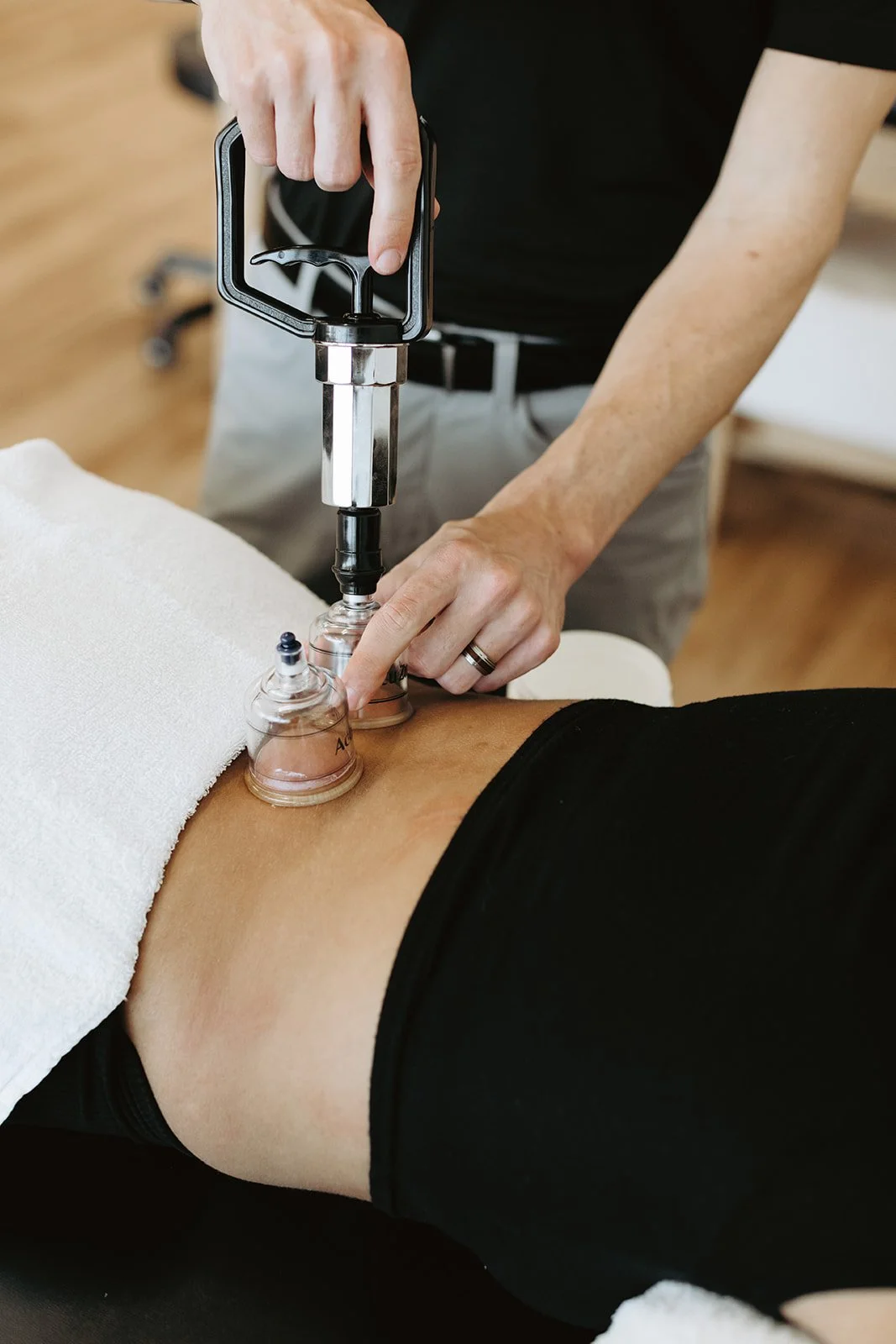
![Cupping Therapy]()
CUPPING THERAPY
To reduce muscle tension, improve circulation, relieve pain, and promote mobility, helping make movement more comfortable during rehabilitation.
-
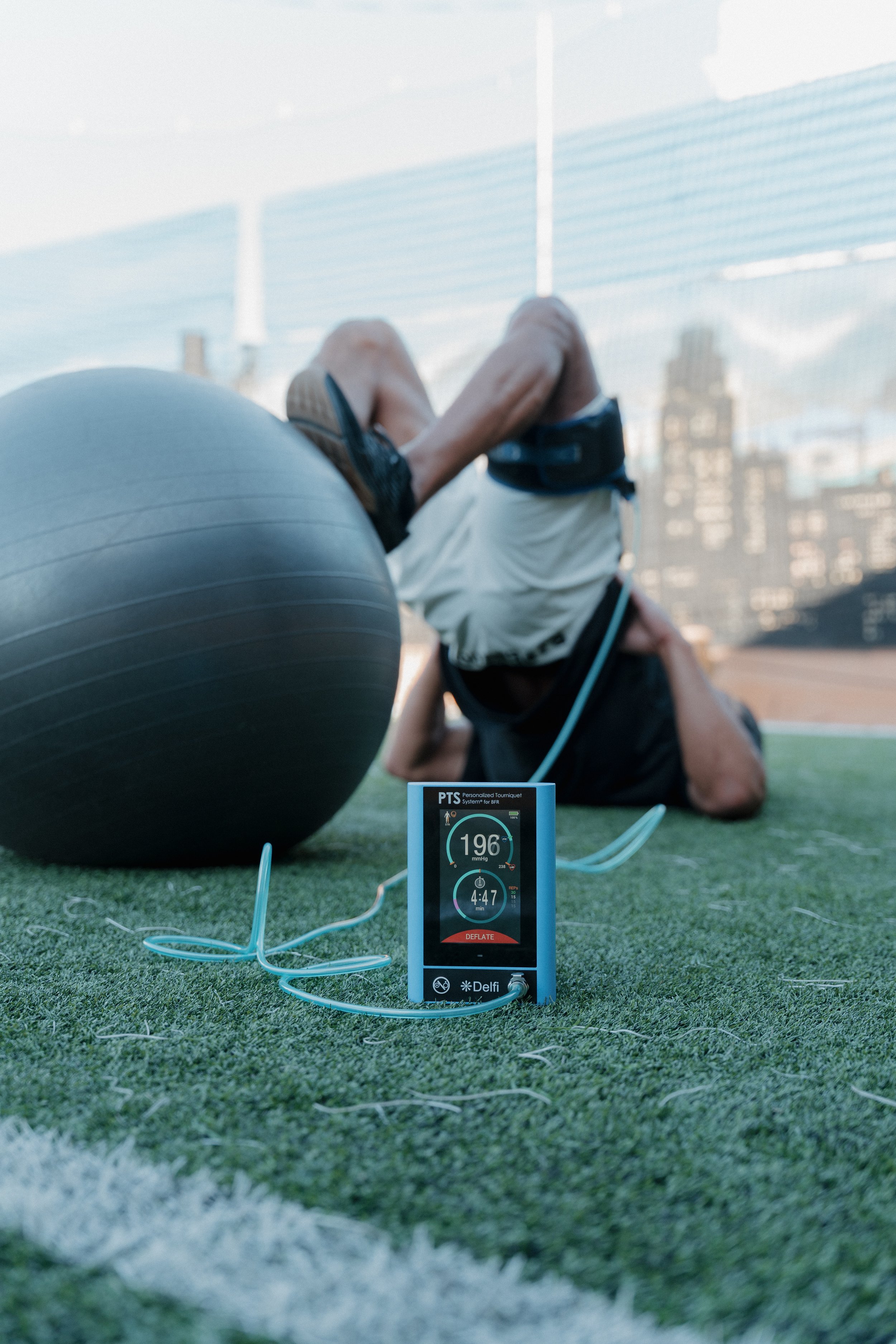
![Blood Flow Restriction (BFR)]()
BLOOD FLOW RESTRICTION (BFR)
To improve strength and muscle capacity using lighter loads, making it an effective option for individuals whose pain limits traditional resistance training or higher-intensity exercise.
-
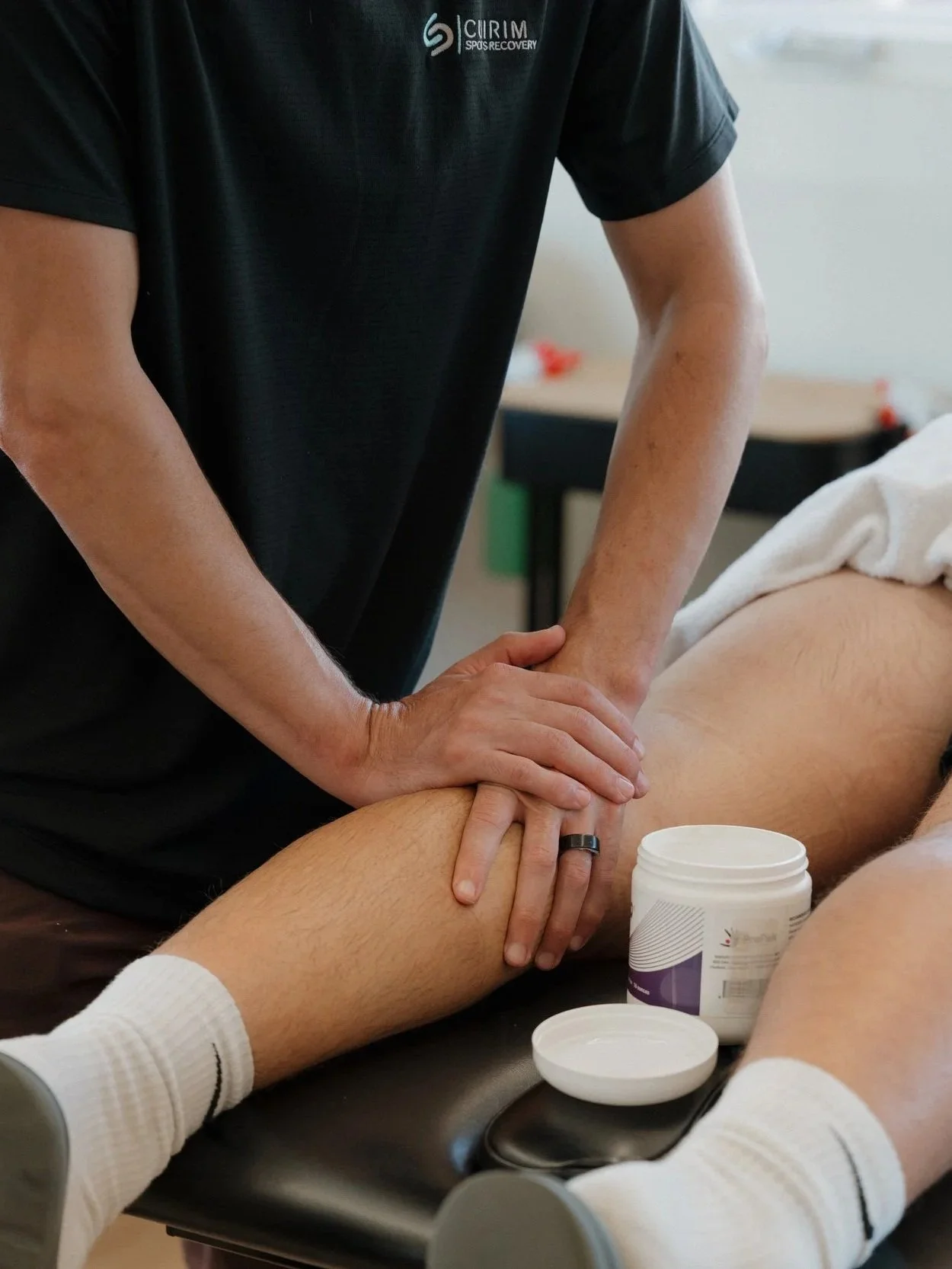
![Manual Therapy]()
HANDS-ON MANUAL THERAPY
Including joint mobilization, soft tissue mobilization, stretching, and other skilled techniques to reduce pain, improve mobility, decrease muscle guarding, and restore functional movement.
-
![Personalized Rehab Program]()
PERSONALIZED REHAB PROGRAM
Tailored to your symptoms, goals, and tolerance to movement to gradually improve strength, mobility, endurance, balance, and confidence while helping reduce pain and restore your ability to participate in everyday activities.
-
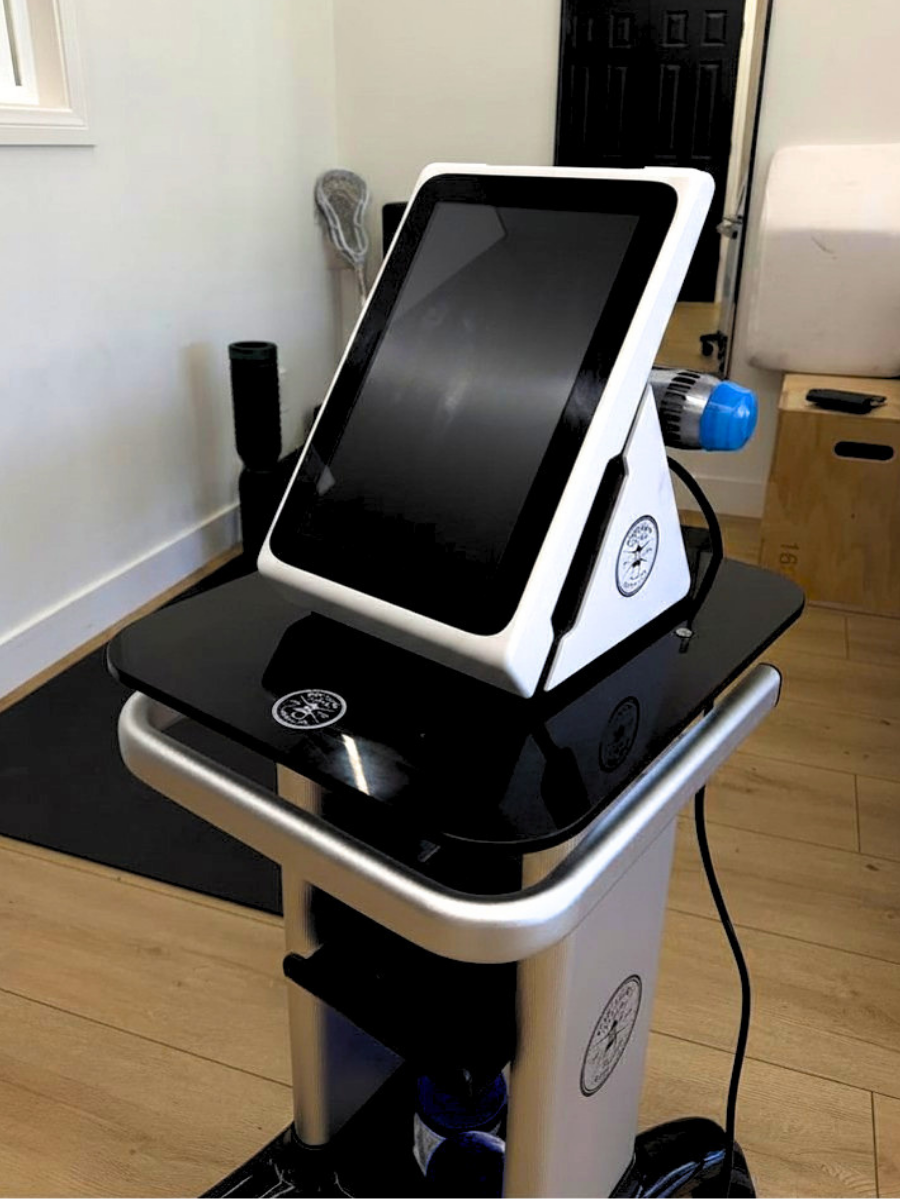
![Shockwave Therapy]()
SHOCKWAVE THERAPY
To stimulate healing, improve blood flow, and reduce pain associated with chronic tendon, muscle, and soft tissue conditions that may be contributing to persistent pain.
-
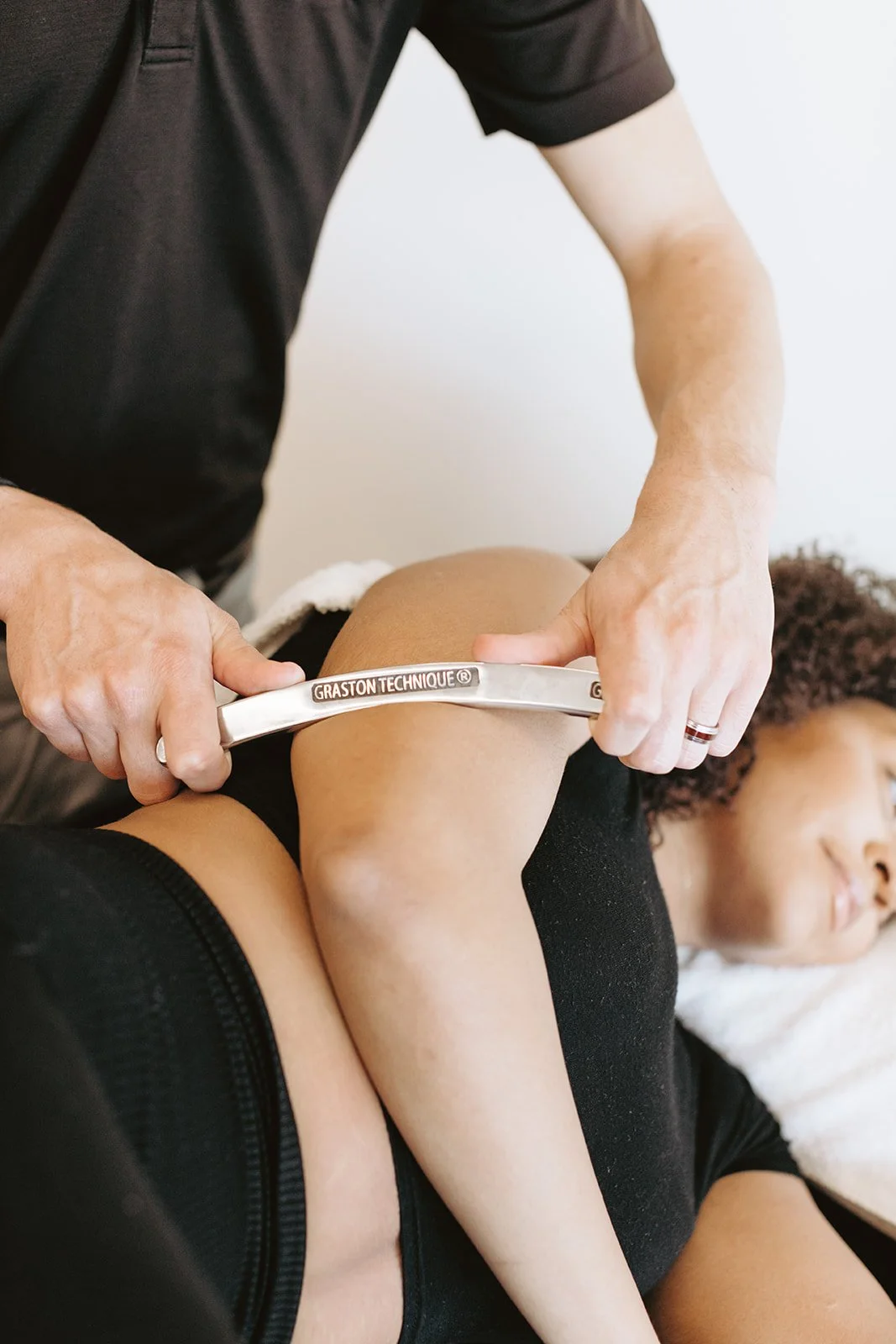
![Graston (IASTM)]()
GRASTON (IASTM)
To address soft tissue restrictions, reduce scar tissue, improve tissue mobility, and restore normal movement in chronically painful areas.


TYPES OF CONDITIONS
Explore The Types of Chronic Pain We Treat
Chronic pain refers to pain that persists beyond expected healing timelines, often lasting several months or longer. Unlike acute pain that develops after a recent injury, chronic pain may continue even after tissues have healed and can affect muscles, joints, movement, energy levels, exercise, work, sleep, and daily activities. Symptoms often fluctuate over time and may be influenced by physical, lifestyle, and health-related factors. We treat a wide range of chronic pain conditions, including but not limited to those listed below.
-
Arthritis pain commonly affects the joints and may lead to stiffness, swelling, reduced mobility, and discomfort during movement. Symptoms often develop gradually and can impact daily activities, exercise, and overall function.
-
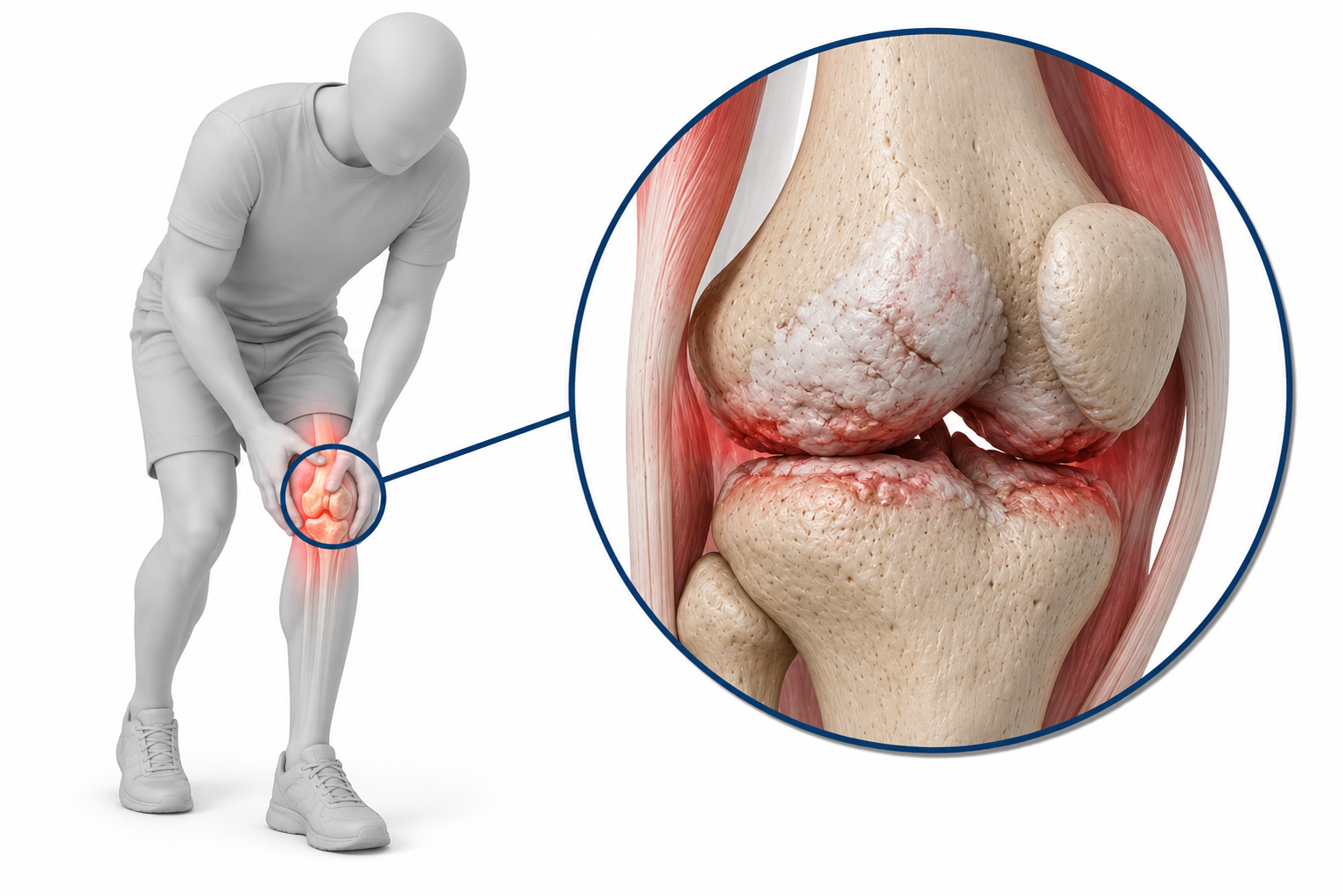
Osteoarthritis develops when cartilage within a joint gradually wears down over time. Common symptoms include joint pain, stiffness, reduced mobility, and discomfort during weight-bearing or repetitive activities.
-
Rheumatoid arthritis is an autoimmune condition that causes inflammation within the joints. Symptoms may include joint pain, swelling, stiffness, fatigue, and flare-ups that affect movement and daily activities.
-
Fibromyalgia is a chronic pain condition associated with widespread muscle pain, fatigue, sleep disturbances, and increased sensitivity throughout the body. Symptoms often vary in intensity and may be influenced by stress, activity levels, and sleep quality.
-
Myofascial pain syndrome involves pain and tightness within muscles and connective tissue, often related to trigger points and movement dysfunction. Symptoms commonly include localized pain, stiffness, muscle tension, and reduced mobility.
Common causes
What Could Be Causing My Chronic Pain?
-
![Joint Degeneration]()
ARTHRITIS & JOINT DEGENERATION
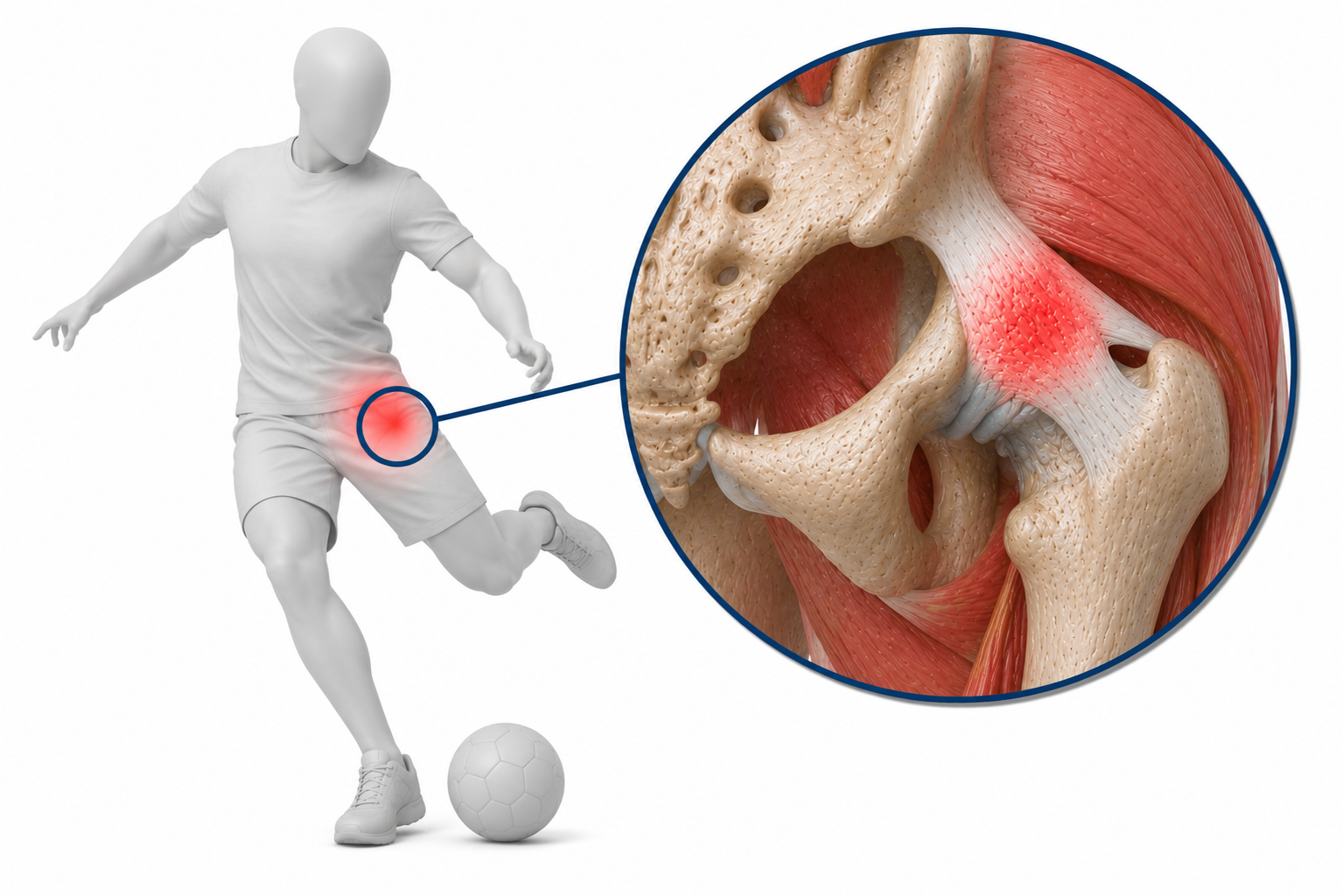
Wear and tear within the joints can lead to ongoing pain, stiffness, swelling, and reduced mobility. Arthritis is one of the most common contributors to chronic pain, particularly in the knees, hips, shoulders, and spine.
-
![Previous Injuries & Surgery]()
PREVIOUS INJURIES & SURGERY
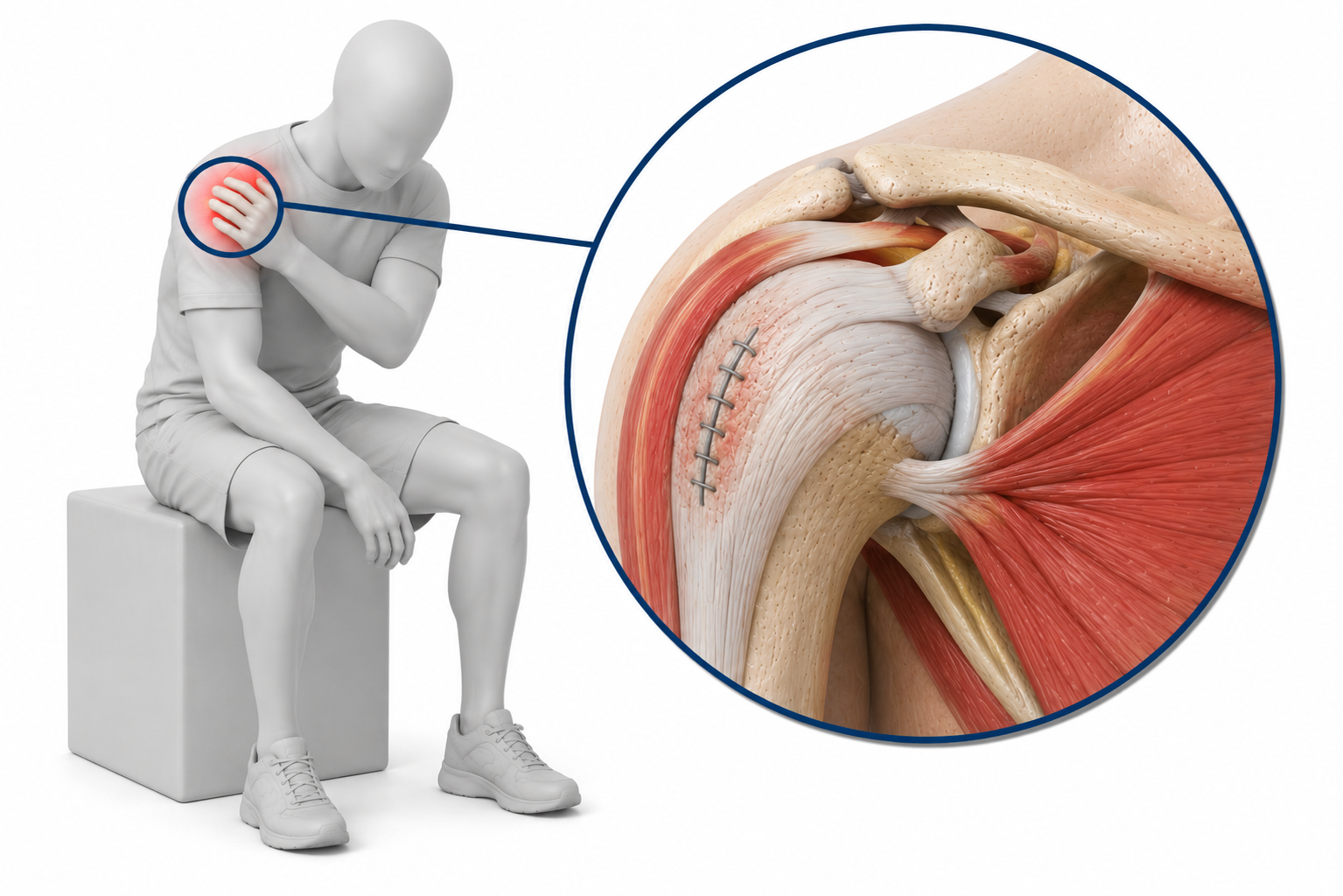
Even after tissues have healed, past injuries or surgeries can leave behind weakness, stiffness, movement compensations, or sensitivity that contribute to persistent pain and recurring flare-ups.
-
![Repetitive Stress & Overuse]()
REPETITIVE STRESS & OVERUSE
Repeated movements at work, during sports, or throughout daily life can place ongoing stress on muscles, tendons, and joints, leading to irritation and long-term discomfort.
-
![Muscle Weakness, Tightness & Movement Dysfunction]()
MUSCLE WEAKNESS, TIGHTNESS & MOVEMENT
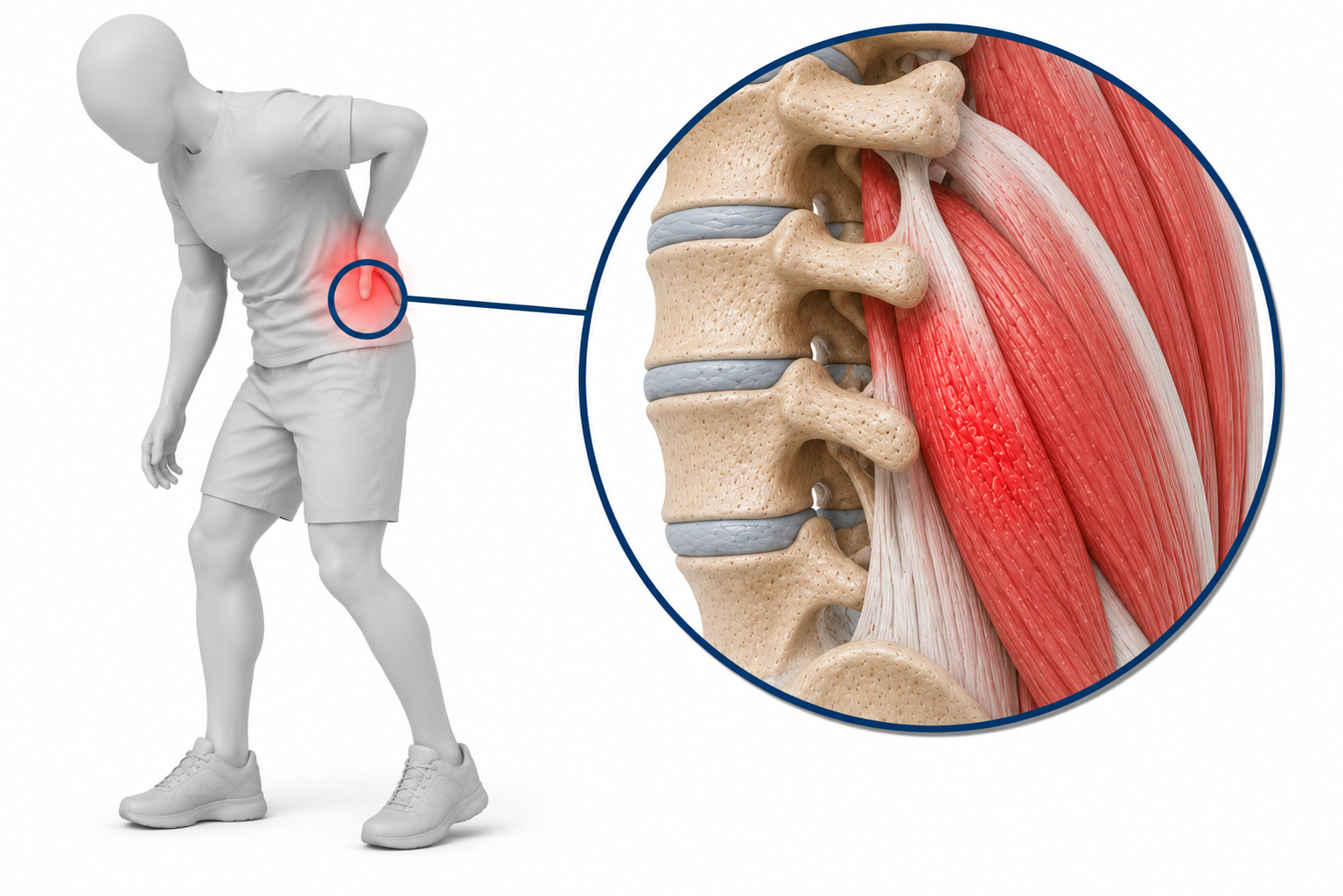
Poor movement patterns, reduced mobility, muscle imbalances, and strength deficits can increase stress on certain areas of the body and contribute to ongoing pain.
-
![Inflammation, Stress & Recovery Limitations]()
INFLAMMATION, STRESS & RECOVERY LIMITATIONS
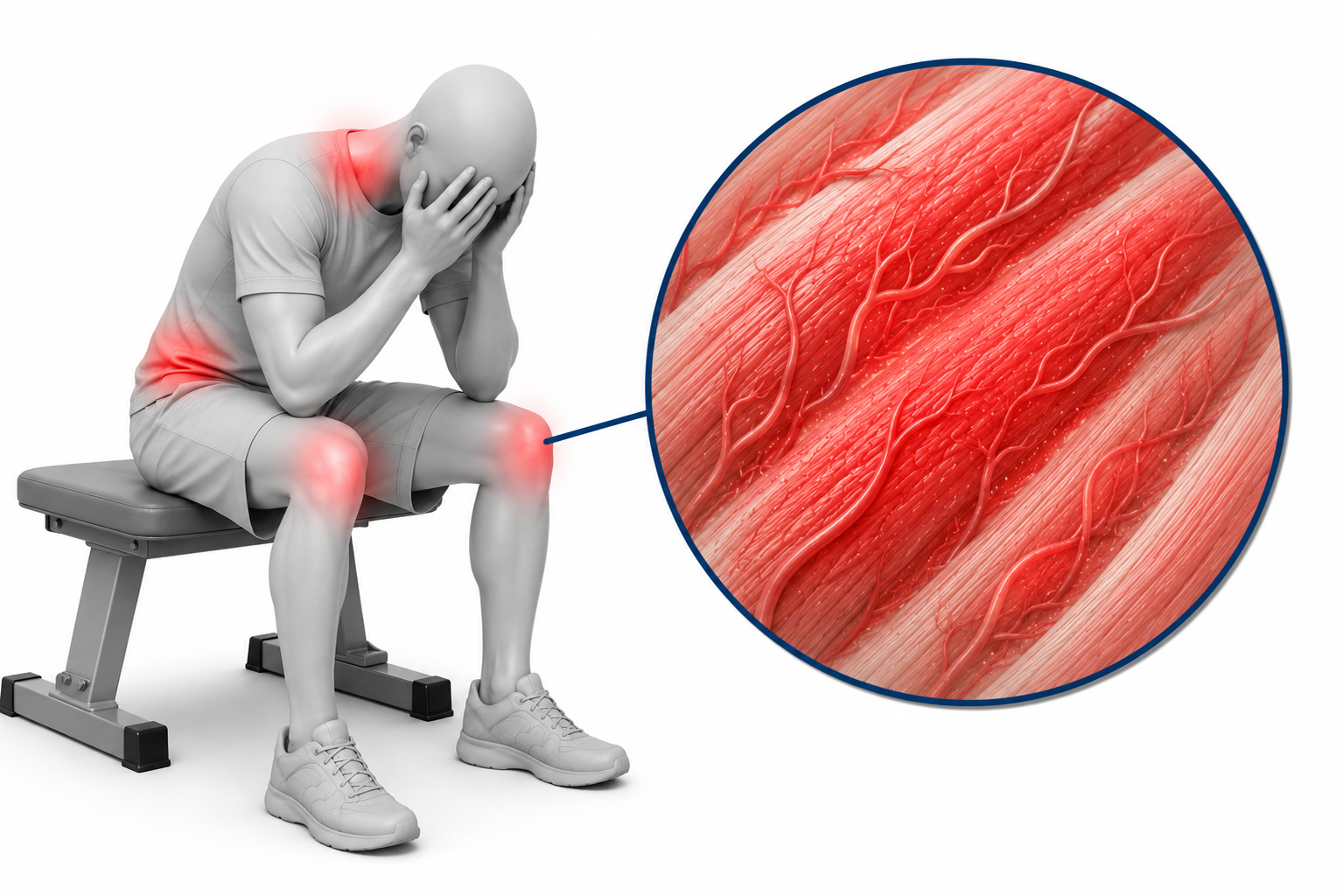
Factors such as chronic inflammation, poor sleep, stress, inactivity, and reduced recovery capacity can increase pain sensitivity and make symptoms more difficult to manage.
Next Steps
Your Next Steps
You don’t have to let chronic pain continue limiting your movement and quality of life. Addressing symptoms early and improving how your body moves can help reduce flare-ups, improve function, and keep you active long term.
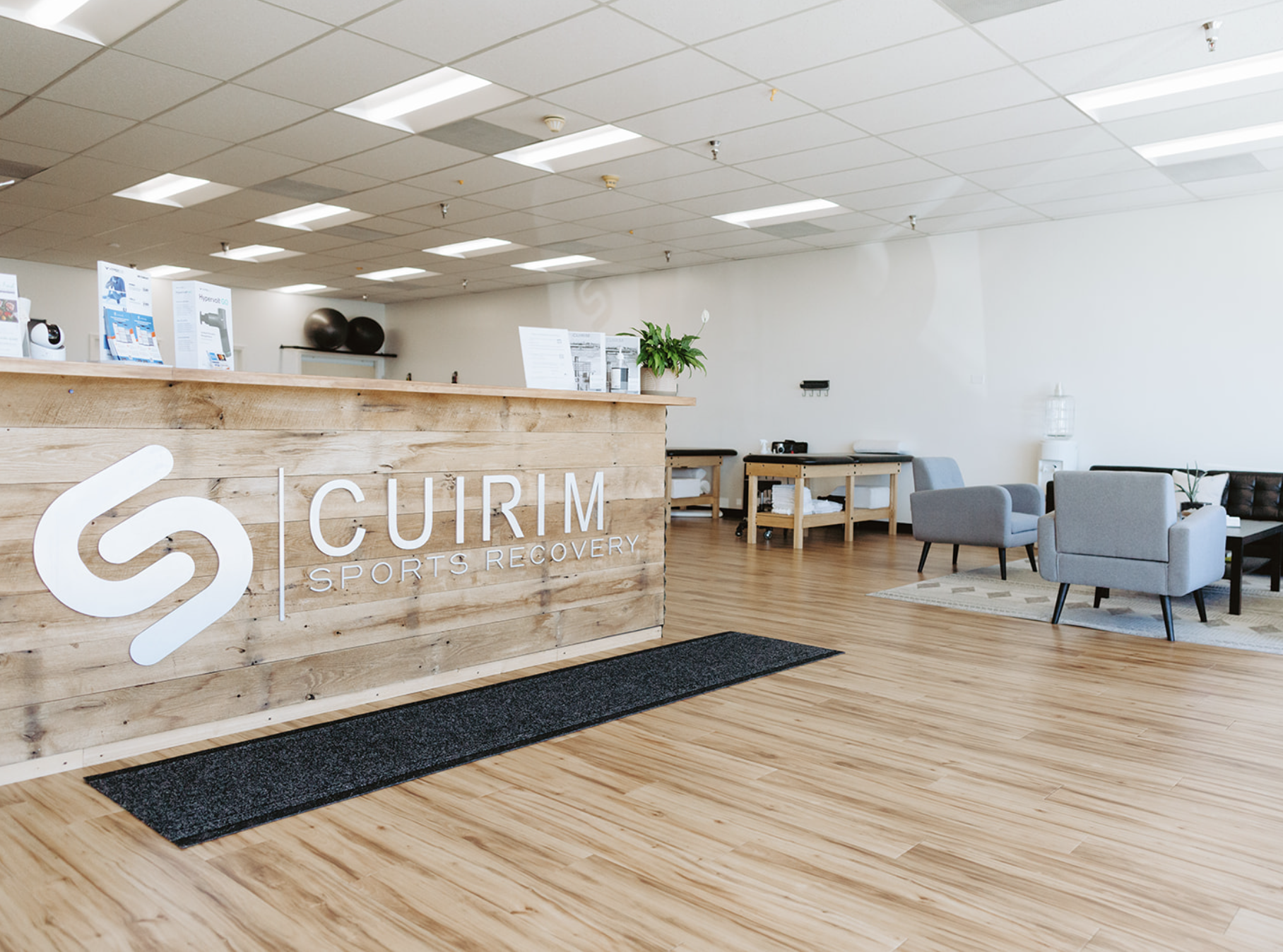
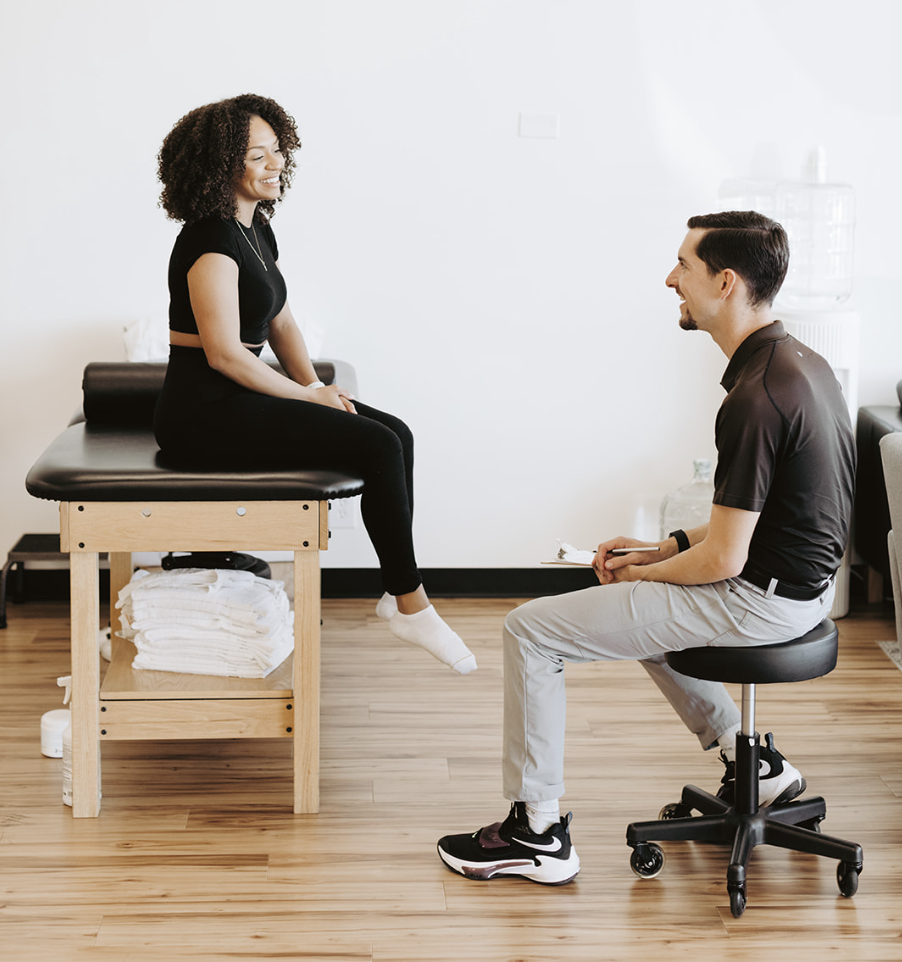
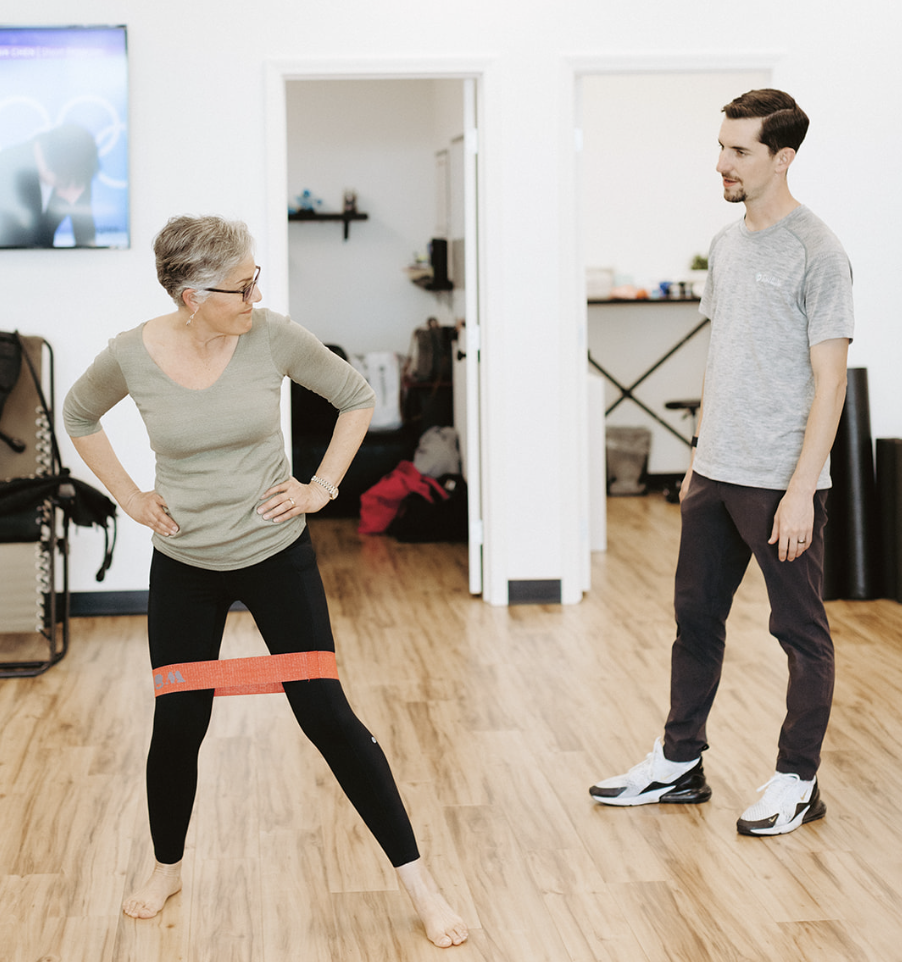
03.
Attend Your First Visit
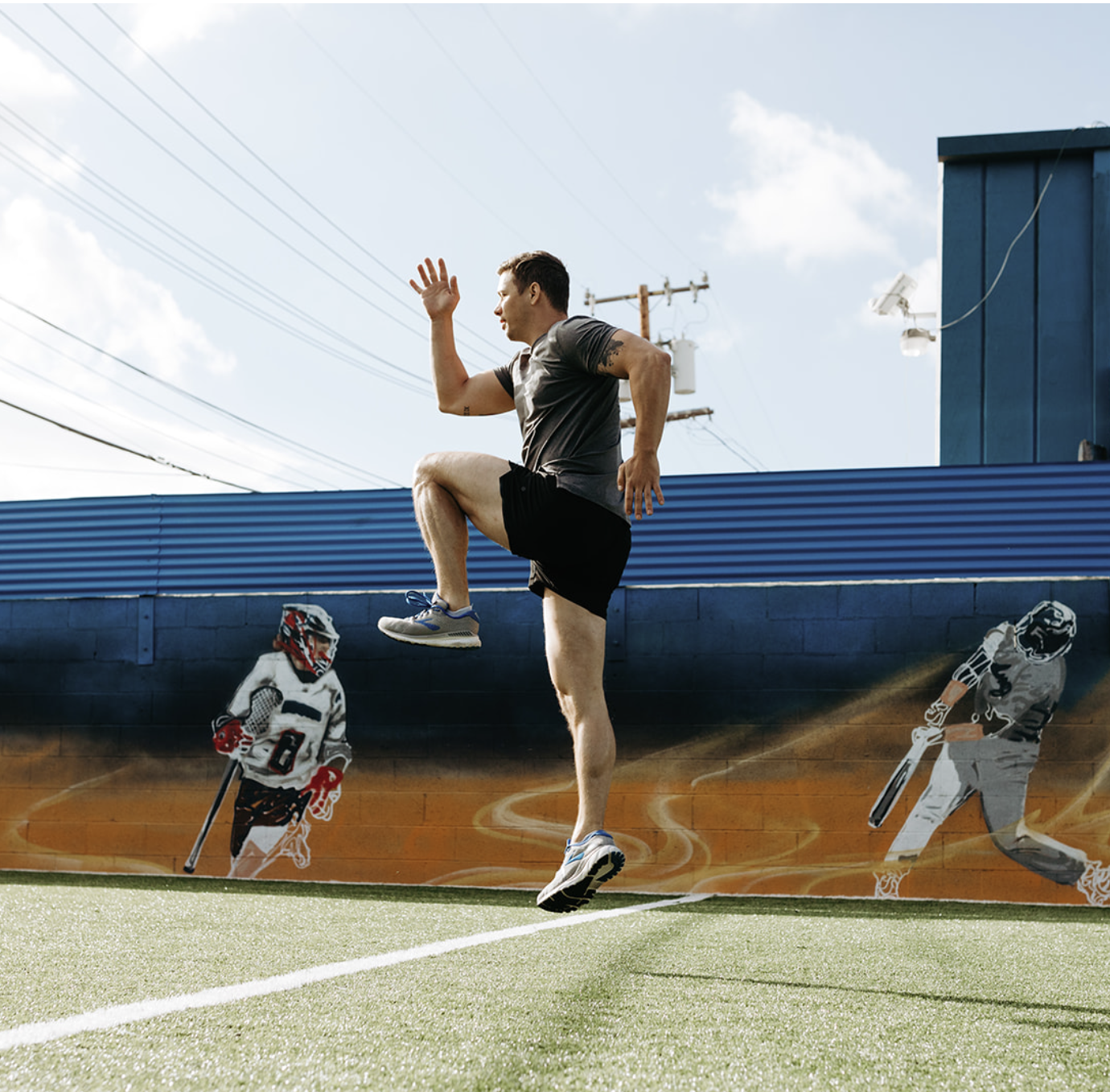
04.
Start Moving Pain-Free
Frequently Asked Questions
-
Yes. Physical therapy can help improve strength, mobility, joint function, and movement patterns while gradually reducing pain sensitivity and improving overall function.
-
In many cases, yes. Appropriate exercise and movement are often important parts of managing chronic pain conditions. A physical therapist can help guide safe progression based on your symptoms and goals.
-
Chronic pain lasts longer than expected healing timelines and may continue even after tissues have healed. Factors like inflammation, stress, movement patterns, and nervous system sensitivity can all contribute.
-
Yes. Physical therapy may help improve joint mobility, strength, stability, and function while reducing stiffness and improving tolerance to daily activities.