

physical therapy for BALANCE, DIZZINESS & GAIT DISORDERS IN COSTA MESA
BALANCE, DIZZINESS & GAIT DISORDERS
Balance and dizziness issues can make it difficult to walk confidently, exercise, participate in daily activities, or stay active without fear of losing your balance. At Cuirim Sports Recovery, we identify factors contributing to your symptoms and create a personalized treatment plan to improve stability, restore mobility, reduce dizziness, and help you move with greater confidence.
How Can Physical Therapy Help with Balance, Dizziness & Gait Disorders?
How we can Help
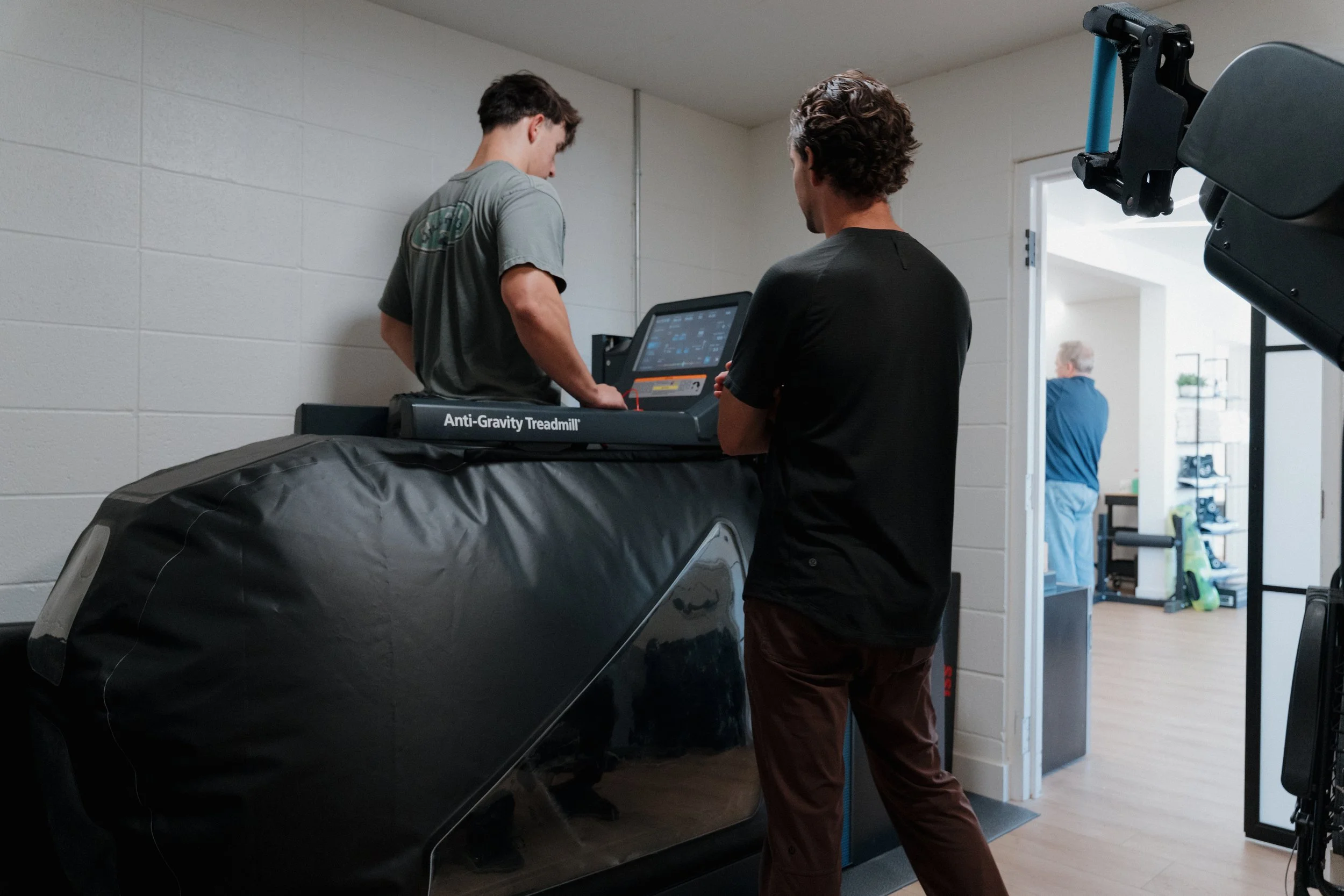
Physical therapy can help improve balance, reduce dizziness, restore confidence with movement, and help you return to the activities that matter most. At Cuirim Sports Recovery, we work with older adults, active adults, post-operative patients, and individuals experiencing dizziness, vertigo, balance problems, or walking difficulties.
Every patient is different, so we perform a comprehensive evaluation to identify the strength deficits, mobility restrictions, balance impairments, movement dysfunctions, and vestibular factors contributing to your symptoms, allowing us to create a personalized treatment plan for lasting recovery.
The key metrics we track include balance symmetry, postural stability, gait quality, lower extremity strength, functional mobility, fall risk, and symptom response during movement and positional testing. These measurements help us identify limitations, guide treatment decisions, and objectively monitor your progress throughout rehabilitation so you can safely return to everyday activities with confidence.
How We can Help
Our Approach to Chronic Pain Relief
-
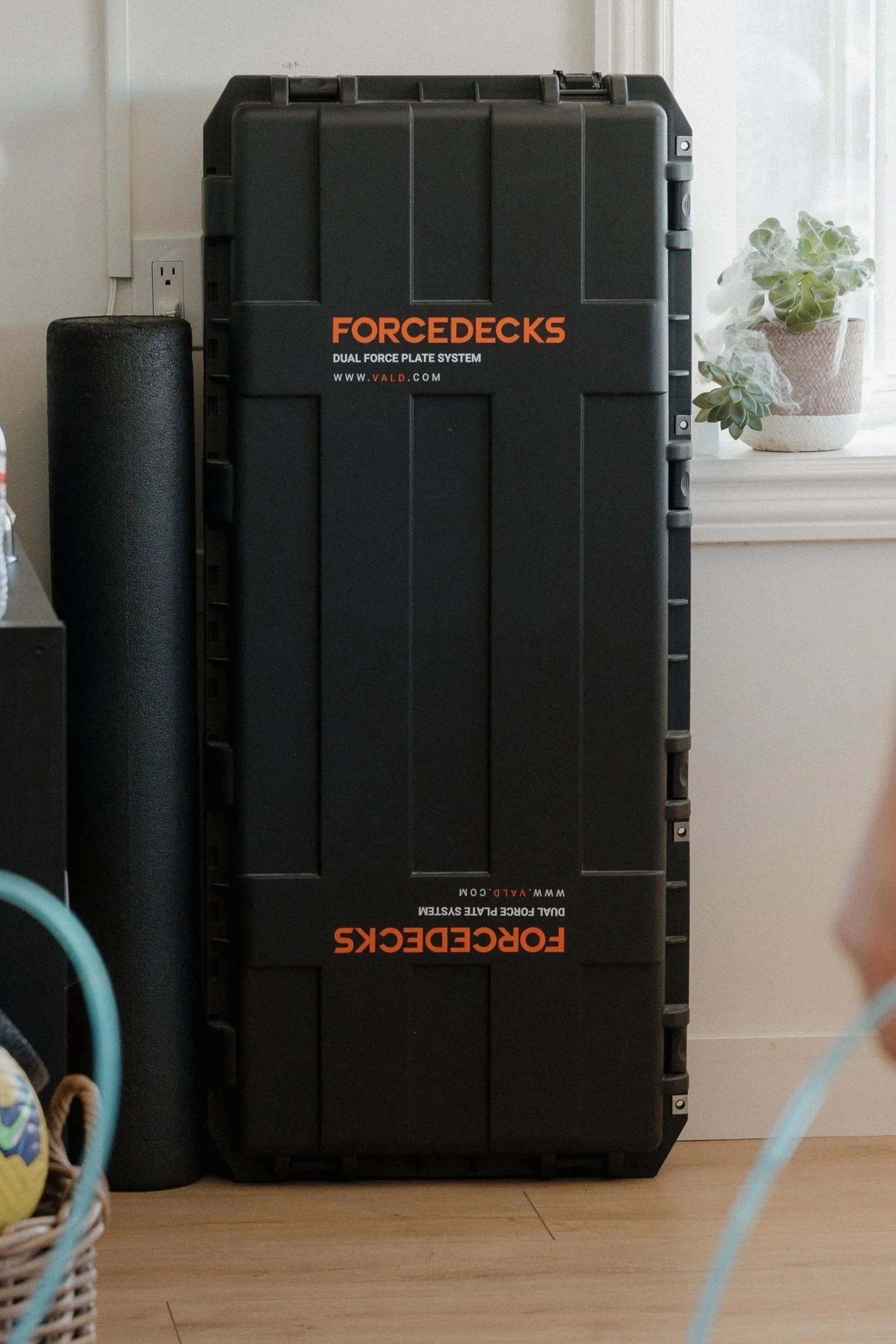
![VALD FORCE DECKS]()
VALD FORCE DECKS
To objectively assess strength, balance, force production, and movement asymmetries that may contribute to persistent pain, reduced function, and decreased confidence with movement. This data helps track progress and guide individualized treatment decisions.
-
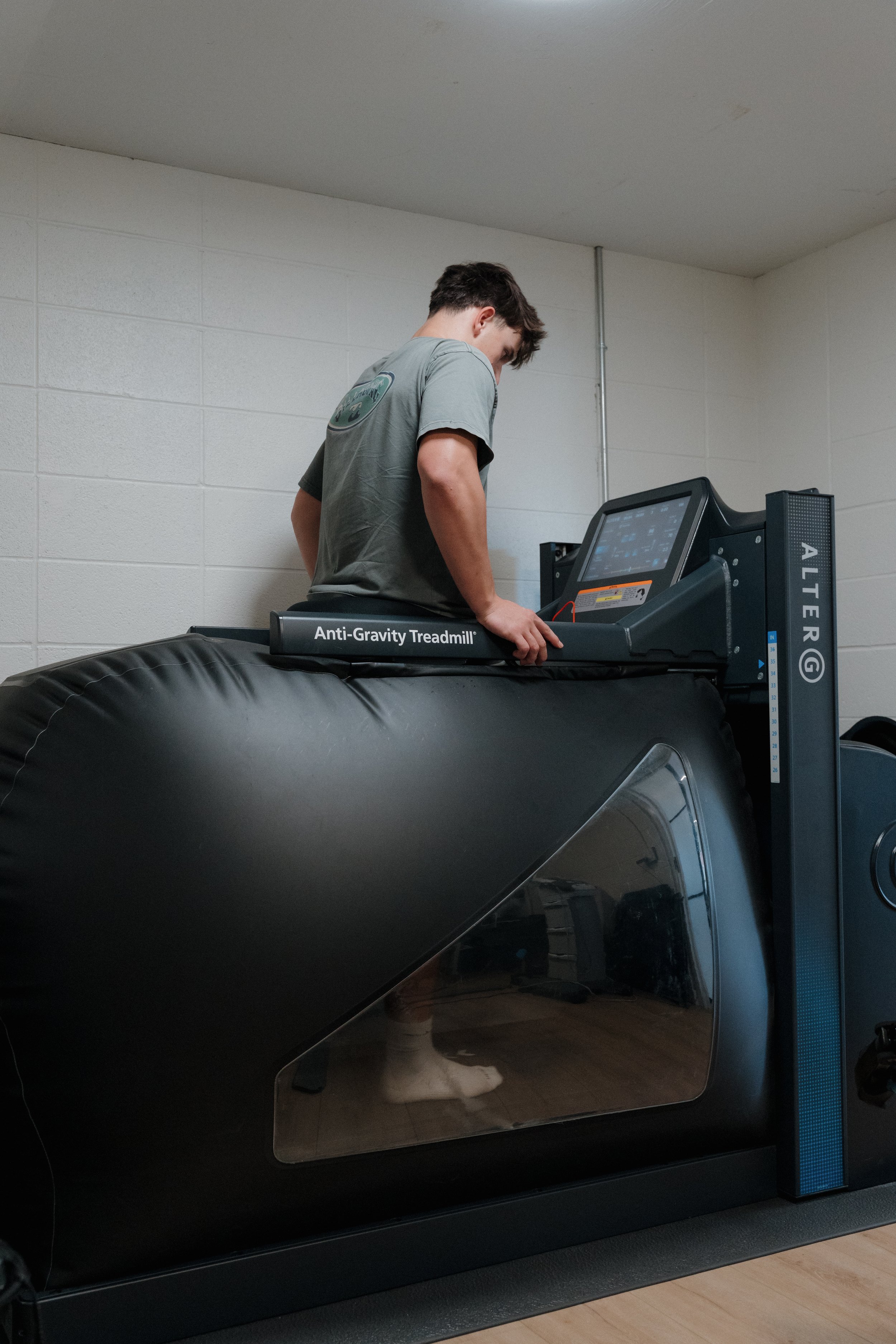
![AlterG Anti-Gravity Treadmill]()
ALTERG ANTI-GRAVITY TREADMILL
To help patients gradually return to walking, running, and exercise with reduced body weight, allowing movement with less pain while improving endurance, mobility, and confidence.
-
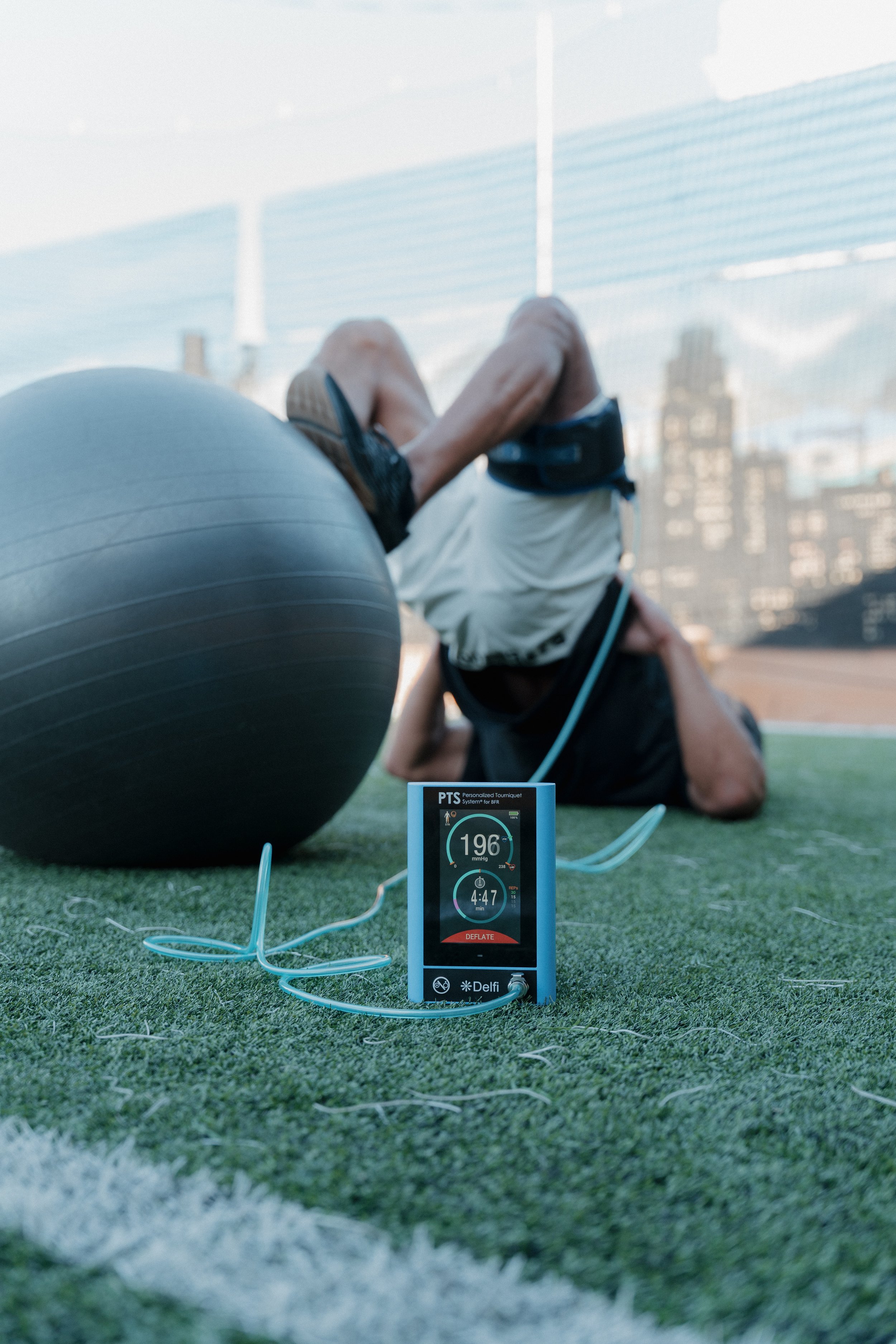
![Blood Flow Restriction (BFR)]()
BLOOD FLOW RESTRICTION (BFR)
To improve strength and muscle capacity using lighter loads, making it an effective option for individuals whose pain limits traditional resistance training or higher-intensity exercise.
-
![Manual Therapy]()
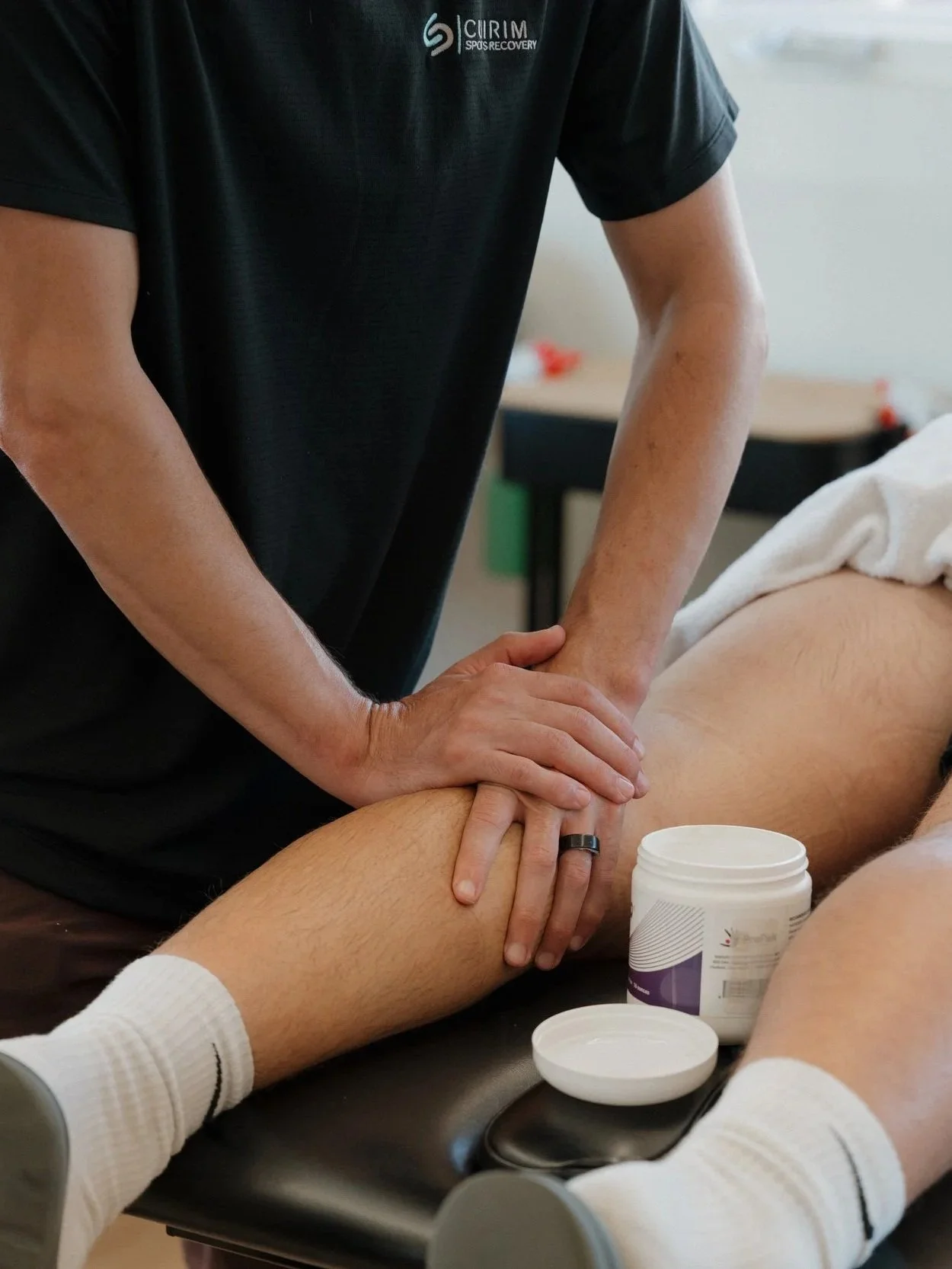
MANUAL THERAPY
Including soft tissue mobilization, cupping, IASTM, joint mobilization, and other hands-on techniques to reduce pain, improve mobility, decrease muscle guarding, and make movement more comfortable during rehabilitation.
-
![Personalized Exercise Program]()
PERSONALIZED EXERCISE PROGRAM
Tailored to your symptoms, goals, and tolerance to movement to improve strength, mobility, endurance, and confidence while helping you gradually return to the activities that matter most.

TYPES OF CONDITIONS
Explore The Types of Chronic Pain We Treat
Chronic pain refers to pain that persists beyond expected healing timelines, often lasting several months or longer. Unlike acute pain that develops after a recent injury, chronic pain may continue even after tissues have healed and can affect muscles, joints, movement, energy levels, exercise, work, sleep, and daily activities. Symptoms often fluctuate over time and may be influenced by physical, lifestyle, and health-related factors. We treat a wide range of chronic pain conditions, including but not limited to those listed below.
Common causes
What Could Be Causing My Chronic Pain?
Chronic pain often develops from a combination of physical, lifestyle, and health-related factors. While symptoms may begin after an injury or diagnosis, ongoing pain is frequently influenced by movement limitations, strength deficits, inflammation, recovery challenges, and changes in how the nervous system processes pain over time.
Next Steps
Your Next Steps
You don’t have to let chronic pain continue limiting your movement and quality of life. Addressing symptoms early and improving how your body moves can help reduce flare-ups, improve function, and keep you active long term.
03.
Attend Your First Visit
04.
Start Moving Pain-Free
Frequently Asked Questions
-
Yes. Physical therapy can help improve strength, mobility, joint function, and movement patterns while gradually reducing pain sensitivity and improving overall function.
-
In many cases, yes. Appropriate exercise and movement are often important parts of managing chronic pain conditions. A physical therapist can help guide safe progression based on your symptoms and goals.
-
Chronic pain lasts longer than expected healing timelines and may continue even after tissues have healed. Factors like inflammation, stress, movement patterns, and nervous system sensitivity can all contribute.
-
Yes. Physical therapy may help improve joint mobility, strength, stability, and function while reducing stiffness and improving tolerance to daily activities.