

CHRONIC PAIN CONDITIONS
Persistent Pain, Stiffness, or Ongoing Discomfort?
Chronic pain conditions can affect far more than just movement. Ongoing pain, stiffness, fatigue, or inflammation may interfere with exercise, work, sleep, recovery, and daily activities. Unlike short-term injuries, chronic pain often persists for months and may continue even after tissues have healed.
At Cuirim Sports Recovery in Costa Mesa, we help individuals better understand and manage chronic pain through movement-based treatment, strength training, mobility work, and personalized rehabilitation plans designed to improve long-term function and quality of life.
Types of Chronic Pain Conditions We Treat
-
Arthritis pain commonly affects the joints and may lead to stiffness, swelling, reduced mobility, and discomfort during movement. Symptoms may gradually worsen over time and often impact daily activities, exercise, and overall function.
-
Chronic pain refers to persistent pain lasting longer than expected healing timelines, often continuing for several months or more. Symptoms may fluctuate day to day and can affect muscles, joints, movement, energy levels, and overall physical activity.
-
Myofascial pain syndrome involves pain and tightness within muscles and connective tissue, often caused by trigger points and movement dysfunction. Symptoms may include localized pain, stiffness, muscle tension, and reduced mobility.
-
Fibromyalgia is a chronic pain condition commonly associated with widespread muscle pain, fatigue, sleep disturbances, and increased sensitivity throughout the body. Symptoms may vary in intensity and are often aggravated by stress, poor sleep, or inactivity.
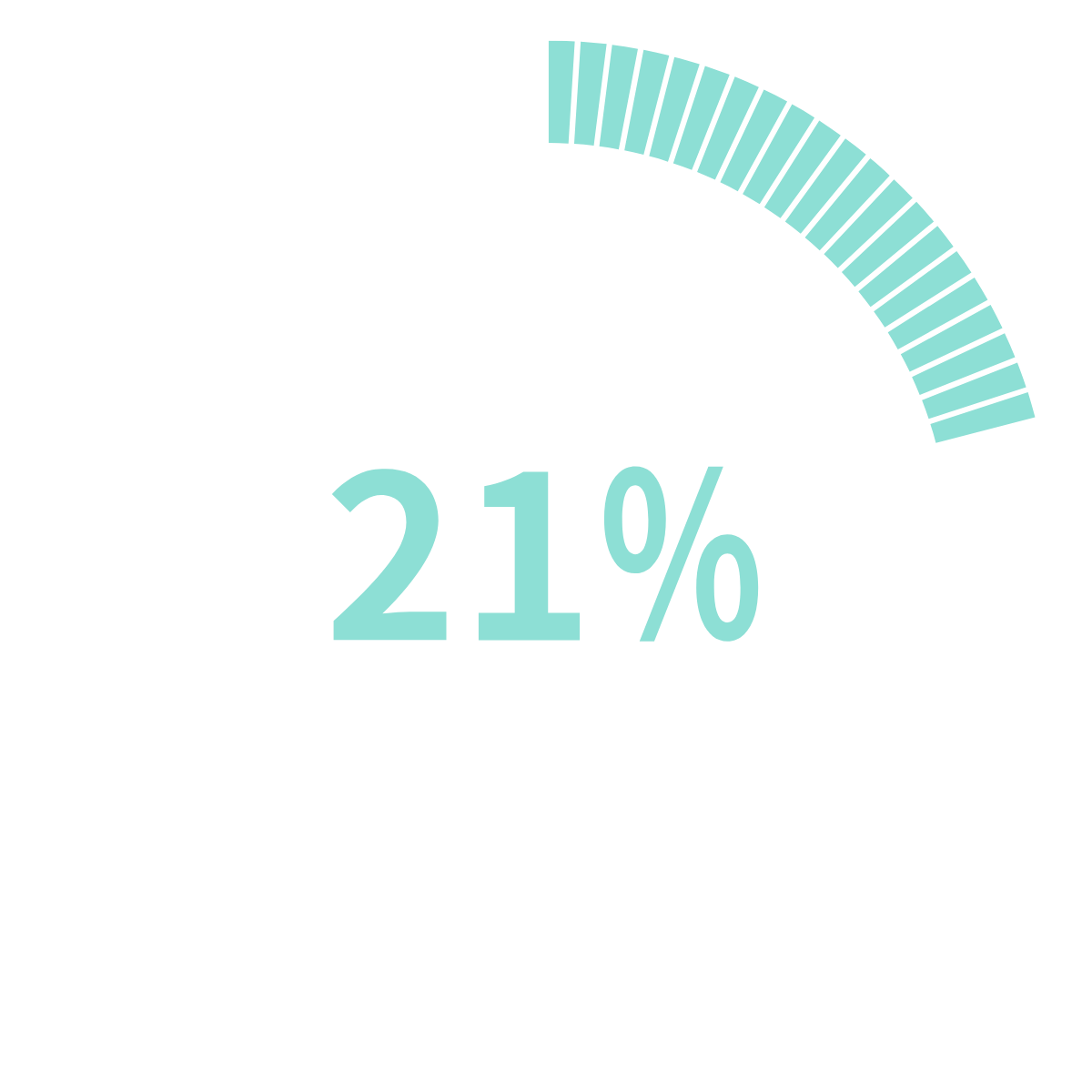
“Approximately 21% of U.S. adults experience chronic pain.”
Source: National Institutes of Health
What Causes Chronic Pain?
-
Chronic inflammation, reduced recovery capacity, stress, sleep disruption, and inactivity can all contribute to persistent pain symptoms. Pain may become more sensitive over time, even during everyday movements or low-level activity.
-
Osteoarthritis is one of the most common chronic joint conditions and develops when cartilage within the joint gradually wears down over time. Symptoms commonly include stiffness, aching, reduced mobility, and pain during movement or activity.
Common contributors include:
Aging and joint wear
Previous injuries
Repetitive stress
Sports participation
Reduced strength and stability
Limited mobility
Frequently affected areas:
Knees
Hips
Shoulders
Spine
-
Rheumatoid arthritis is an autoimmune condition that causes inflammation within the joints. Symptoms may include joint pain, swelling, stiffness, fatigue, and flare-ups that affect movement and daily activities.
Common challenges include:
Morning stiffness
Joint inflammation
Fatigue
Reduced endurance
Difficulty with prolonged activity
Muscle weakness from reduced movement
-
Repetitive movement, high training volume, and previous injuries can contribute to chronic irritation and long-term pain. Athletes and active individuals may continue experiencing symptoms when underlying mobility restrictions, weakness, or movement compensations are not fully addressed.
Common contributors include:
Weightlifting
Running
Throwing sports
Repetitive impact
Training overload
Poor recovery
-
Weakness, limited mobility, and compensation patterns can place ongoing stress on joints and soft tissues, contributing to chronic discomfort and recurring flare-ups. Over time, the body may adapt to pain through altered movement patterns that continue reinforcing symptoms.
Symptoms commonly worsen with:
Prolonged sitting
Inactivity
Repetitive movement
Poor posture
Reduced strength and conditioning
How Does Physical Therapy Help Chronic Pain?
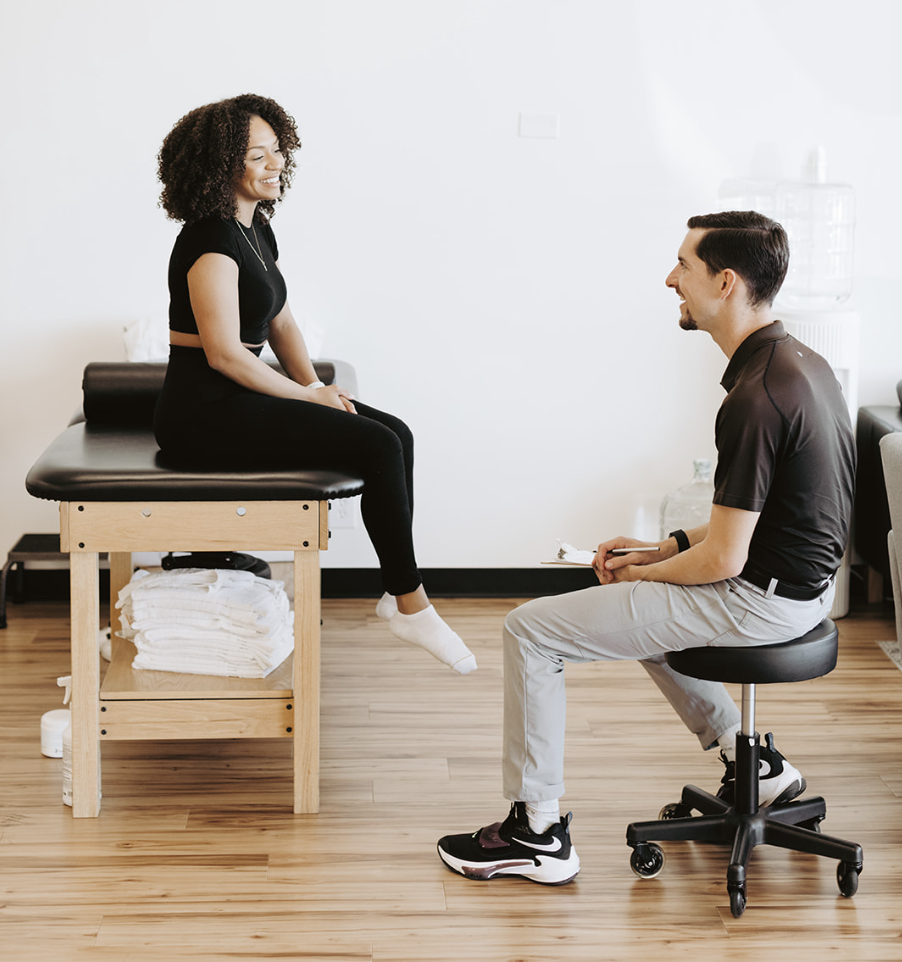
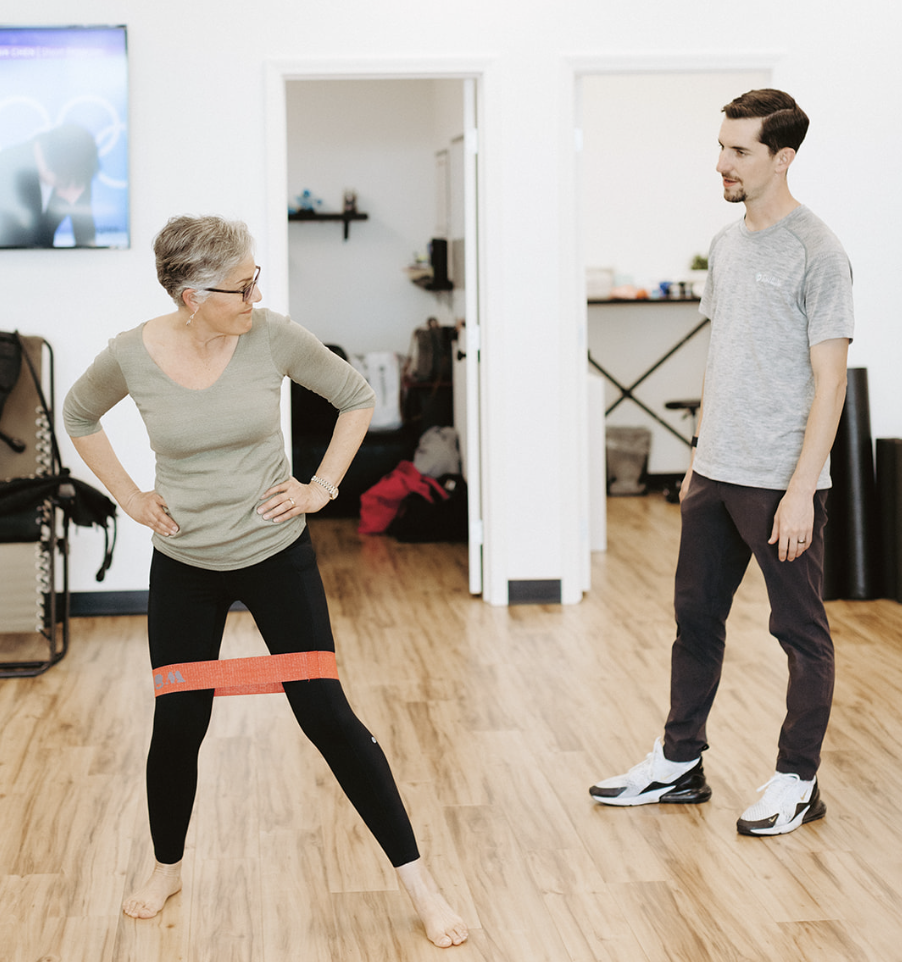
At Cuirim Sports Recovery, physical therapy focuses on improving strength, mobility, movement quality, and overall function while helping patients gradually return to activity with more confidence.
Treatment may include:
Movement assessments
Strength testing
Mobility work
Joint stabilization exercises
Progressive strengthening
Manual therapy
Recovery and load management strategies
Functional movement training
Return-to-activity programming
Your Next Steps
You don’t have to let chronic pain continue limiting your movement and quality of life. Addressing symptoms early and improving how your body moves can help reduce flare-ups, improve function, and keep you active long term.
03.
Attend Your First Visit
04.
Start Moving Pain-Free
Frequently Asked Questions
-
Yes. Physical therapy can help improve strength, mobility, joint function, and movement patterns while gradually reducing pain sensitivity and improving overall function.
-
In many cases, yes. Appropriate exercise and movement are often important parts of managing chronic pain conditions. A physical therapist can help guide safe progression based on your symptoms and goals.
-
Chronic pain lasts longer than expected healing timelines and may continue even after tissues have healed. Factors like inflammation, stress, movement patterns, and nervous system sensitivity can all contribute.
-
Yes. Physical therapy may help improve joint mobility, strength, stability, and function while reducing stiffness and improving tolerance to daily activities.