
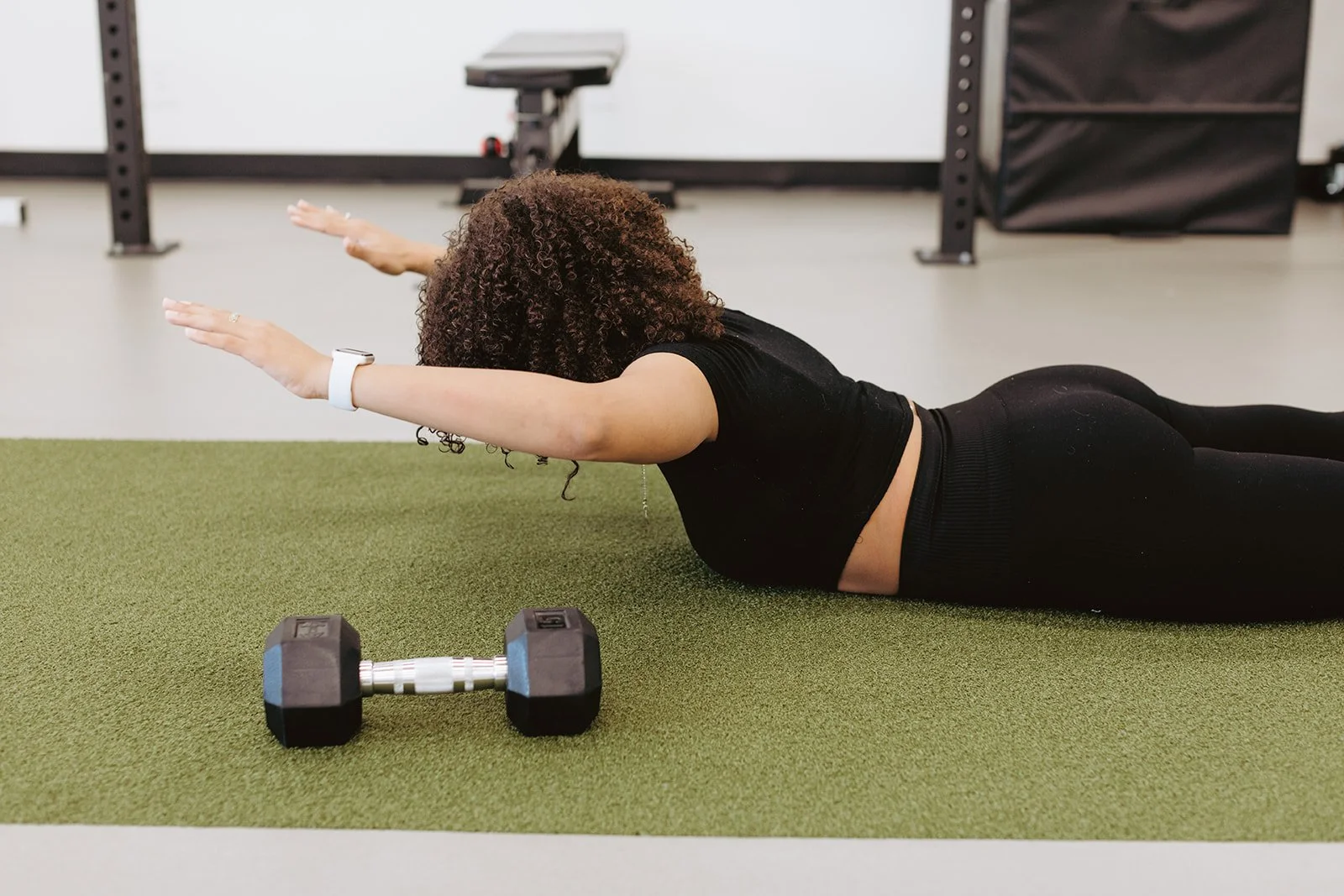
BACK PAIN
Why Does My Back Hurt?
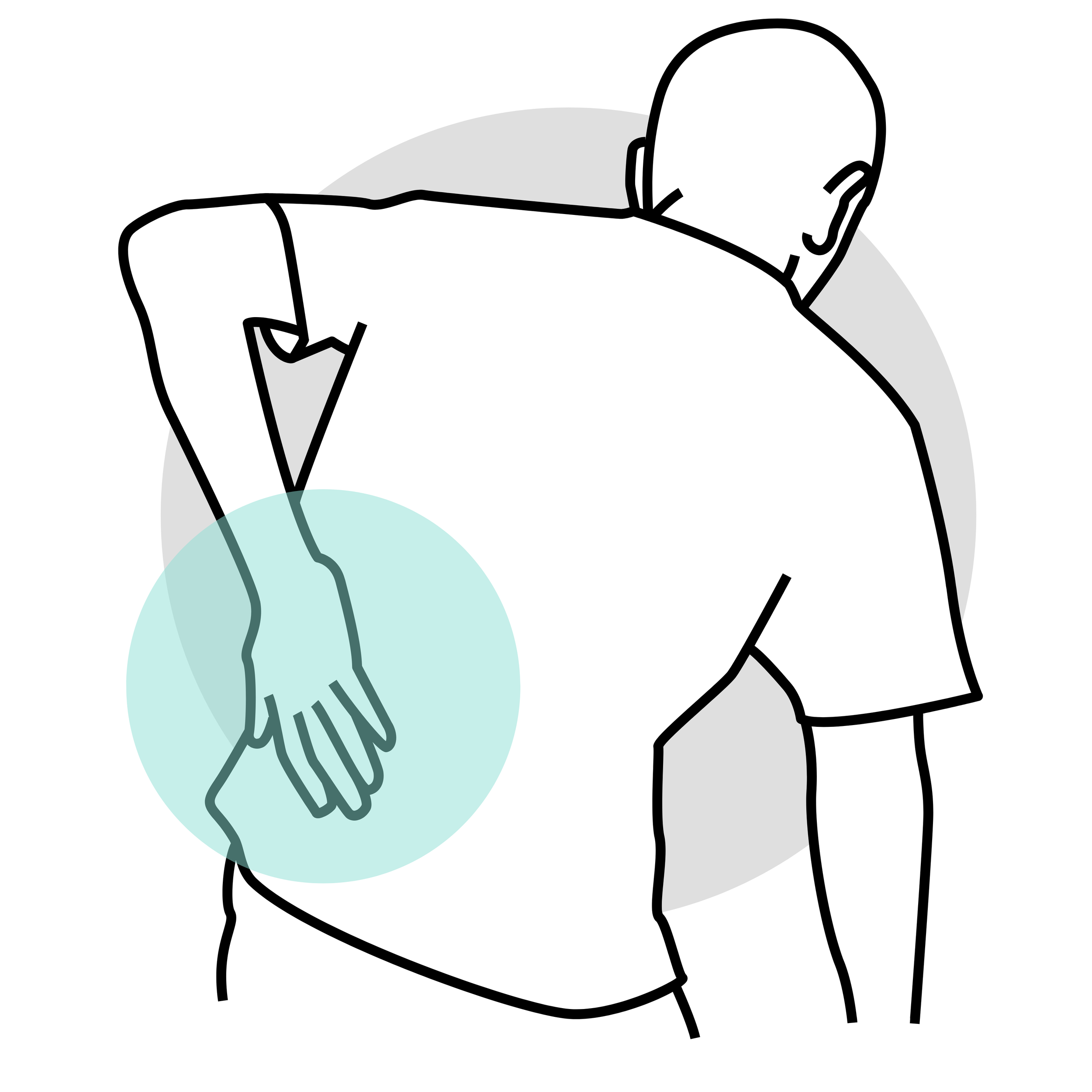
Back pain is one of the most common reasons people seek physical therapy. Back pain can develop in many different ways, whether that be suddenly from lifting something heavy, a quick twisting movement, an awkward bend, or gradually from poor posture, prolonged sitting, or repetitive movements.
In many cases back pain is caused by muscle imbalances, limited mobility, or weakness in the core. When the muscles and joints supporting your spine aren’t working together properly, even simple daily activities can begin to feel uncomfortable. Physical therapy focuses on identifying and addressing these underlying issues, helping you move better, reduce pain, and prevent it from coming back.
“Low back pain can affect people of any age, and most individuals will experience it at least once in their lifetime.”
Source: World Health Organization
Frequently Asked Questions
Answers to common questions about back pain, recovery, and care at our clinic.
-
You should consider seeing a physical therapist as soon as your back pain starts interfering with your daily activities, sleep, or ability to move comfortably. You don’t need to wait for the pain to become severe. In fact, addressing it early often leads to faster recovery and helps prevent it from becoming a long-term issue.
Click here to learn more about when is the best time to start physical therapy.
-
Yes, it can. Back pain, especially in the lower back, can sometimes irritate nearby nerves, such as the sciatic nerve. This may cause symptoms like pain, tingling, or numbness that travels into the hip, leg, or even the foot. This is commonly referred to as sciatica and is something physical therapy can often help improve.
-
Recovery time varies depending on the cause and how long you’ve been dealing with the issue. Some people begin to feel better within a few weeks, while others may need a longer plan to fully resolve the problem. The goal of physical therapy is not just short-term relief, but long-term improvement, so the pain doesn’t keep coming back.
-
The most effective stretches depend on the cause of your back pain. Commonly helpful movements may include gentle spinal mobility exercises, hamstring stretches, and hip flexor stretches. However, performing the wrong stretches can sometimes exacerbate symptoms, which is why a personalized plan from a physical therapist is the best approach.
Your Next Steps
You don’t have to wait for your back pain to get worse to start physical therapy. Taking action now can help you recover faster and avoid long-term issues.
03.
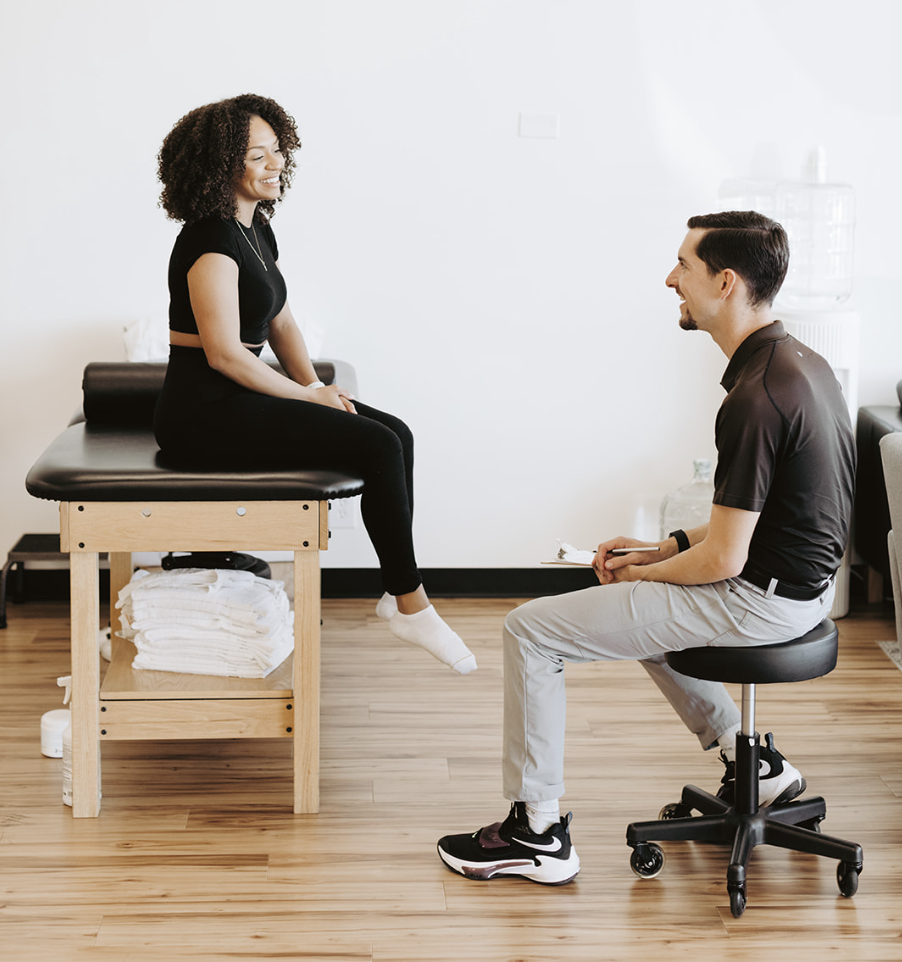
Attend Your First Visit

04.
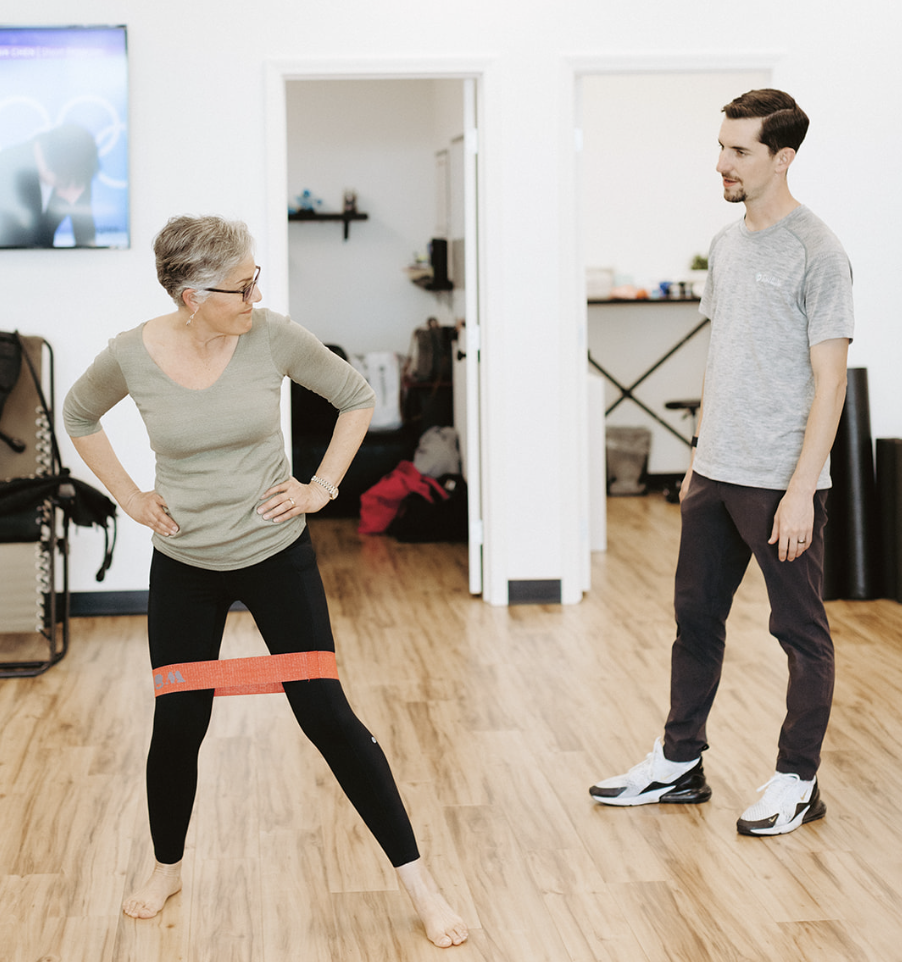
Start Moving Pain-Free