

ELBOW, WRIST & HAND PAIN
Dealing with Elbow, Wrist, or Hand Pain?
Pain in the elbow, wrist, or hand can make even the simplest tasks feel frustrating and limiting. Whether you’re lifting weights, working at a desk, or just going about your daily routine, discomfort in these areas can quickly affect your ability to perform and stay active.
At Cuirim Sports Recovery in Costa Mesa, we work with athletes and individuals of all activity levels across Orange County to address upper extremity pain at its source, helping you restore strength, improve movement, and return to your daily activities or training without limitations.
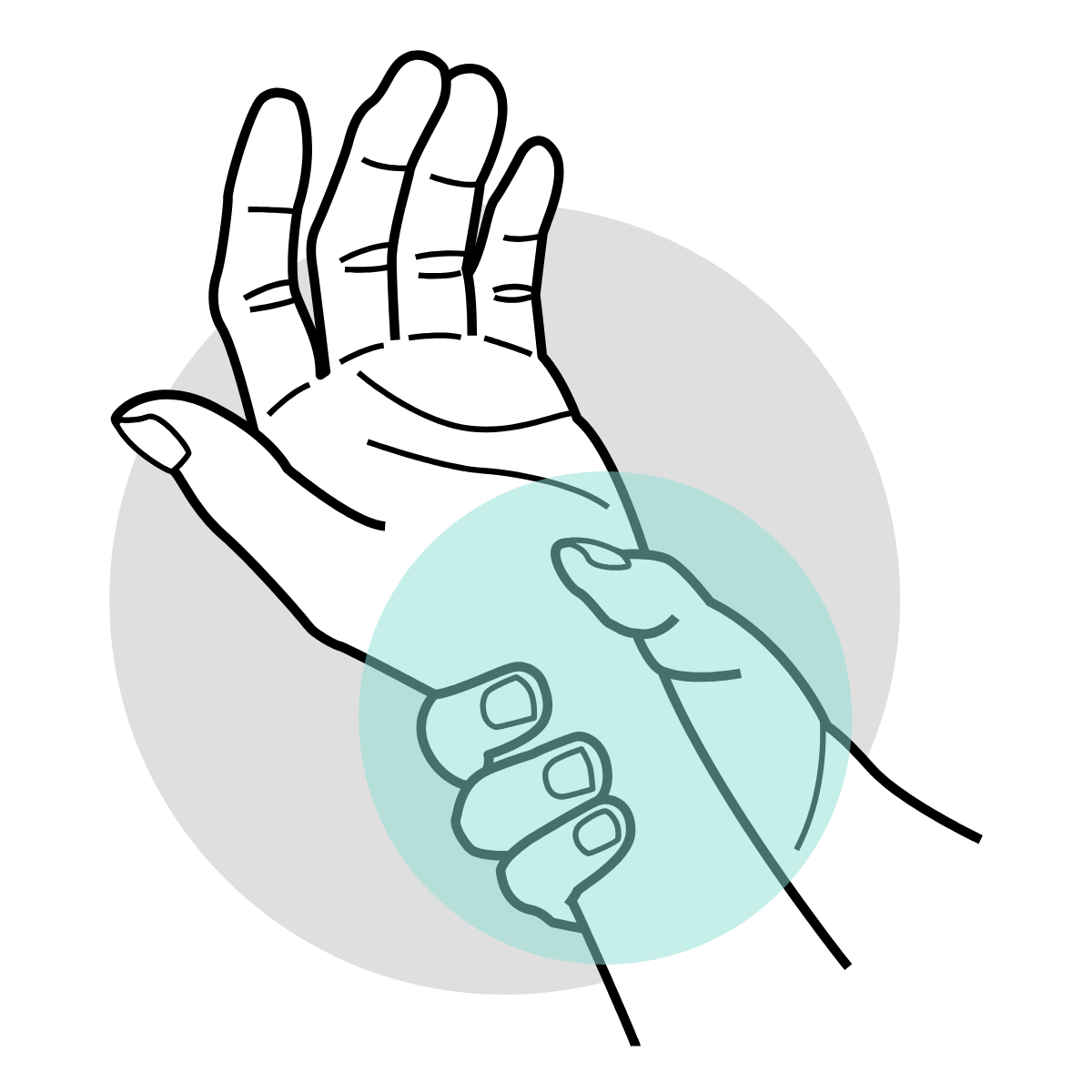
“Wrist pain is highly prevalent in groups who partake in physically demanding activities from day to day such as manual labourers and sportspeople.”
Source: National Library of Medicine
What’s Causing My Elbow, Wrist, or Hand Pain?
Pain in the elbow, wrist, or hand often develops from repetitive stress, overuse, or poor movement patterns over time. Activities like lifting, throwing, typing, or manual work can place consistent strain on these joints and surrounding tissues, eventually leading to irritation or discomfort.
In many cases, the issue isn’t isolated to the area where you feel pain. Limited mobility or weakness in the shoulder and upper back can change how force is transferred down the arm, increasing stress on smaller joints like the elbow and wrist. Without addressing these contributing factors, symptoms can persist or continue to return.
By evaluating both the local area and the way your body moves as a whole, we help identify the root cause of your pain and build a plan that supports long-term recovery and performance.
-
Tennis elbow (lateral epicondylitis)
Golfer’s elbow (medial epicondylitis)
Elbow tendon irritation from lifting or throwing
UCL (ulnar collateral ligament) strain (common in throwing athletes)
Elbow stiffness or loss of range of motion
-
Wrist sprains and ligament irritation
Carpal tunnel syndrome
TFCC (triangular fibrocartilage complex) irritation
Wrist instability or weakness
Pain with weight-bearing (push-ups, planks, lifting)
-
Tendonitis in the hand or fingers
Trigger finger
Grip strength deficits
Joint stiffness or swelling
Overuse injuries from typing or repetitive tasks

Your Next Steps
You don’t have to keep working or training through pain. Addressing it early can prevent it from becoming chronic.
03.
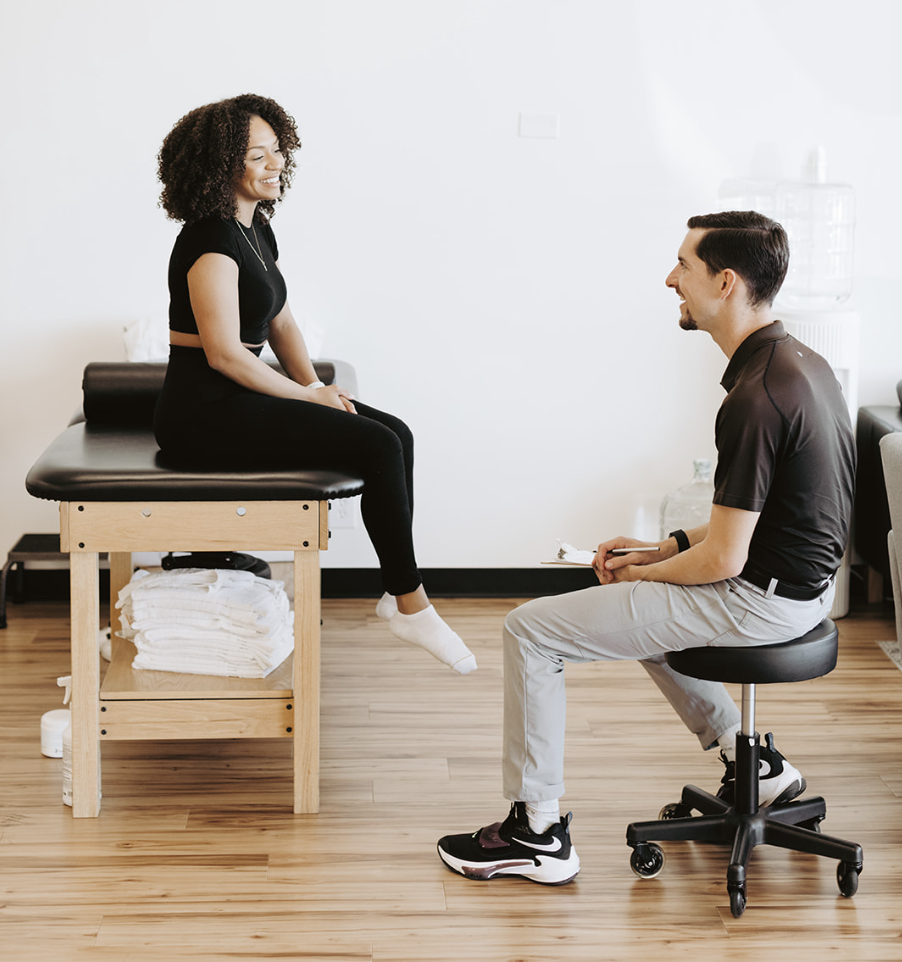
Attend Your First Visit
04.
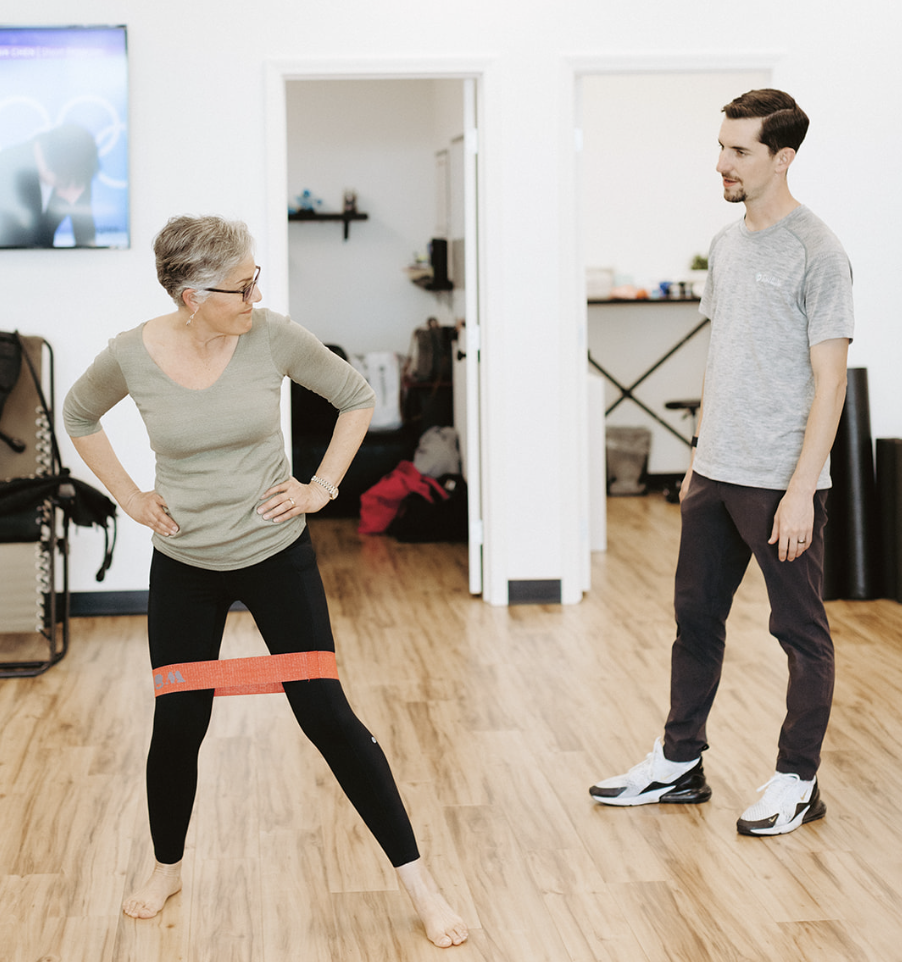
Start Moving Pain-Free
Frequently Asked Questions
-
Pain with gripping or lifting is commonly related to tendon irritation, such as tennis elbow. These conditions develop over time when the tendons are repeatedly loaded without enough recovery, leading to sensitivity and decreased strength.
-
Yes, limitations or weakness in the shoulder and upper back can affect how force is transferred down the arm. When larger joints aren’t doing their job, smaller areas like the wrist and hand often take on more stress, which can lead to irritation over time.
-
The most effective approach focuses on gradually improving strength, load tolerance, and movement mechanics rather than just resting. A structured program can help reduce pain while rebuilding resilience in the affected tendons.
You can follow our guided exercise rehab routine for pickle/tennis elbow here!
-
If your pain is persistent, worsening, or affecting your ability to grip, lift, or perform daily tasks, it’s a good idea to have it evaluated. Addressing the issue early can help prevent it from becoming a longer-term limitation.