
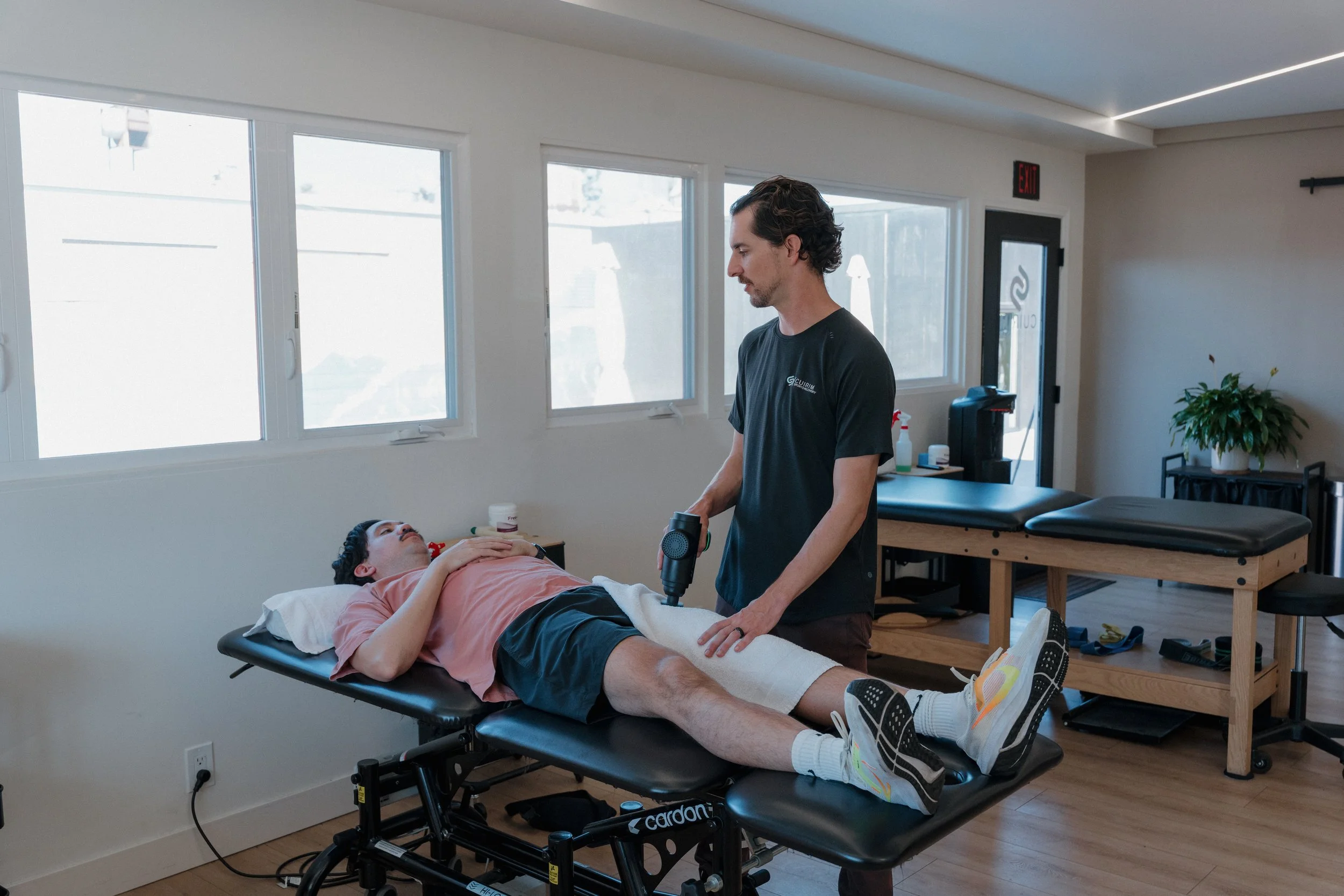
physical therapy for hip PAIN IN COSTA MESA
Hip pain can make everyday movements difficult, but at Cuirim Sports Recovery, we help active individuals identify the root cause of their symptoms and restore pain-free movement through personalized treatment and rehabilitation.
HIP PAIN
How we can Help
How Can Physical Therapy Help Hip Pain?
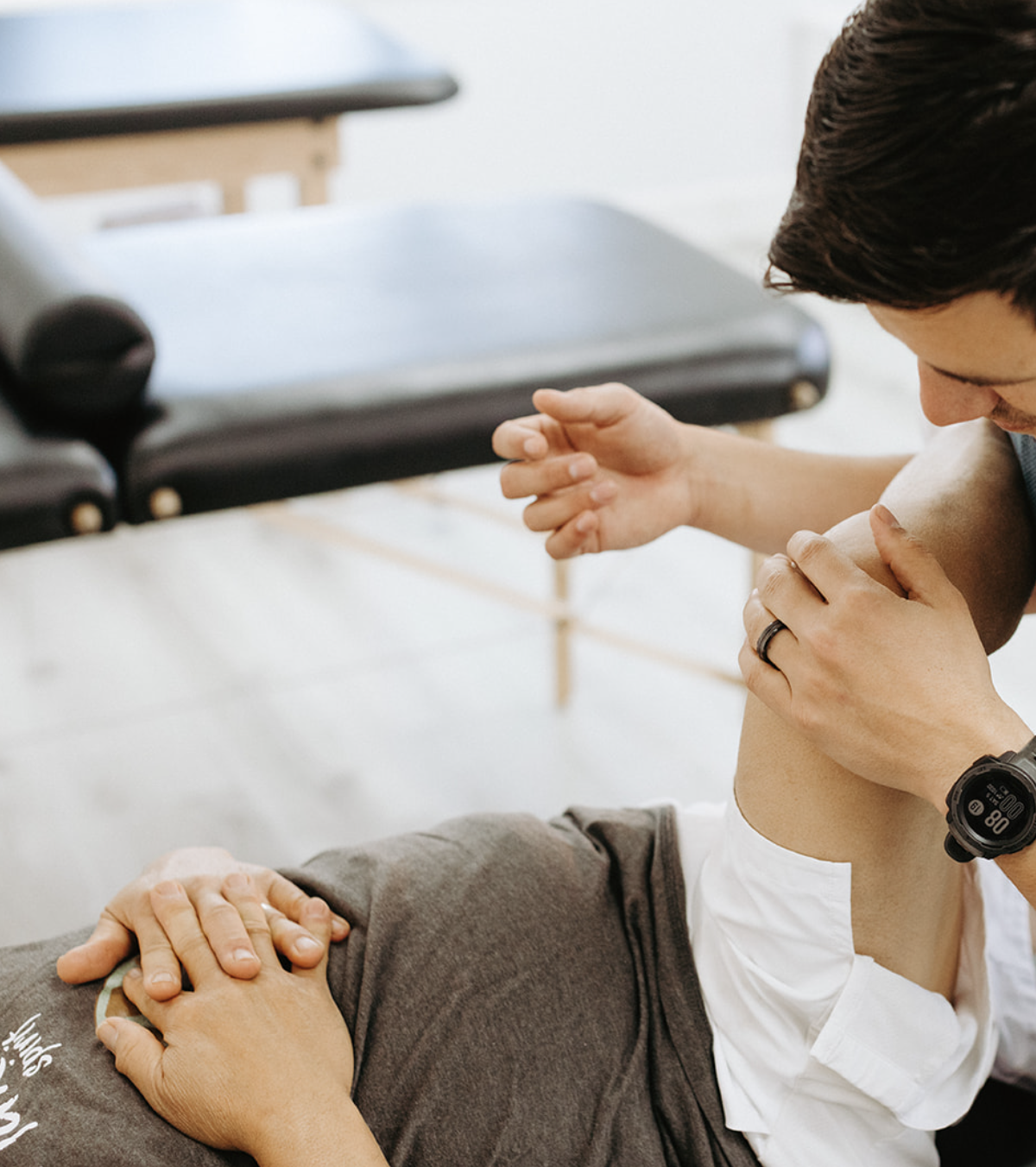
Physical therapy can help reduce hip pain, improve mobility, restore strength, and get you back to the activities that matter most. At Cuirim Sports Recovery, we work with active adults, runners, rotational athletes, older adults, and post-operative patients experiencing hip pain.
Every patient is different, so we perform a comprehensive evaluation to identify the strength deficits, mobility restrictions, movement impairments, and biomechanical factors contributing to your pain, allowing us to create a personalized treatment plan for lasting recovery.
The key metrics we track include hip range of motion, lower extremity strength symmetry, glute strength, single-leg stability, load tolerance, and overall movement quality. These measurements help us identify limitations, guide treatment decisions, and objectively monitor your progress throughout rehabilitation and return to work, sport, and everyday activities.
How We can Help
Our Approach to Hip Pain Relief
-
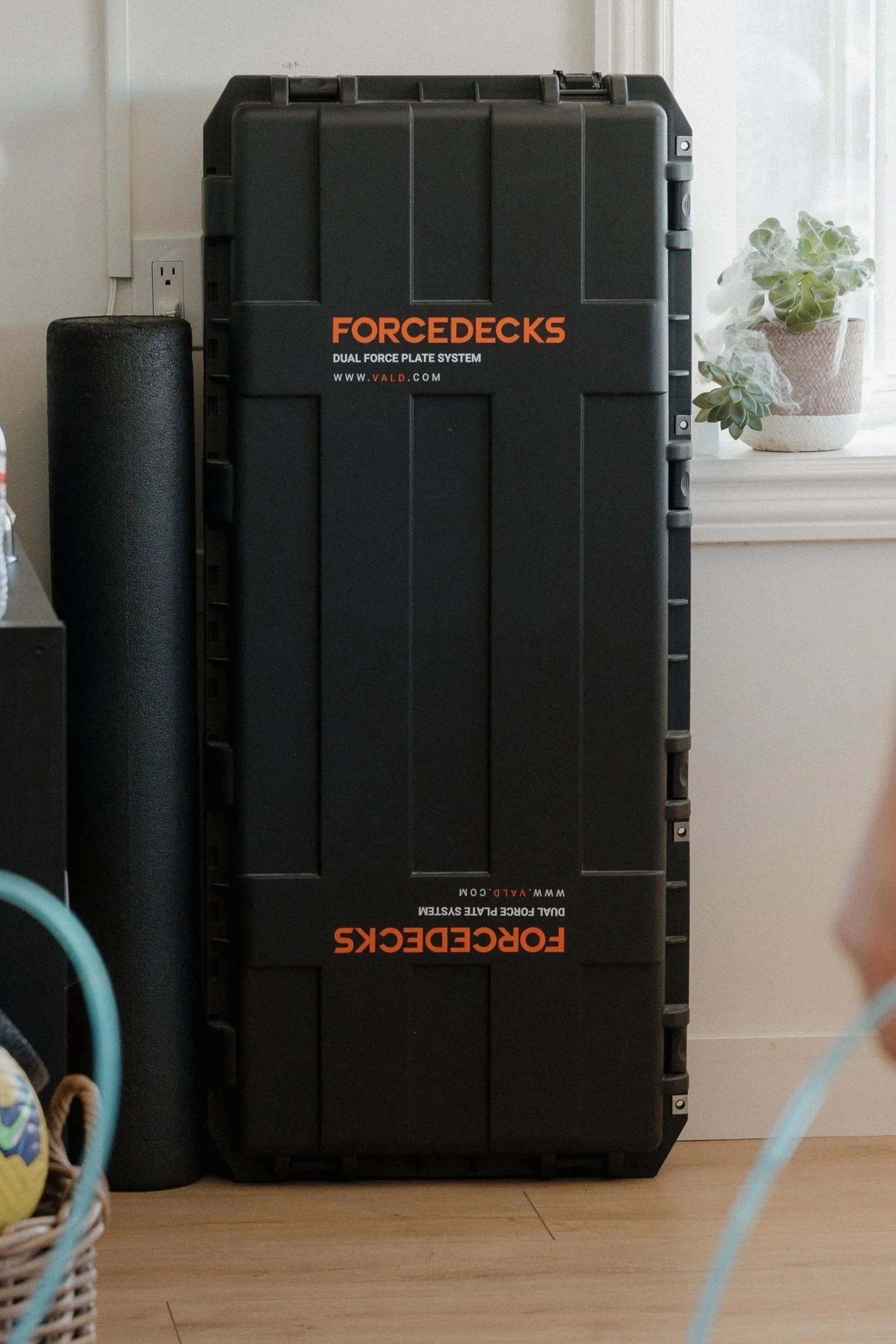
![VALD FORCE DECKS]()
VALD FORCE DECKS
To assess lower extremity strength, force production, weight distribution, balance, and side-to-side asymmetries that may contribute to hip pain or limit performance. Objective testing helps guide treatment and monitor progress throughout rehabilitation.
-
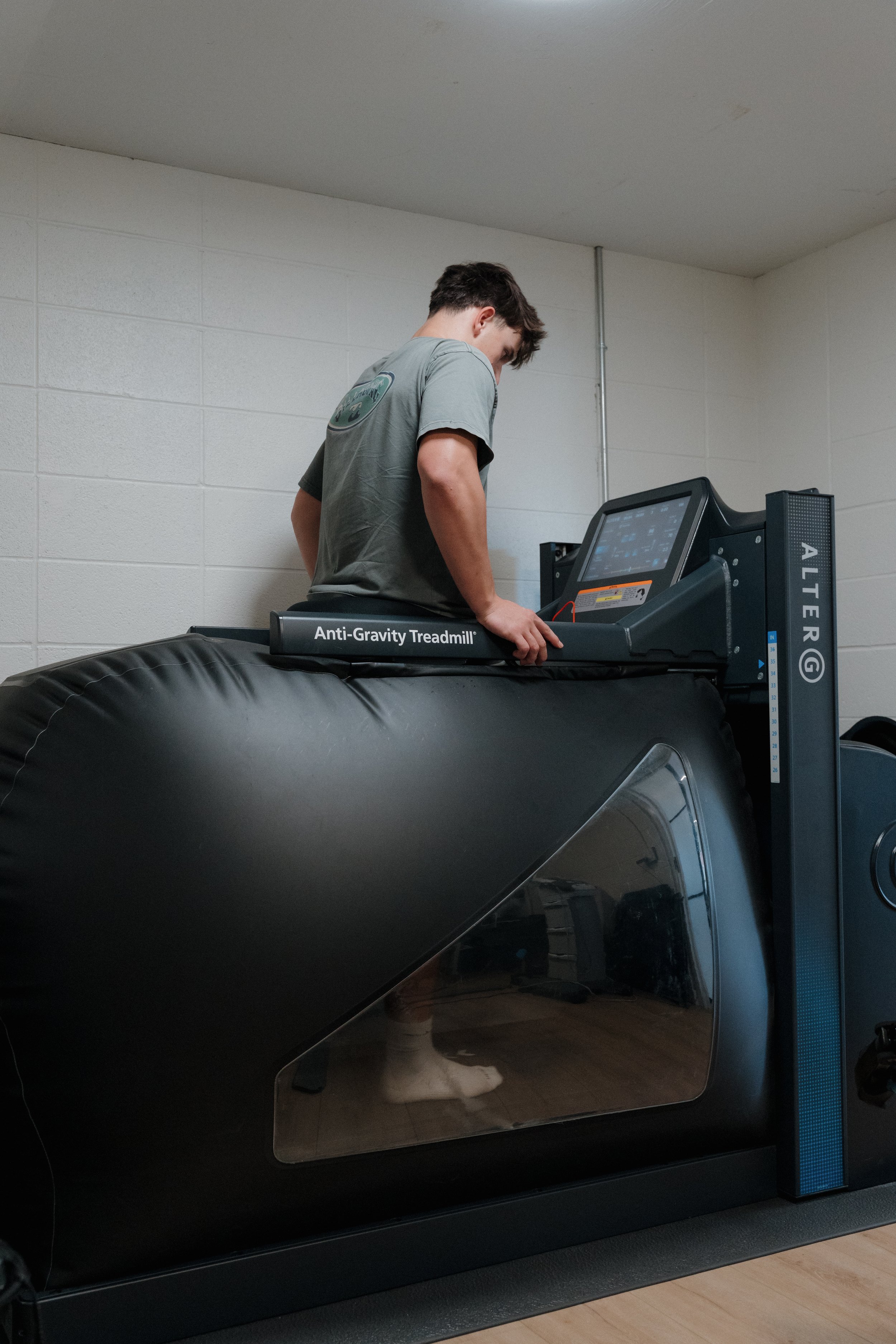
![AlterG Anti-Gravity Treadmill]()
ALTERG ANTI-GRAVITY TREADMILL
To reduce load through the hip while allowing patients to walk, jog, or run with less pain, making it ideal for returning to activity after injury, surgery, or prolonged pain.
-
![Cupping Therapy]()
CUPPING THERAPY
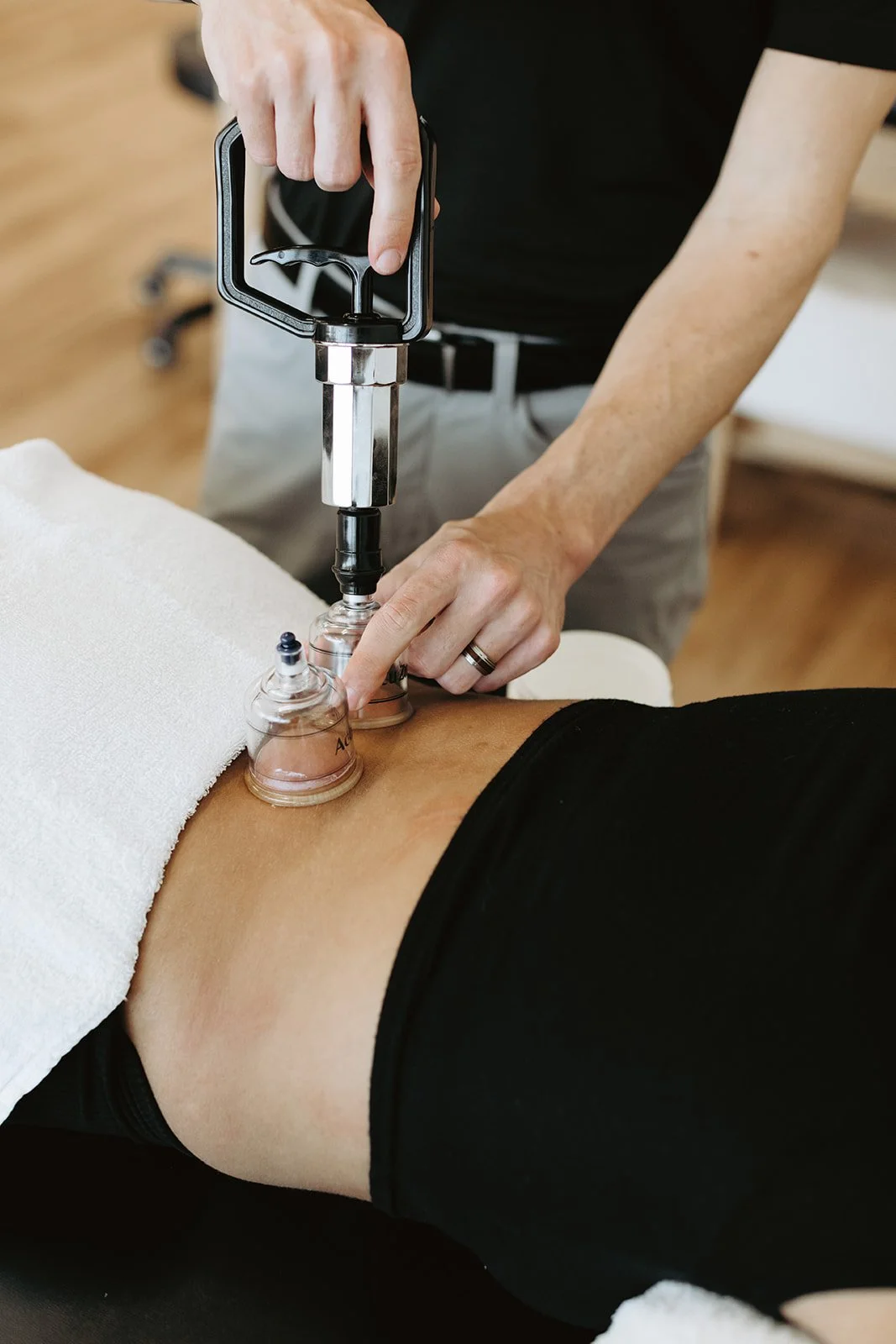
To reduce muscle tension, improve circulation, relieve pain, and improve mobility throughout the hip, glutes, and surrounding musculature.
-
![Blood Flow Restriction (BFR)]()
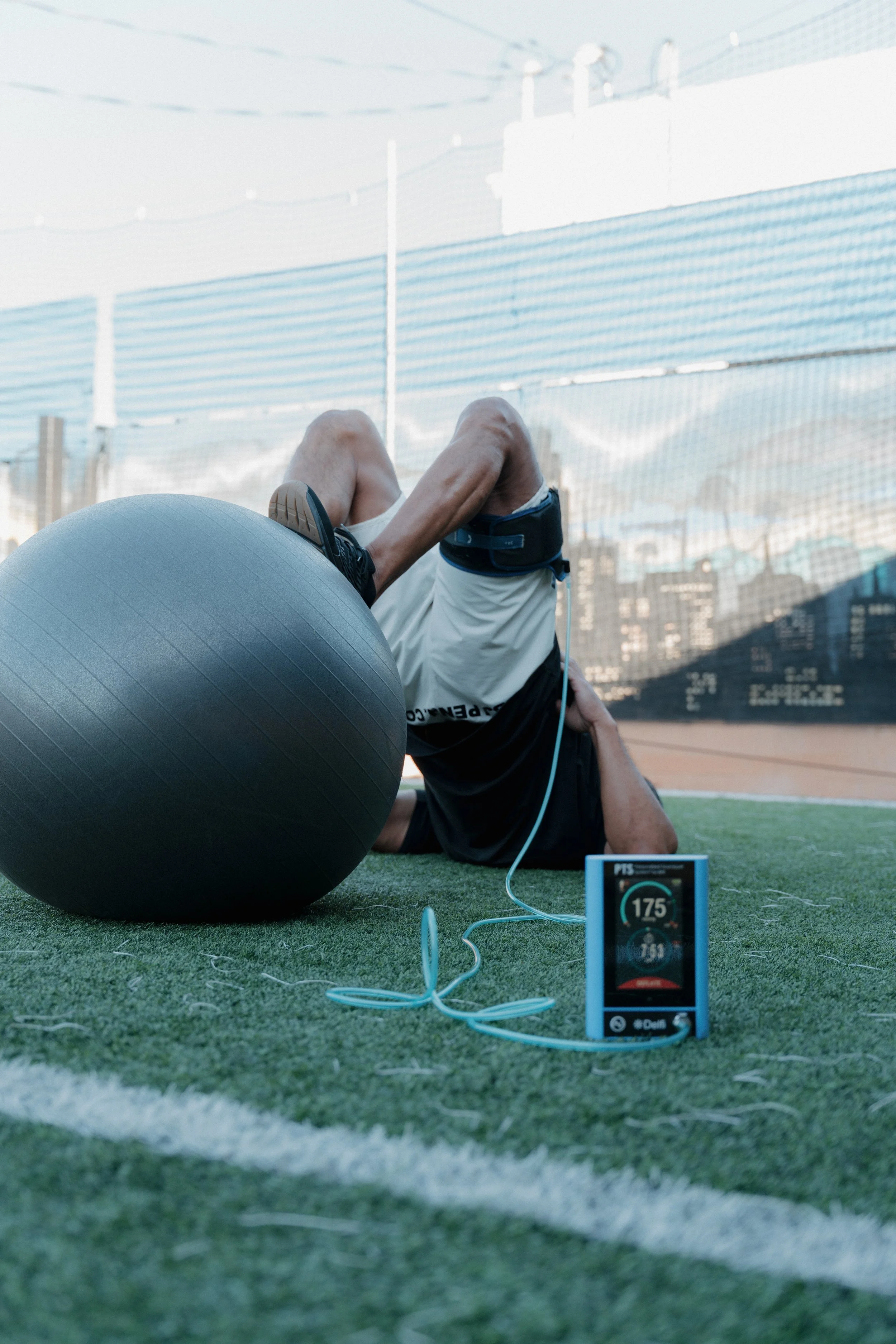
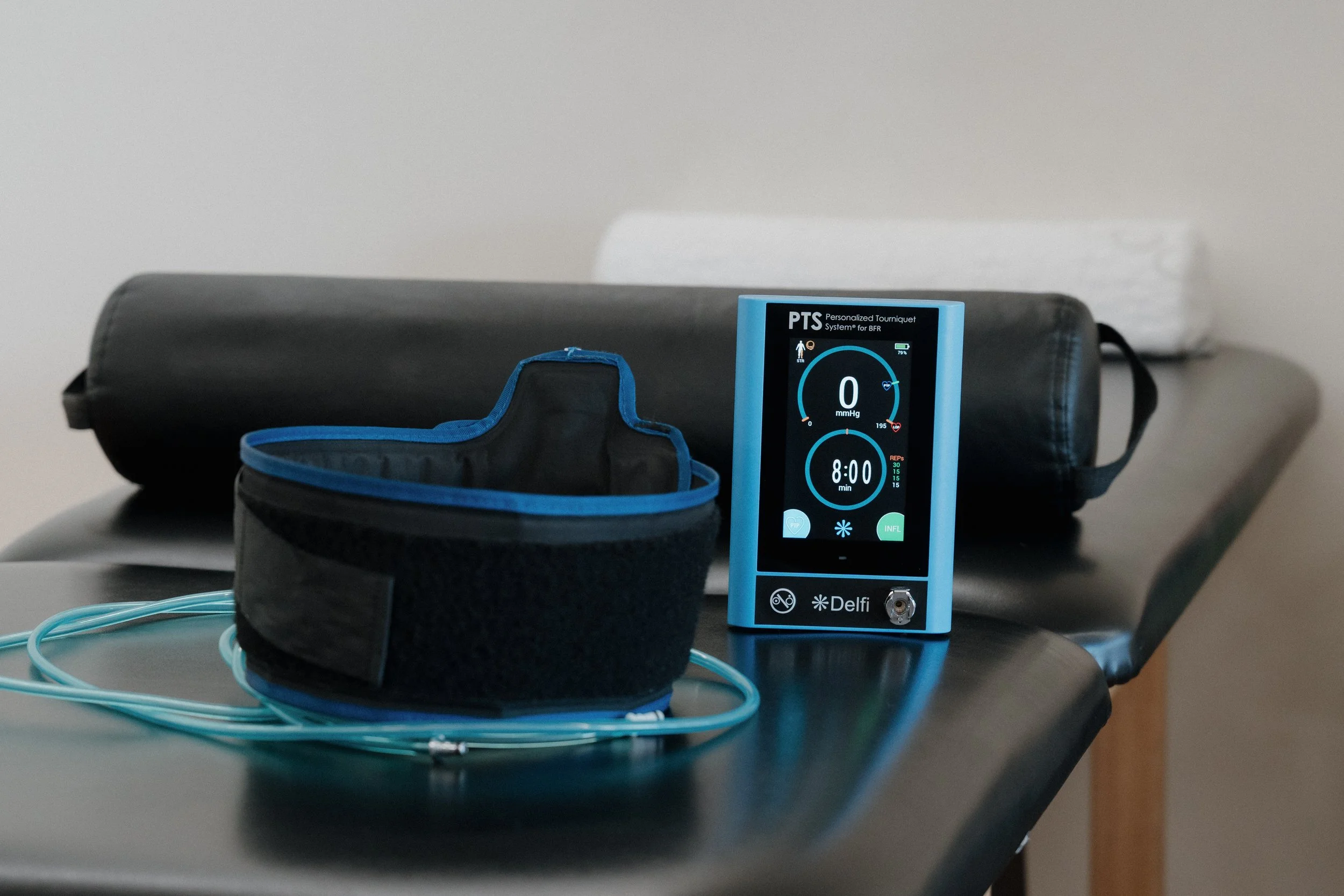
BLOOD FLOW RESTRICTION (BFR)
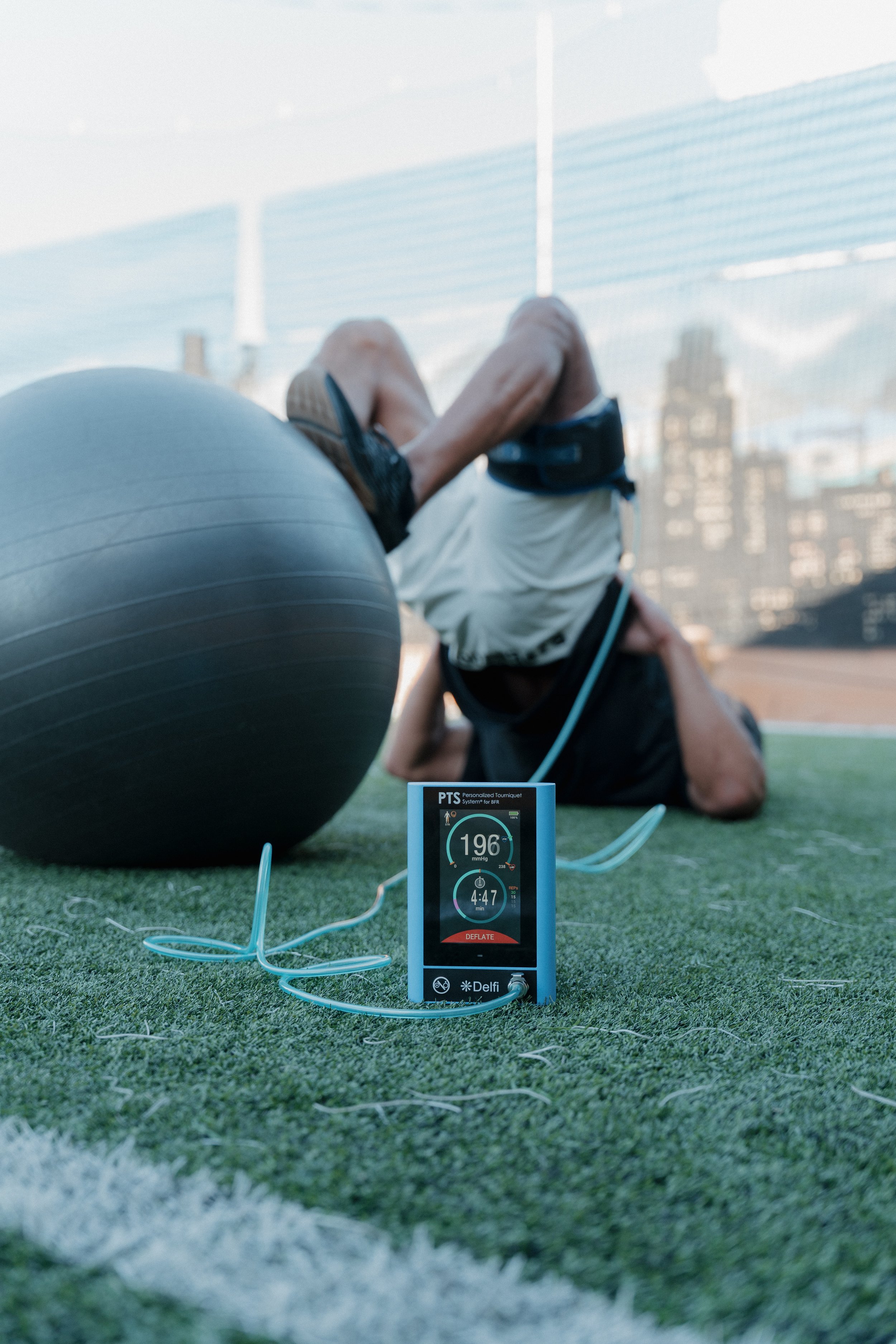
To improve hip and lower extremity strength using lighter loads, helping patients build muscle and restore function when pain or surgical precautions limit traditional strengthening exercises.
-
![Manual Therapy]()
HANDS-ON MANUAL THERAPY
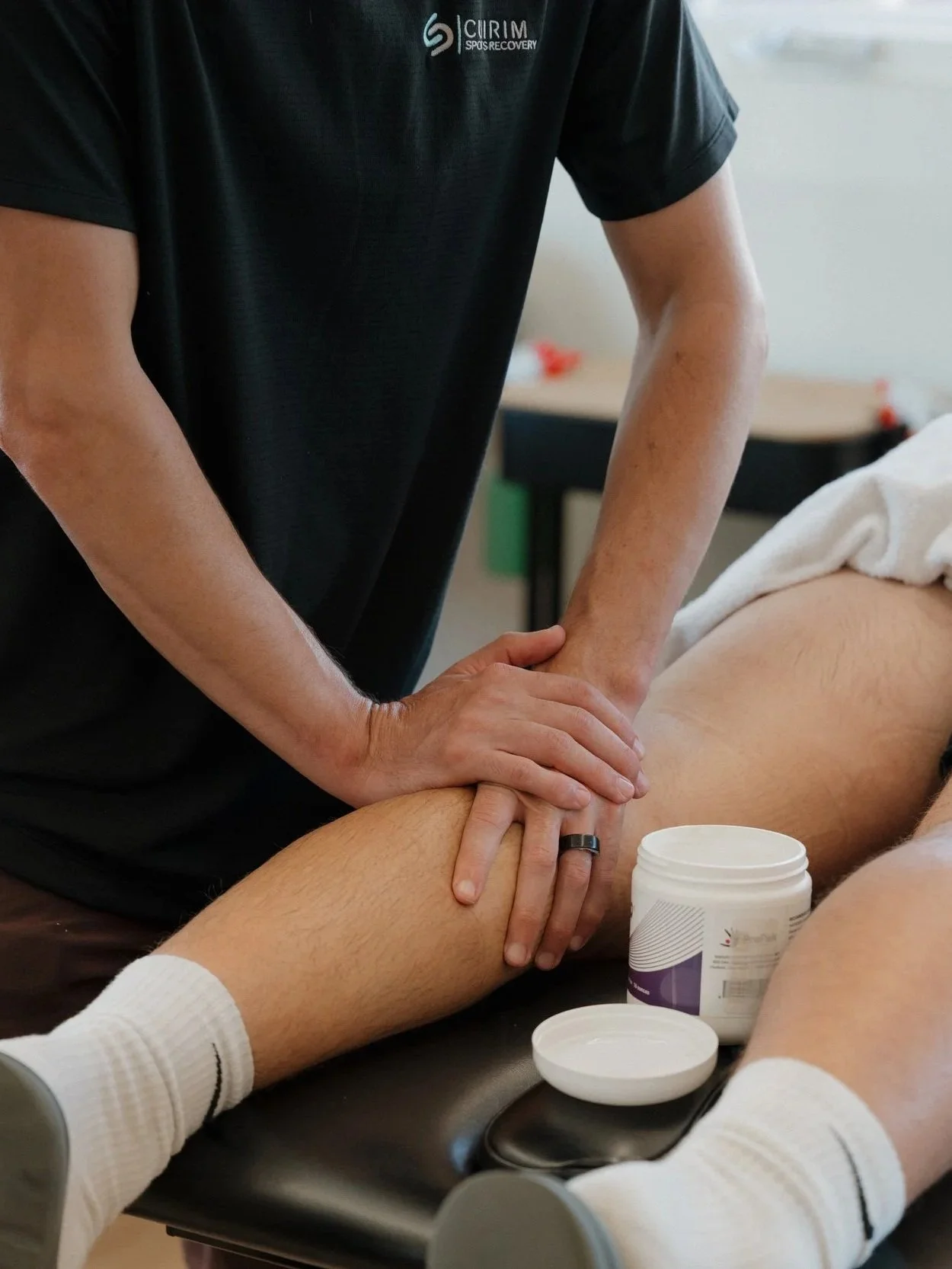
Including joint mobilization, soft tissue mobilization, stretching, and other skilled techniques to improve hip mobility, reduce pain and stiffness, and restore normal movement.
-
![Gait Analysis]()
GAIT ANALYSIS
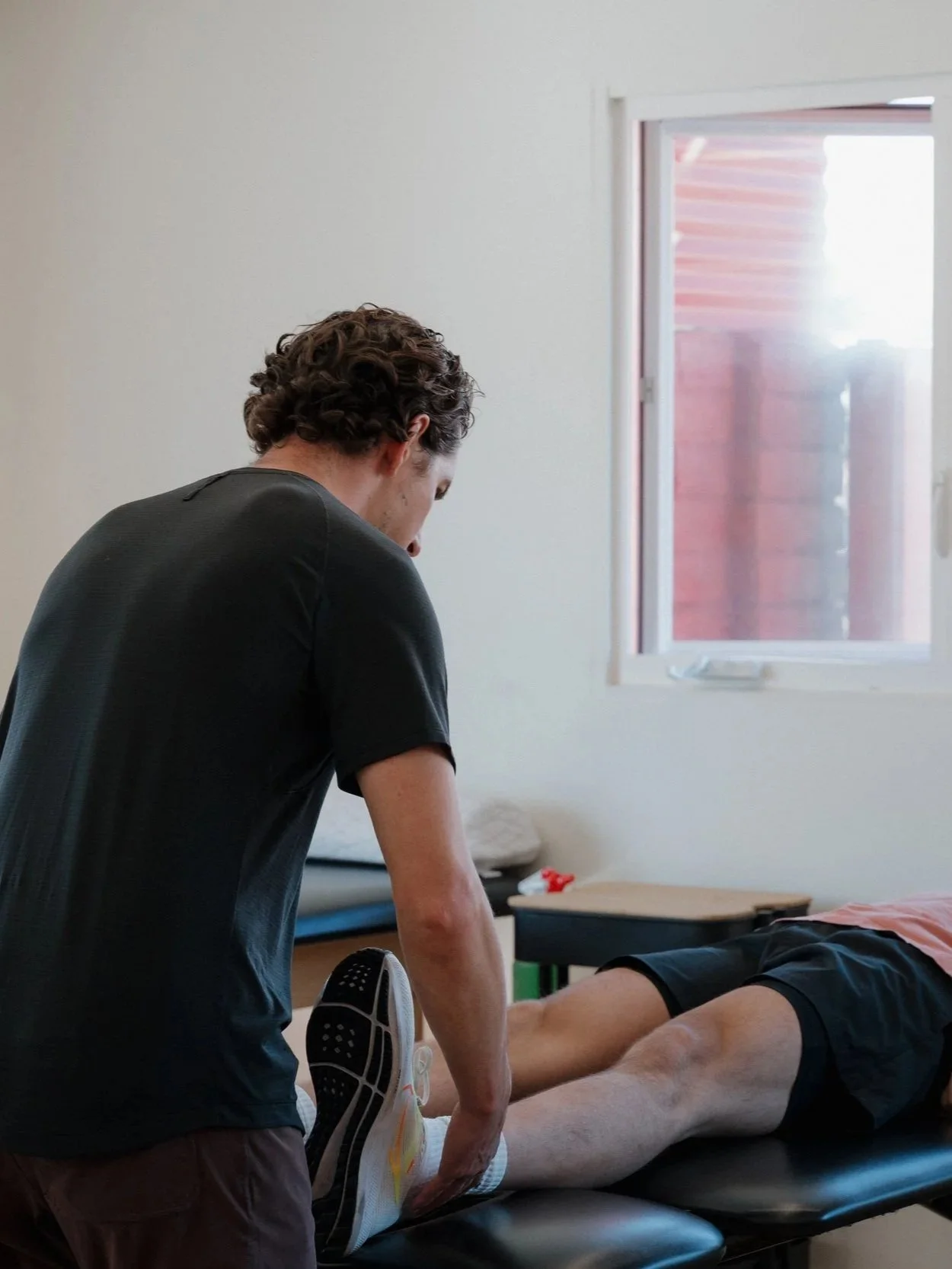
To evaluate walking and running mechanics, identify movement patterns contributing to hip pain, improve efficiency, reduce stress on the hip, and support a safe return to sport and everyday activities.
-
![Shockwave Therapy]()
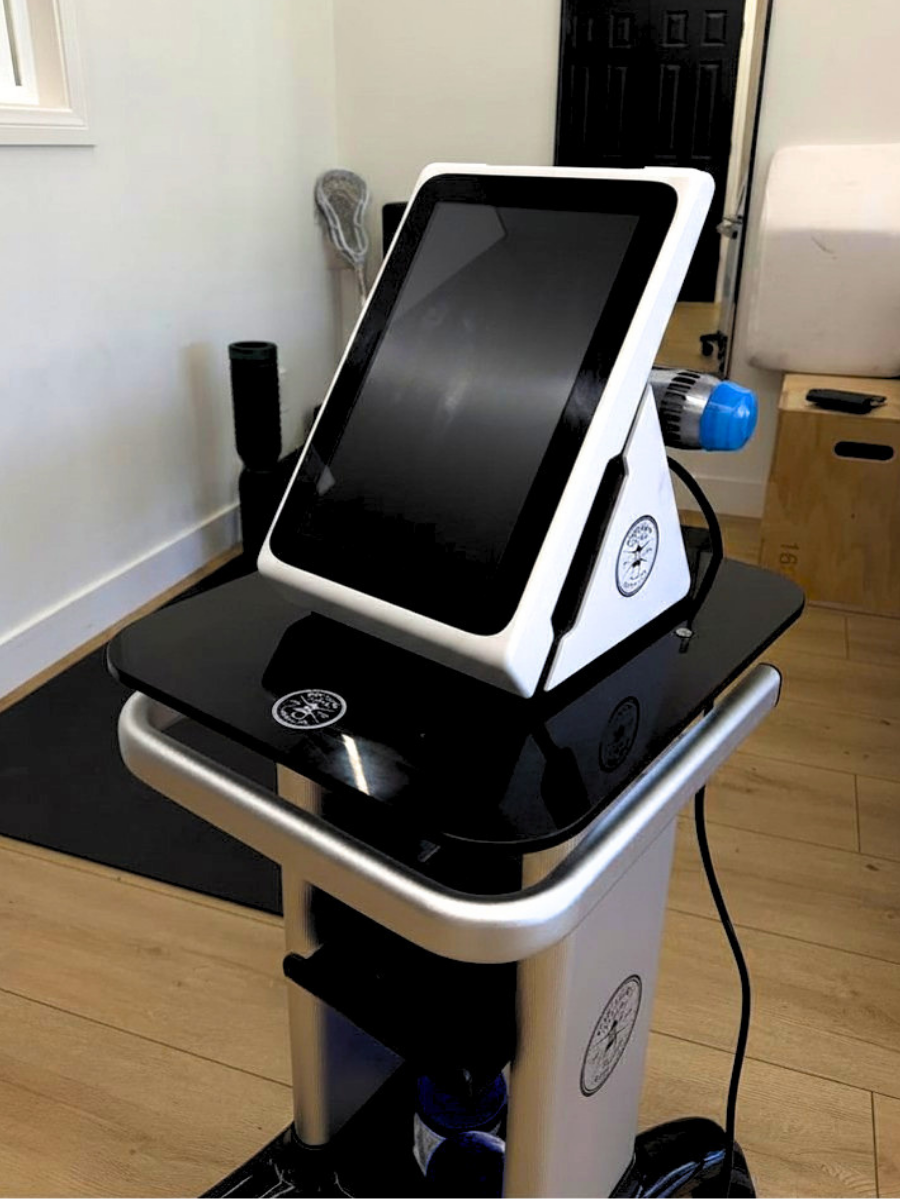
SHOCKWAVE THERAPY
To stimulate healing, improve blood flow, and reduce pain associated with chronic tendon and soft tissue conditions affecting the hip and gluteal region.
-
![Personalized Rehab Program]()
PERSONALIZED REHAB PROGRAM
Tailored to your specific diagnosis, goals, and activity level to improve hip mobility, restore glute and lower extremity strength, improve balance and movement mechanics, reduce pain, and help you safely return to walking, running, lifting, sports, and everyday activities.
-
![Graston (IASTM)]()
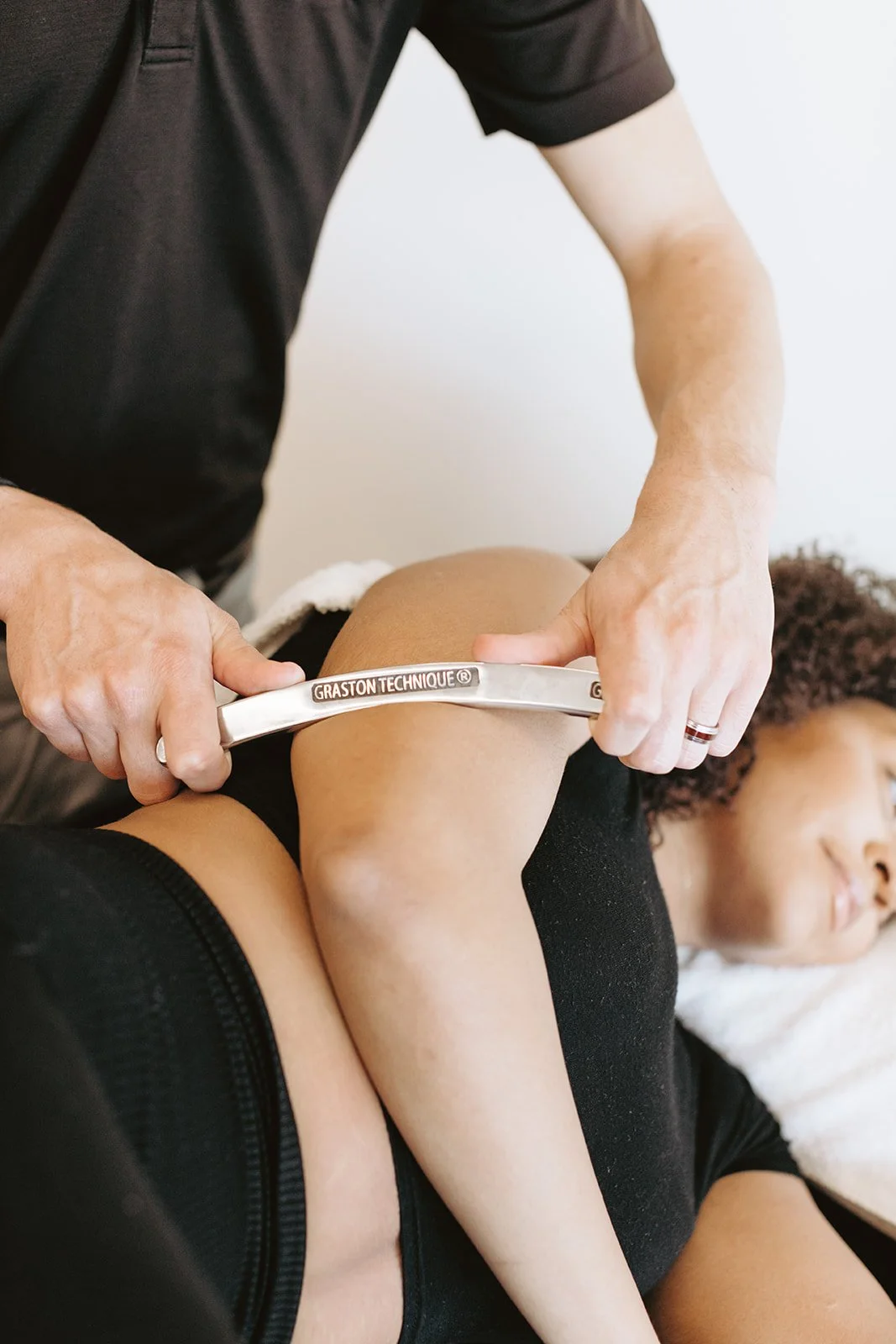
GRASTON (IASTM)
To address soft tissue restrictions, improve tissue mobility, reduce scar tissue, and restore normal movement around the hip and pelvis.

“Hip labral tears can happen to anyone, but most often affect athletes who participate in high-impact sports.”
Source: John Hopkins Medicine
Common causes
Why Does My Hip Hurt?
Hip pain can develop from muscle imbalances, mobility restrictions, joint irritation, or other conditions, often placing increased stress on the hip over time and affecting both daily activities and athletic performance.
-
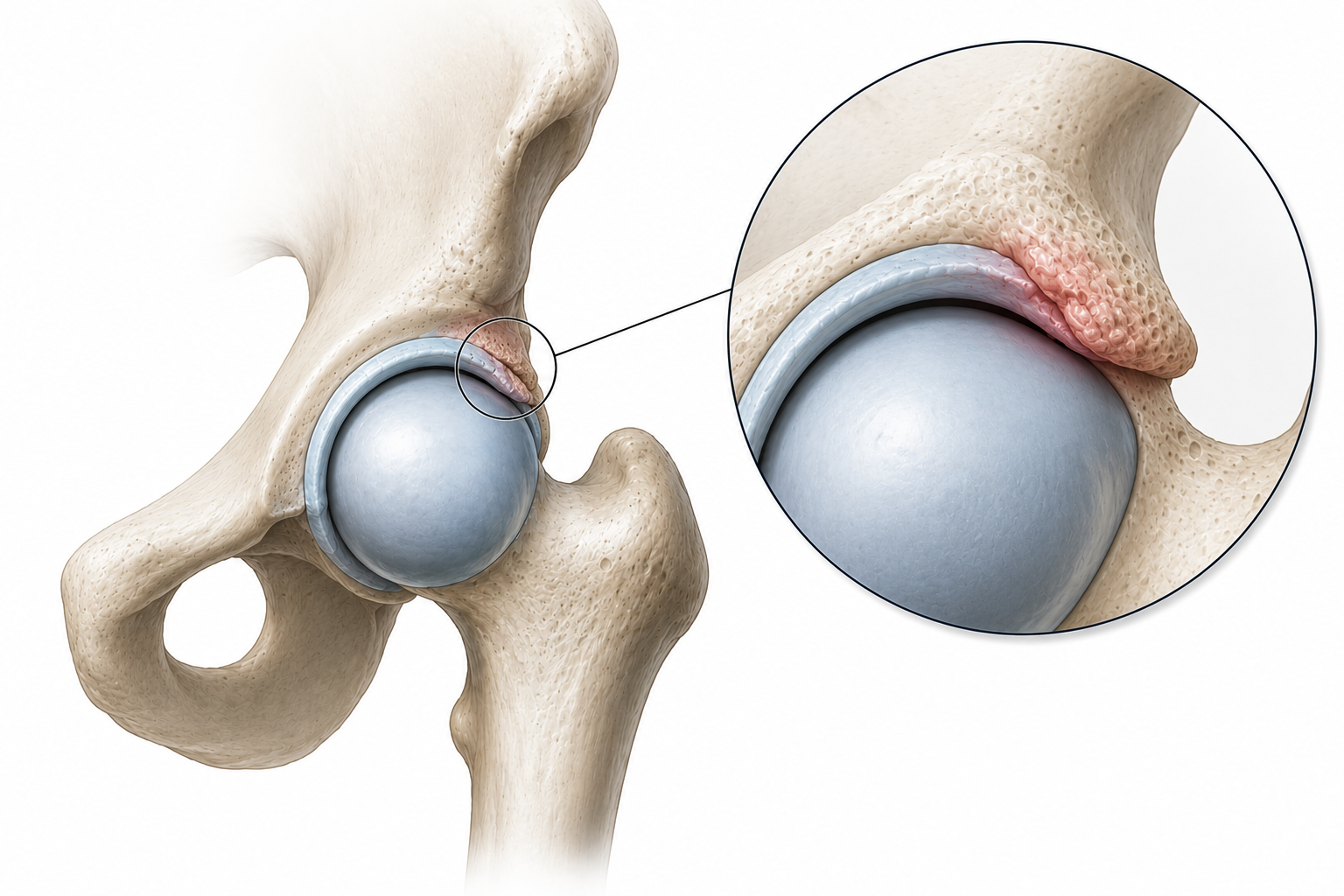
![Hip Impingement (FAI)]()
HIP IMINGEMENT (FAI)
The bones of the hip pinch against each other during movement, causing pain or stiffness with activities like squatting, sitting, or twisting.
-
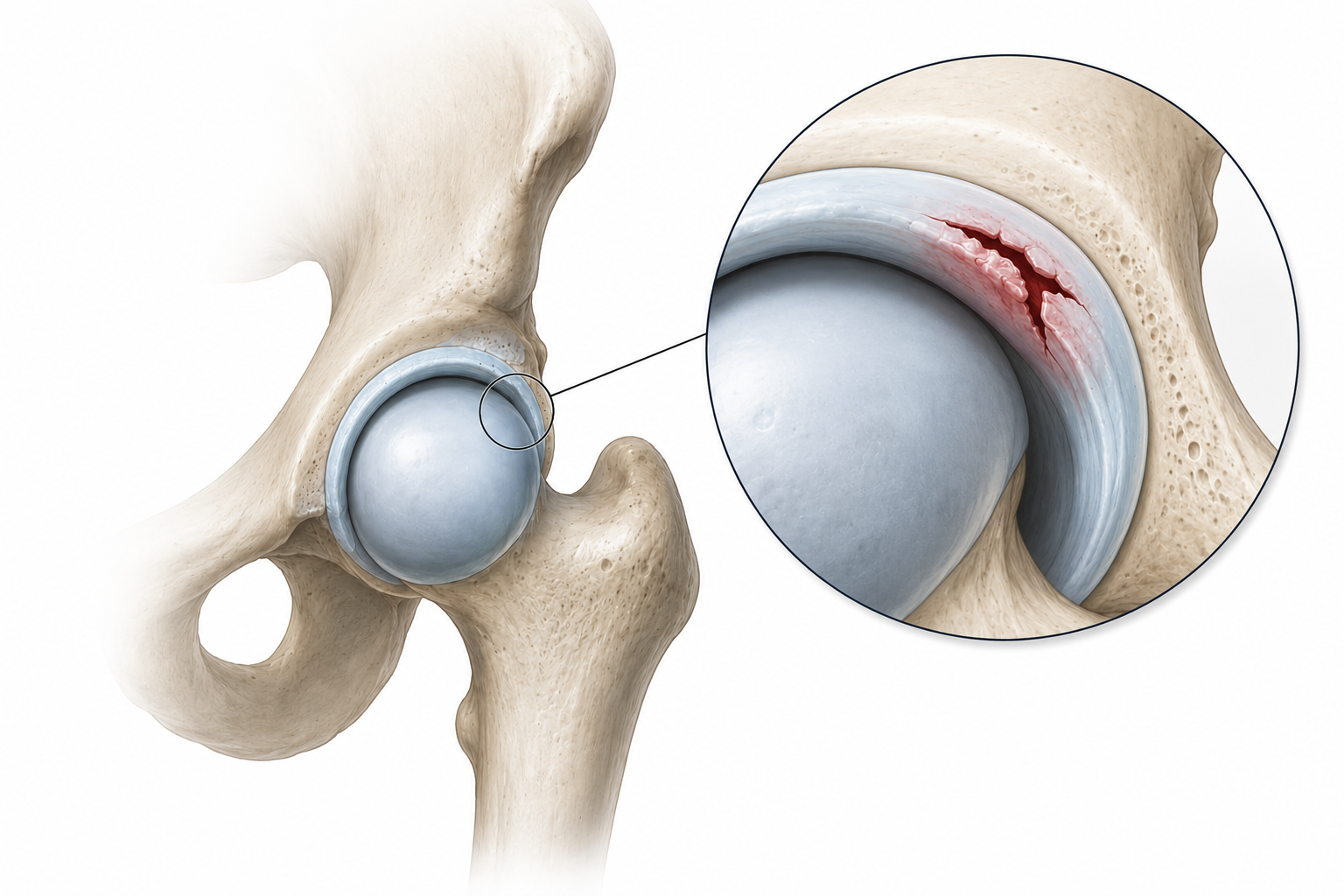
![Labral Tear]()
LABRAL TEAR
A tear in the cartilage that helps stabilize the hip can cause pain, clicking, catching, or a feeling that the hip is not moving smoothly.
-
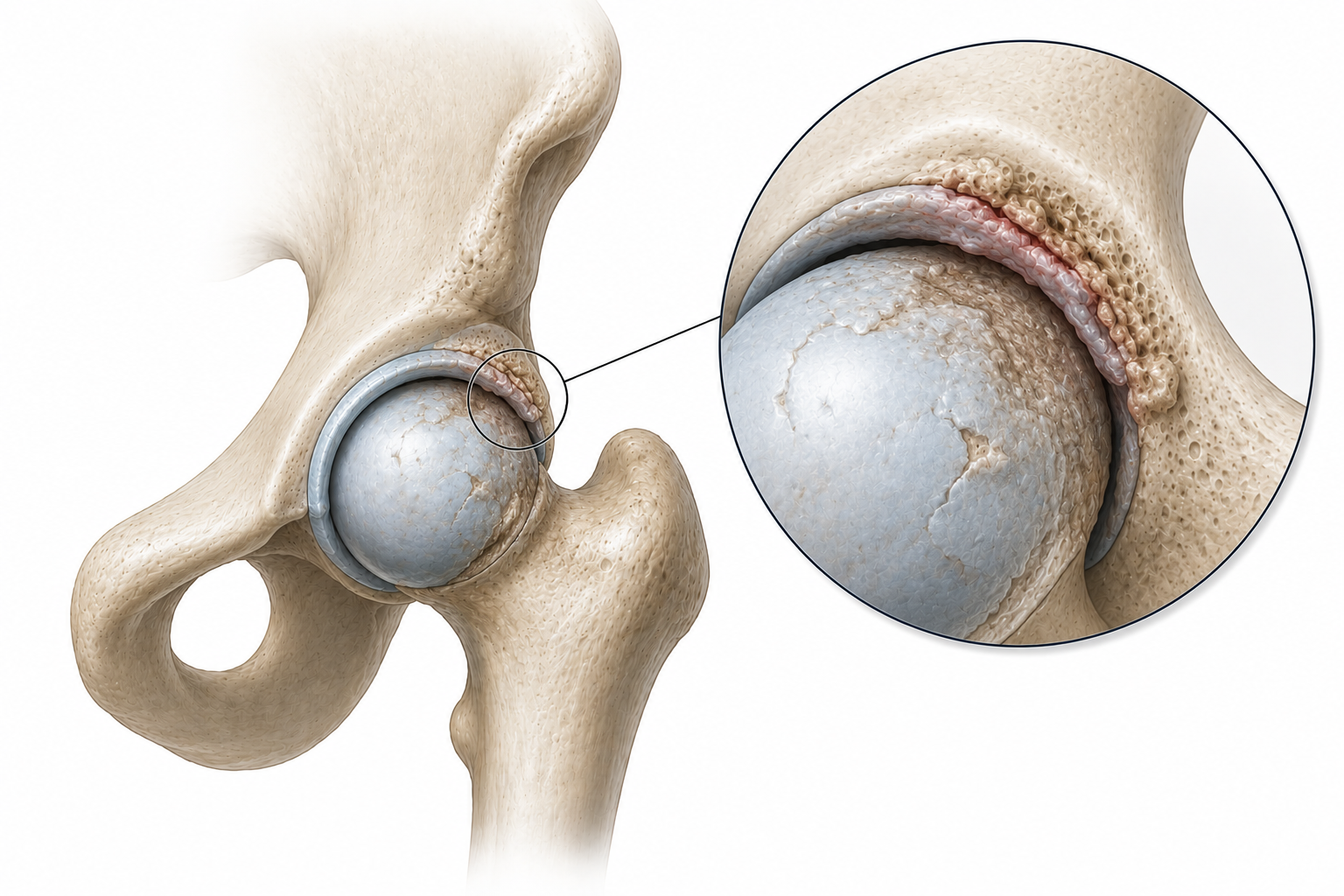
![Hip Osteoarthritis]()
HIP OSTEOARTHRITIS
Wear and tear of the hip joint can lead to pain, stiffness, and reduced mobility, especially after periods of rest.
-
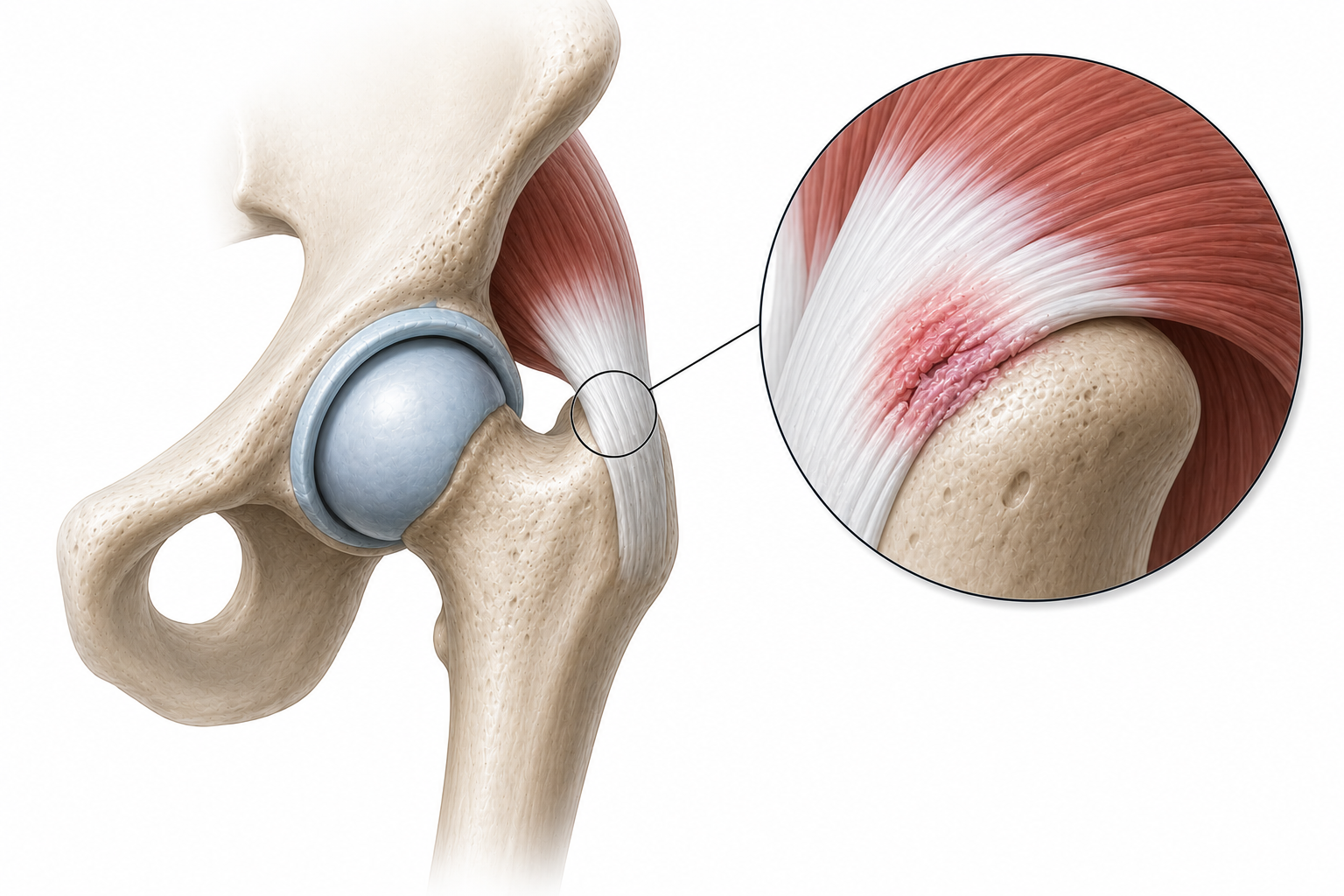
![Gluteal Tendinopathy]()
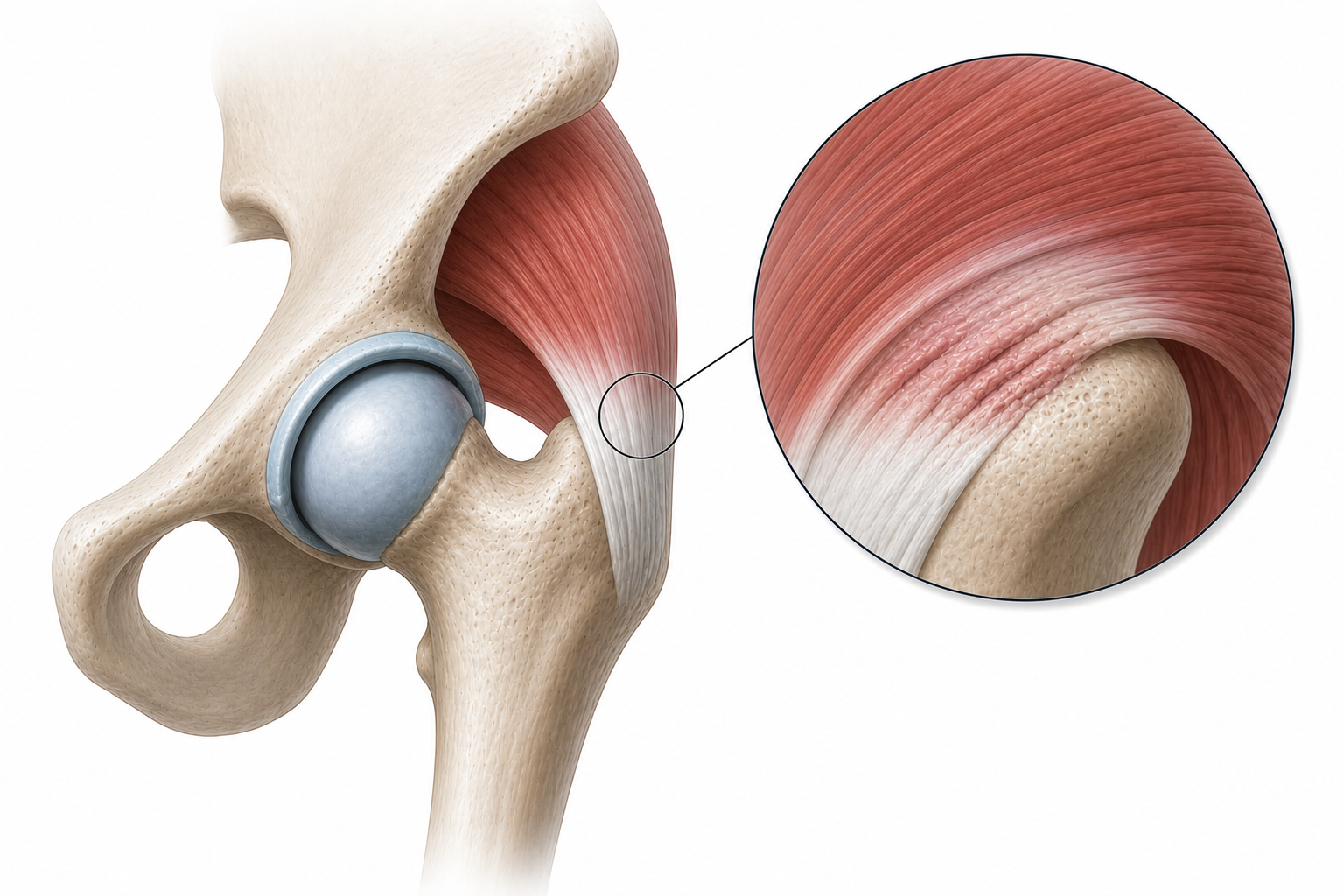
GLUTEAL TENDINOPATHY
Irritation of the tendons on the outside of the hip can cause pain when walking, climbing stairs, standing on one leg, or lying on that side.
-
![Muscle Weakness]()
MUSCLE WEAKNESS
Weakness, poor movement patterns, or reduced mobility can place extra stress on the hip and contribute to ongoing pain and discomfort.
Next Steps
Your Next Steps
You don’t have to let hip pain limit your movement or workouts. Addressing it early can help you avoid more serious issues down the road.
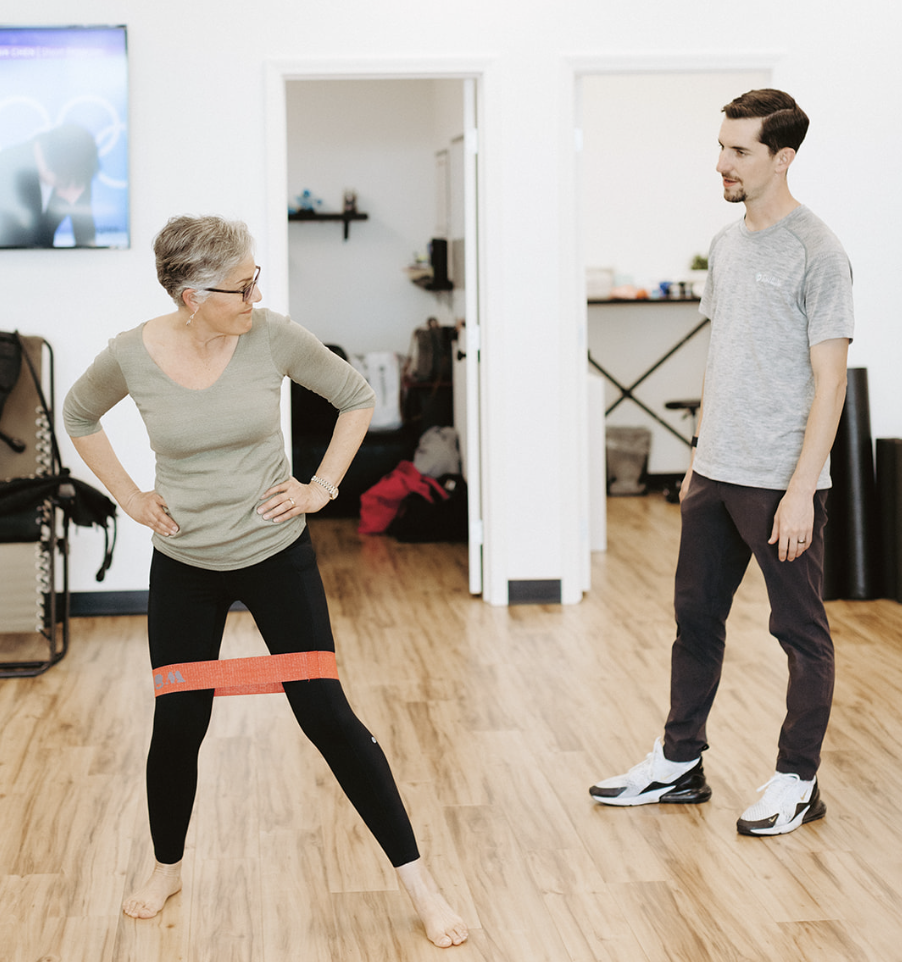
03.
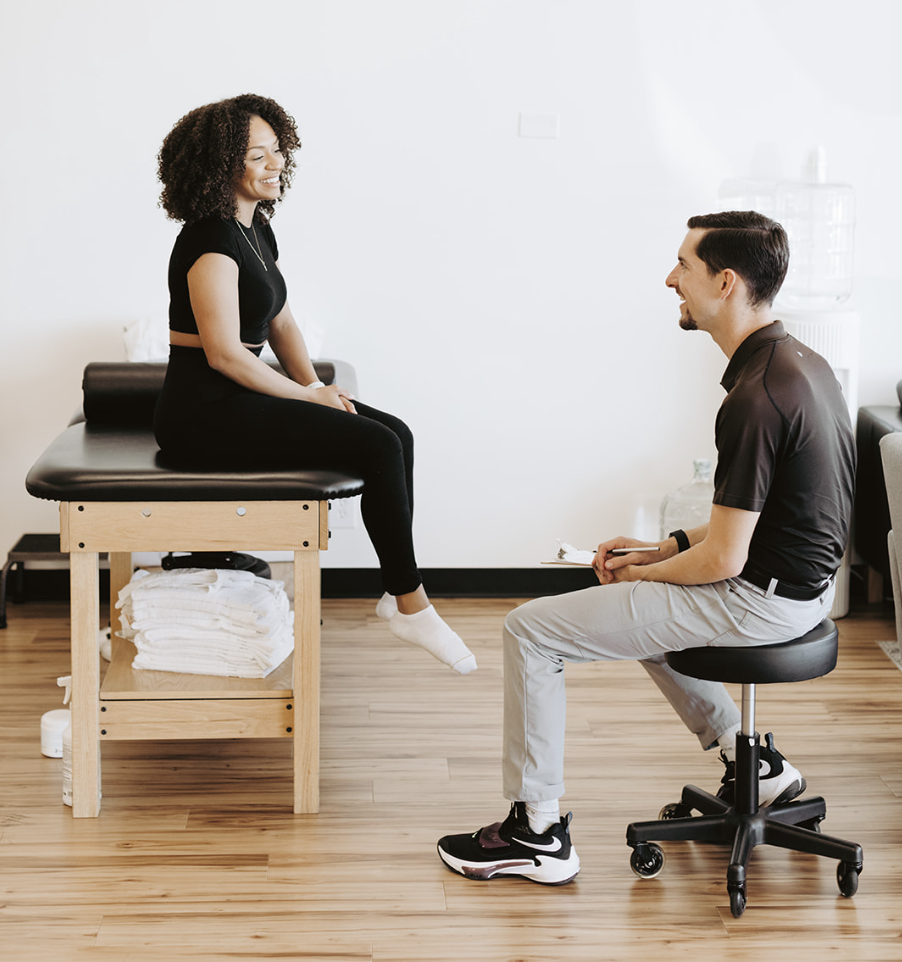
Attend Your First Visit
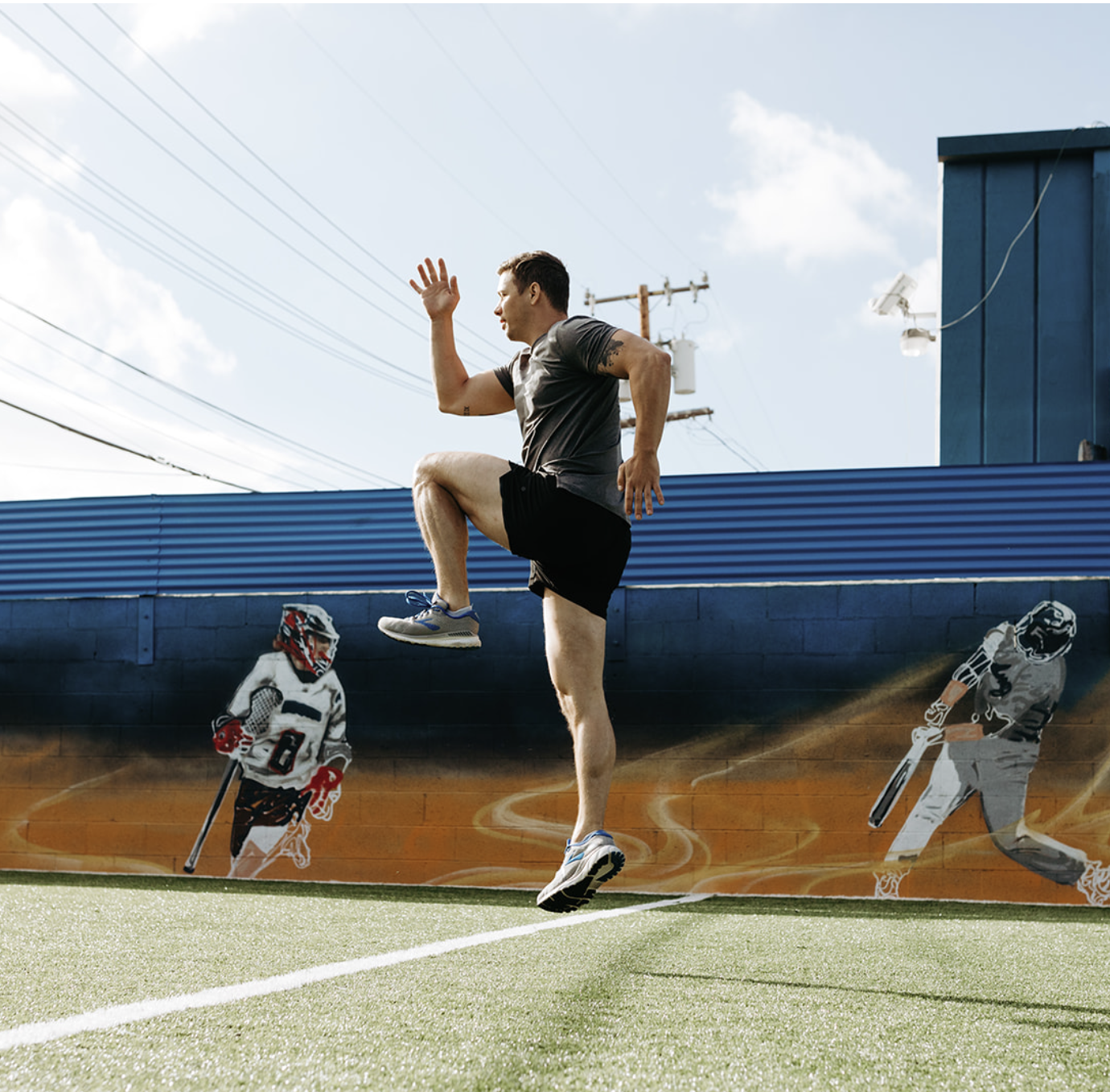
04.
Start Moving Pain-Free
Frequently Asked Questions
-
Hip pain doesn’t always come from a single injury. It can develop over time due to muscle imbalances, limited mobility, joint irritation, or even issues outside the hip, like the lower back or surrounding tissues. Research shows that hip pain can originate from multiple structures in and around the joint, which is why identifying the true source of symptoms is key to effective treatment.
-
In many cases, staying active is beneficial, but it depends on the type and severity of your pain. Modifying movements and avoiding positions that increase symptoms is key. Pushing through sharp or worsening pain can lead to further irritation, so it’s best to adjust your activity or get it evaluated if symptoms persist.
-
Hip stiffness is often related to limited mobility, muscle tightness, or prolonged sitting. When the muscles and joints around the hip aren’t moving well, it can create a feeling of restriction and discomfort, especially during activities like walking, squatting, or standing up after sitting.
-
Clicking or popping in the hip is often caused by tendons or muscles moving over bony structures, sometimes referred to as “snapping hip.” If it’s not painful, it’s usually harmless, but if it’s accompanied by pain, catching, or instability, it may indicate an underlying issue that should be evaluated.