
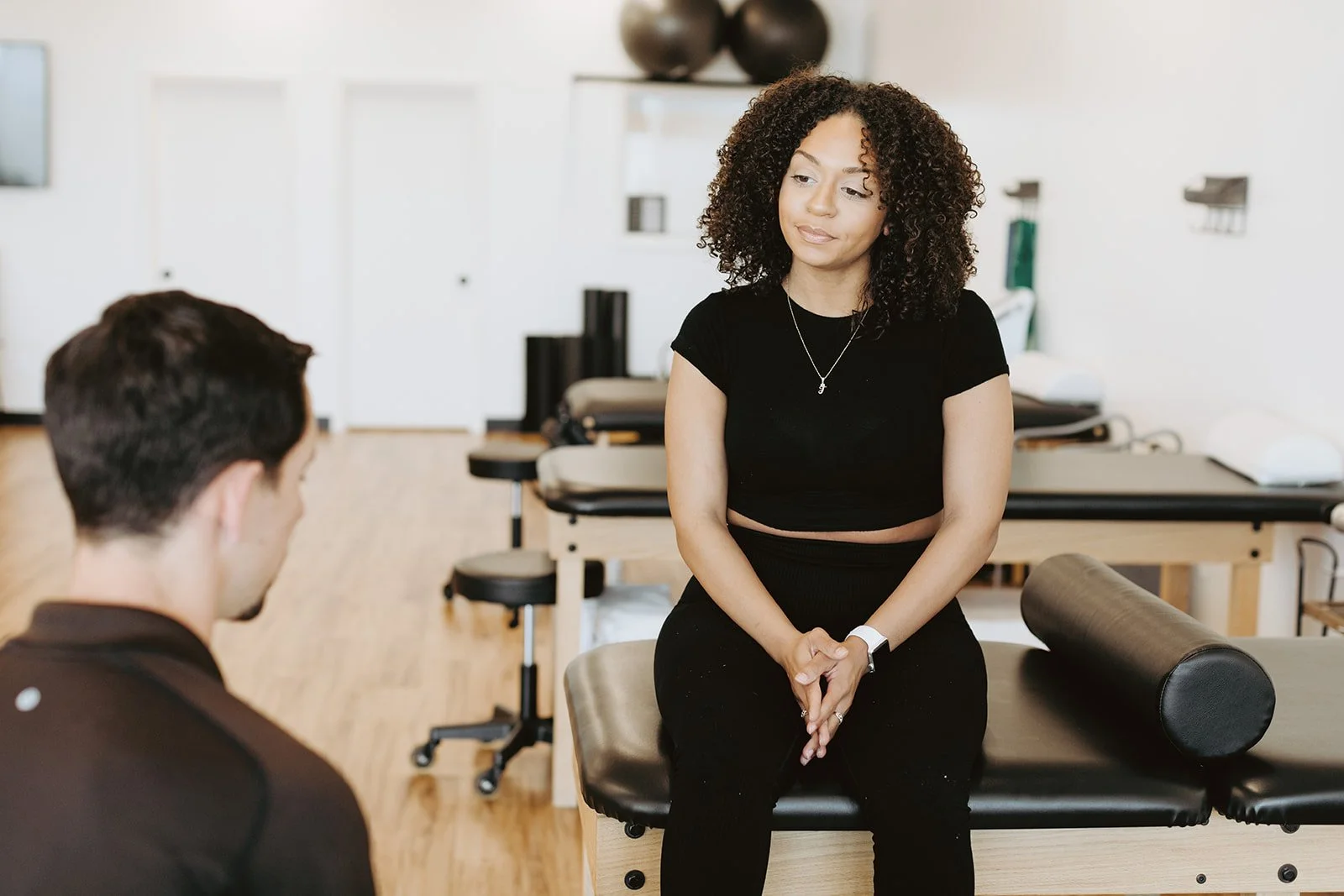
JAW, HEAD & FACE PAIN
Jaw Pain, Headaches, or Facial Tension Affecting Daily Life?
Jaw, head, and facial pain can impact far more than just comfort. Symptoms may interfere with eating, sleeping, concentrating, exercising, speaking, training, and everyday movement. These issues may develop from muscle tension, joint dysfunction, postural stress, sports injuries, concussions, or repetitive strain over time.
At Cuirim Sports Recovery in Costa Mesa, we help patients identify contributing factors behind jaw pain, headaches, and facial discomfort while improving mobility, reducing tension, and restoring movement through personalized physical therapy treatment plans.
“Headache disorders are among the most common disorders of the nervous system.”
Source: World Health Organization
What Are the Common Causes of Jaw, Head & Face Pain?
What Types of Jaw, Head & Face Pain Do We Treat?
-
TMJ dysfunction involves irritation or movement dysfunction of the temporomandibular joint and surrounding muscles. Symptoms may include jaw pain, clicking, locking, headaches, facial tension, and discomfort with chewing or speaking.
-
Headaches may develop from muscle tension, neck dysfunction, posture-related strain, stress, or movement limitations. Physical therapy focuses on identifying contributing factors and improving movement patterns that may be increasing symptoms.
-
Facial pain and post-concussion symptoms may involve headaches, dizziness, neck tightness, concentration difficulties, motion sensitivity, and facial discomfort following impact injuries or head trauma.
How Can Physical Therapy Help Jaw, Head & Face Pain?
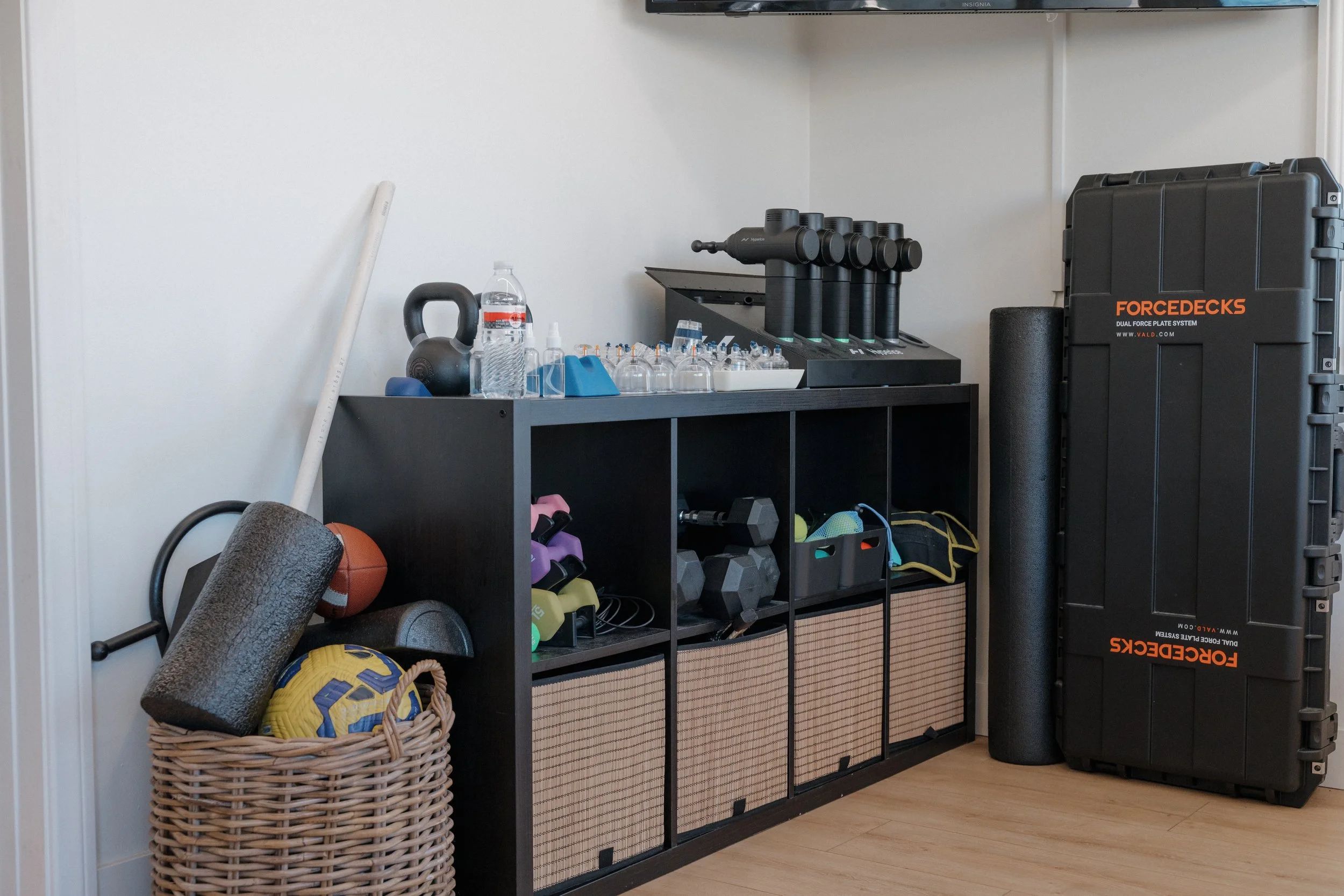
At Cuirim Sports Recovery, physical therapy focuses on reducing muscular tension, improving mobility, restoring movement quality, and addressing contributing factors related to headaches, jaw dysfunction, and facial pain.
Your Next Steps
You don’t have to let headaches, jaw pain, or facial tension continue affecting your daily life and activity levels. Addressing symptoms early can help reduce irritation, improve movement, and prevent recurring flare-ups.
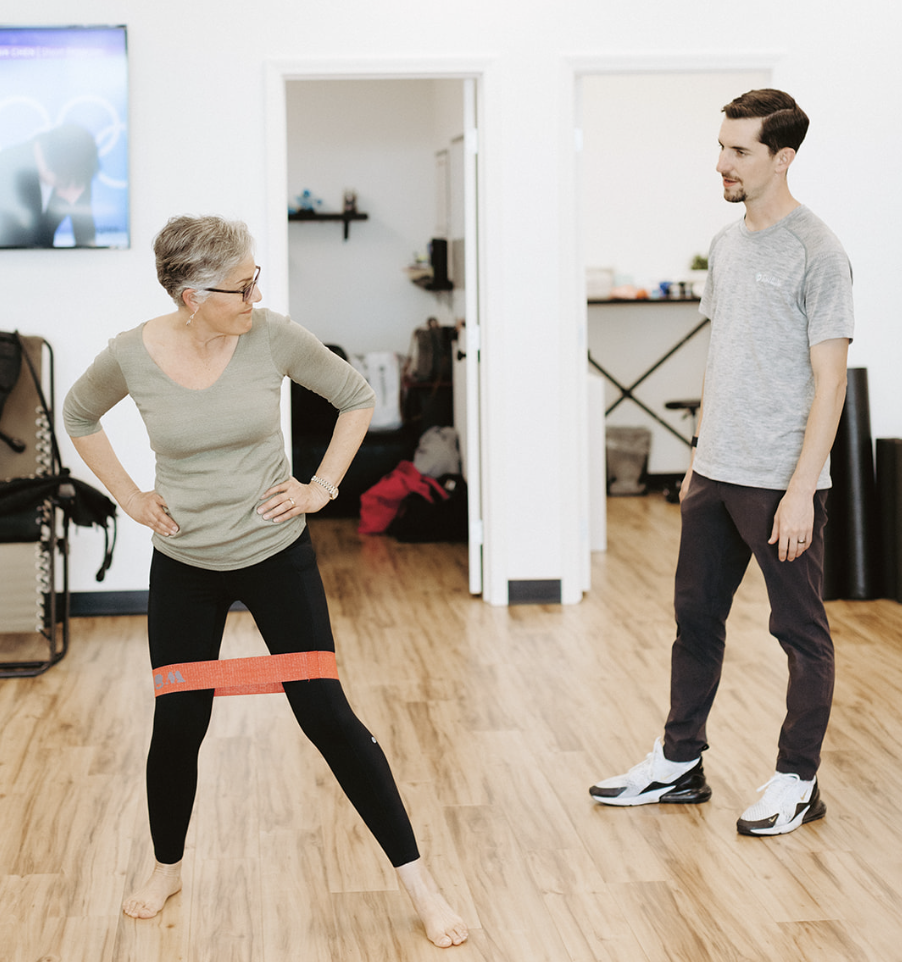
03.
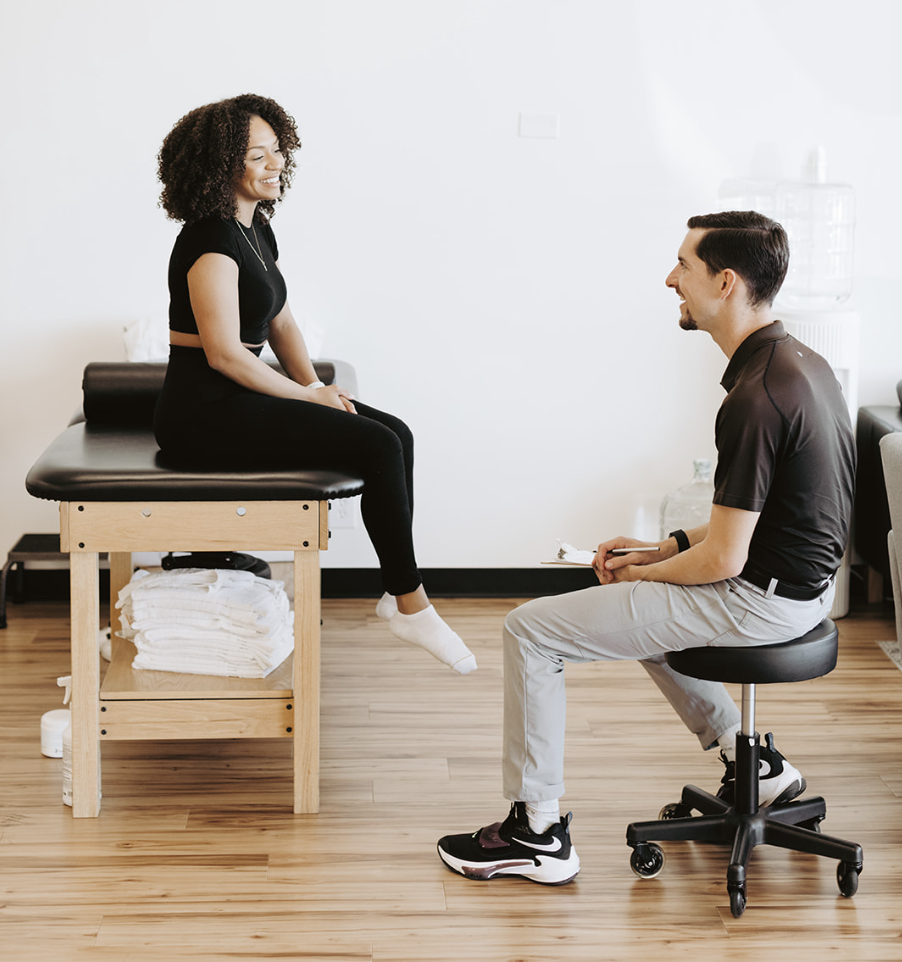
Attend Your First Visit
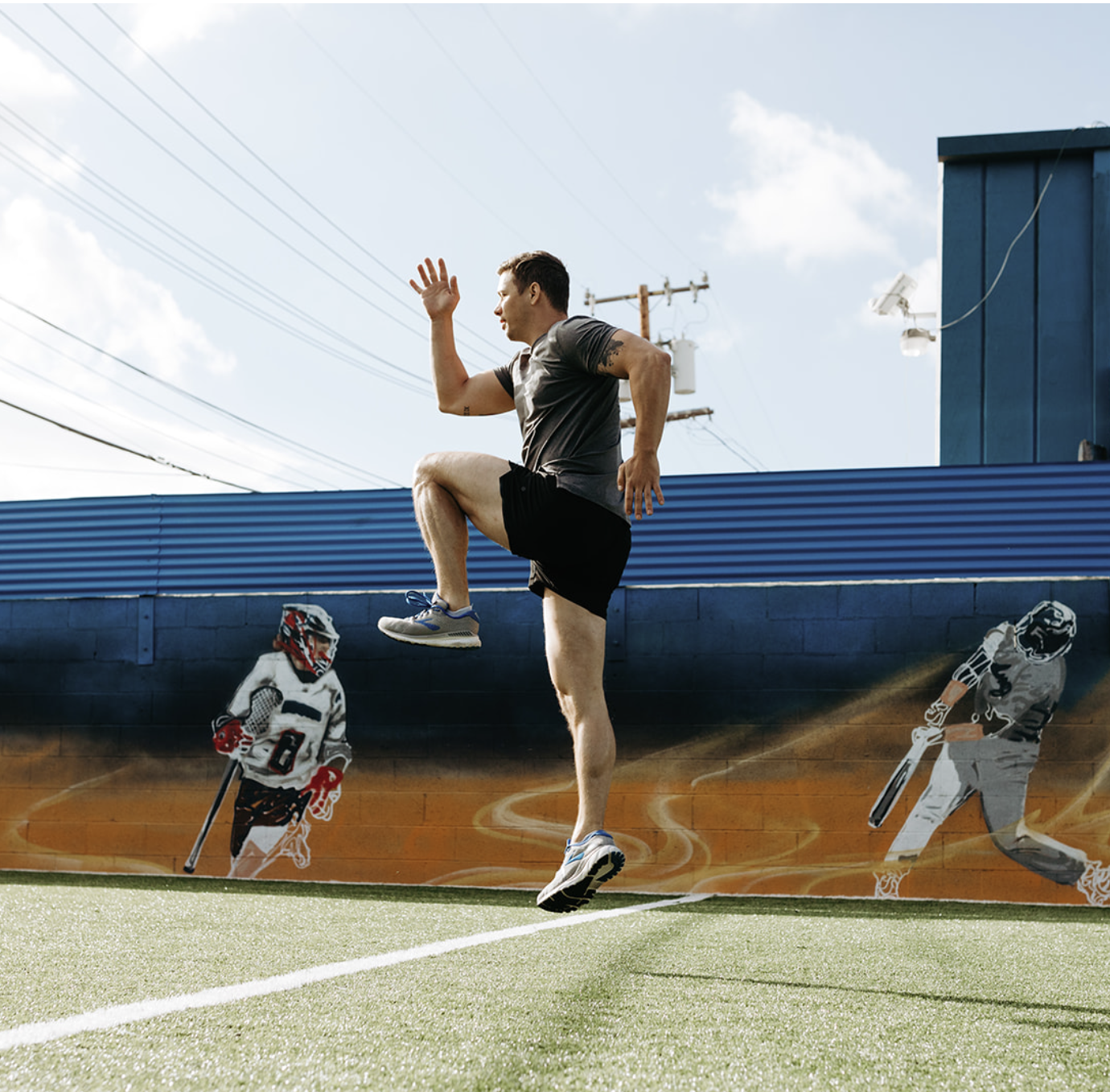
04.
Start Moving Pain-Free
Frequently Asked Questions
-
Yes. Physical therapy may help improve jaw mobility, reduce muscular tension, improve posture, and address movement dysfunction contributing to TMJ symptoms.
-
Cervicogenic headaches are commonly related to dysfunction within the neck, surrounding muscles, posture, and movement limitations.
-
Yes. Concussions and impact injuries may contribute to headaches, dizziness, facial tension, jaw discomfort, neck stiffness, and balance issues.
-
Poor posture and prolonged positioning may increase tension throughout the neck and upper body, which can contribute to headaches and jaw discomfort over time.