

physical therapy for NERVE PAIN IN COSTA MESA
NERVE PAIN
Nerve-related symptoms such as numbness, tingling, burning, or weakness can significantly impact daily life. Our therapists assess the underlying cause of your symptoms and develop a treatment strategy focused on improving mobility, function, and comfort.
How we can Help
How Can Physical Therapy Help Nerve Pain?

Physical therapy can help reduce nerve pain, improve mobility, restore strength, and get you back to the activities that matter most. At Cuirim Sports Recovery, we work with active adults, office workers, athletes, older adults, and post-operative patients experiencing sciatica, lumbar or cervical radiculopathy, peripheral nerve entrapments, and other conditions causing radiating pain, numbness, or tingling.
Every patient is different, so we perform a comprehensive evaluation to identify the movement impairments, mobility restrictions, strength deficits, and biomechanical or neurological factors contributing to your symptoms, allowing us to create a personalized treatment plan for lasting recovery.
The key metrics we track include cervical or lumbar range of motion, side-to-side strength symmetry, movement quality, gait mechanics, functional mobility, and changes in neurological symptoms throughout rehabilitation. These measurements help us identify limitations, guide treatment decisions, and objectively monitor your progress as you return to work, sport, and everyday activities.
How We can Help
Our Approach to Nerve Pain Relief
-
![AlterG Anti-Gravity Treadmill]()
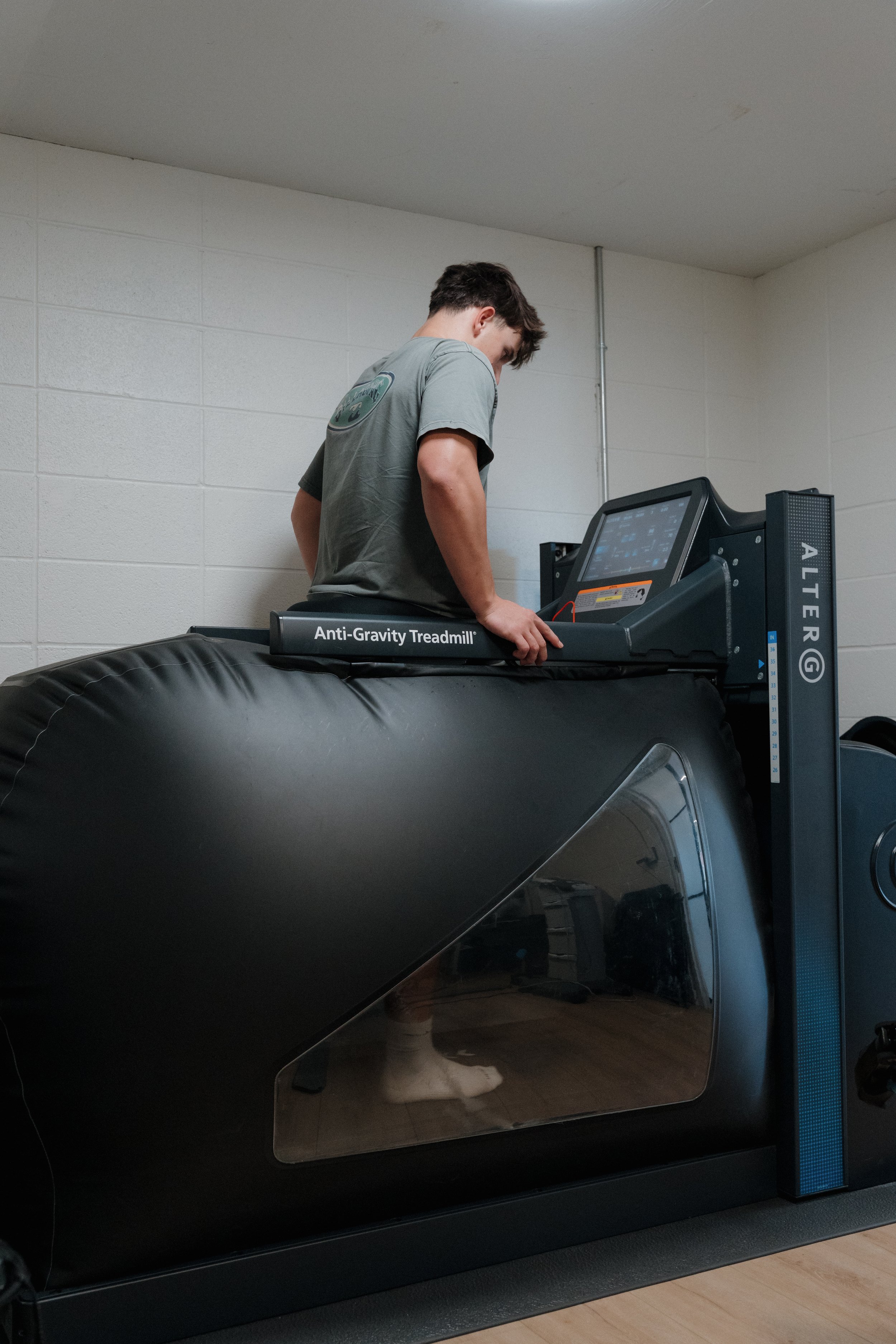
ALTERG ANTI-GRAVITY TREADMILL
To safely restore walking and running mechanics with reduced body-weight loading, allowing patients to improve mobility and gradually return to activity while minimizing stress on the spine and lower extremities.
-
![Blood Flow Restriction (BFR)]()
BLOOD FLOW RESTRICTION (BFR)
To improve strength and minimize muscle atrophy using lighter loads when pain, weakness, or nerve symptoms limit traditional strengthening exercises.
-
![VALD Dynamometry]()
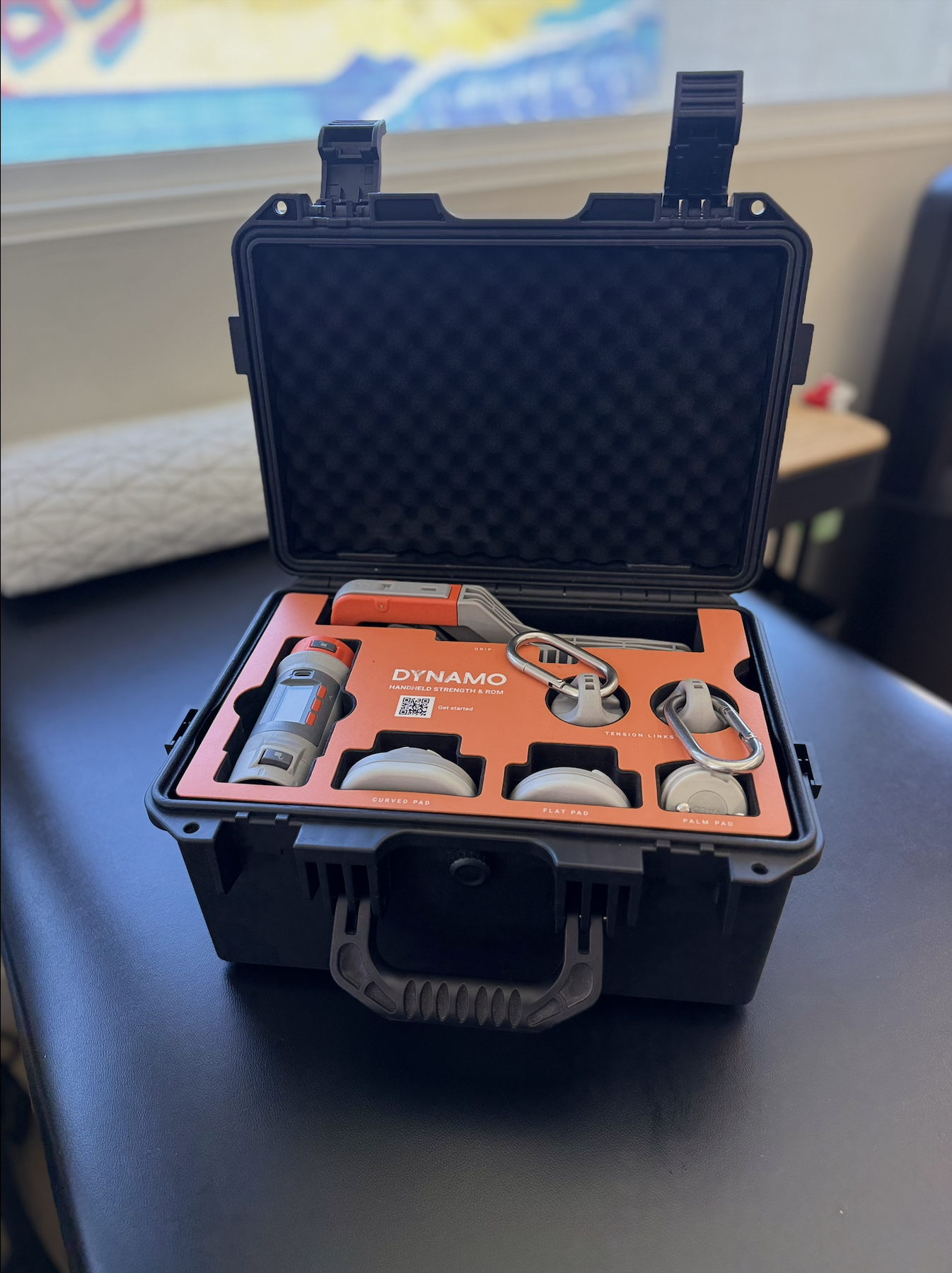
VALD DYNAMOMETRY
To objectively assess strength deficits, side-to-side asymmetries, and muscle weakness associated with nerve irritation, helping guide treatment progression and monitor recovery throughout rehabilitation.
-
![Manual Therapy]()
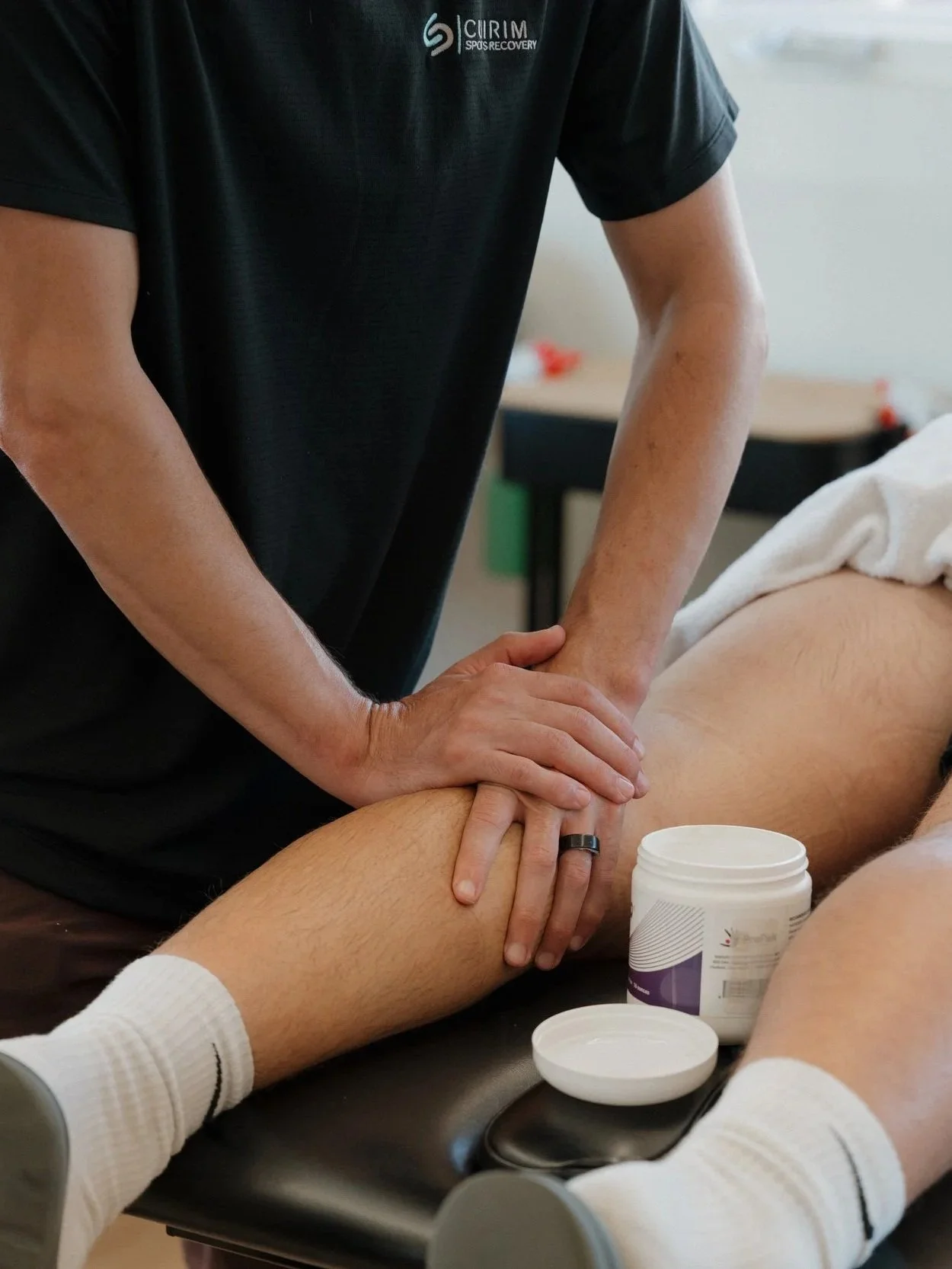
HANDS-ON MANUAL THERAPY
Including joint mobilization, soft tissue mobilization, nerve mobilization, stretching, and other skilled techniques to improve mobility, reduce muscle tension, decrease pressure on irritated nerves, and restore normal movement.
-
![Personalized Rehab Program]()
PERSONALIZED REHAB PROGRAM
Tailored to your specific diagnosis, goals, and activity level to improve spinal mobility, restore strength, reduce nerve irritation, improve movement mechanics, and help you safely return to work, sport, and everyday activities.
-
![Shockwave Therapy]()
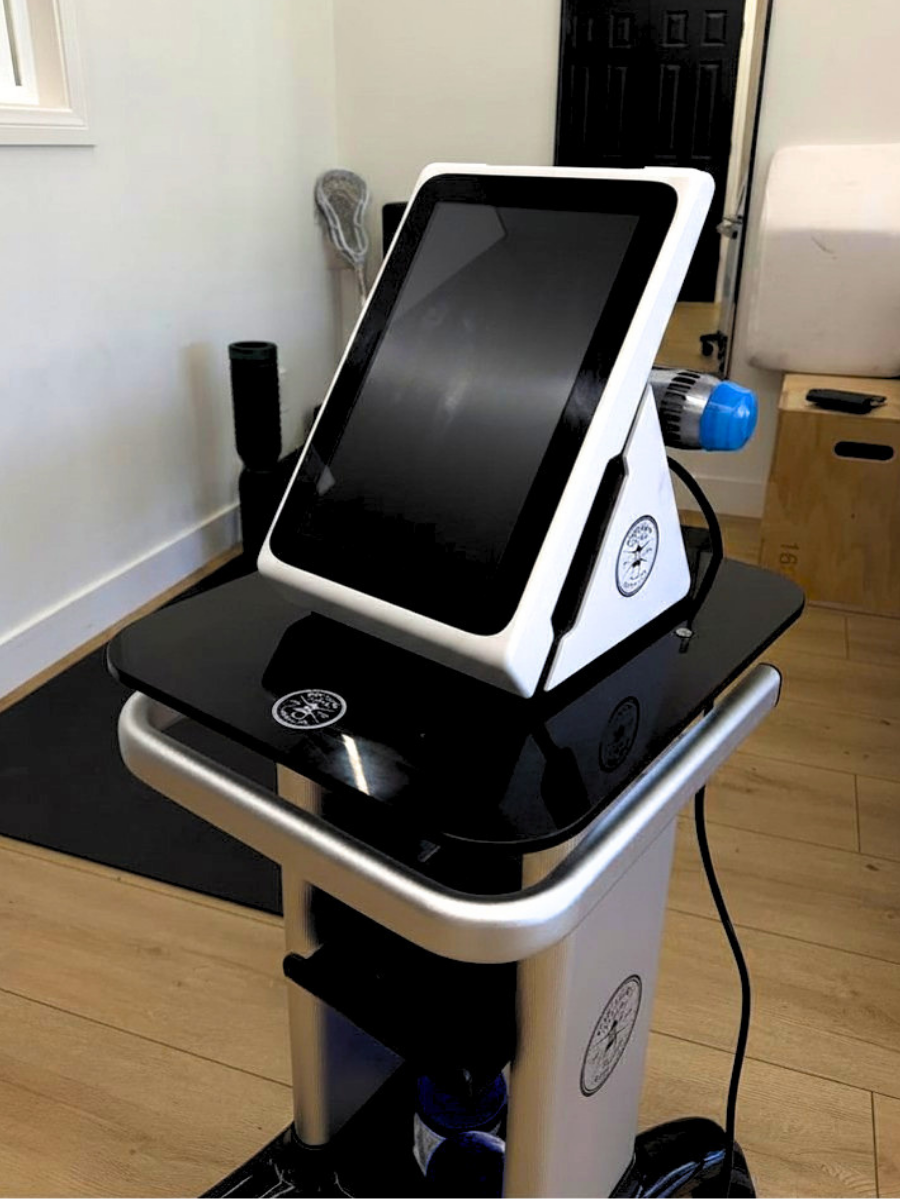
SHOCKWAVE THERAPY
For select cases where chronic soft tissue dysfunction, scar tissue, muscle tightness, or tendon pathology may be contributing to nerve irritation and persistent symptoms.



“An estimated 20 million people in the United States have some form of peripheral neuropathy.”

TYPES OF CONDITIONS
Explore The Types of Nerve Pain We Treat
Different nerve conditions can cause symptoms such as pain, numbness, tingling, burning, or weakness throughout the body, depending on which nerve is affected. We treat a wide range of nerve-related conditions, including but not limited to those listed below.
-
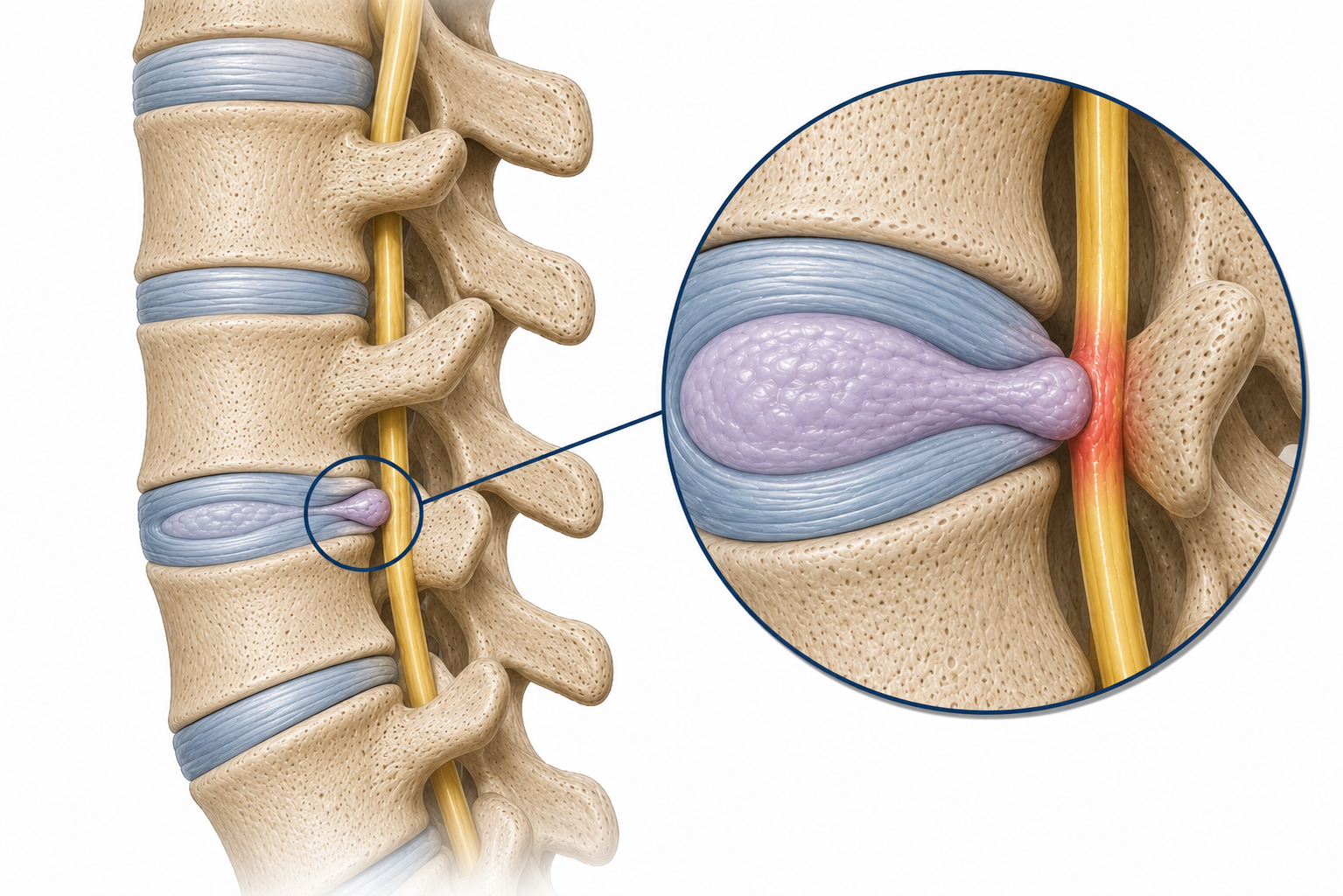
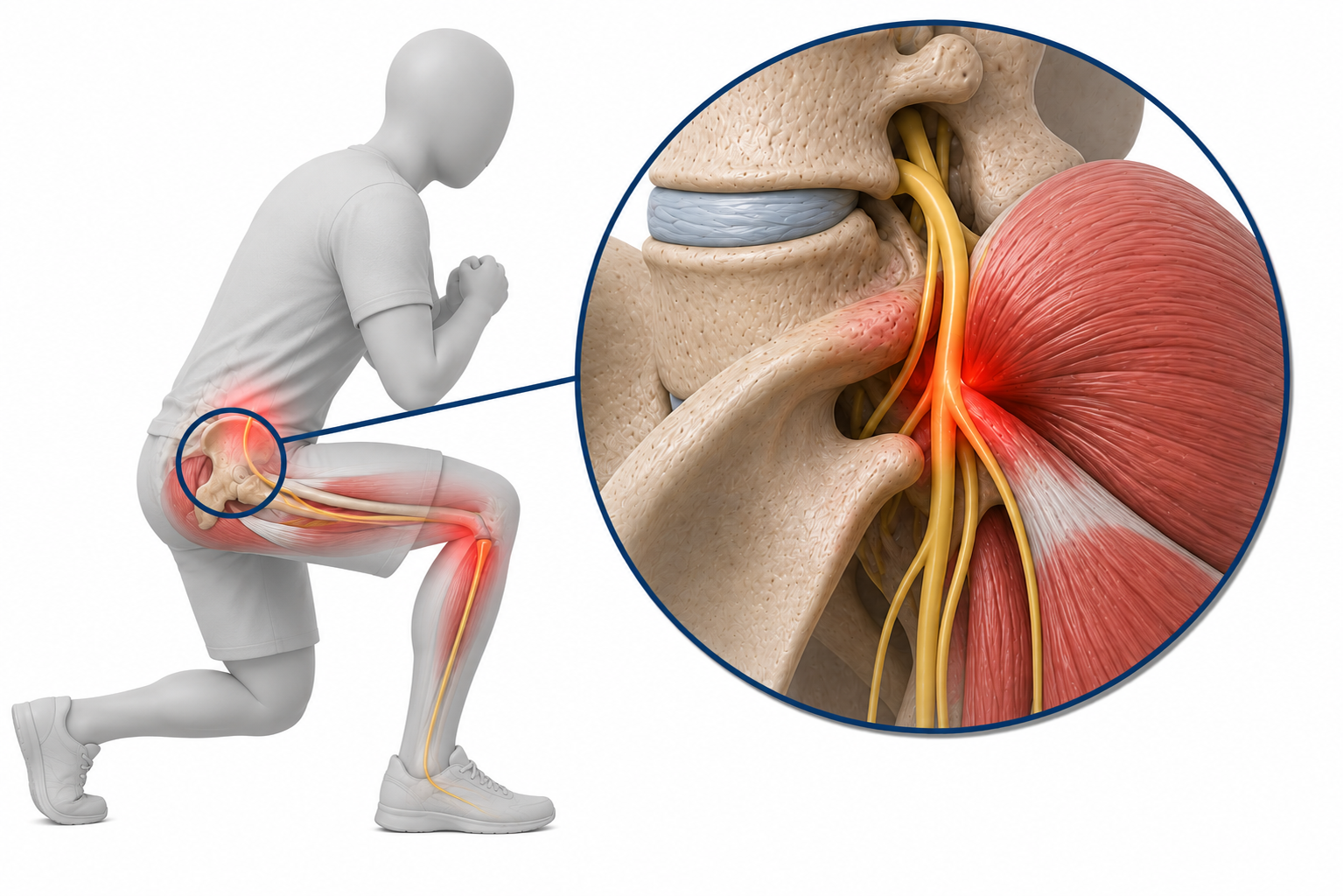
Pain, numbness, or tingling that travels from the lower back into the hip, glute, or leg due to irritation of the sciatic nerve.
-
Damage or irritation to peripheral nerves that commonly causes burning, tingling, numbness, or balance problems in the hands and feet.
-
A pinched or irritated nerve near the spine that can cause pain, weakness, numbness, or tingling into the arm or leg.
-
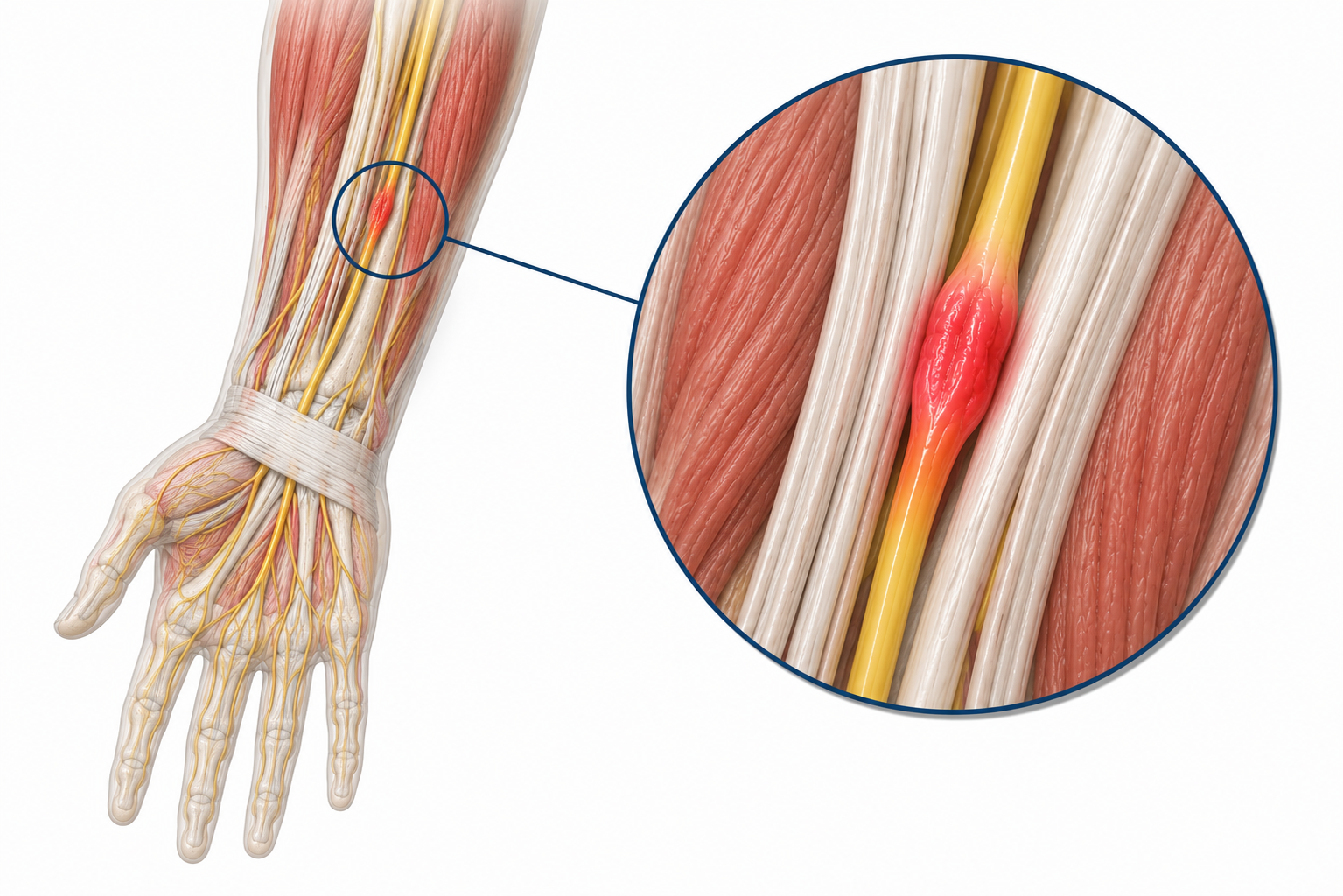
Compression of a nerve at the wrist that can lead to numbness, tingling, weakness, or discomfort in the hand and fingers.
-
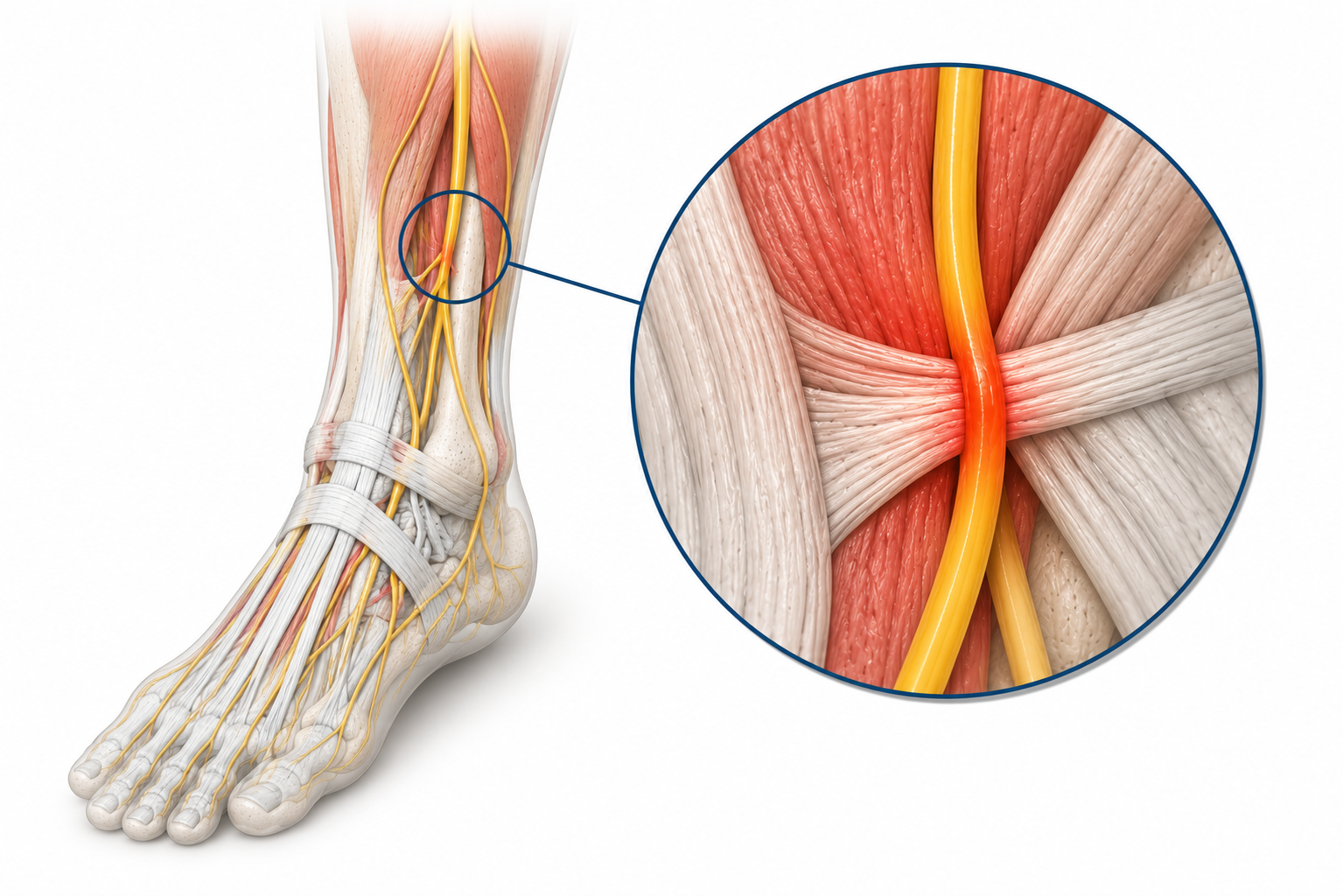
Compression of a nerve by surrounding muscles or tissues that can cause pain, numbness, tingling, or weakness in the arm, shoulder, or hand.
Common causes
What Could Be Causing Nerve Pain Conditions?
-
![Disc Injuries & Spinal Nerve Compression]()
DISC INJURIES & SPINAL NERVE COMPRESSION
Bulging or herniated discs can place pressure on nearby nerves, causing pain, numbness, tingling, or weakness that may travel into the arms or legs.
-
![Nerve Compression & Entrapment]()
NERVE COMPRESSION & ENTRAPMENT
Nerves can become compressed by surrounding muscles, tendons, ligaments, or other tissues, leading to irritation and altered sensation.
-
![Repetitive Stress & Overuse]()
REPETITIVE STRESS & OVERUSE
Repeated movements from work, sports, or daily activities can increase stress on nerves over time and contribute to ongoing symptoms.
-
![Poor Posture & Mobility Restrictions]()
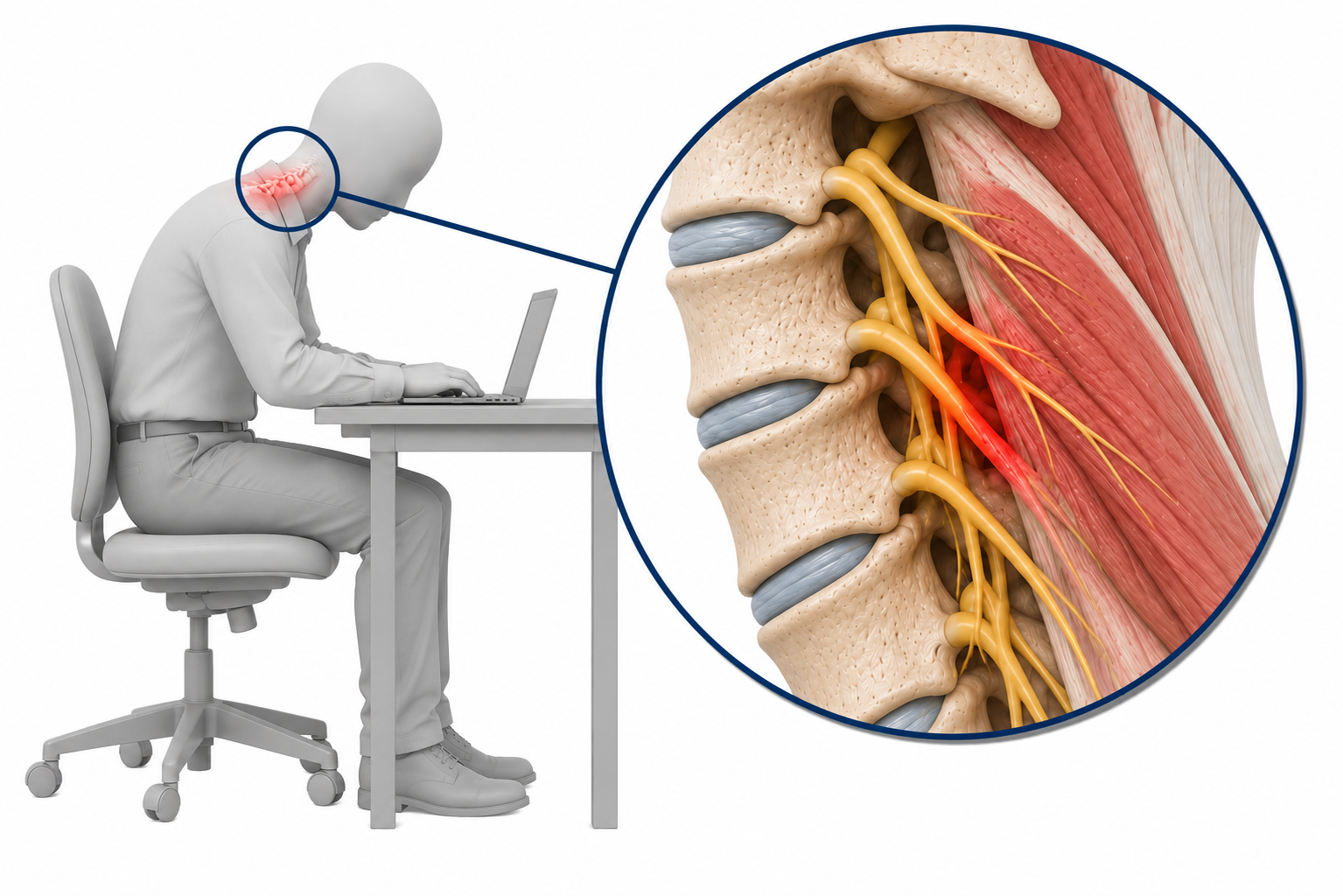
POOR POSTURE & MOBILITY RESTRICTIONS
Prolonged positions, muscle tightness, and limited mobility can increase tension on nerves and contribute to pain that radiates throughout the body.
-
![Weakness & Movement Dysfunction]()
WEAKNESS & MOVEMENT DYSFUNCTION
Muscle weakness, poor stability, and movement compensations can place excessive stress on irritated nerves and make symptoms more persistent.

Next Steps
Your Next Steps
You don’t have to let nerve pain continue limiting your movement and daily activities. Addressing symptoms early can help reduce irritation, improve mobility, and prevent the issue from becoming more persistent over time.


03.
Attend Your First Visit

04.
Start Moving Pain-Free
Frequently Asked Questions
-
Yes. Physical therapy can often help reduce pressure or irritation on nerves by improving mobility, strength, posture, and movement mechanics.
-
Tingling or numbness may occur when nerves become compressed or irritated. Common causes include sciatica, disc injuries, peripheral neuropathy, or nerve entrapment syndromes.
-
Recovery depends on the cause and severity of the irritation. Some cases improve within weeks, while more chronic nerve conditions may take longer to fully resolve.
-
In many cases, movement is beneficial, but the type and intensity matter. A physical therapist can help determine which exercises are safe and which movements may worsen symptoms.