
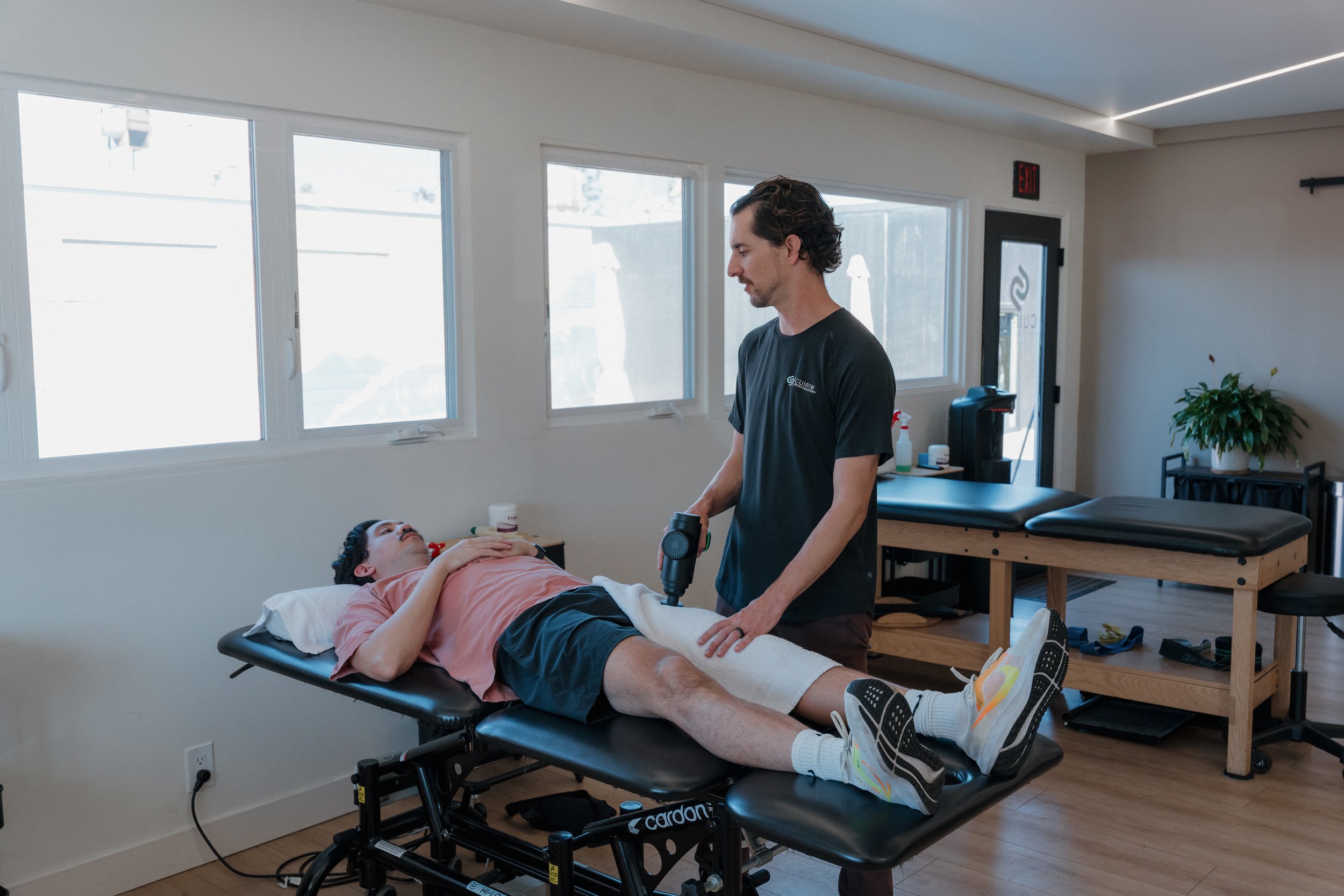
NERVE PAIN
NERVE pain relief in costa mesa
Experiencing Nerve Pain?
Nerve-related symptoms such as numbness, tingling, burning, or weakness can significantly impact daily life. Our therapists assess the underlying cause of your symptoms and develop a treatment strategy focused on improving mobility, function, and comfort.






Hip Osteoarthritis
Wear and tear of the hip joint can lead to pain, stiffness, and reduced mobility, especially after periods of rest.
Common causes of hip pain
What Could Be Causing My Hip Pain?
Hip pain can develop from muscle imbalances, mobility restrictions, joint irritation, or other conditions, often placing increased stress on the hip over time and affecting both daily activities and athletic performance.
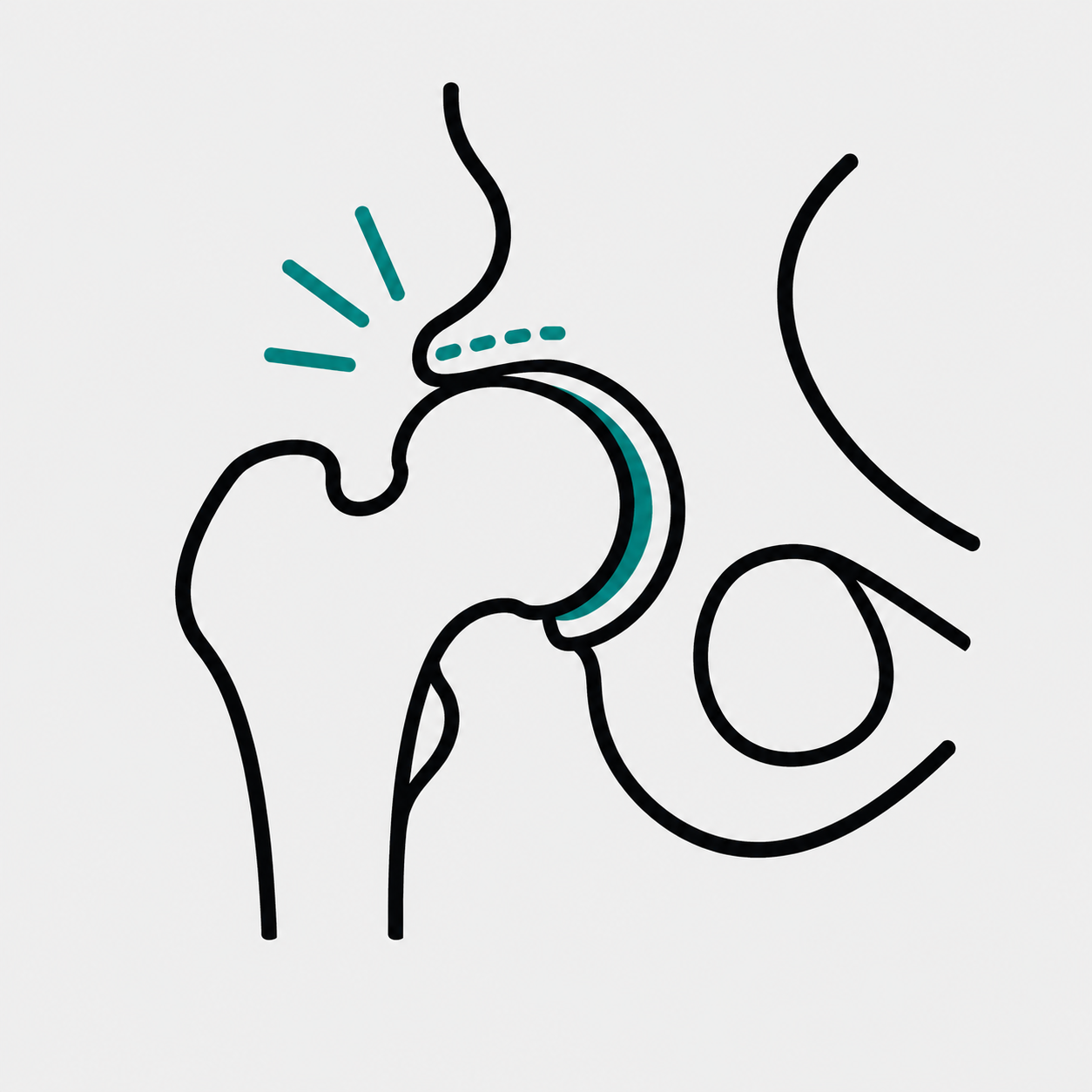
Laberal Tear
A tear in the cartilage that helps stabilize the hip can cause pain, clicking, catching, or a feeling that the hip is not moving smoothly.
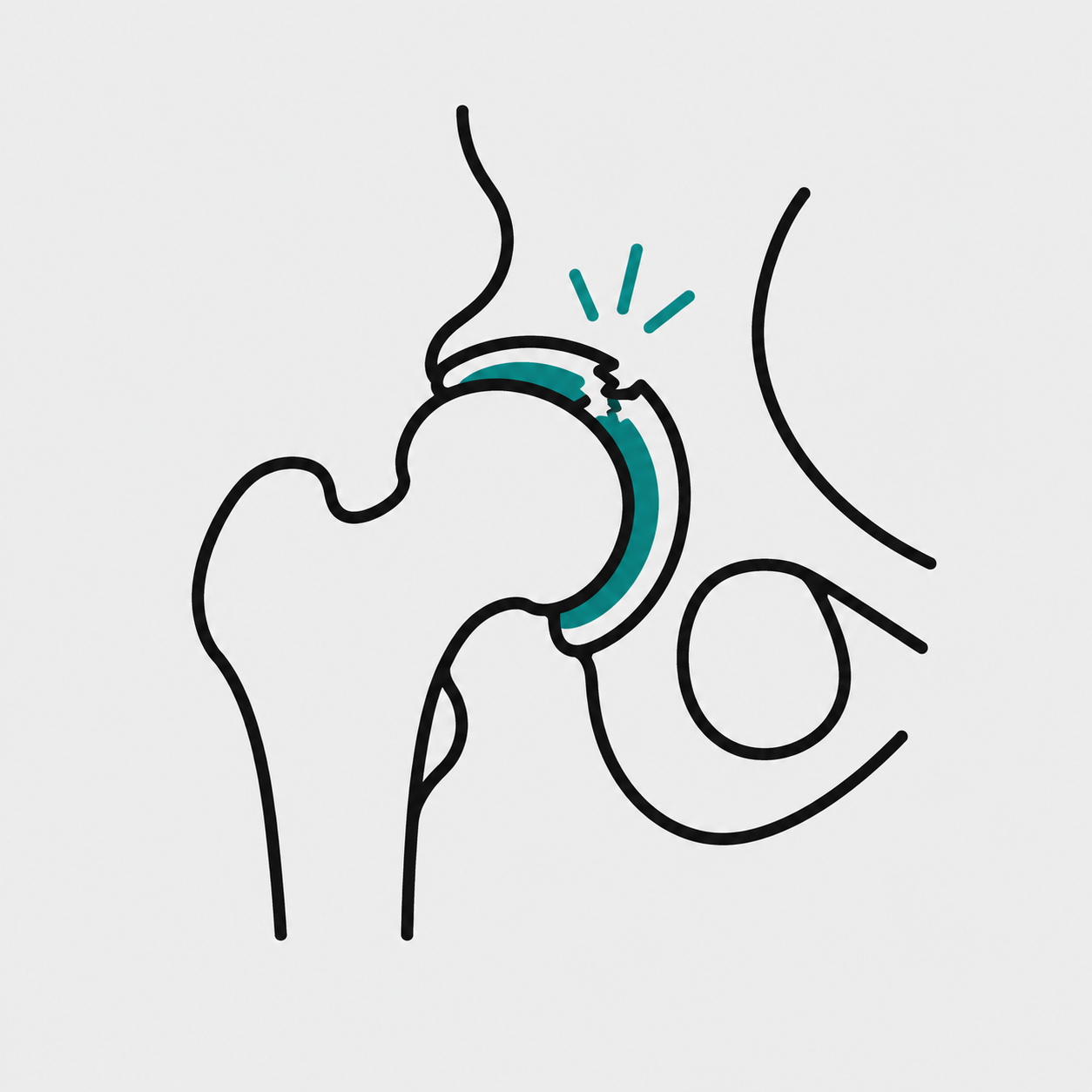
Hip Osteoarthritis
Wear and tear of the hip joint can lead to pain, stiffness, and reduced mobility, especially after periods of rest.
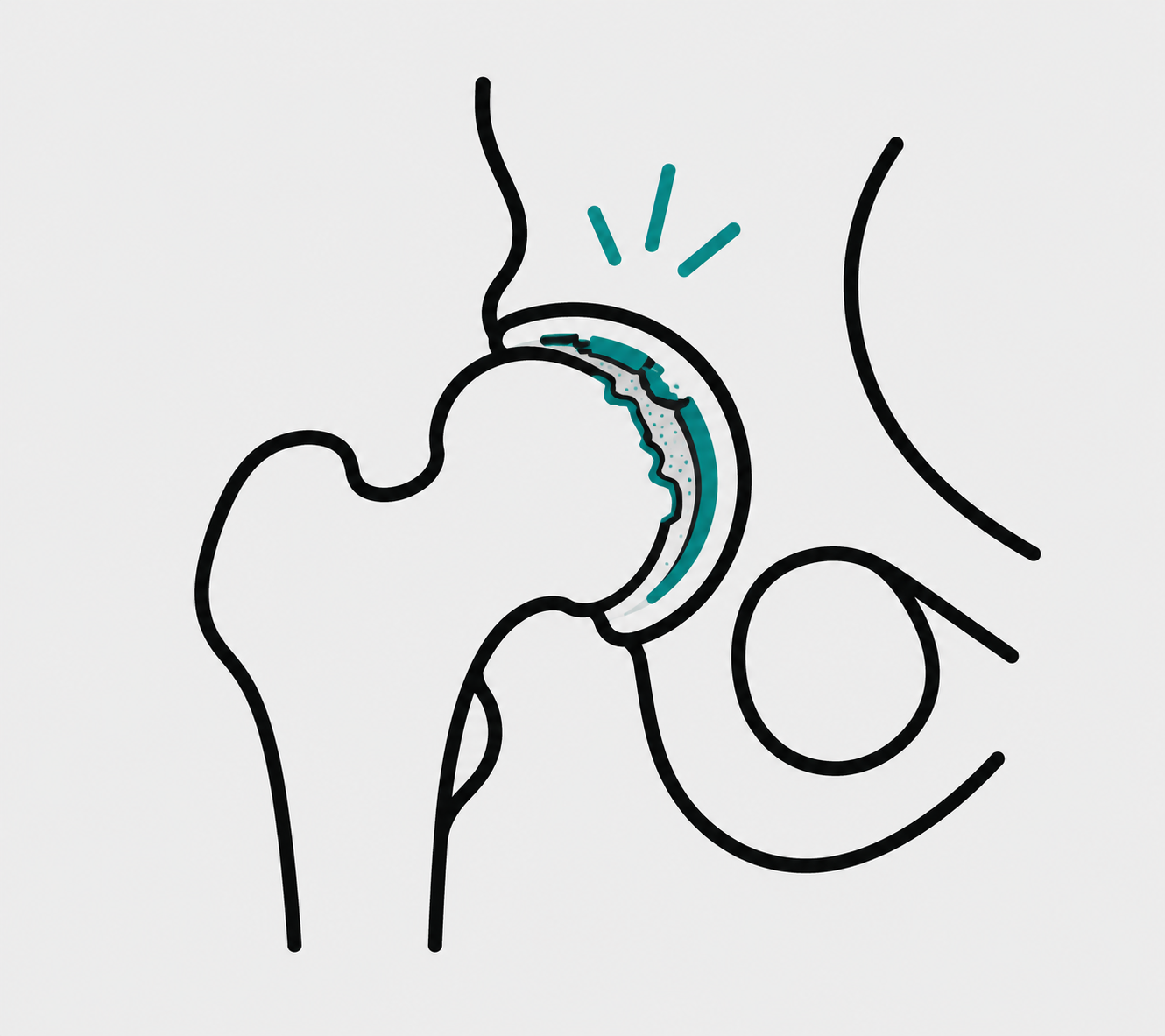
Hip Osteoarthritis
Wear and tear of the hip joint can lead to pain, stiffness, and reduced mobility, especially after periods of rest.
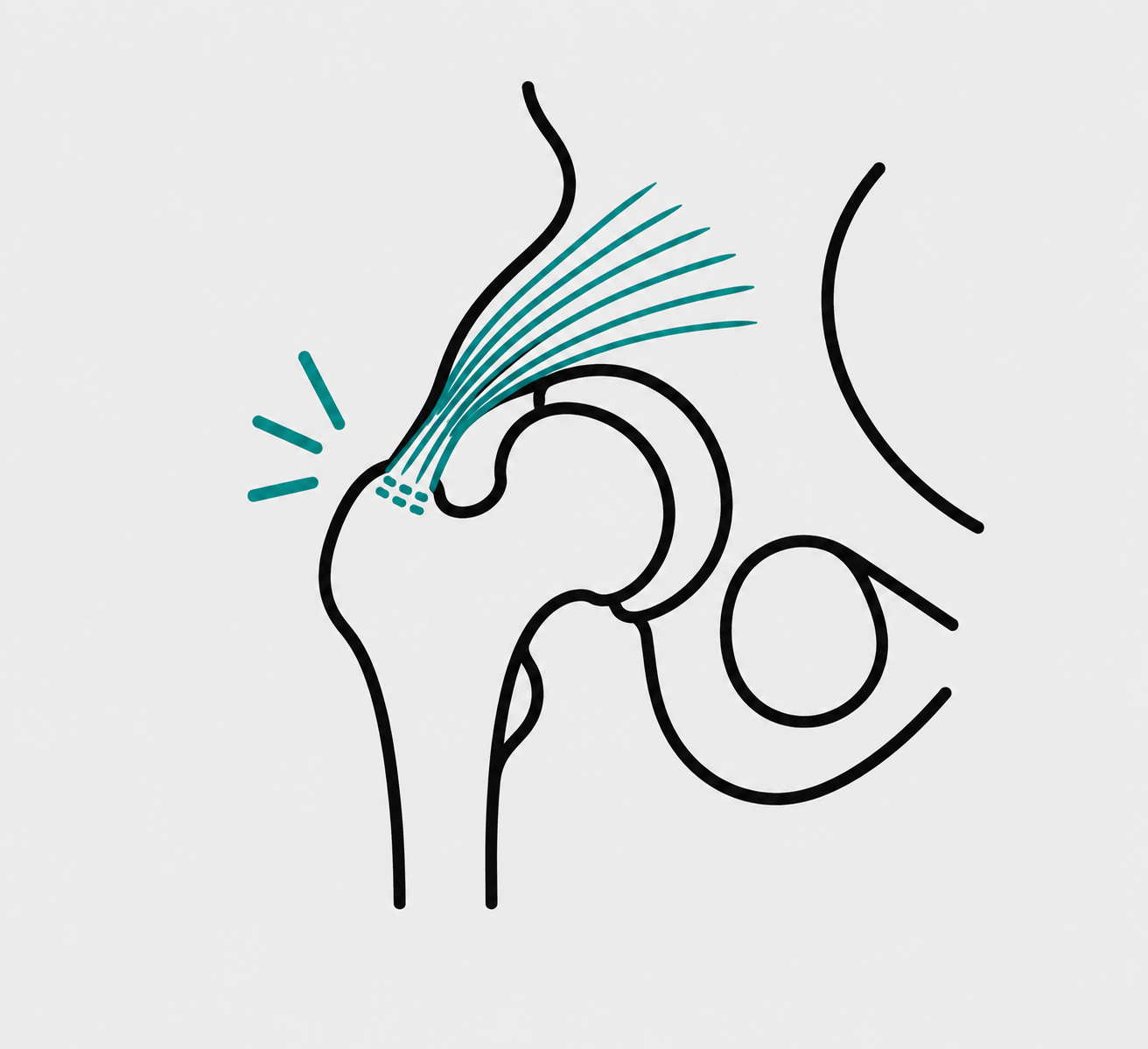
Hip Osteoarthritis
Wear and tear of the hip joint can lead to pain, stiffness, and reduced mobility, especially after periods of rest.
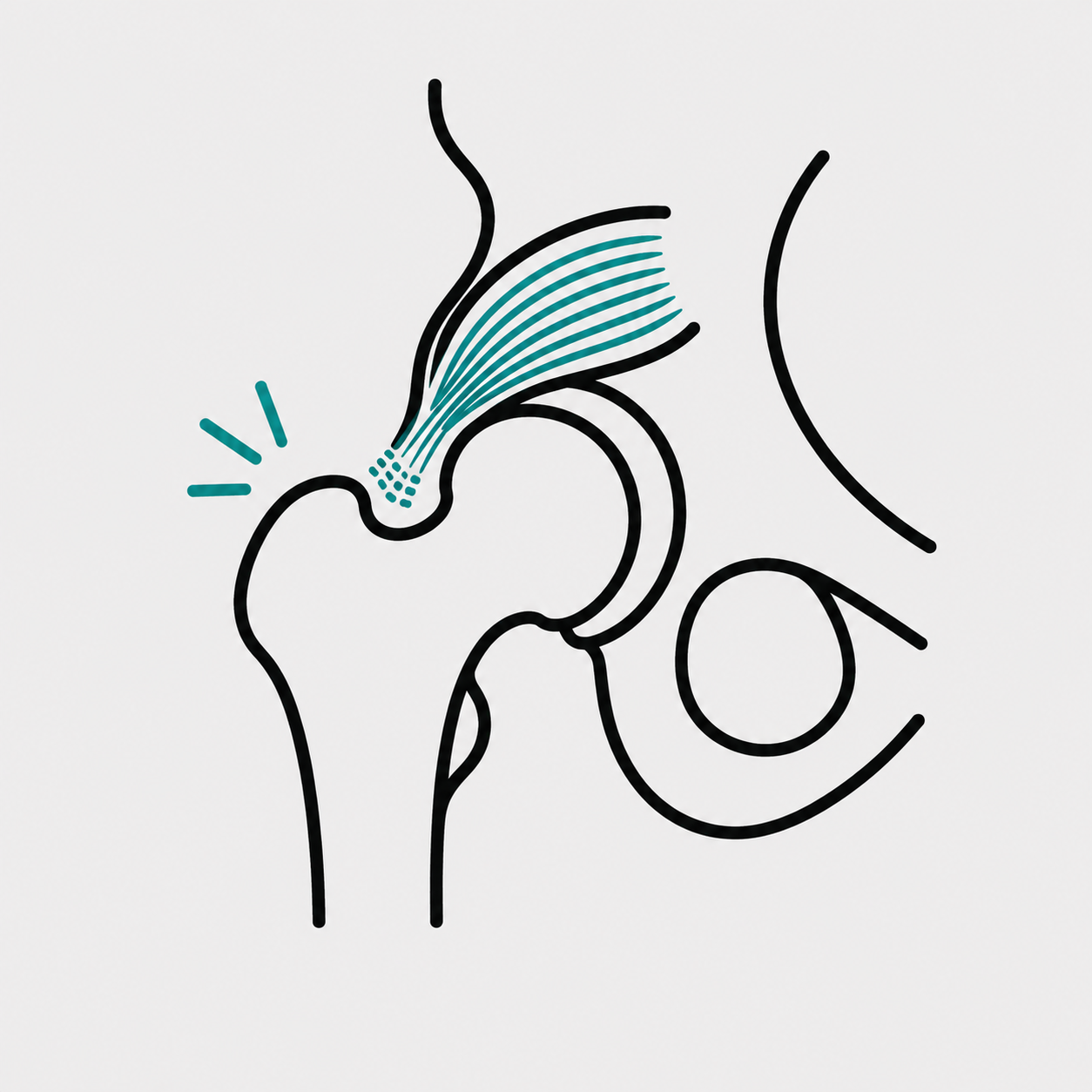
Types of Conditions
Explore the types of Nerve Pain We Treat
Types of Nerve Pain
-
![Sciatica]()
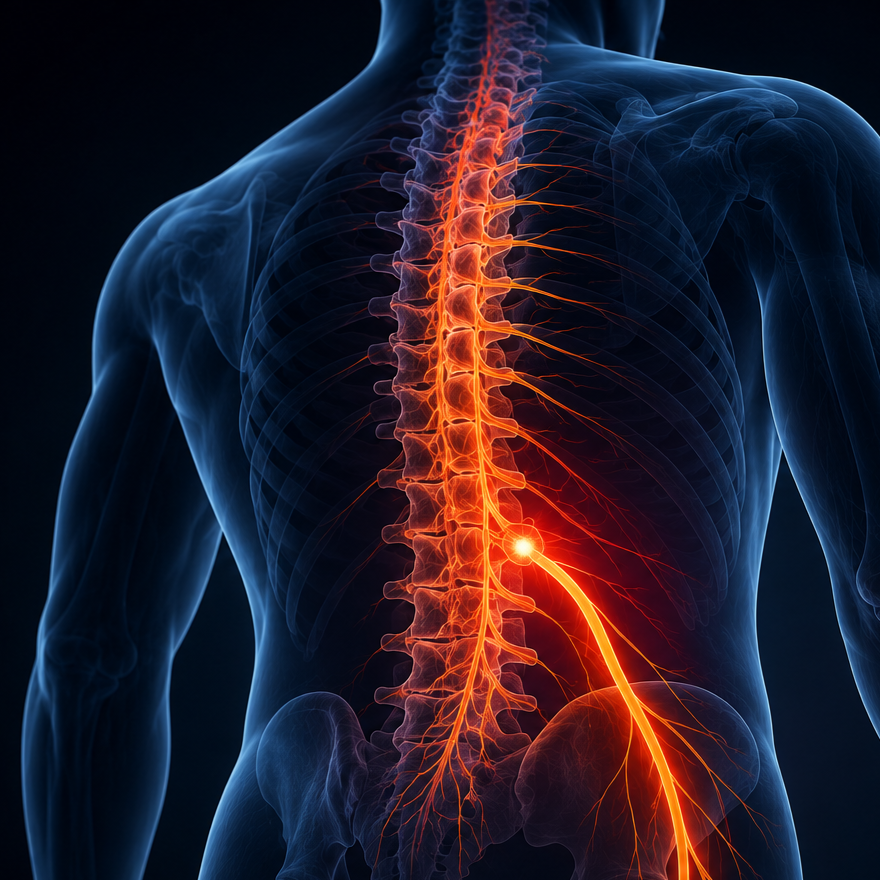
Sciatica
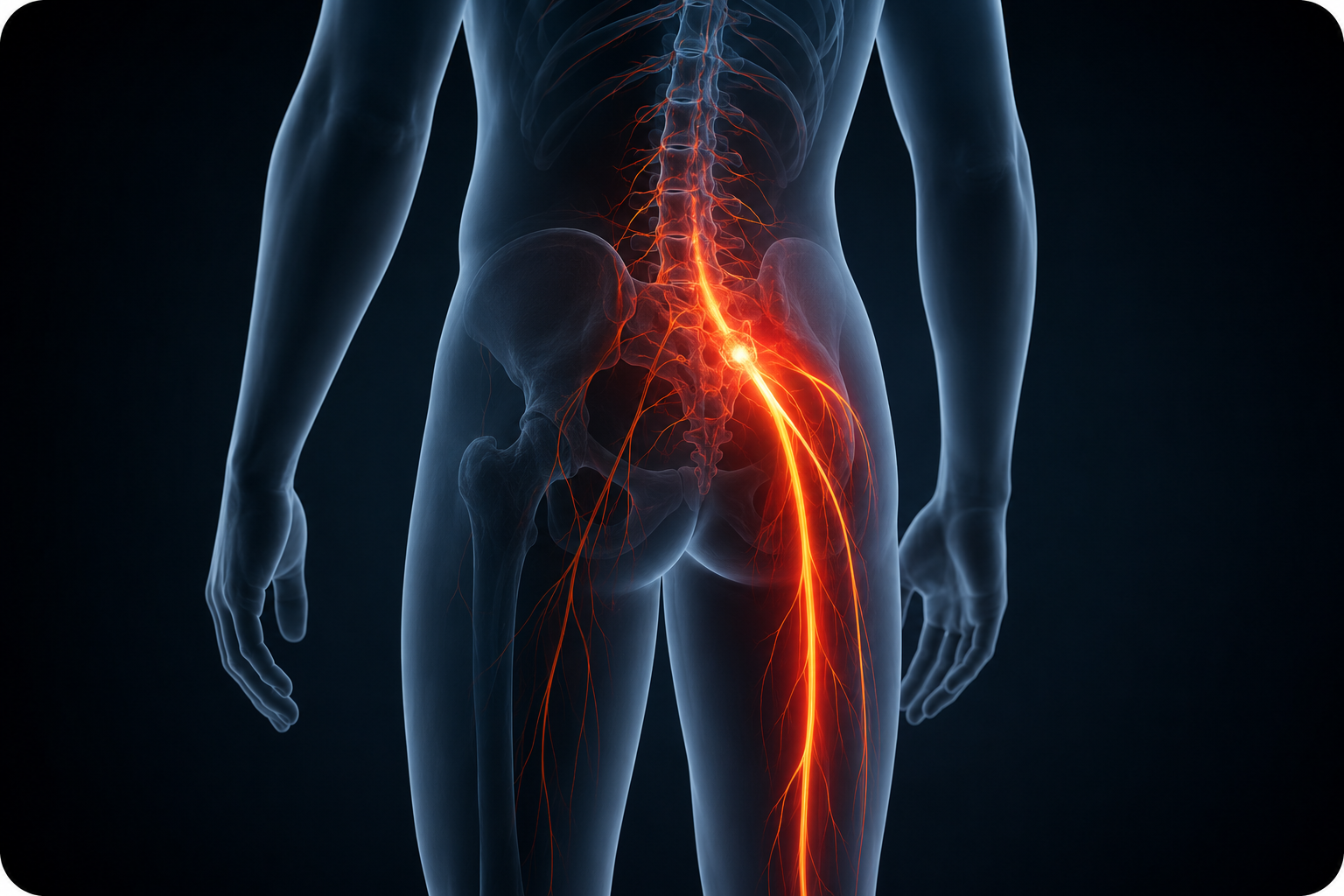
Pain, numbness, or tingling that travels from the lower back into the hip, glute, or leg due to irritation of the sciatic nerve.
-
![Peripheral Neuropathy]()
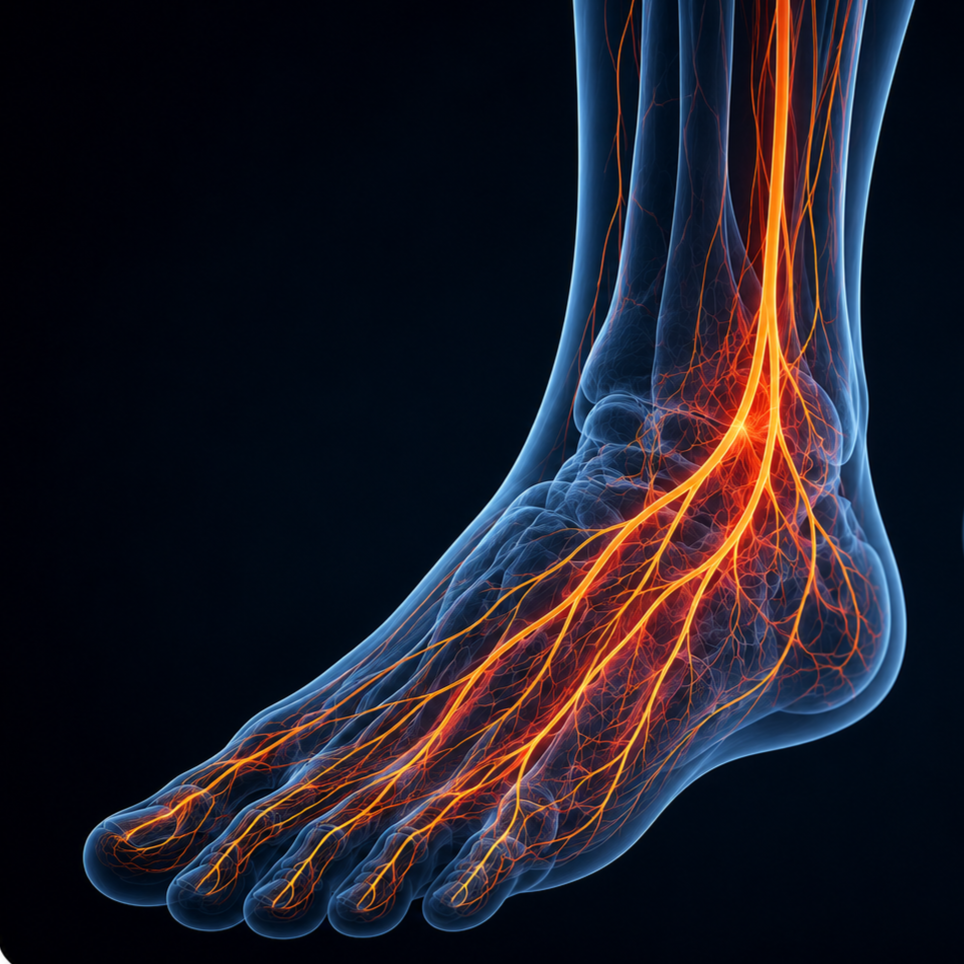
Peripheral Neuropathy
Damage or irritation to peripheral nerves that commonly causes burning, tingling, numbness, or balance problems in the hands and feet.
-
![horacic Outlet Syndrome & Other Nerve Entrapments]()
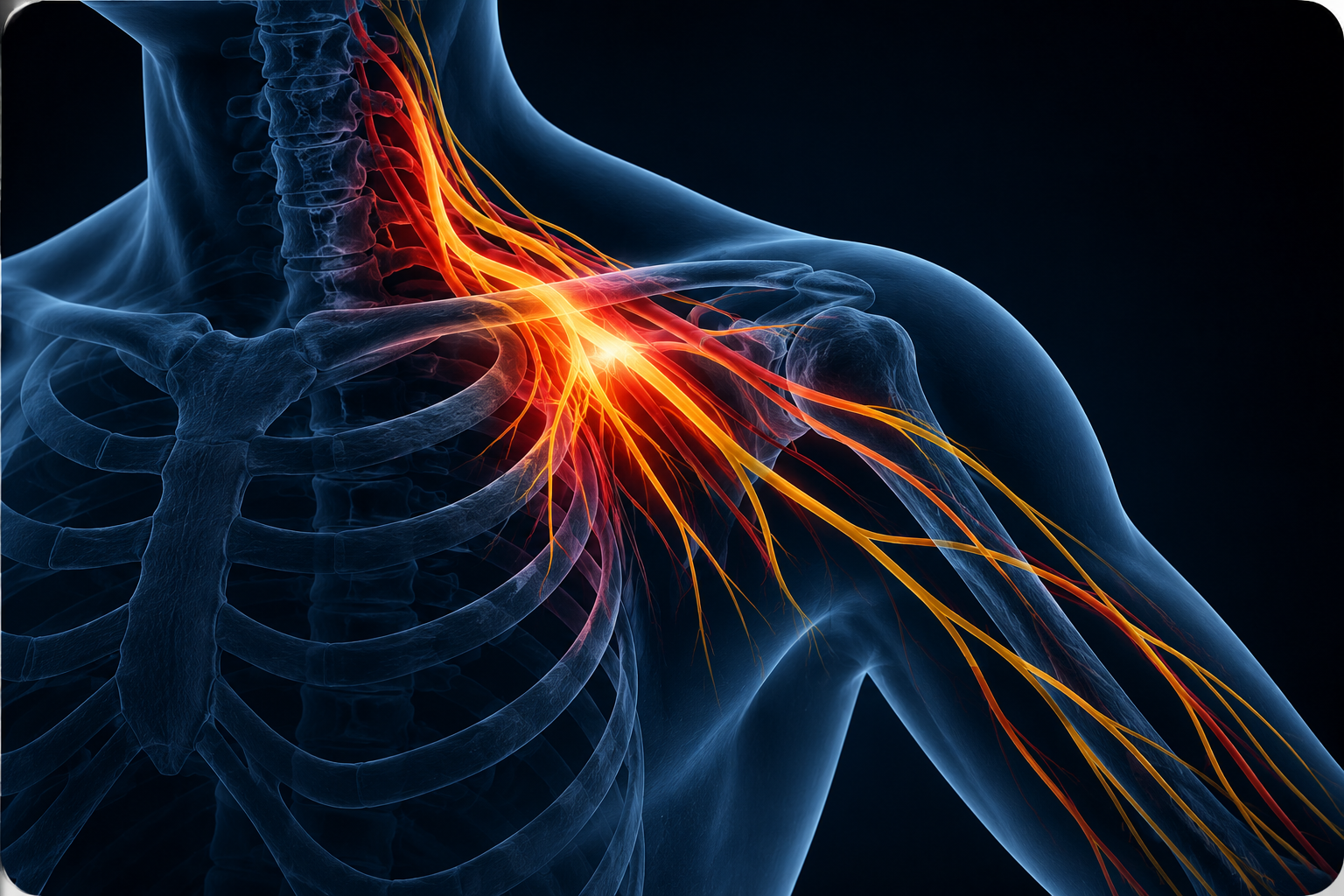
Thoracic Outlet Syndrome & Other Nerve Entrapments
Compression of a nerve by surrounding muscles or tissues that can cause pain, numbness, tingling, or weakness in the arm, shoulder, or hand.
-
![Radiculopathy]()
Radiculopathy
A pinched or irritated nerve near the spine that can cause pain, weakness, numbness, or tingling into the arm or leg.
-
![Carpal Tunnel Syndrome]()
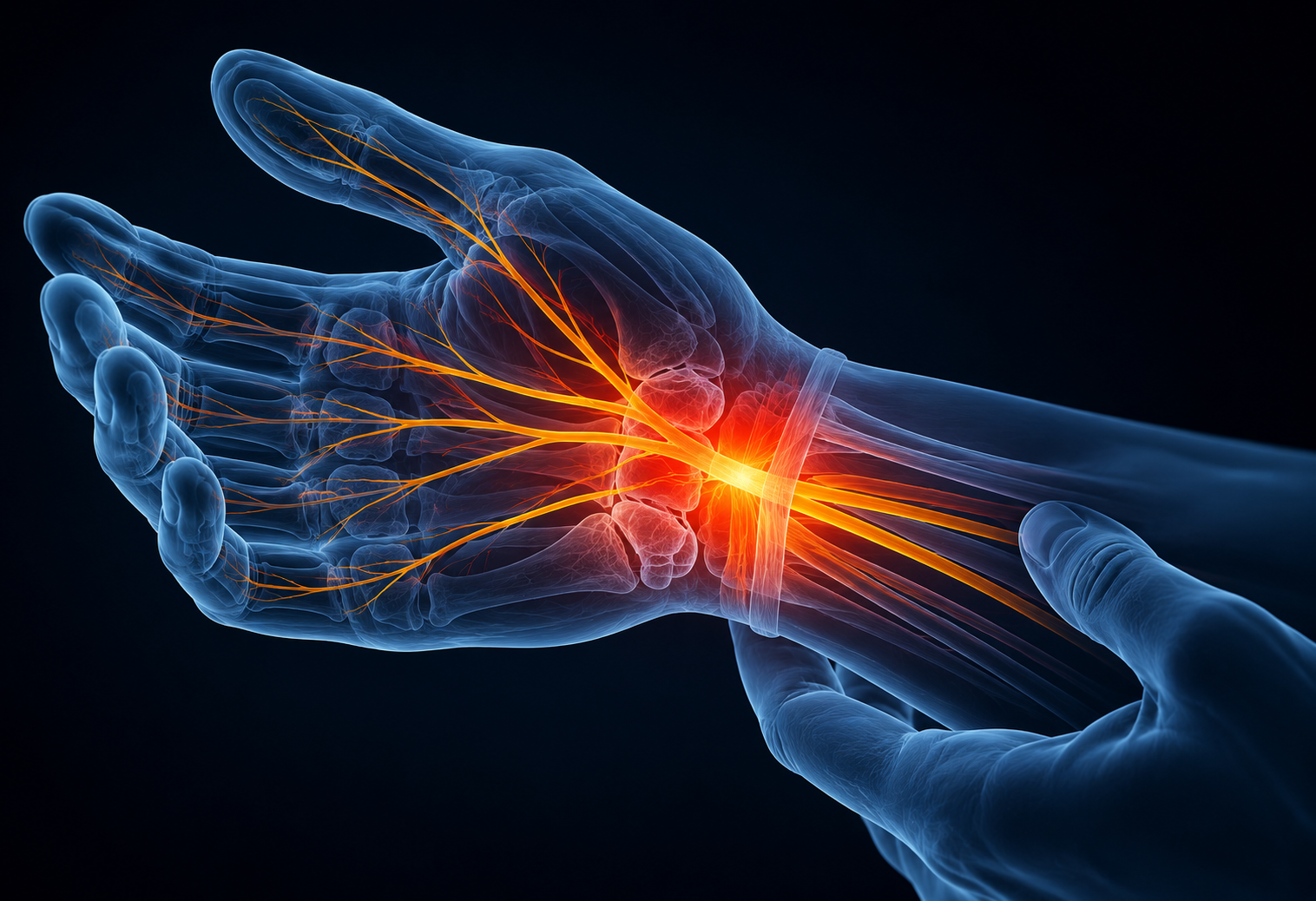
Carpal Tunnel Syndrome
Compression of a nerve at the wrist that can lead to numbness, tingling, weakness, or discomfort in the hand and fingers.

Hip labral tears can happen to anyone, but most often affect athletes who participate in high-impact sports.
Source: John Hopkins University→
How we can Help
How Does Physical Therapy Help?
At Cuirim Sports Recovery, we regularly work with active adults, runners, rotational athletes, older adults, and post-operative patients experiencing hip pain. While every case is different, our approach begins by identifying the movement limitations, strength deficits, mobility restrictions, and other factors contributing to your symptoms so we can determine the most effective treatment strategy for your recovery.
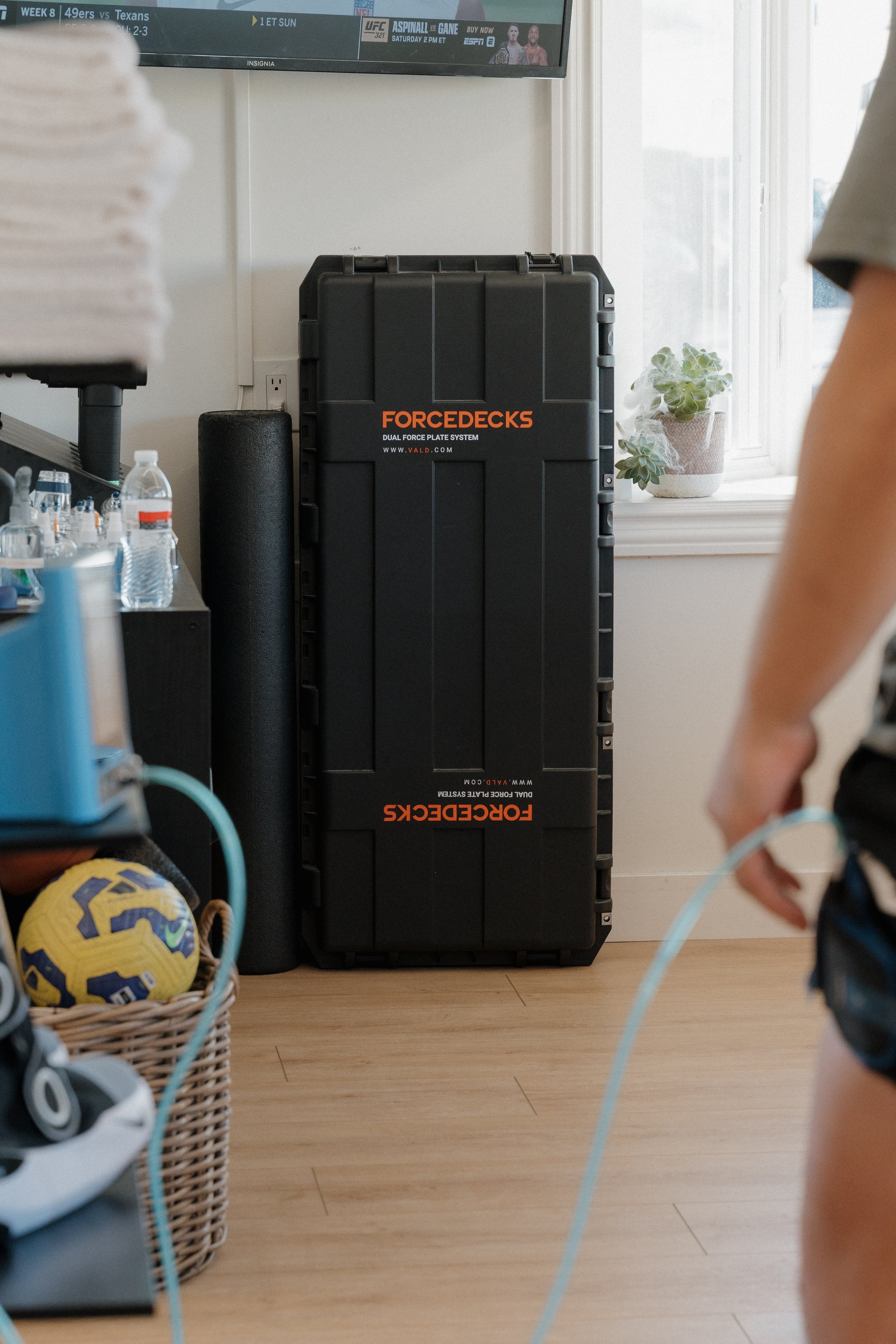
Understanding the root cause of hip pain starts with a thorough assessment. Depending on your symptoms and goals, we evaluate hip range of motion, strength of the glutes, hip flexors, adductors, and hamstrings, movement patterns such as walking and single-leg tasks, and when appropriate, we use force plates and dynamometry for objective testing.
The key metrics we track include strength symmetry, hip mobility, single-leg stability, load tolerance, and overall movement quality. These measurements help us identify limitations, guide treatment decisions, and objectively monitor your progress throughout rehabilitation.
VALD Force Plates
To assess strength, power, and side-to-side asymmetries.
Our Approach to Hip Pain Relief
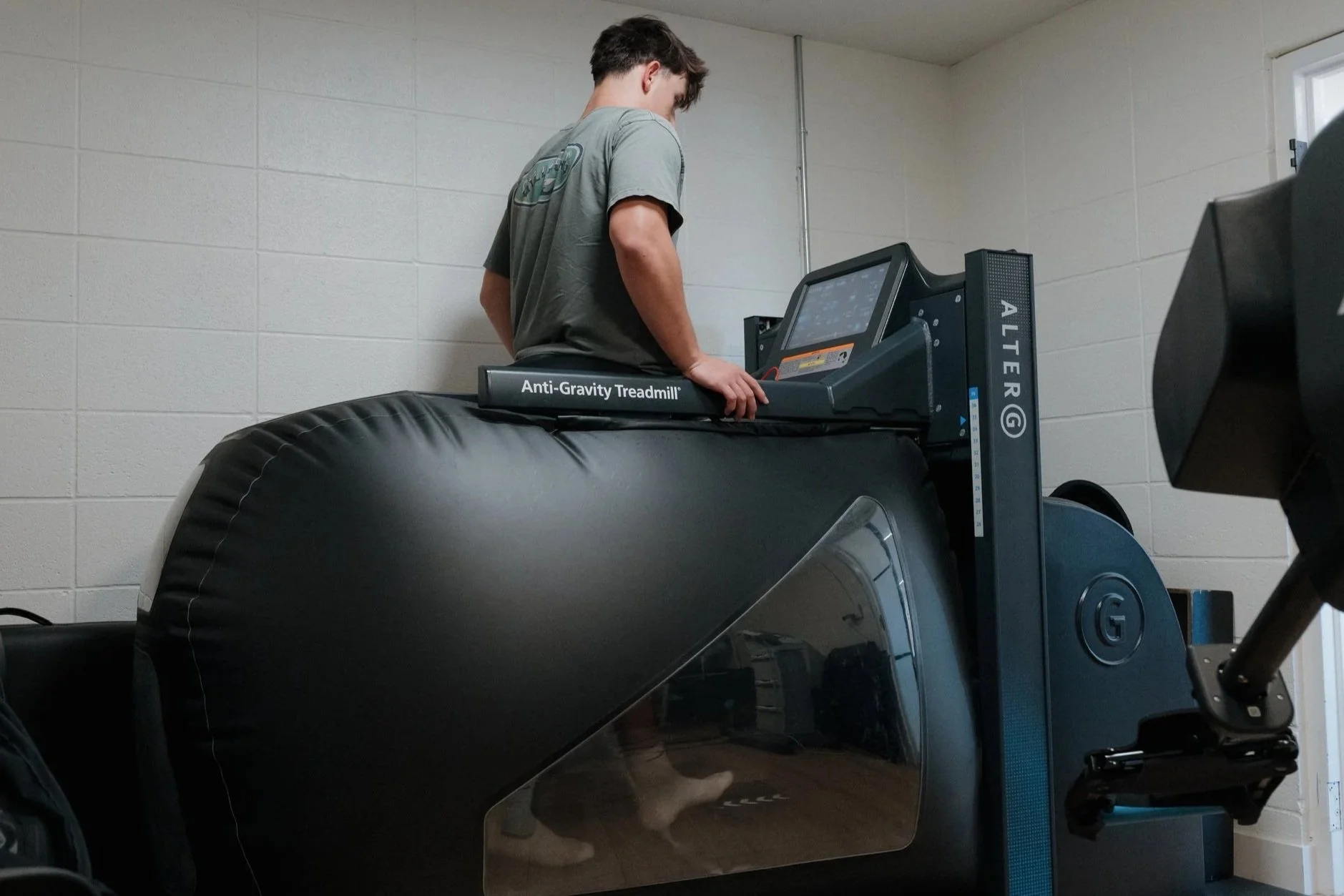
Anti-Gravity Treadmill
For a gradual return to walking and running with reduced joint stress.
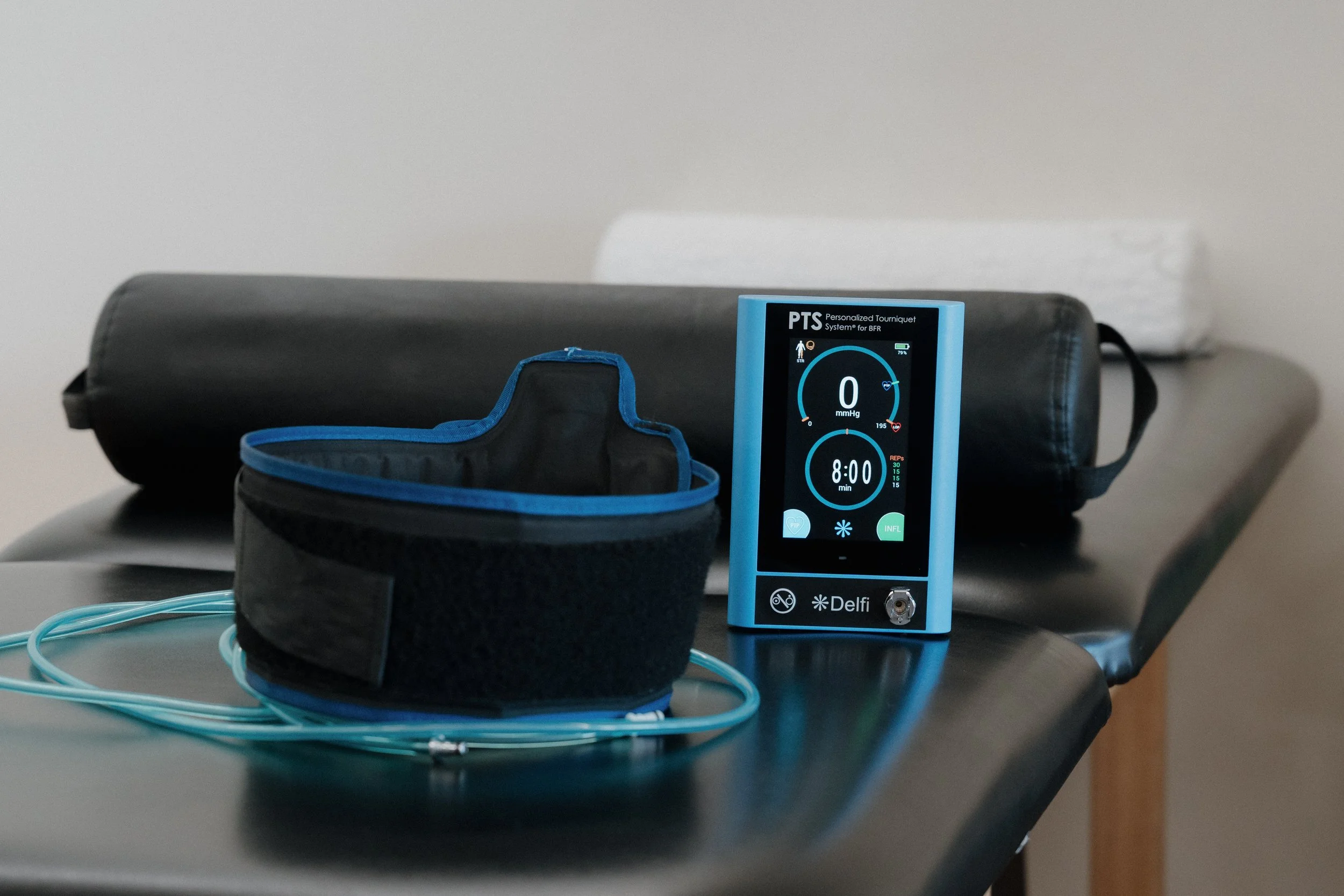
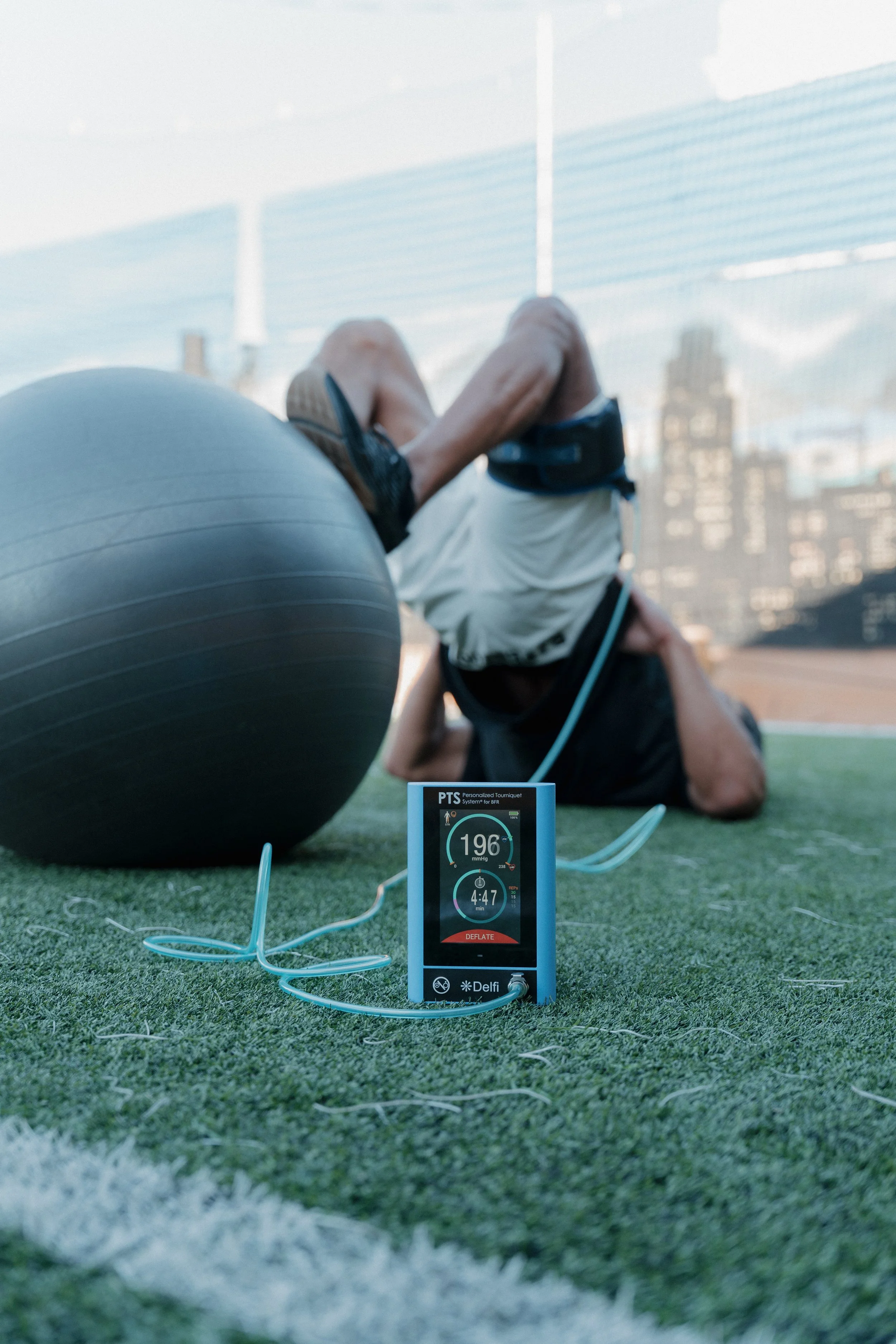
Blood Flow Restriction
To improve strength while minimizing load through the hip joint.
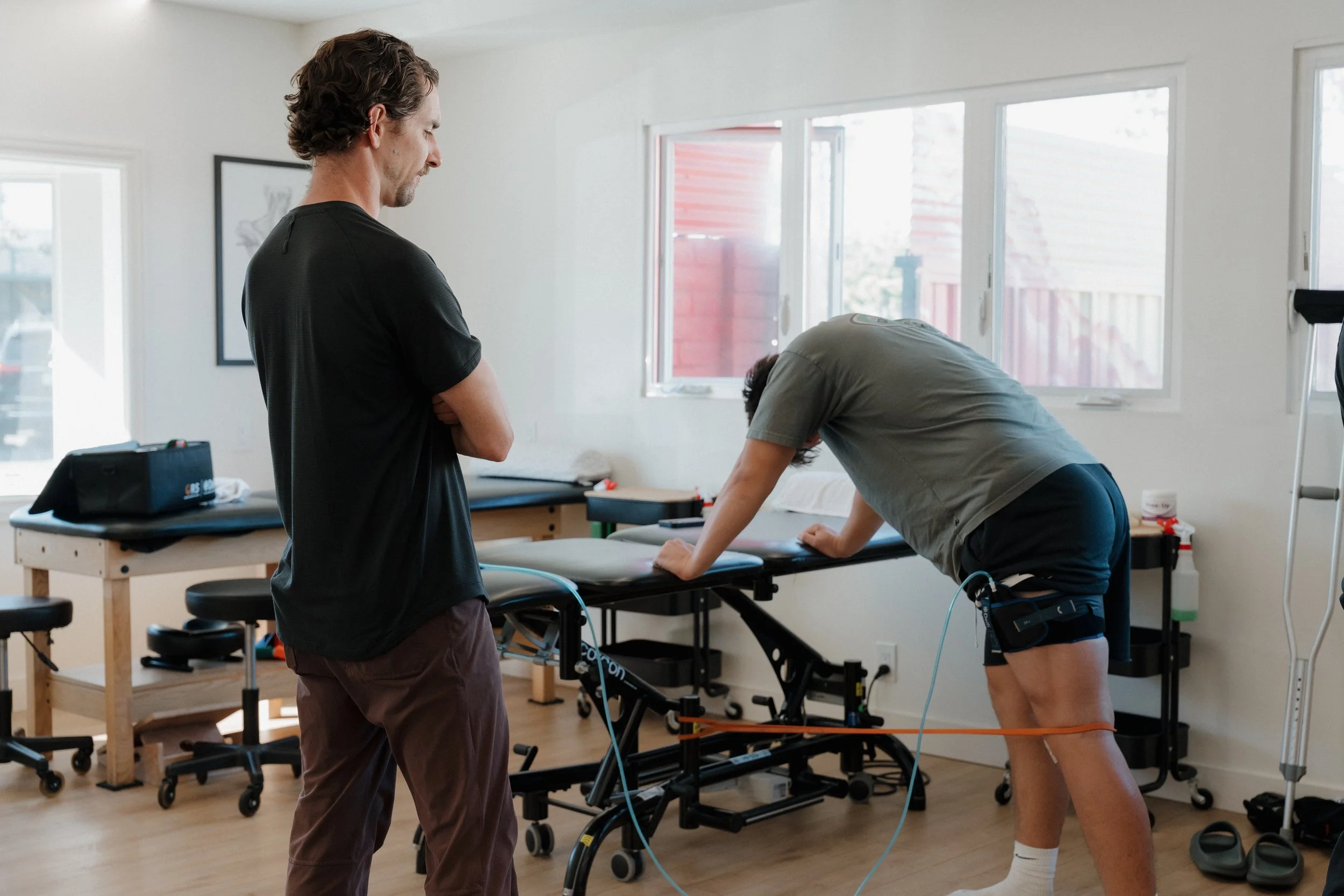
Movement Analysis
To identify movement patterns and mechanics contributing to pain.
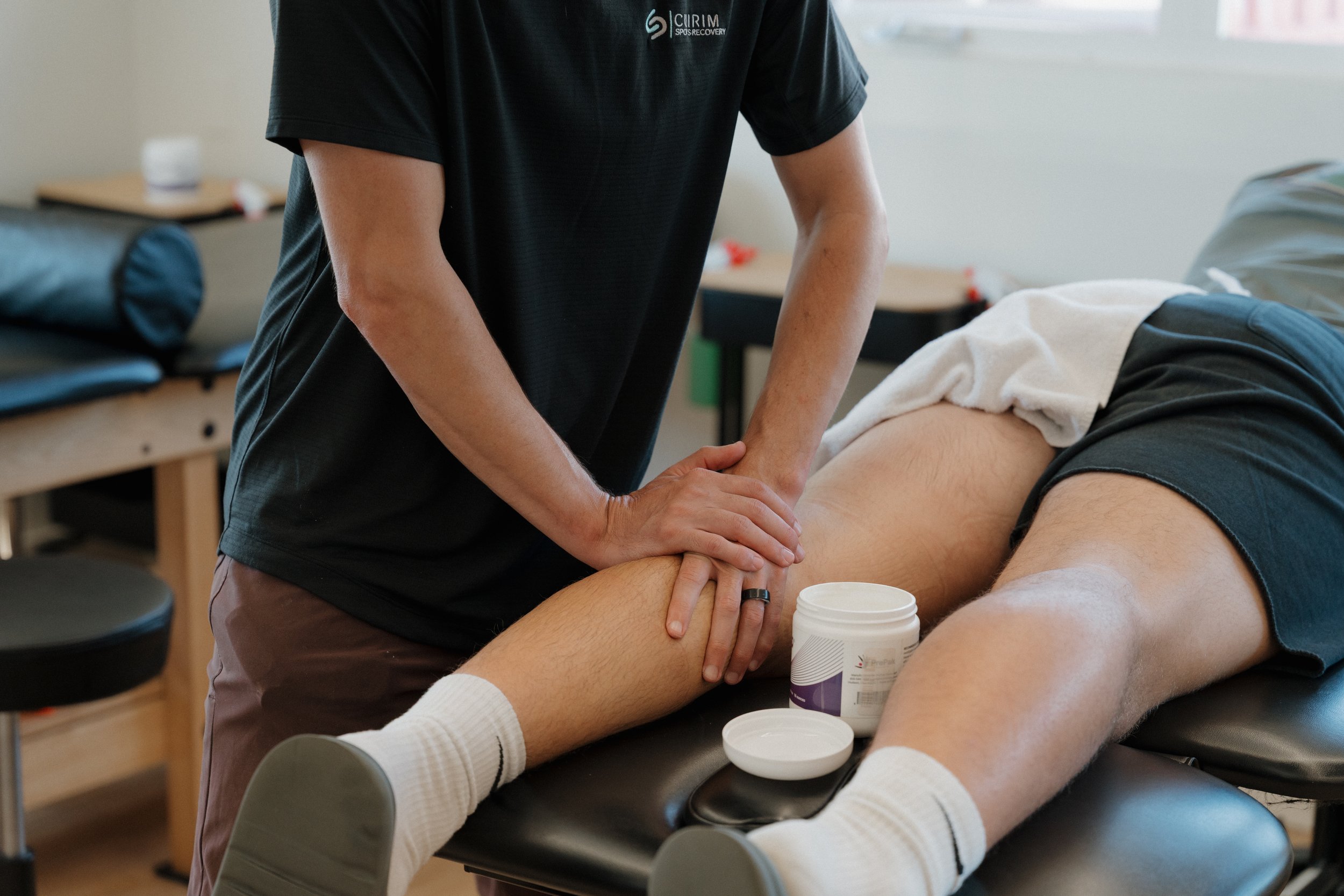
Manual Therapy
Soft tissue treatment, cupping, IASTM, joint mobilization, and other hands-on techniques.
How We can Help

Next Steps
Your Next Steps
You don’t have to let hip pain limit your movement or workouts. Addressing it early can help you avoid more serious issues down the road.
03.
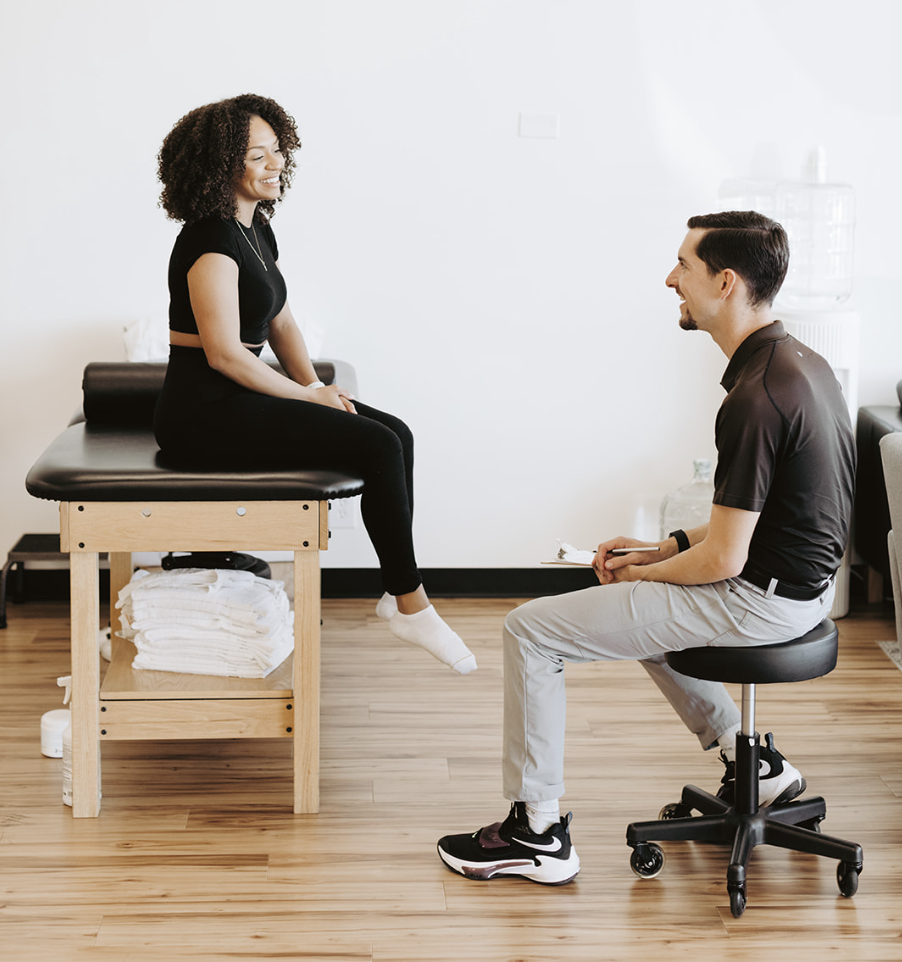
Attend Your First Visit

04.
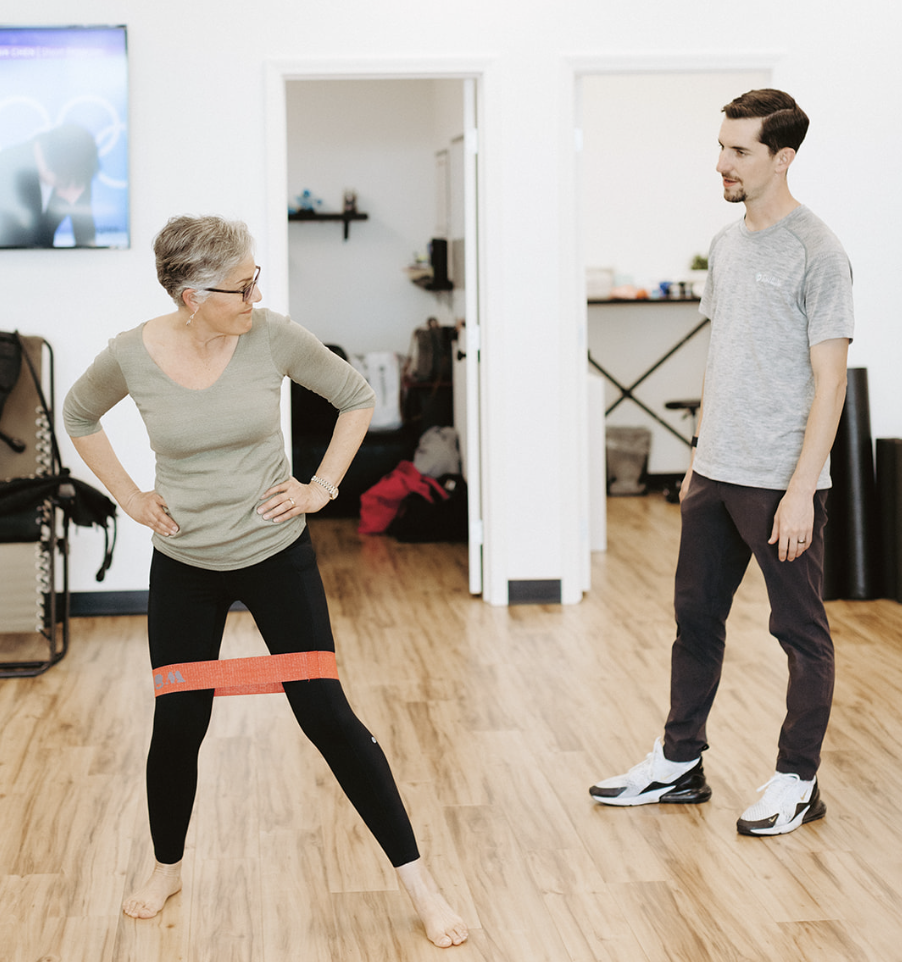
Start Moving Pain-Free
Frequently Asked Questions
-
Hip pain doesn’t always come from a single injury. It can develop over time due to muscle imbalances, limited mobility, joint irritation, or even issues outside the hip, like the lower back or surrounding tissues. Research shows that hip pain can originate from multiple structures in and around the joint, which is why identifying the true source of symptoms is key to effective treatment.
-
In many cases, staying active is beneficial, but it depends on the type and severity of your pain. Modifying movements and avoiding positions that increase symptoms is key. Pushing through sharp or worsening pain can lead to further irritation, so it’s best to adjust your activity or get it evaluated if symptoms persist.
-
Hip stiffness is often related to limited mobility, muscle tightness, or prolonged sitting. When the muscles and joints around the hip aren’t moving well, it can create a feeling of restriction and discomfort, especially during activities like walking, squatting, or standing up after sitting.
-
Clicking or popping in the hip is often caused by tendons or muscles moving over bony structures, sometimes referred to as “snapping hip.” If it’s not painful, it’s usually harmless, but if it’s accompanied by pain, catching, or instability, it may indicate an underlying issue that should be evaluated.