
physical therapy for Work & sports related injuries IN COSTA MESA
SPORT INJURIES & ATHLETIC PERFORMANCE
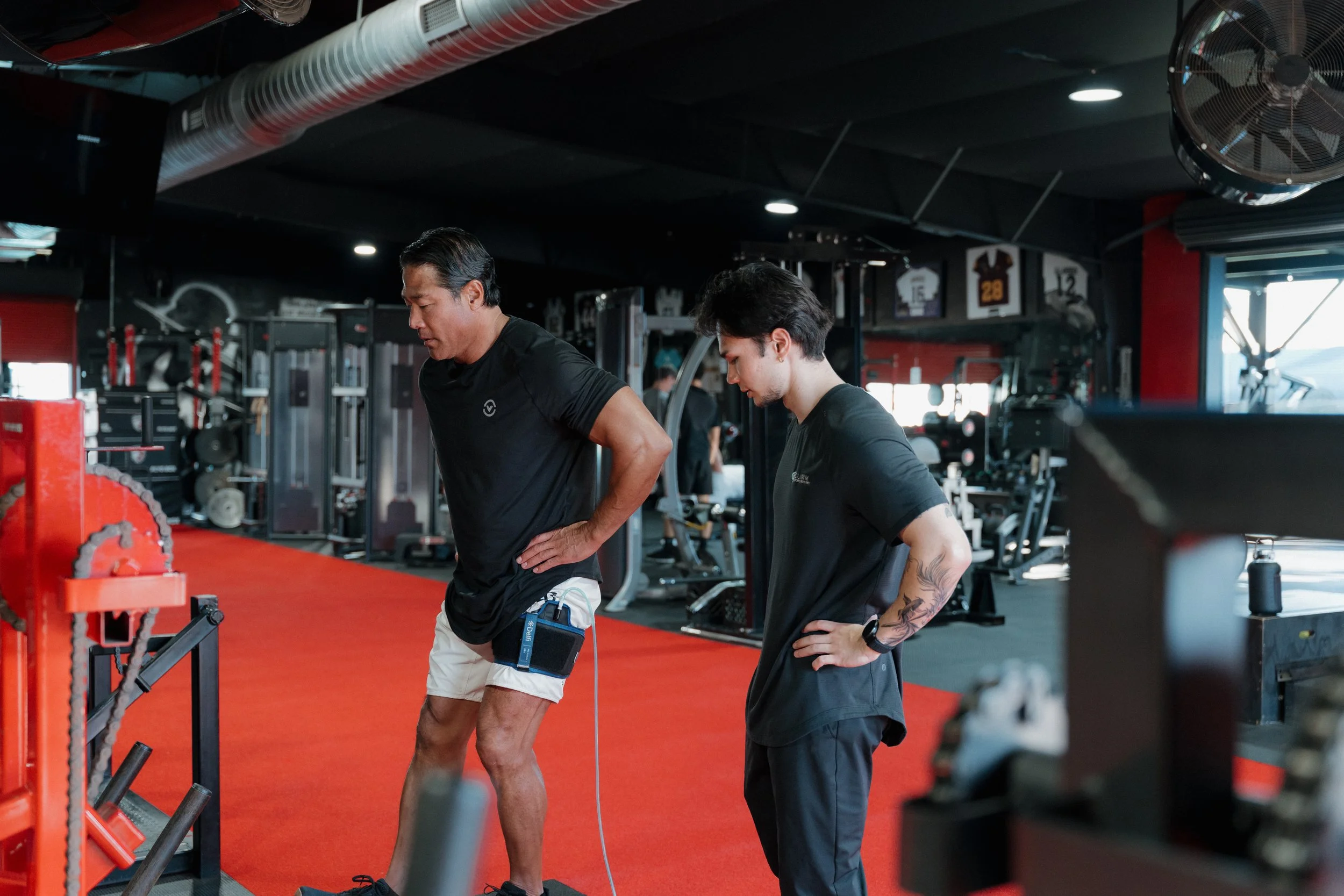
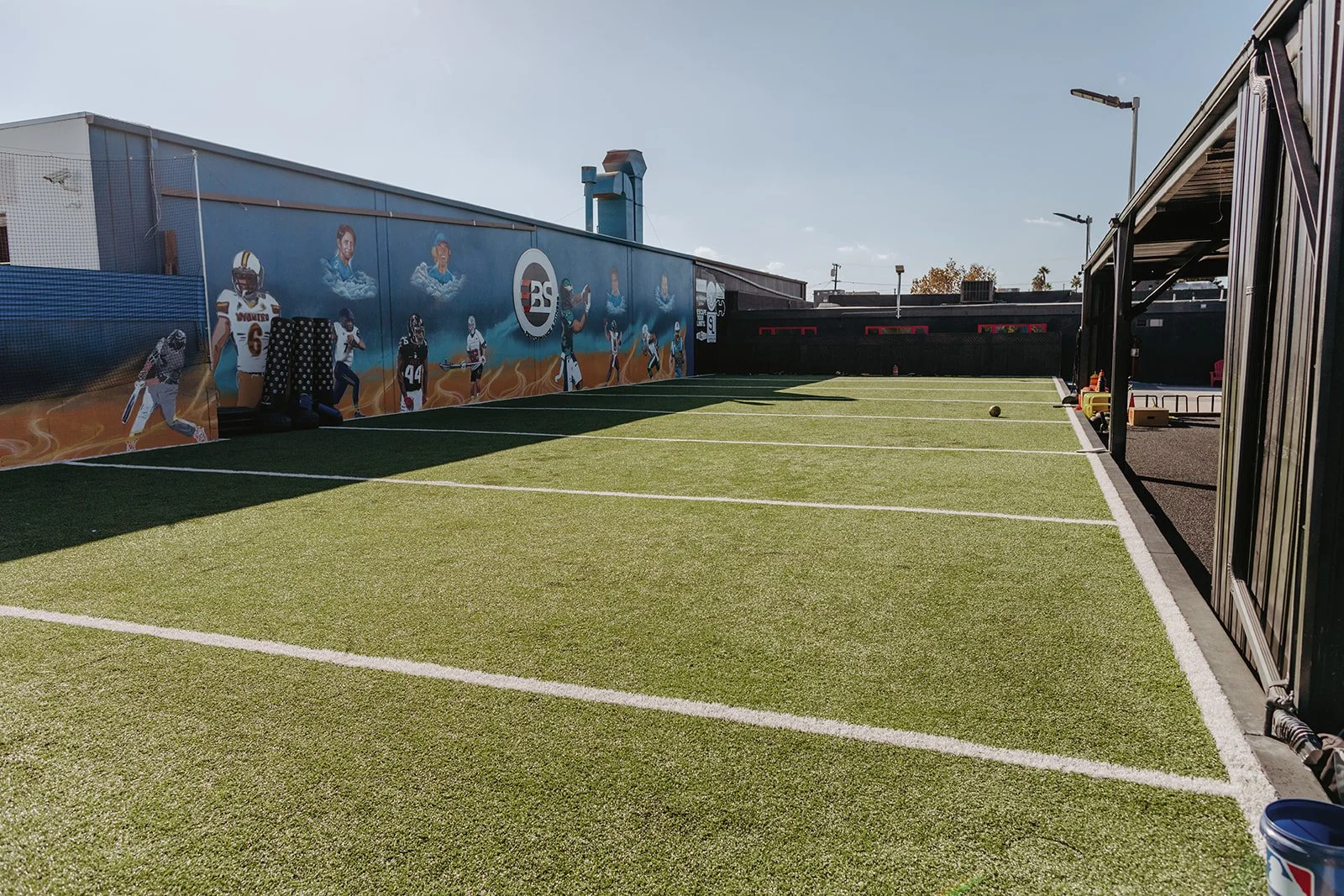
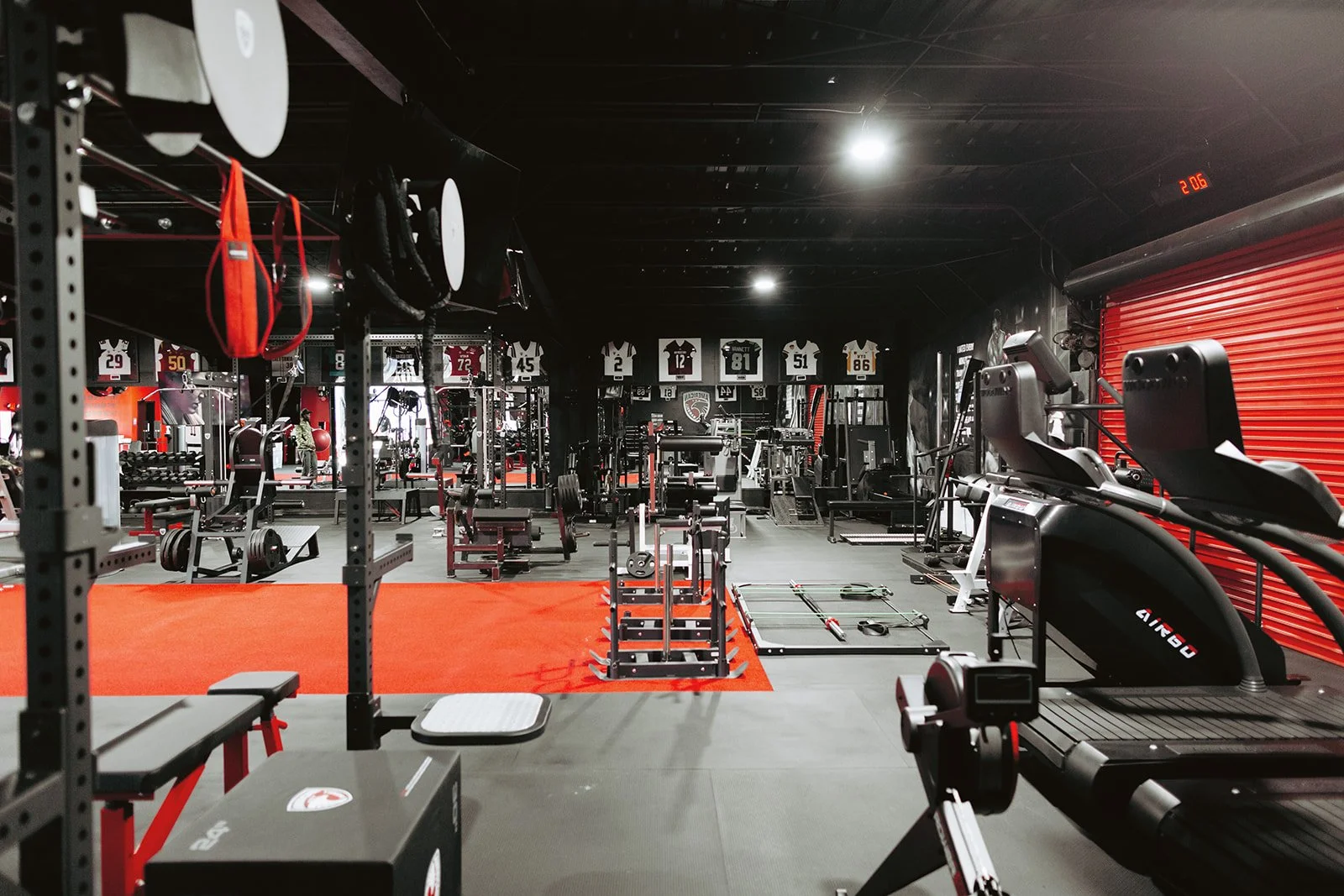
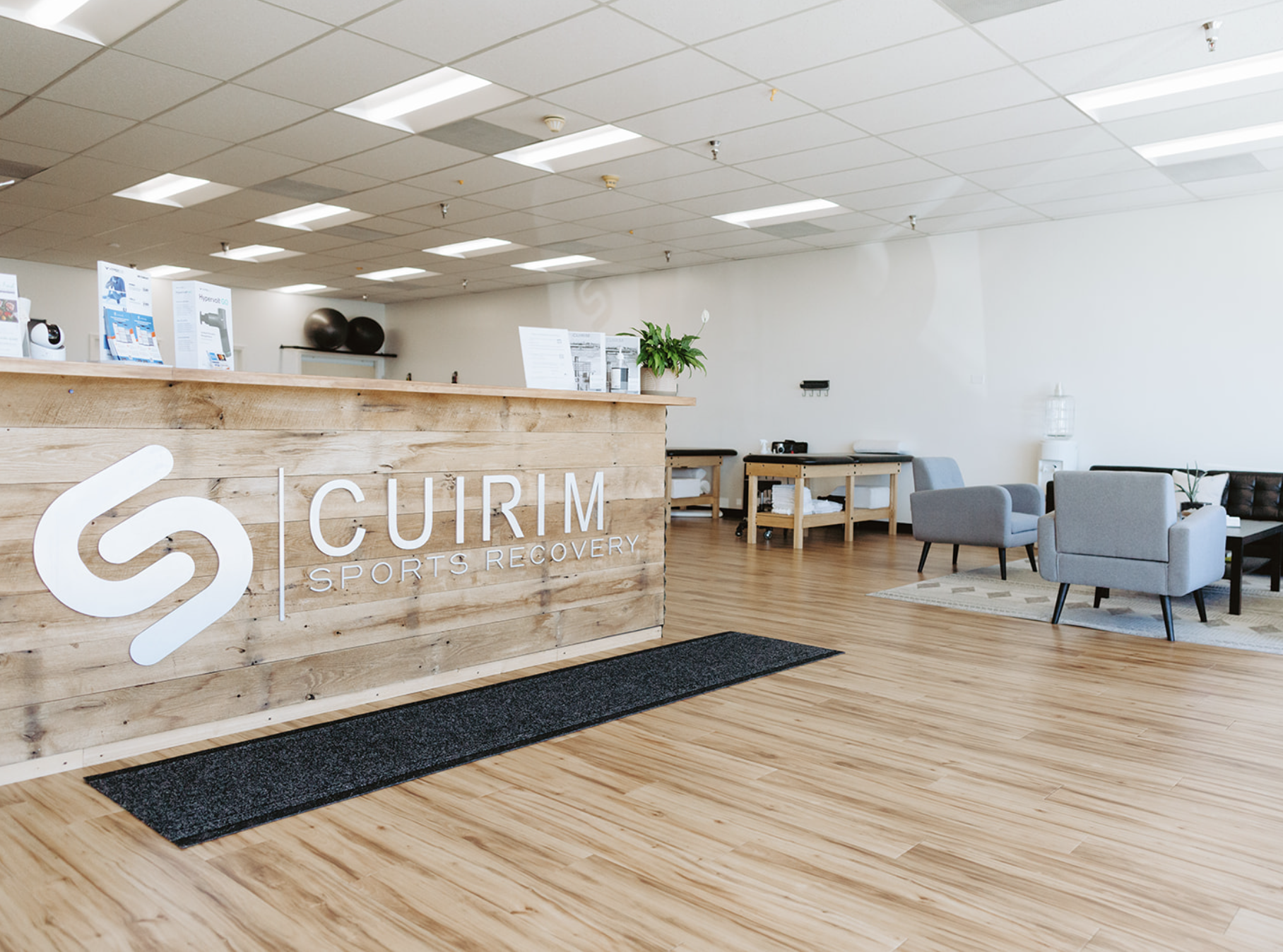
Sports injuries, overuse conditions, and movement limitations can make it difficult to train, compete, or stay active. At Cuirim Sports Recovery, we identify the factors contributing to your symptoms and create a personalized treatment plan to restore movement, reduce pain, improve performance, and help you return to training, competition, and the activities you enjoy. Our sports-focused team combines physical therapy and athletic training expertise with advanced rehabilitation technology and a partnership with EBS Performance Fitness to support every stage of recovery and athletic development.
How Can Physical Therapy Help Sports Injuries & Improve Athletic Performance?
How we can Help
How We can Help
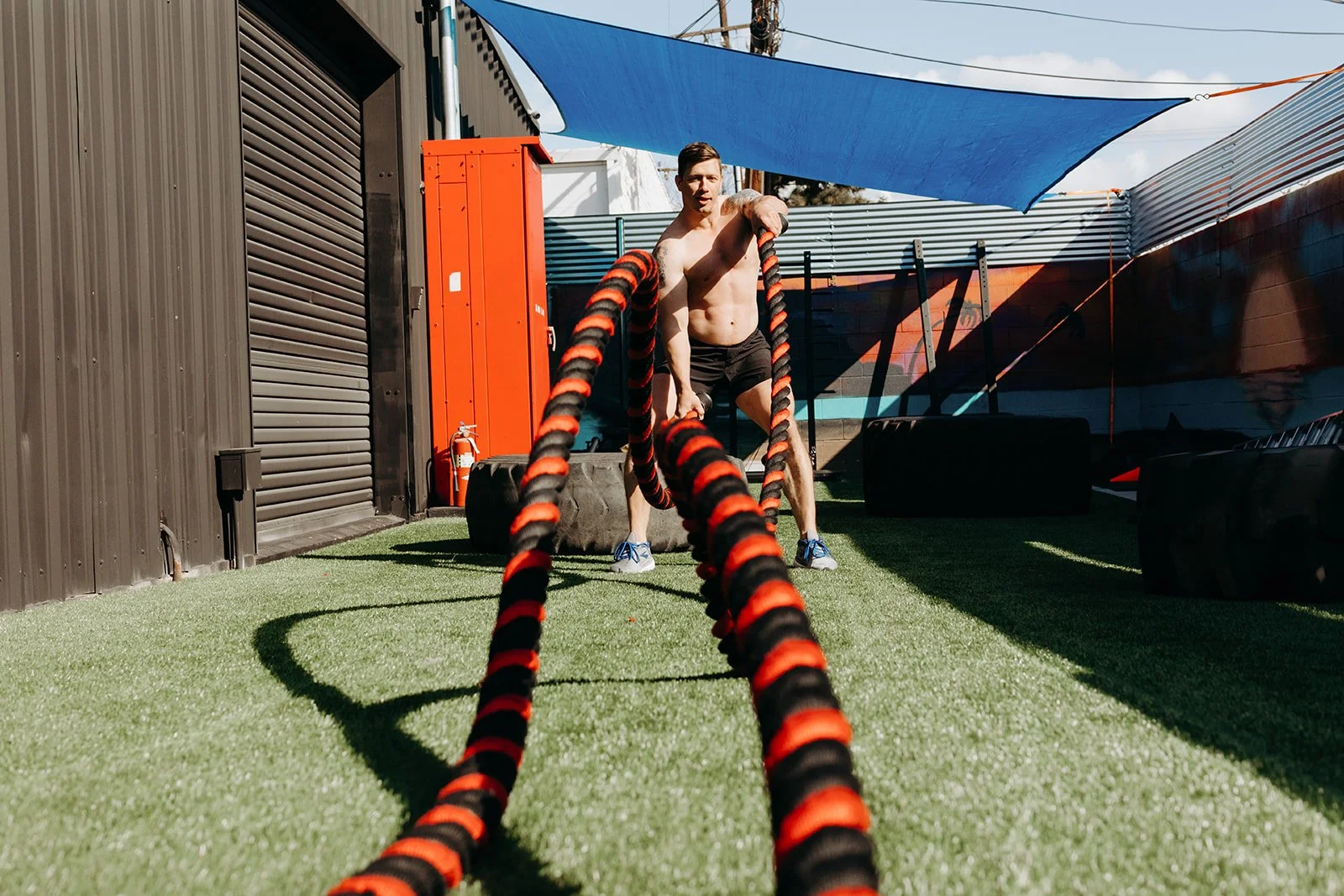
Our Approach to Sports Injuries & Athletic Performance
-
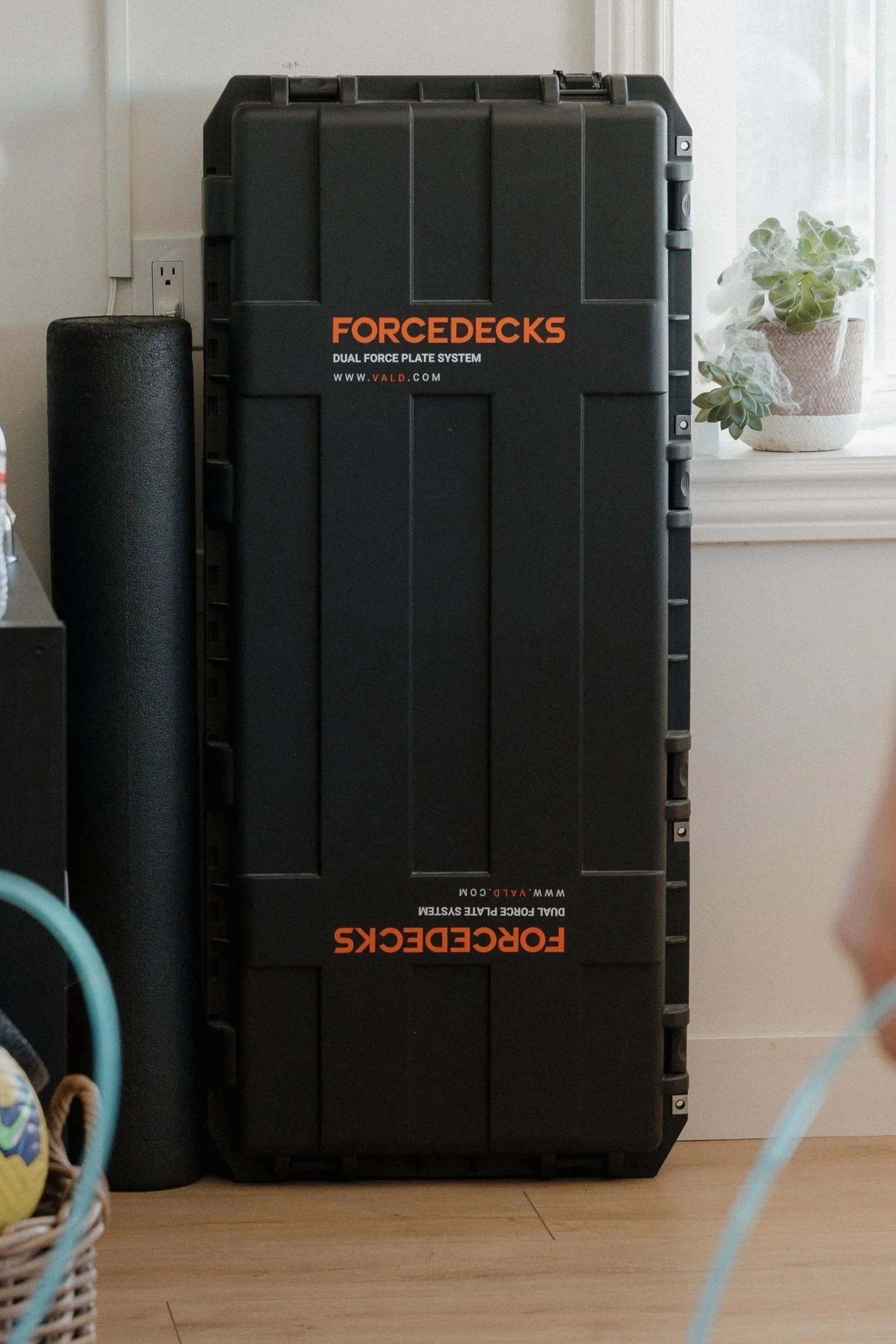
![VALD FORCE DECKS]()
VALD FORCE DECKS
CHANGE
-
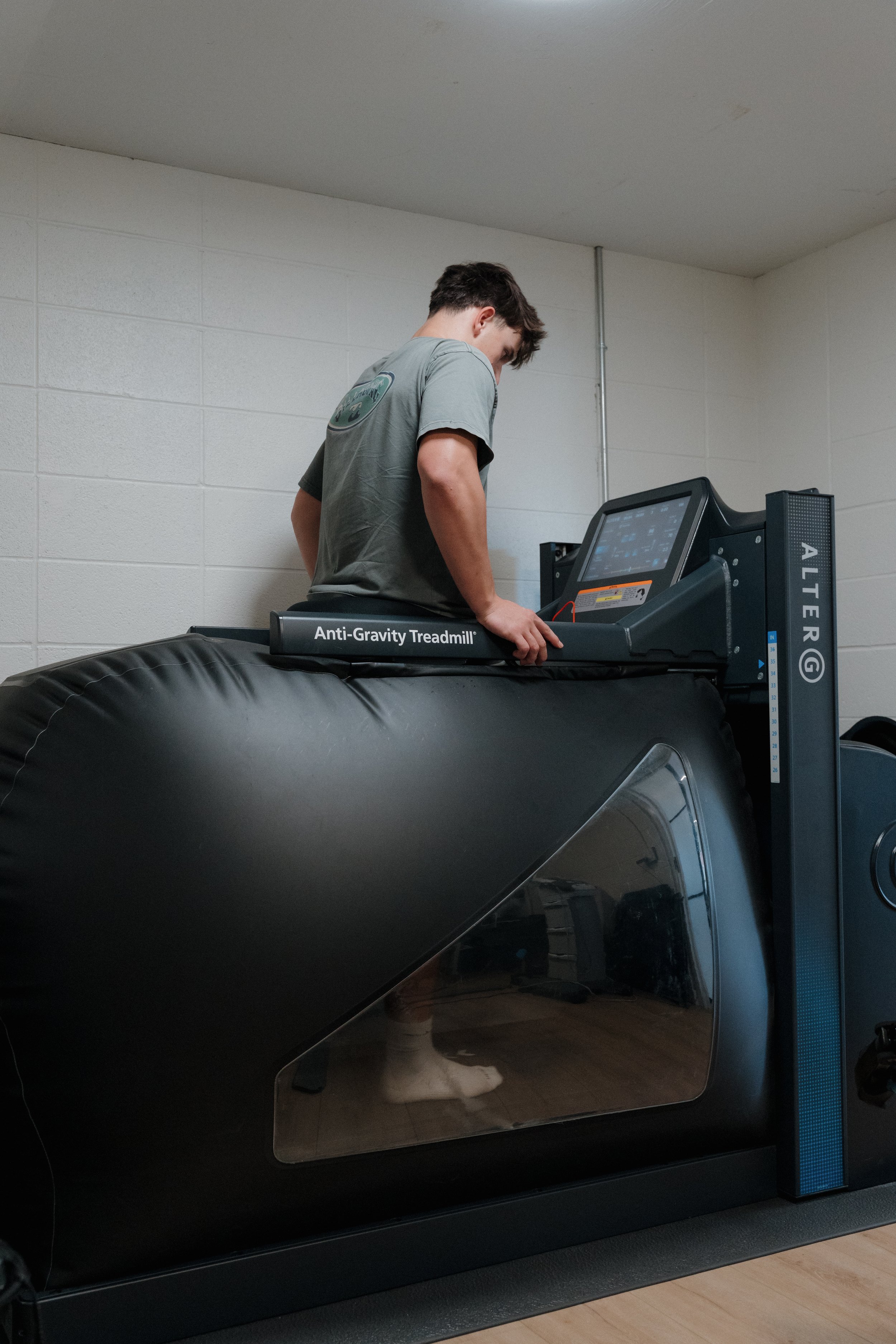
![AlterG Anti-Gravity Treadmill]()
ALTERG ANTI-GRAVITY TREADMILL
CHANGE
-
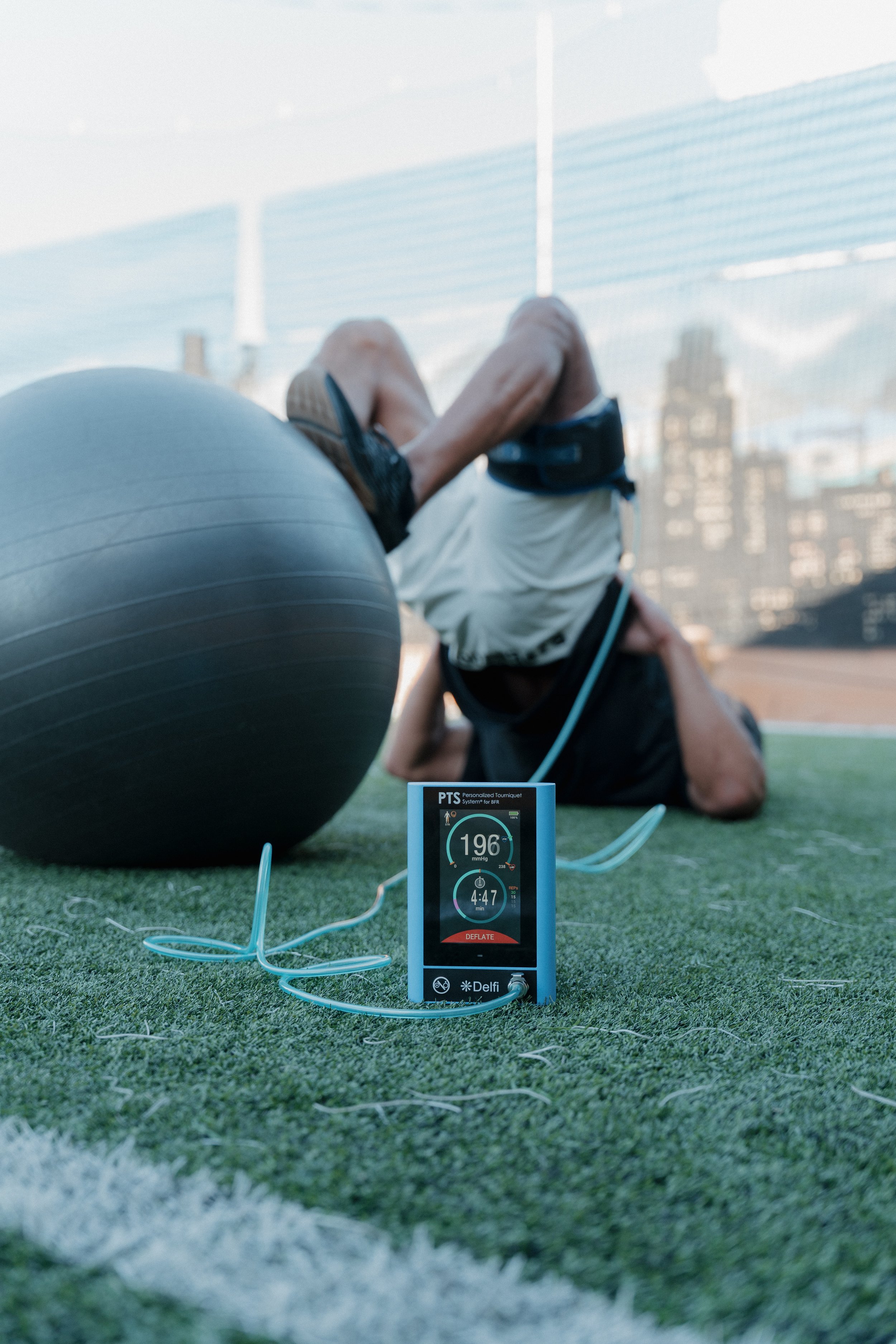
![Blood Flow Restriction (BFR)]()
BLOOD FLOW RESTRICTION (BFR)
CHANGE
-
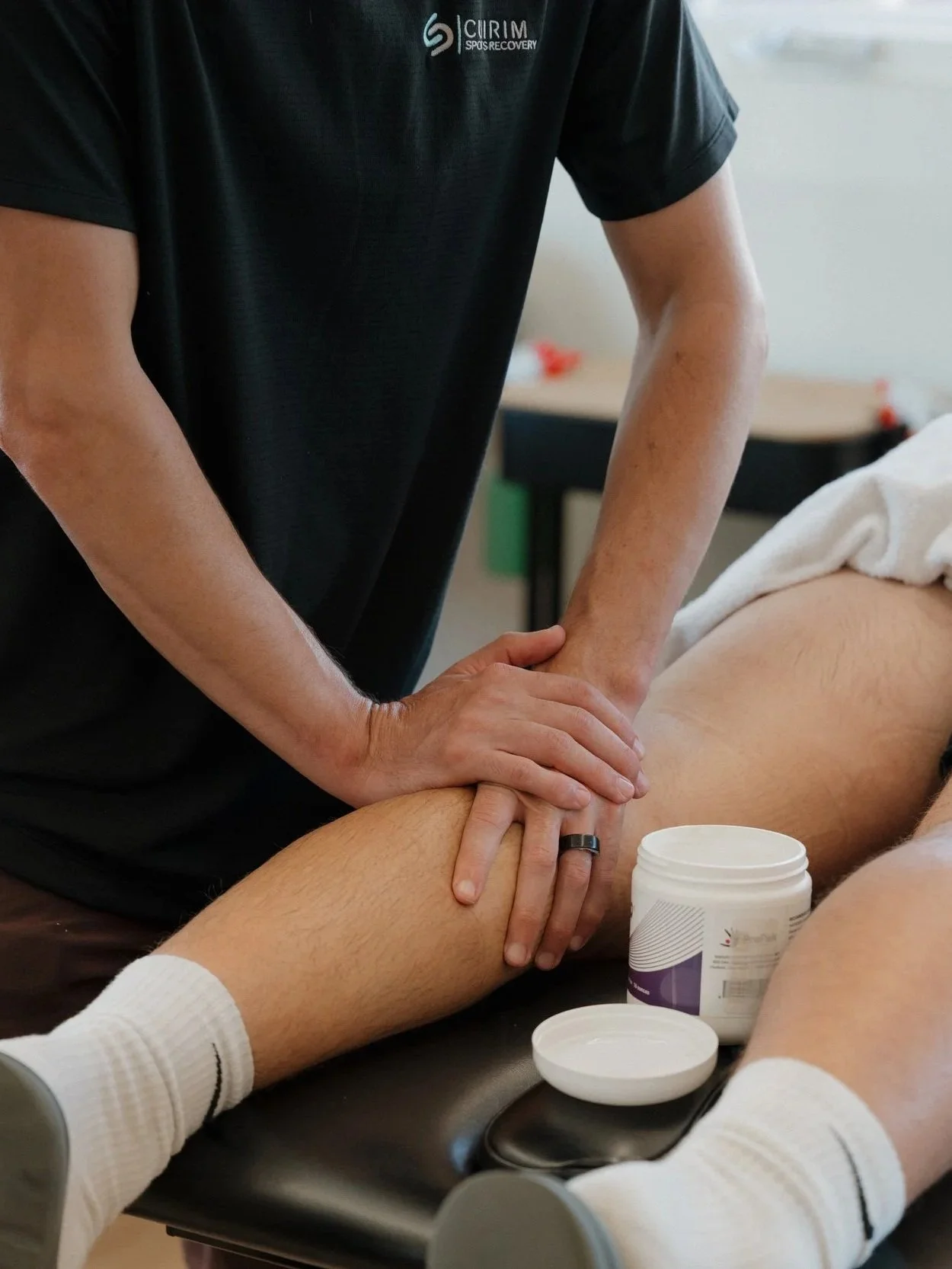
![Manual Therapy]()
MANUAL THERAPY
CHANGE
-
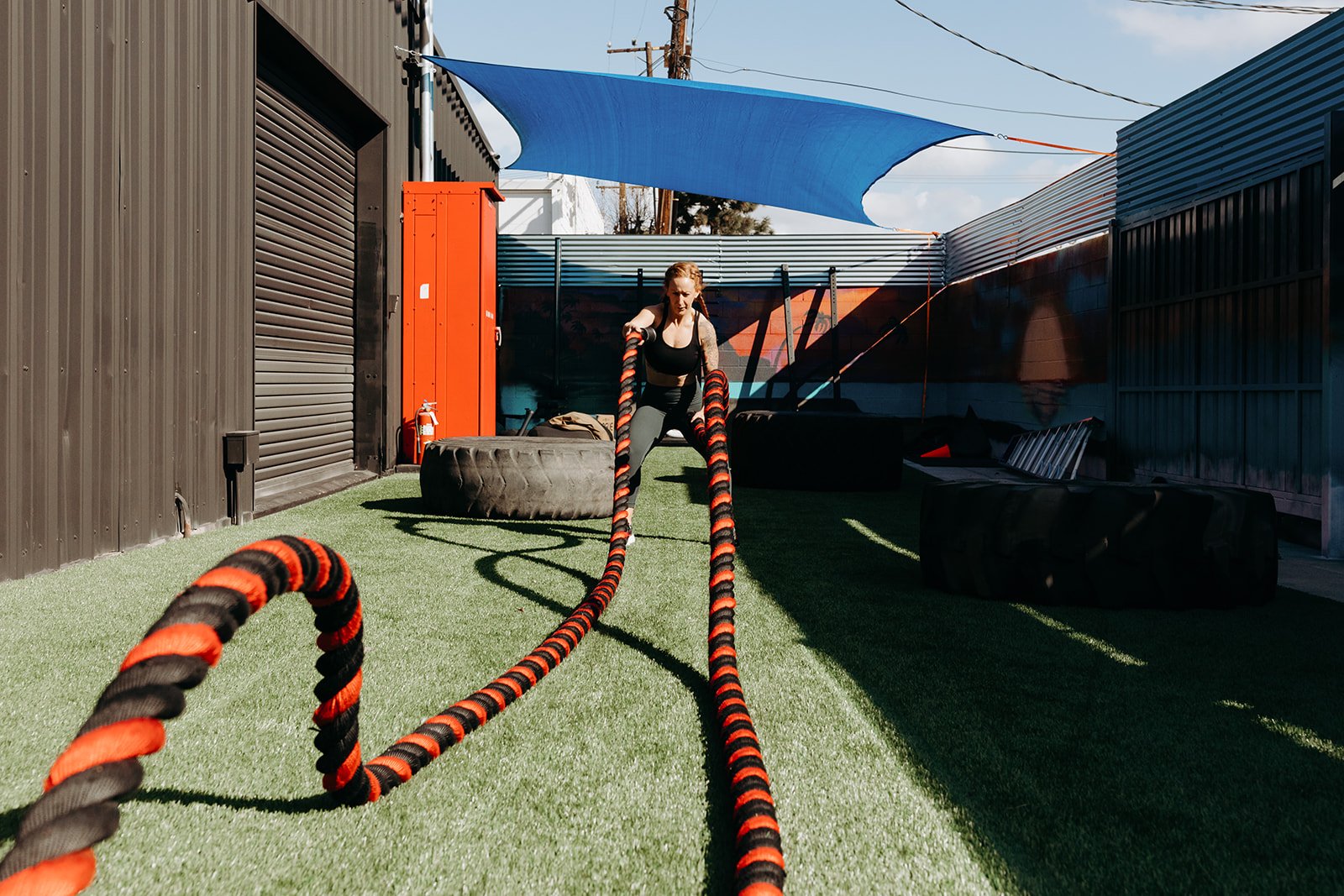
![Individualized Exercise Program]()
INDIVIDUALIZED EXERCISE PROGRAM
CHANGE
“In the U.S., about 30 million children and teens participate in some form of organized sports, and more than 3.5 million injuries each year [...] are experienced by the participants.”
Source: John Hopkins
TYPES OF CONDITIONS
Sports Injuries & Athletic Performance Conditions We Treat
Sports injuries and performance limitations can cause pain, weakness, stiffness, instability, reduced mobility, or decreased athletic performance. Whether you're recovering from an acute injury, managing an overuse condition, or looking to move and perform at a higher level, our team develops a personalized treatment plan to help you recover and reach your goals. We treat a wide range of sports injuries and athletic performance conditions, including but not limited to those listed below.
Common causes
WHY DO SPORTS INJURIES HAPPEN?
Next Steps
Your Next Steps
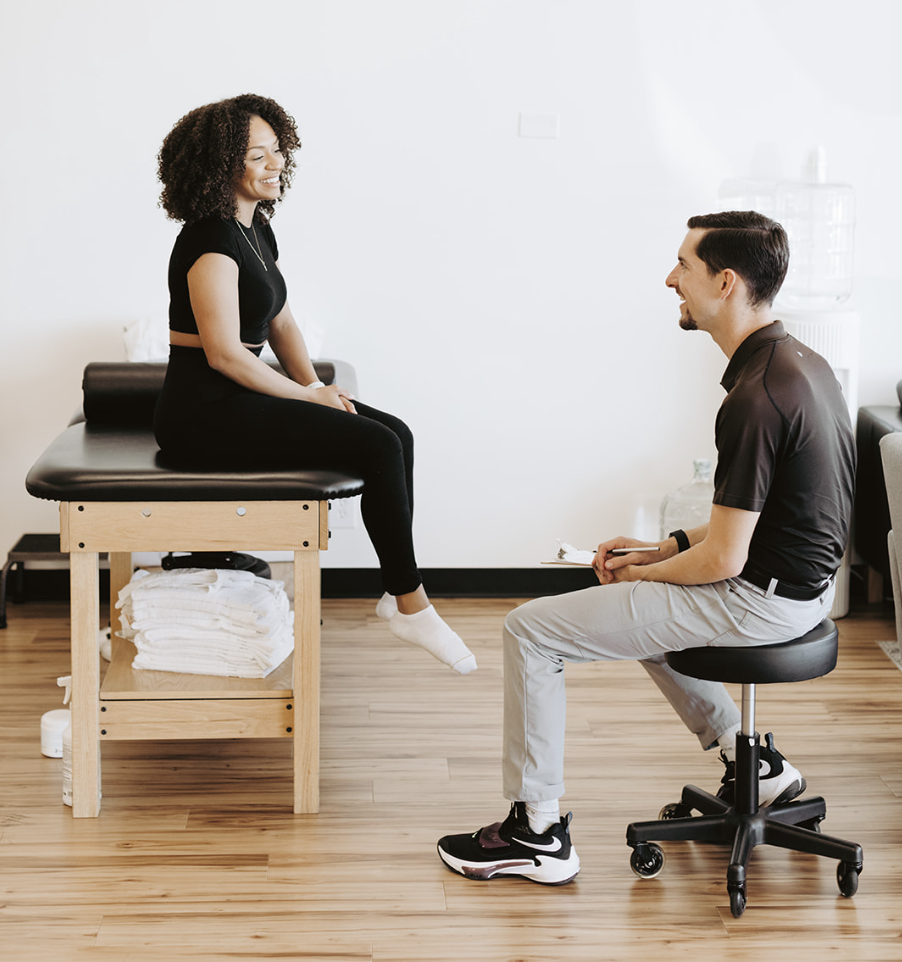
You don't have to let injuries or movement limitations keep you from performing at your best. Whether you're recovering from an injury or looking to improve strength, mobility, and athletic performance, our team can help you move with confidence and get back to doing what you love.
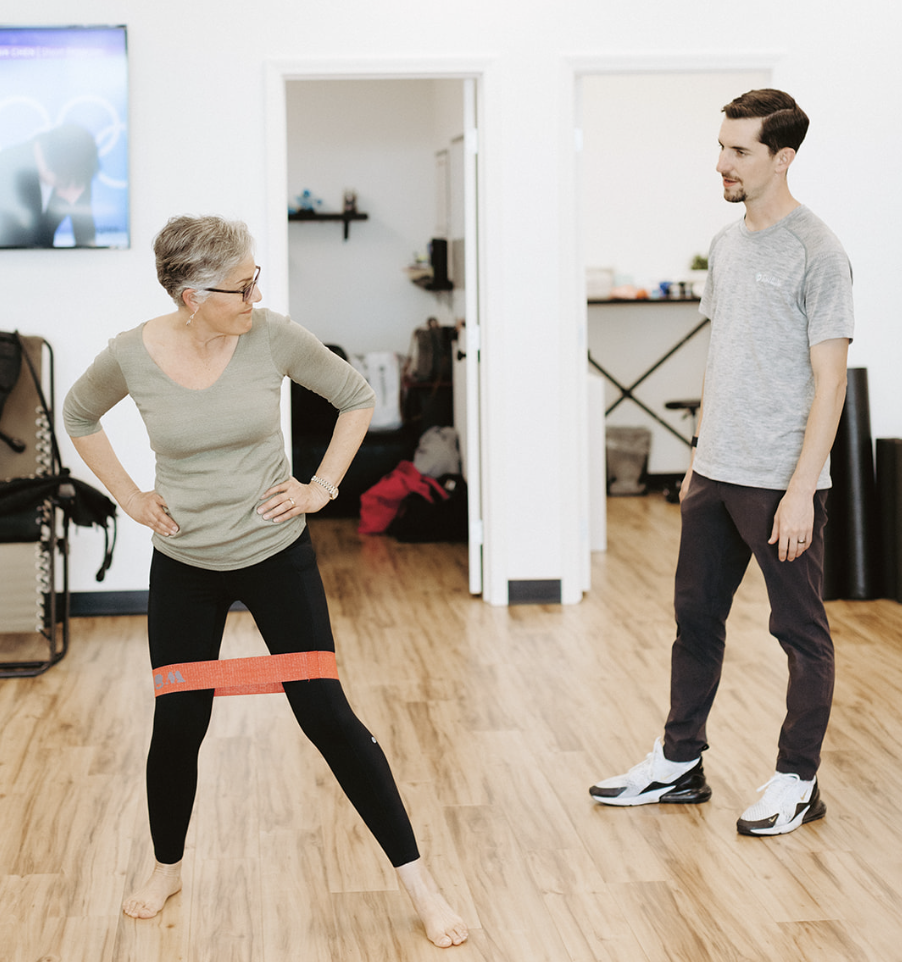
03.
Attend Your First Visit
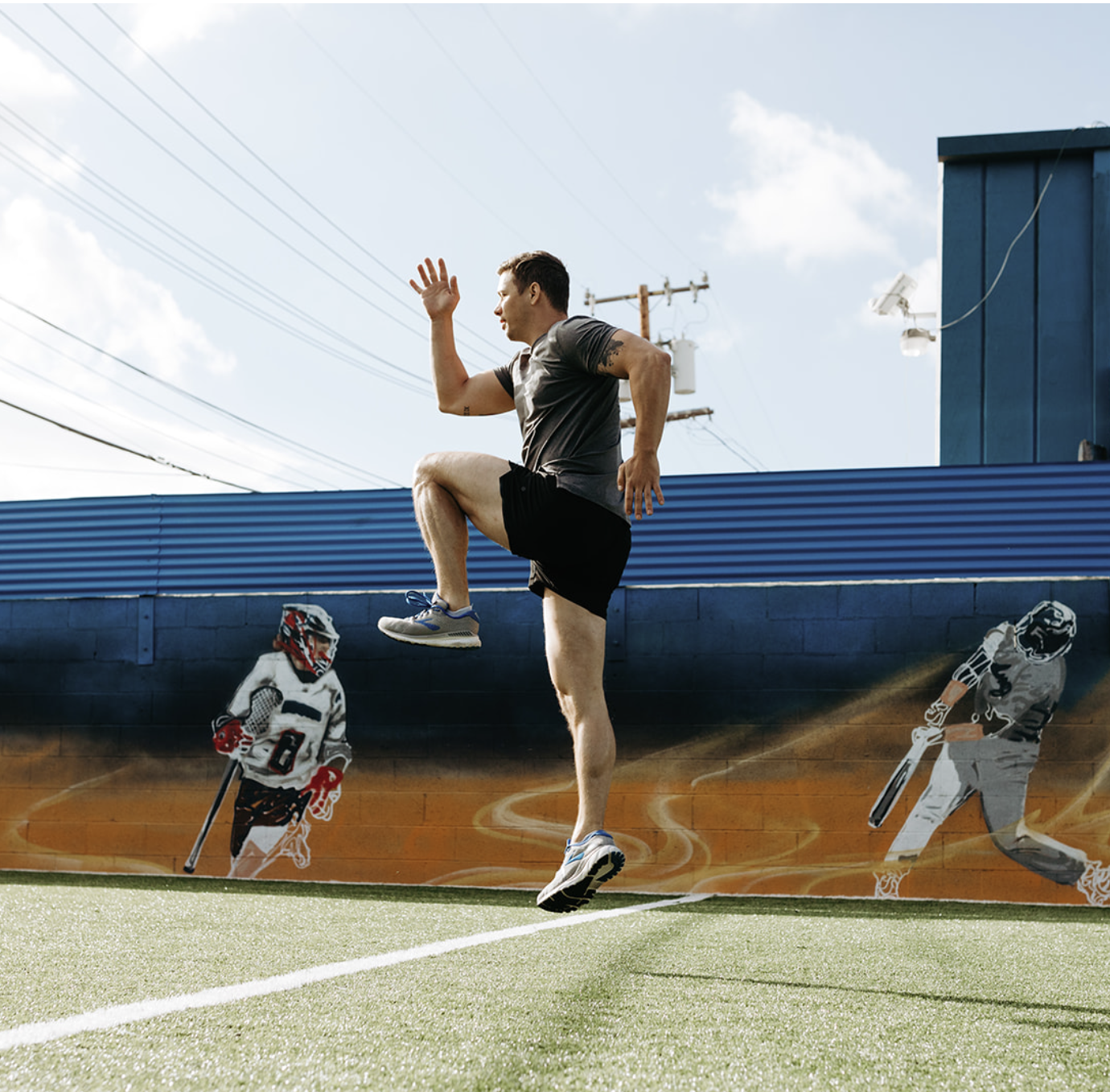
04.
Start Moving Pain-Free
Frequently Asked Questions
-
Yes. Physical therapy can improve strength, mobility, movement efficiency, balance, and power while addressing limitations that may increase injury risk or impact performance.
-
It depends on the injury and its severity. In many cases, modified training and guided rehabilitation are beneficial, but continuing to push through pain may delay recovery or worsen symptoms.
-
Recurring muscle strains may be related to weakness, mobility restrictions, compensation patterns, poor recovery, or returning to activity too quickly after injury.Yes. Identifying movement dysfunctions, strength deficits, mobility limitations, and training errors can reduce injury risk while improving overall athletic performance.
-
Recovery timelines depend on the injury, tissue involved, severity, and your sport-specific goals. Some athletes return within a few weeks, while others require a more progressive rehabilitation program before safely returning to competition.