
5 Signs It Might Be Time to See a Physical Therapist
Think physical therapy is only for when you’re injured or recovering from surgery? Think again. Did you know physical therapy can also help with ongoing pain, changes in performance, balance issues, injury prevention, and even preparing for surgery?
To better understand when it may be time to see a physical therapist, we spoke with our team of physical therapists at Cuirim Sports Recovery. Based on their clinical experience, we’ve highlighted five signs that your body may be telling you it’s time to get some professional guidance.
COSTA MESA PHYSICAL THERAPY
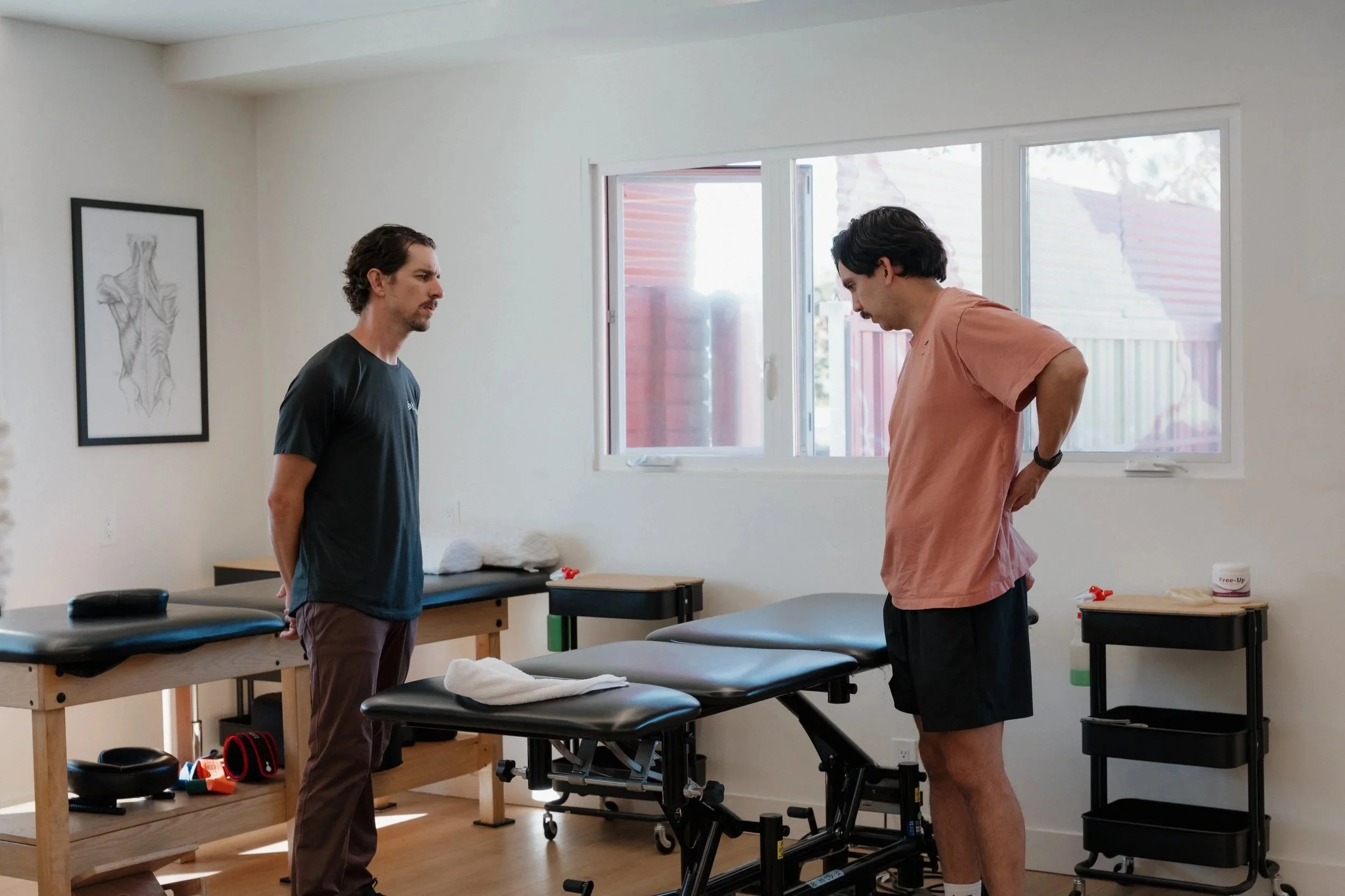
LINGERING PAIN
A little soreness after a tough workout or a long day can be normal, but pain that continues to linger is worth paying attention to. If you have been dealing with the same pain for days or weeks, it may be time to see a physical therapist.
According to our physical therapists, some of the most common reasons patients seek physical therapy include:
Low back pain
Shoulder pain, especially when lifting objects
Foot pain during or after running
Post-surgical rehabilitation, including ACL reconstruction, shoulder labrum repairs, and joint replacements
Rather than simply waiting for the pain to go away on its own, a physical therapist can evaluate how you move, identify potential contributing factors, and create a plan to help address the underlying issue.
COSTA MESA PHYSICAL THERAPY
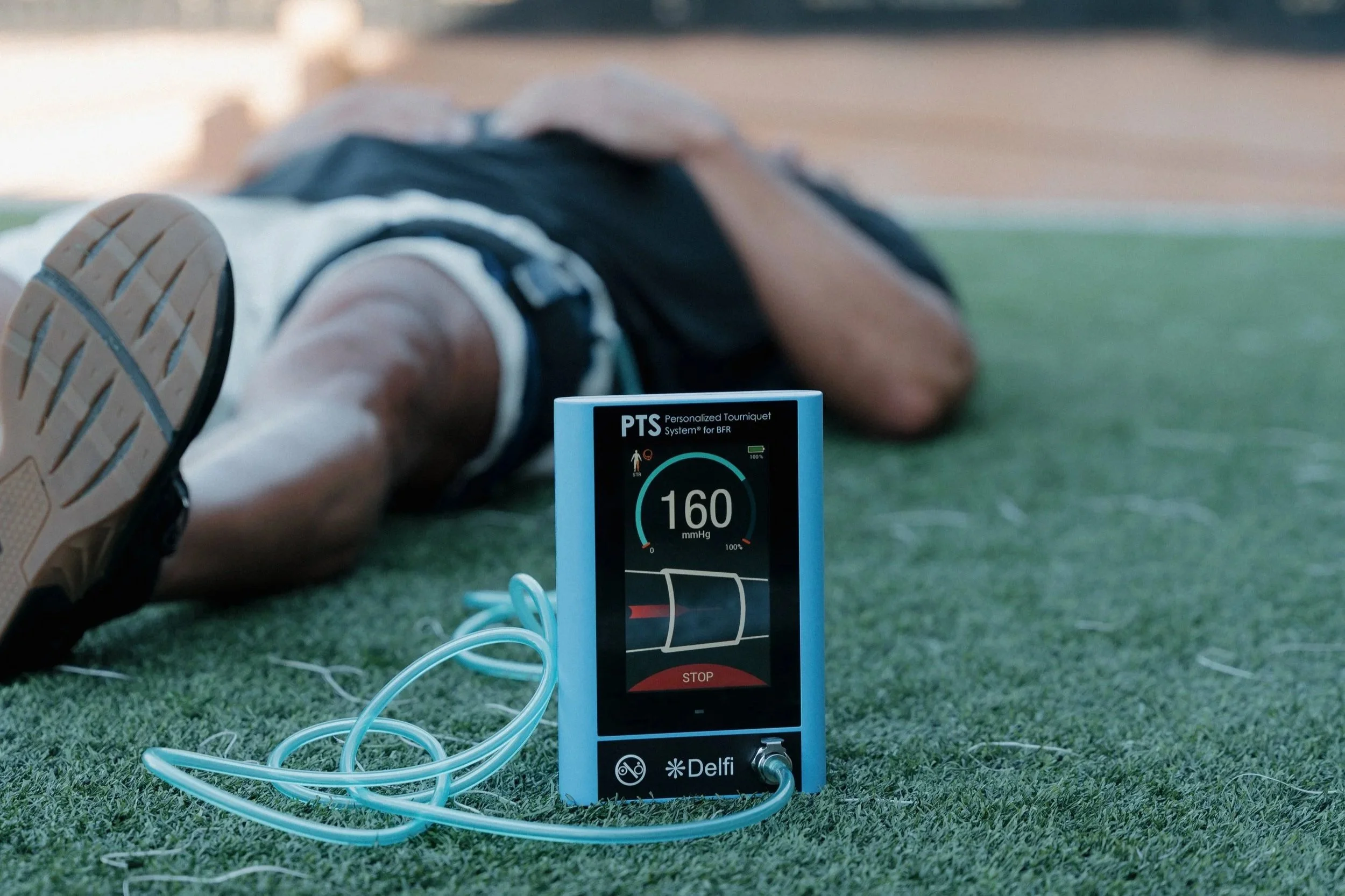
2. Decrease in Performance
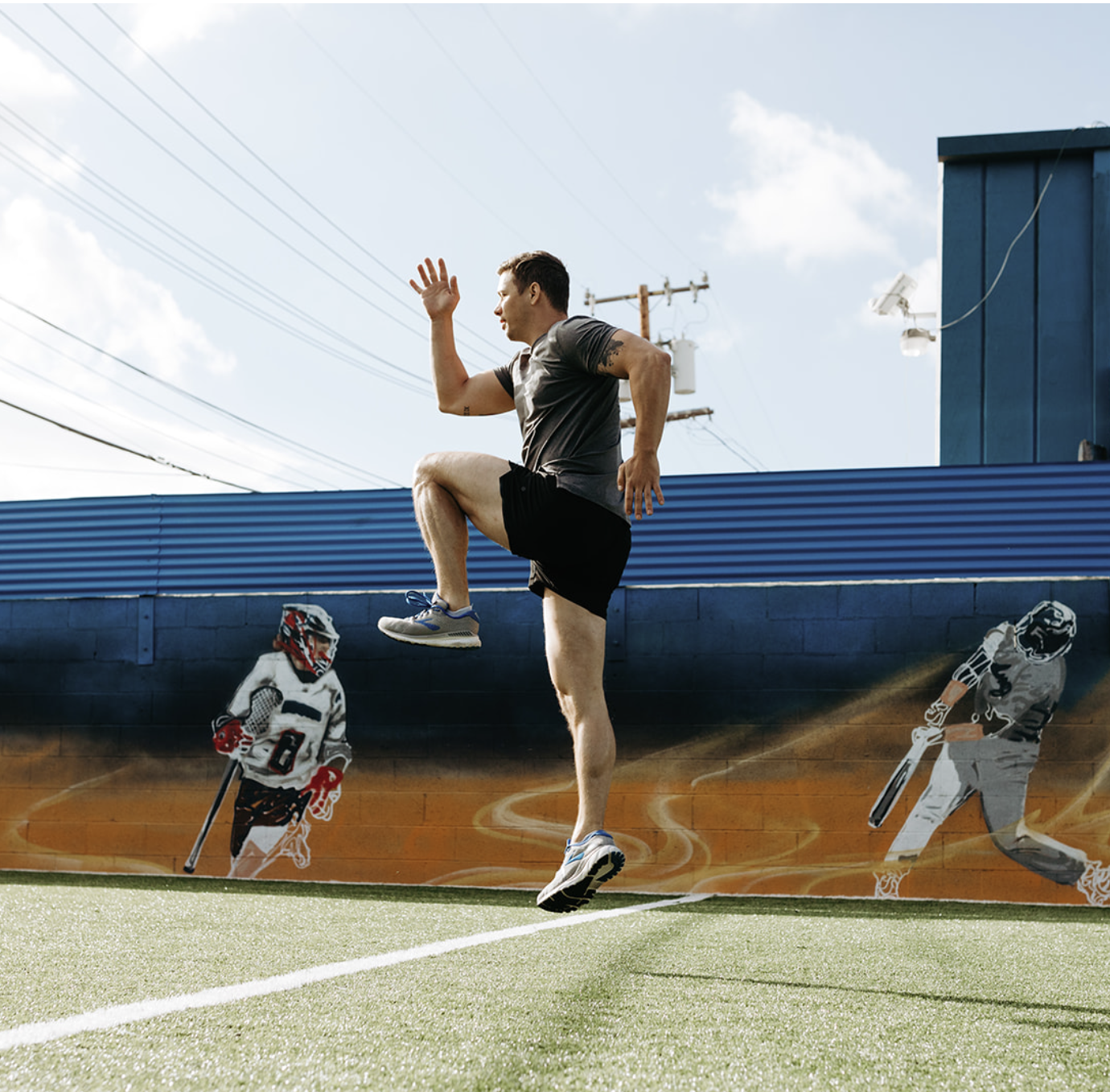
Have you noticed that you’re not performing quite like you used to? A drop in performance can sometimes be more than just a bad week or a lack of motivation. If you’re struggling to lift the same weight, running slower, feeling less explosive, or having difficulty keeping up during practices and games, your body may be trying to tell you something.
We asked Dr. Ethan Bigbee (physical therapist at Cuirim Sports Recovery) why physical therapy is particularly important for athletes. He explained that physical therapy can help athletes recover after an injury, develop movement patterns specific to the demands of their sport, and provide long-term preventative care.
“Physical therapy is important for athletes […] for developing movement patterns that are specific to the demands of each athlete’s sport.”
For example, this could mean working on pitching mechanics for a baseball player or helping an athlete prepare their body for the specific movements and demands of their sport.
costa mesa physical therapy
3. Trouble with Balance
Feeling a little unsteady on your feet? Don’t ignore it. Balance issues can show up in different ways, from difficulty standing on one leg to feeling unstable when walking, navigating stairs, or participating in physical activity. For some people, balance problems may also be accompanied by dizziness or changes in the way they walk.
A physical therapist can assess the factors contributing to balance problems, including strength, mobility, coordination, and how your body responds to movement. If you’re experiencing ongoing balance issues, dizziness, or changes in how you walk, our Balance, Dizziness & Gait Disorders services can provide more information on how physical therapy may help.
Addressing these factors can help improve stability and confidence in everyday movement and physical activity.
costa mesa physical therapy
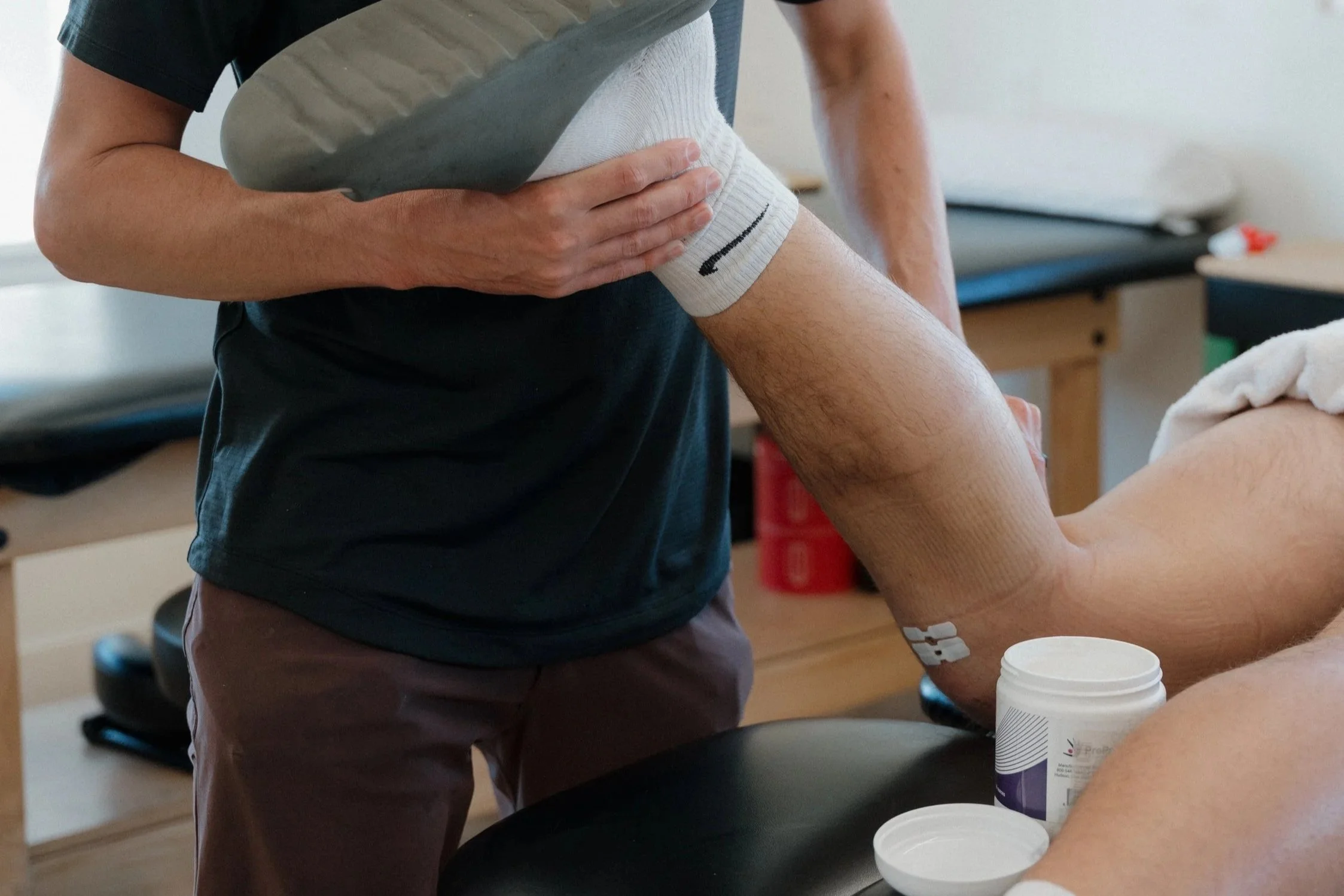
4. Before & After Surgery
Physical therapy doesn’t have to start after surgery. While many people are familiar with physical therapy as part of post-surgical recovery, working with a physical therapist before surgery can also be very beneficial. Pre-surgical physical therapy, sometimes called “prehab,” can help you prepare your body for the demands of surgery and the recovery process that follows.
We asked Dr. Bigbee why pre-surgical PT is beneficial, and he emphasized that prehab helps patients prepare both physically and practically for what comes after surgery.
“Pre-surgical physical therapy, or prehab as we call it, is absolutely vital to the patient for a few different reasons.”
According to our physical therapists, prehab can help patients:
Know what to expect after surgery — including pain, swelling, and what recovery may look like.
Prepare for recovery at home — making it easier to access essential items and manage daily activities.
Learn how to use recovery equipment — such as crutches or braces.
Understand the recovery process — including the different phases and key milestones along the way.
Build strength before surgery — particularly in the surrounding musculature, helping set the body up for an optimal recovery.
Whether you're preparing for an upcoming procedure or recovering from one, learn more about Pre & Post Surgical Physical Therapy here.
costa mesa physical therapy
5. Preventative Reasons
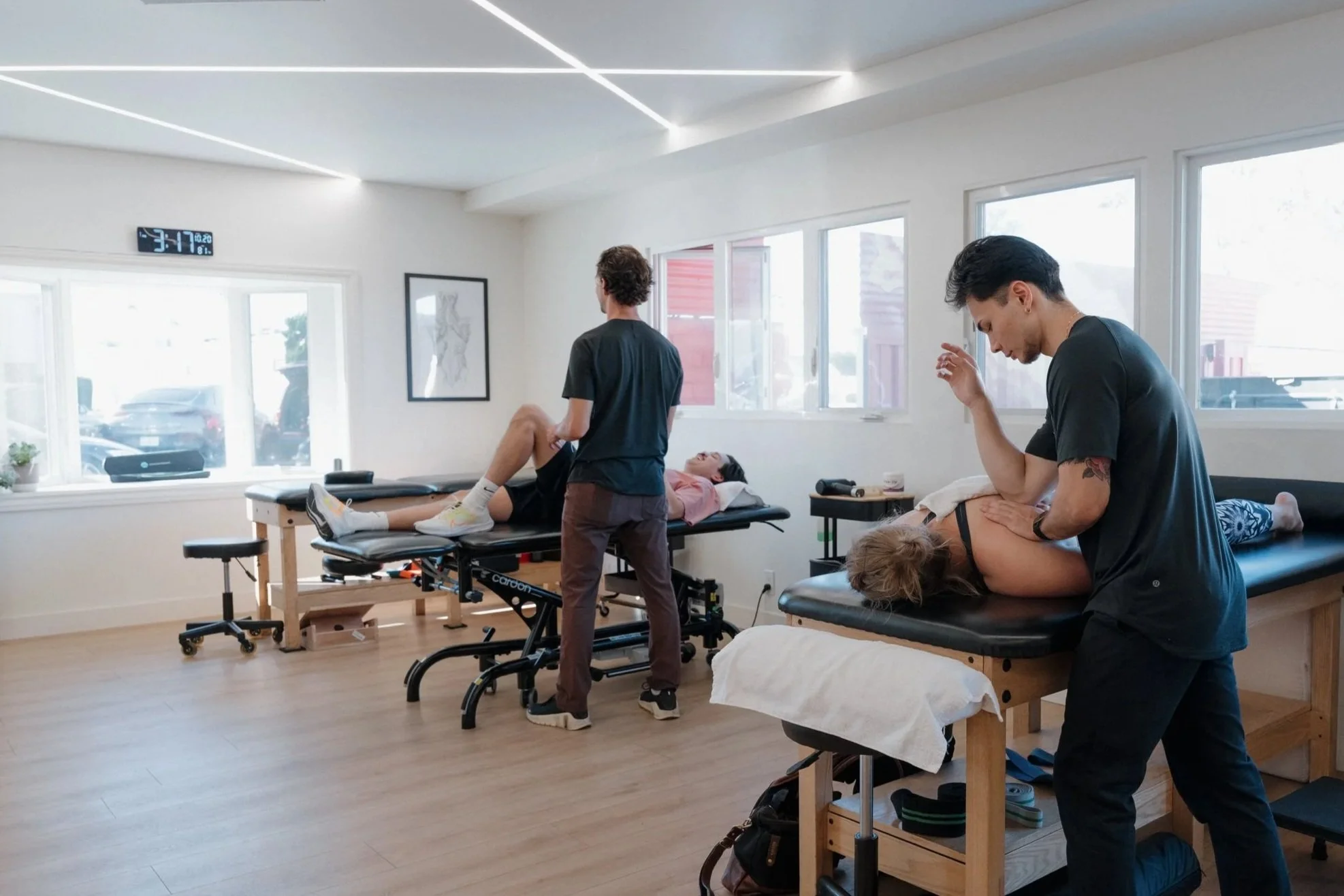
You don’t have to be in pain to see a physical therapist. One of the lesser-known benefits of physical therapy is that it can be used proactively to identify potential issues before they become injuries. This can be especially valuable for athletes, active adults, or anyone returning to a new activity or increasing their training.
When we asked our physical therapists about one of the least common but most important reasons someone should seek physical therapy, the answer was preventative care.
“Preventive care is by far the most important but least common reason we see someone for physical therapy.”
Too often, patients come to physical therapy after a traumatic injury has already happened rather than before. Preventative physical therapy creates an opportunity to identify and correct movement patterns that could contribute to long-term injuries.
Is It Time to See a Physical Therapist?
If you’re still on the fence, run through this quick checklist:
☐ You have pain that has been lingering or keeps coming back.
☐ You’ve noticed a decrease in your strength, speed, mobility, or overall performance.
☐ You want to prevent an injury before it happens.
☐ You’re experiencing trouble with balance, dizziness, or the way you walk.
☐ You’re preparing for an upcoming surgery or recovering from one.
☐ Something about the way you move just doesn’t feel right.
Checked a box? It may be worth getting evaluated. You don’t have to wait!
Your Next Steps
03.
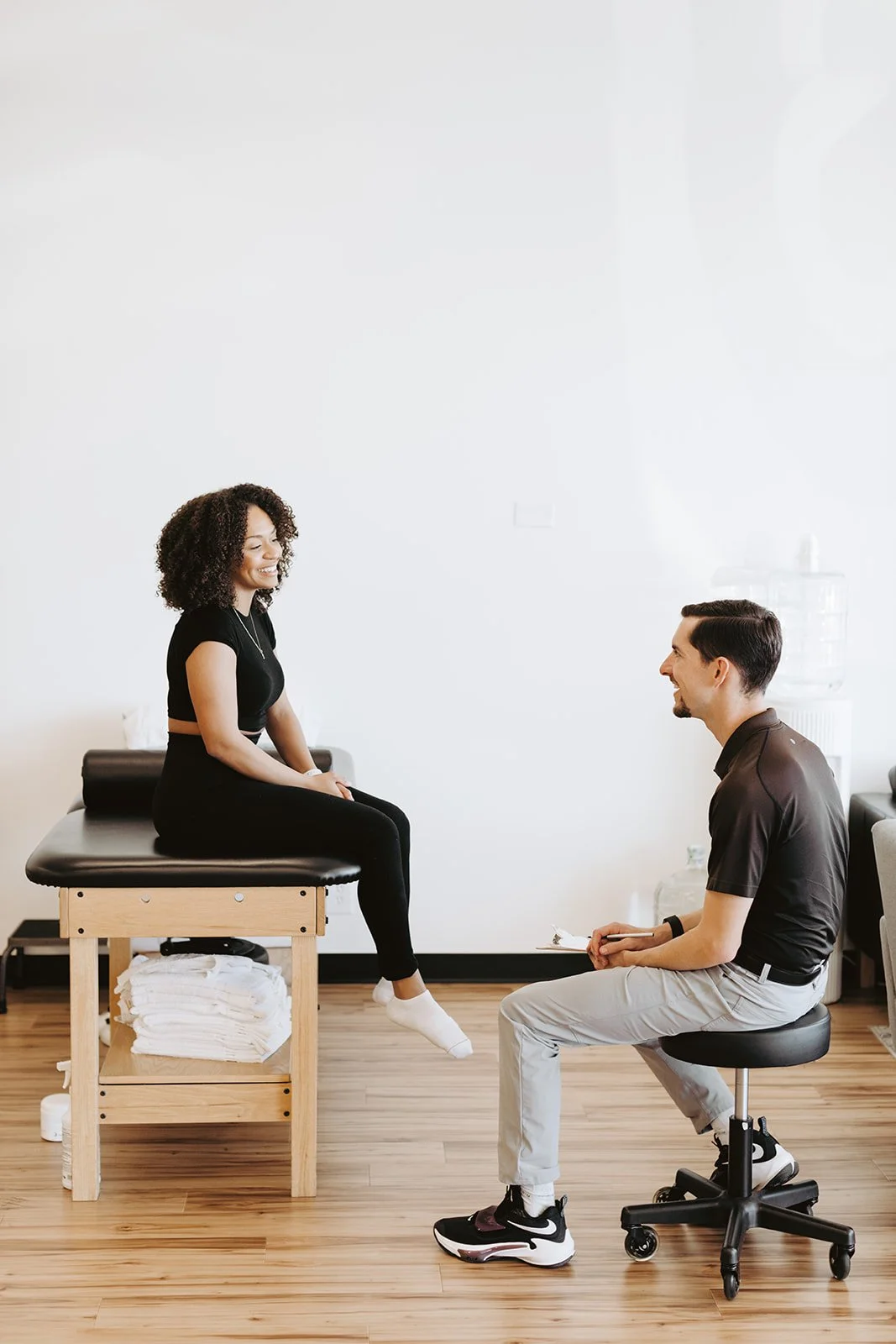
Attend Your First Visit
04.
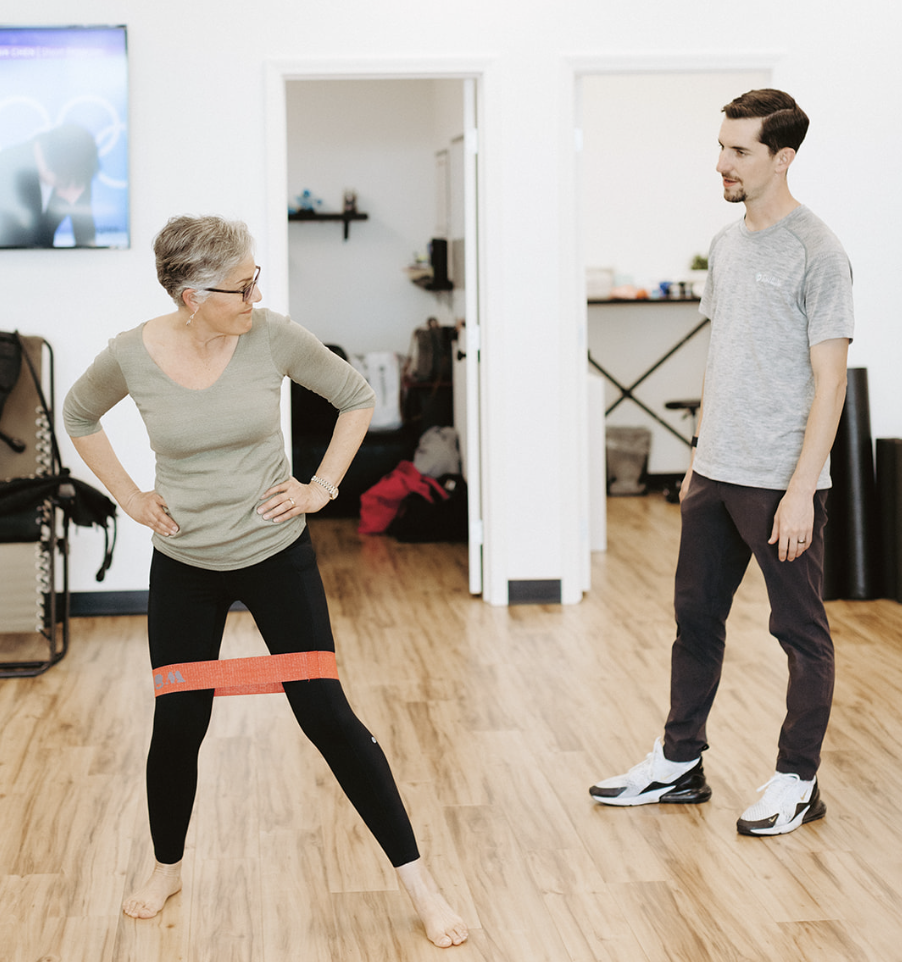
Start Moving Pain-Free
FAQ’s
-
You should consider seeing a physical therapist if you have lingering or recurring pain, a decrease in performance, difficulty with balance or movement, or a problem that is affecting your ability to participate in everyday activities or sports. You can also see a physical therapist proactively for injury prevention or before and after surgery.
-
Yes. Physical therapy isn’t only for treating injuries. A physical therapist can evaluate your strength, mobility, balance, and movement patterns to identify potential limitations and help prevent injuries before they happen. Physical therapy can also help athletes improve movement and performance.
-
Yes. Physical therapy can help athletes recover from injuries, address movement limitations, improve strength and mobility, and reduce the risk of future injuries. It can also be useful when an athlete notices a decline in performance even without a specific injury.
-
Yes. Physical therapy before surgery, often called prehabilitation or “prehab,” can help prepare the body for surgery by improving strength, mobility, and physical function. Working with a physical therapist beforehand can also help patients understand what to expect during the rehabilitation process.