
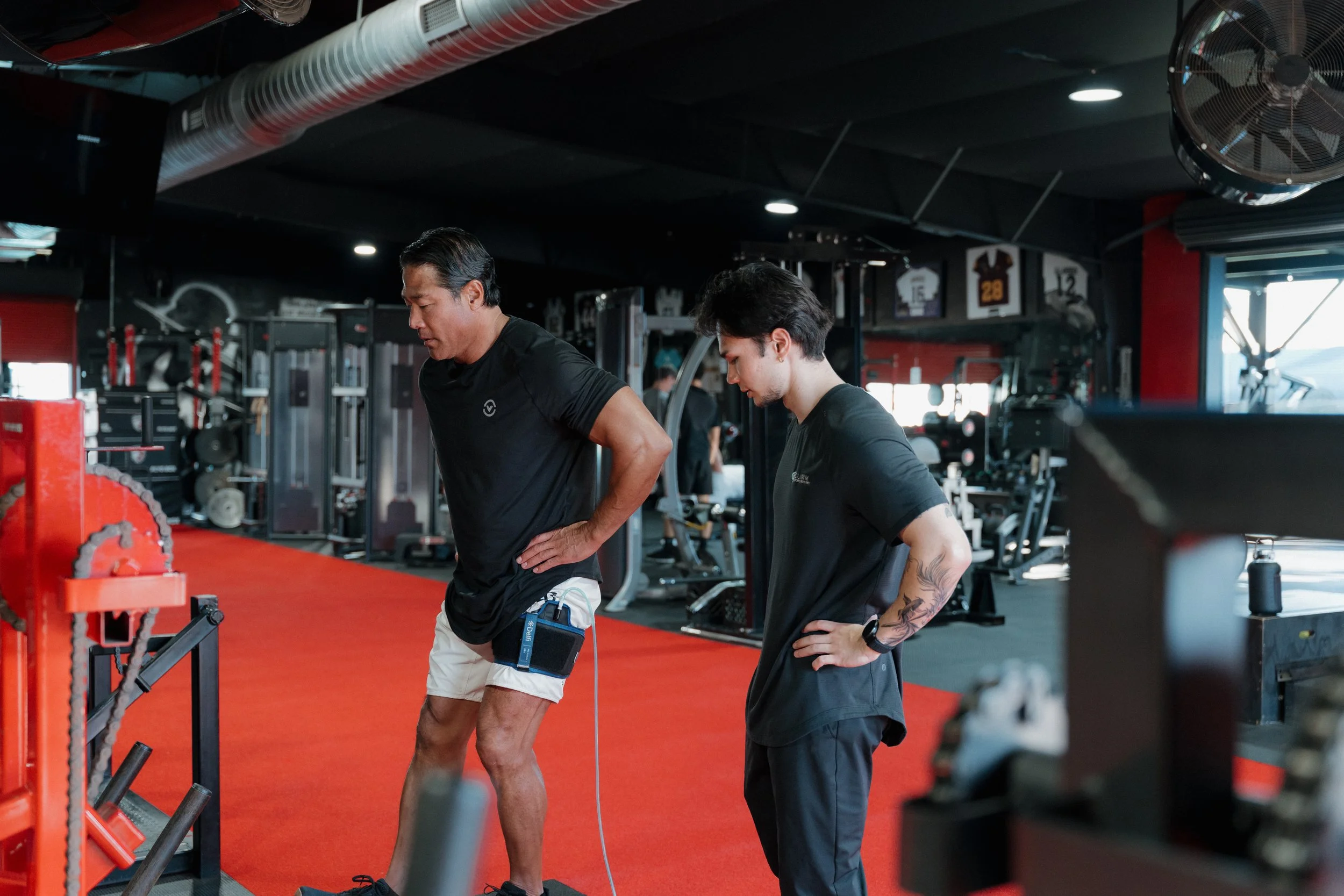
physical therapy for Work & sports related injuries IN COSTA MESA
SPORTS INJURIES & ATHLETIC PERFORMANCE
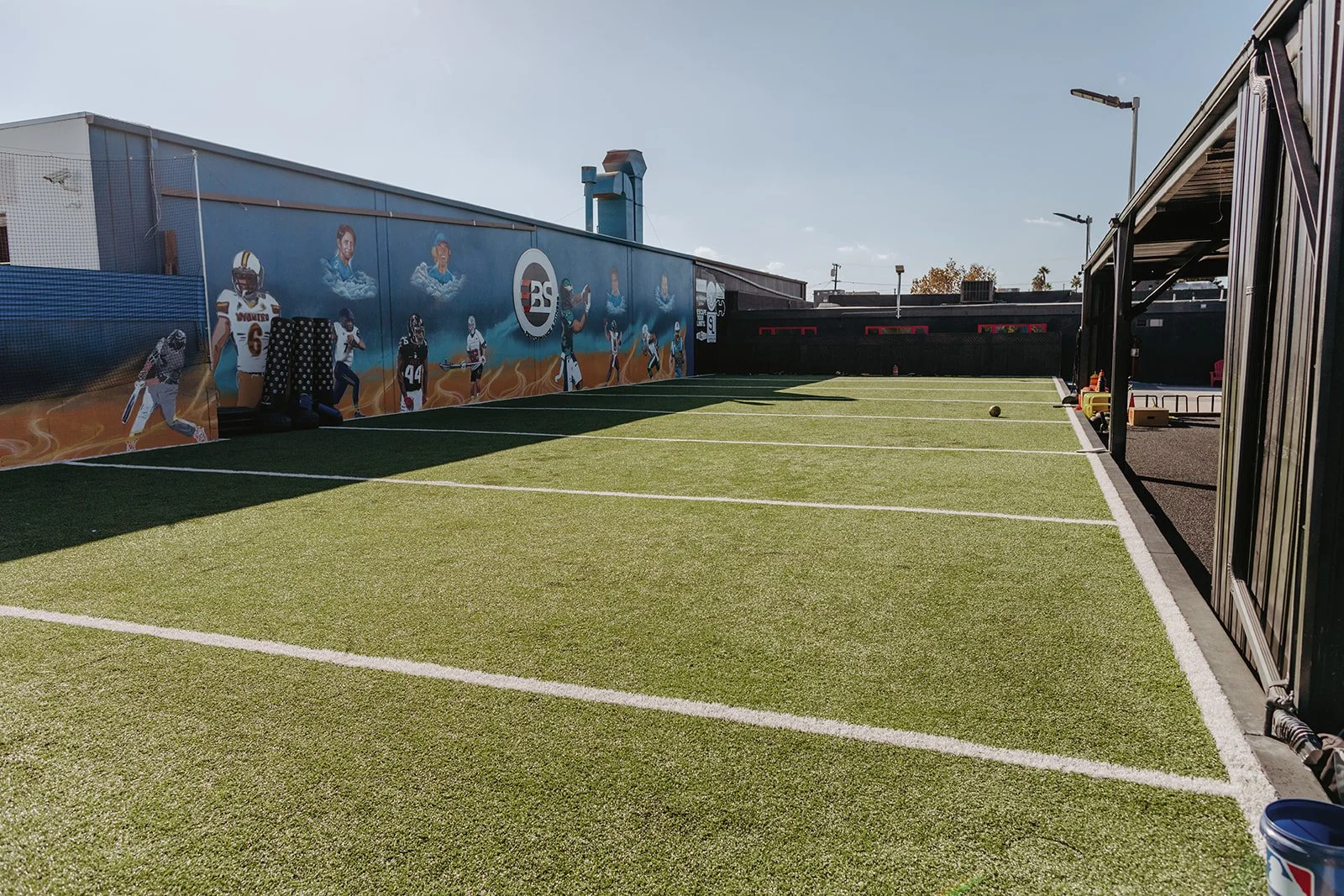
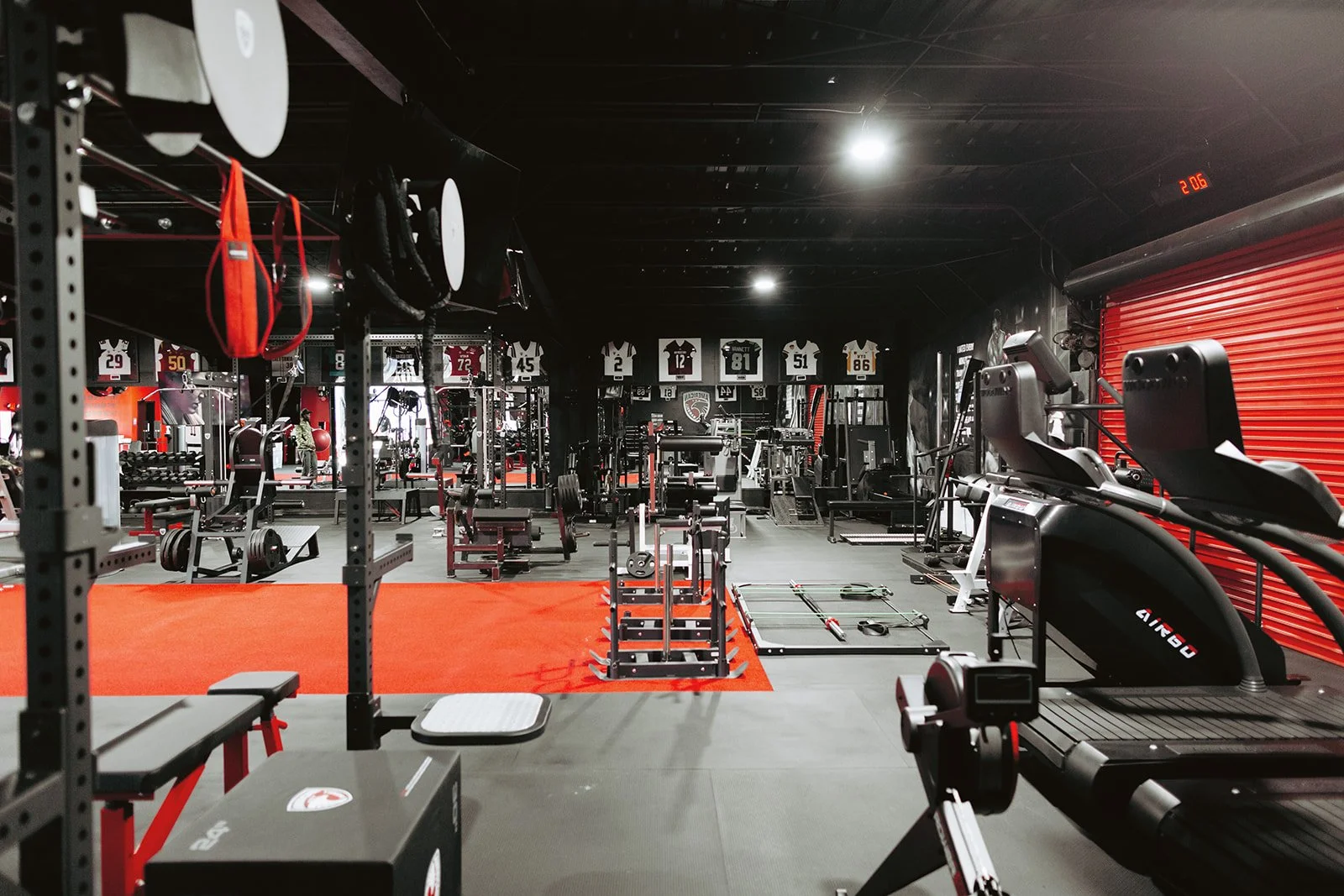
Sports injuries, overuse conditions, and movement limitations can make it difficult to train, compete, or stay active. At Cuirim Sports Recovery, we identify the factors contributing to your symptoms and create a personalized treatment plan to restore movement, reduce pain, improve performance, and help you return to training, competition, and the activities you enjoy. Our sports-focused team combines physical therapy and athletic training expertise with advanced rehabilitation technology and a partnership with EBS Performance Fitness to support every stage of recovery and athletic development.
How Can Physical Therapy Help Sports Injuries & Improve Athletic Performance?
How we can Help
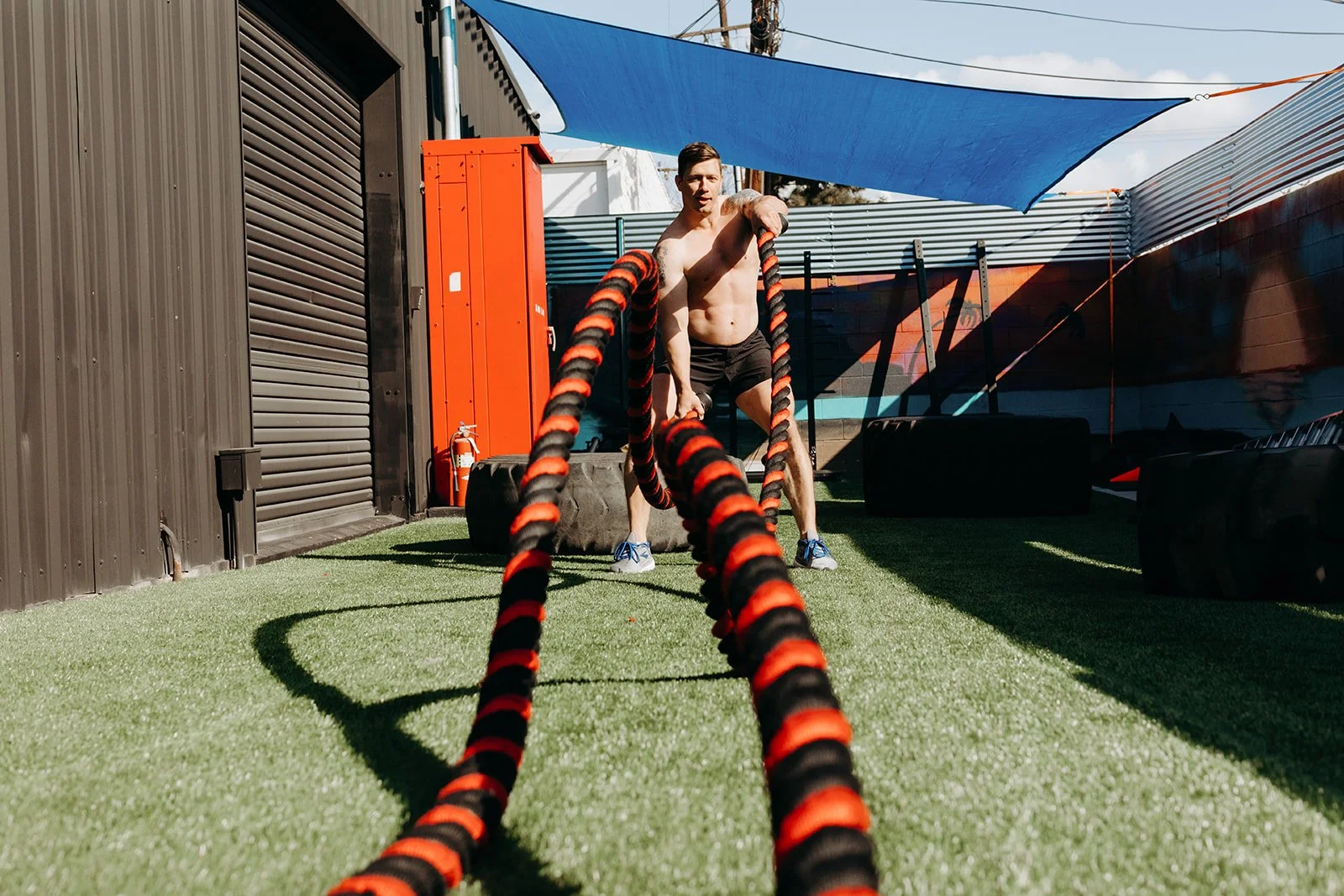
Physical therapy helps athletes recover from injury, improve performance, build sport-specific strength, and reduce the risk of future injuries. At Cuirim Sports Recovery, we create individualized rehabilitation and performance programs tailored to the unique demands of your sport, helping you return stronger, move better, and perform with confidence.
Every athlete is different, so we perform a comprehensive evaluation to identify strength asymmetries, mobility restrictions, movement impairments, and biomechanical factors that may be affecting performance or increasing injury risk. From there, we develop a personalized plan to build foundational strength, restore mobility, improve movement quality, and prepare you for the demands of your sport.
The key metrics we track include side-to-side strength symmetry, mobility, functional strength, movement quality, and sport-specific movement mechanics. These objective measurements help guide treatment, monitor your progress, and support a safe return to competition.
How We can Help
Our Approach to Sports Injuries & Athletic Performance
-
![VALD FORCE DECKS]()
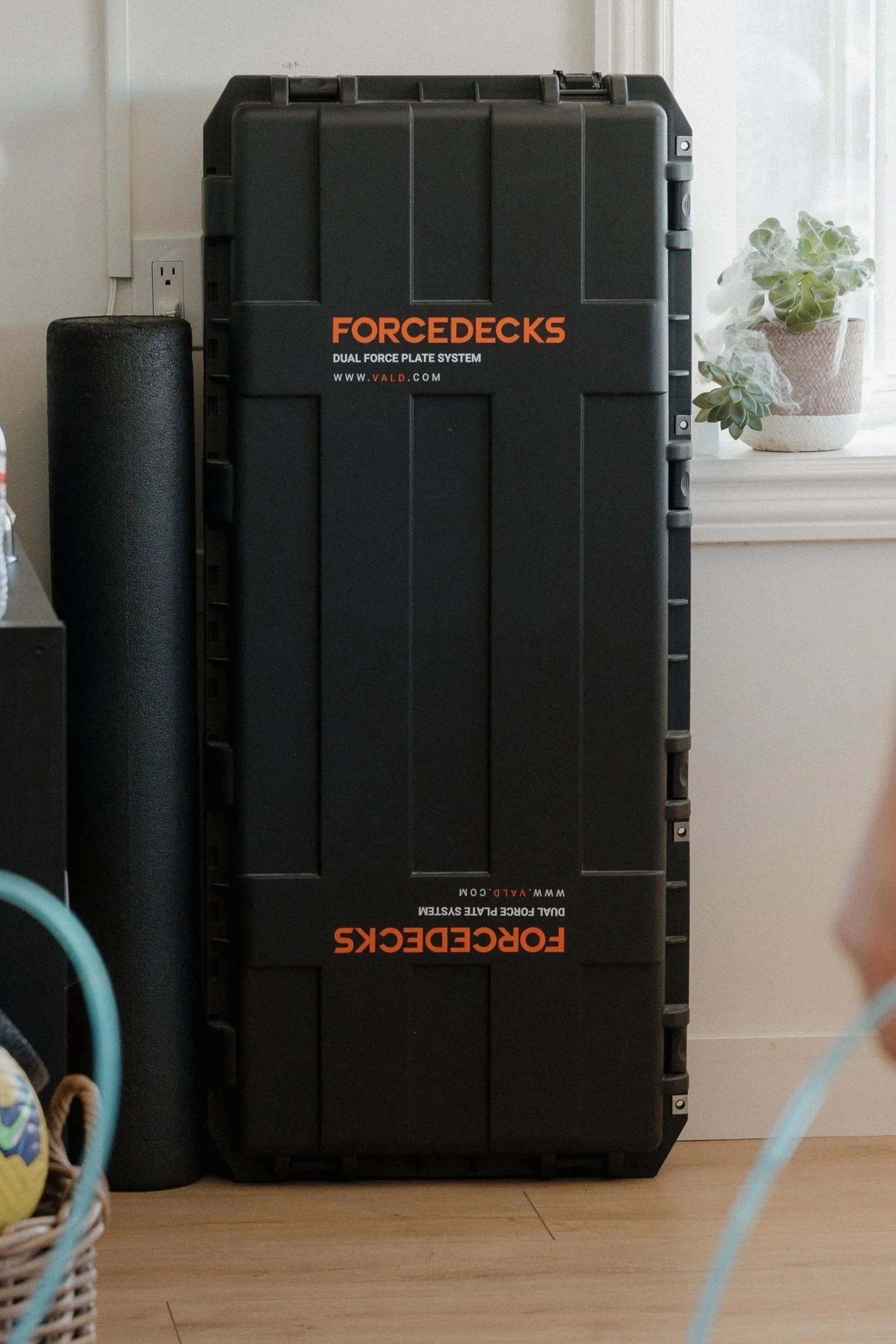
VALD FORCE DECKS
To measure force production, landing mechanics, balance, and movement symmetry during athletic tasks such as squats, jumps, and lunges, helping identify performance deficits and guide return-to-sport decisions.
-
![Blood Flow Restriction (BFR)]()
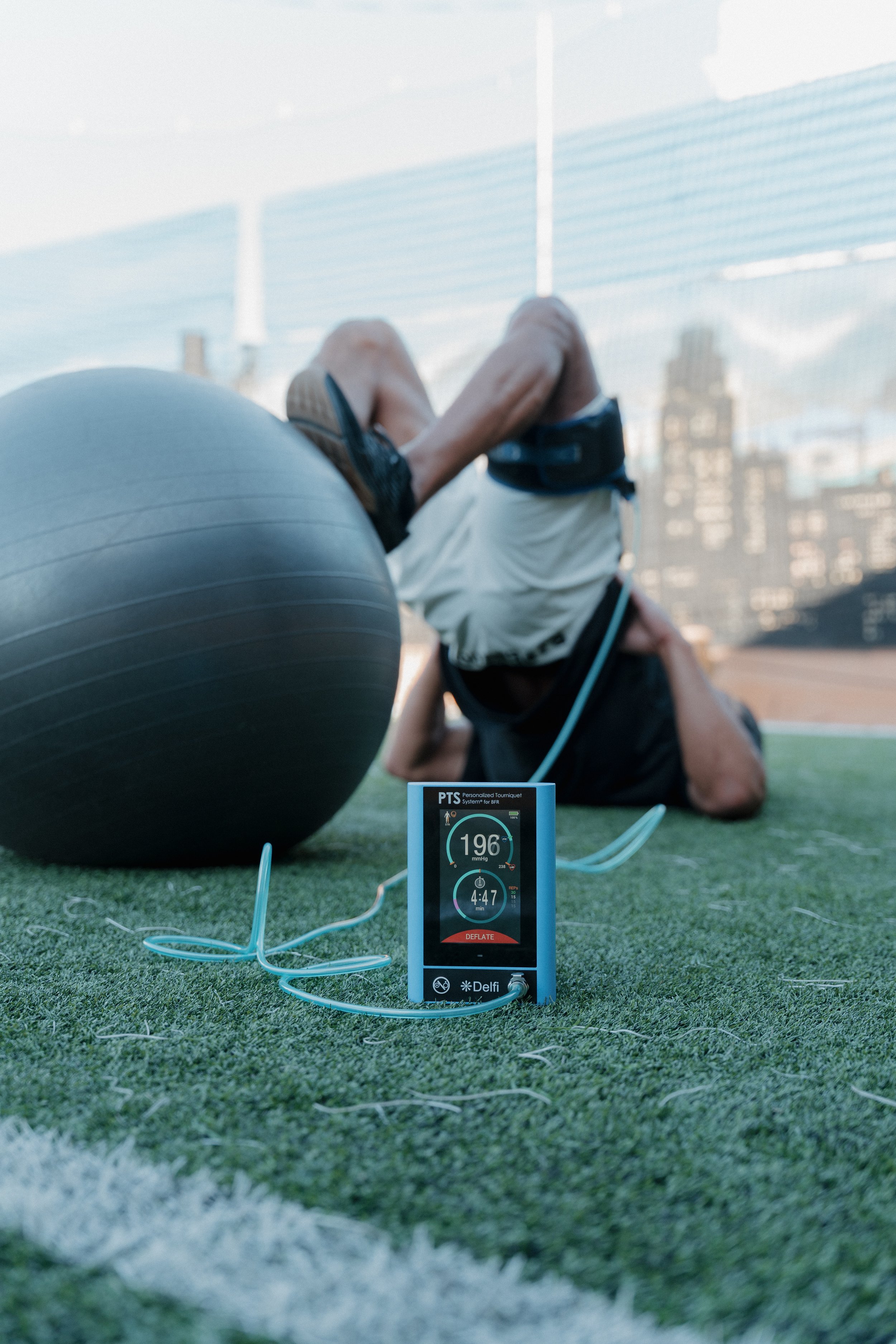
BLOOD FLOW RESTRICTION (BFR)
To improve muscle strength and size while using lighter exercise loads, allowing athletes to maintain or regain strength during injury recovery without placing excessive stress on healing tissues.
-
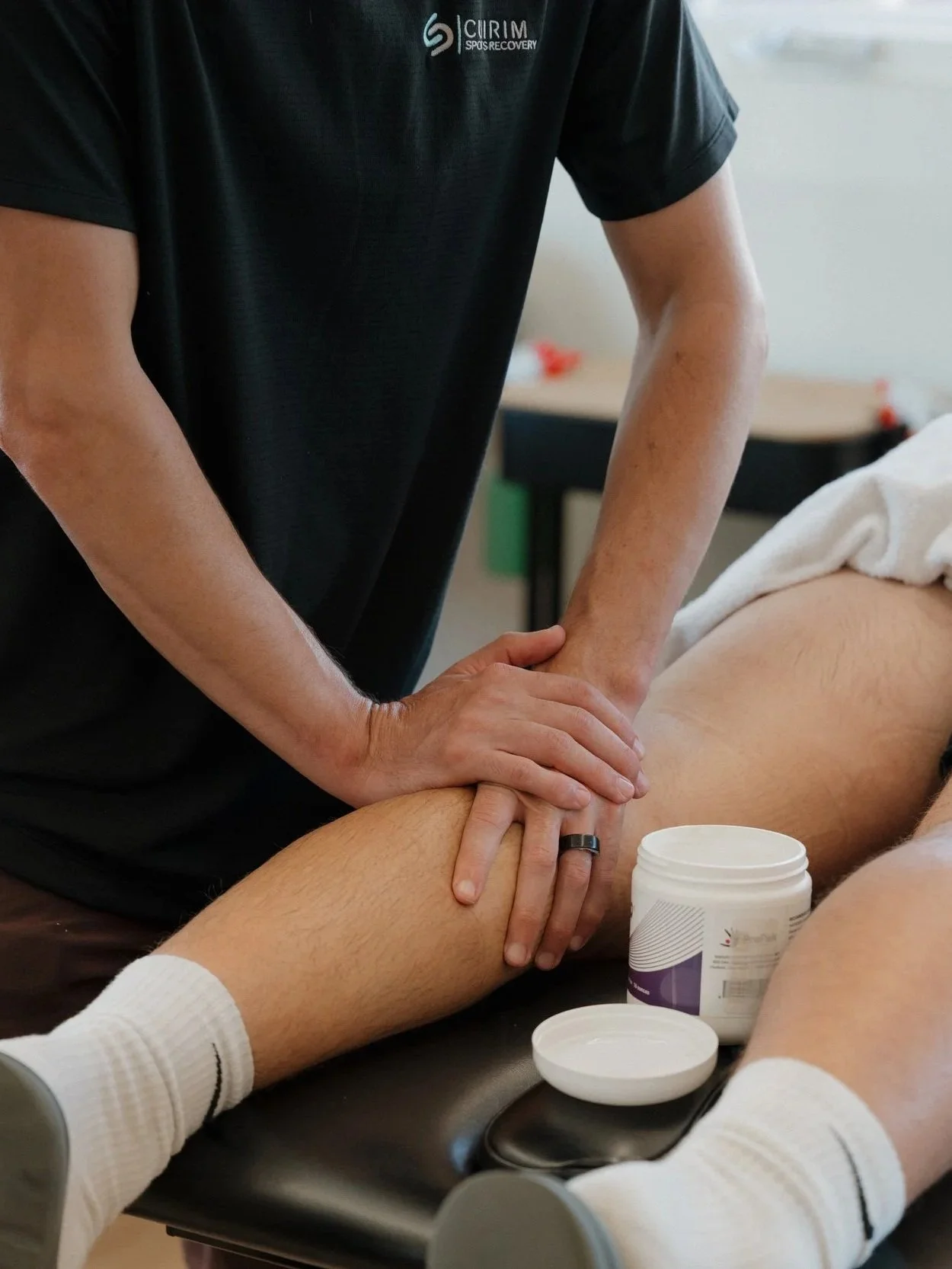
![Manual Therapy]()
HANDS-ON MANUAL THERAPY
Including joint mobilization, soft tissue mobilization, stretching, and other skilled techniques to improve mobility, reduce pain, restore normal movement, and prepare athletes for sport-specific activity.
-
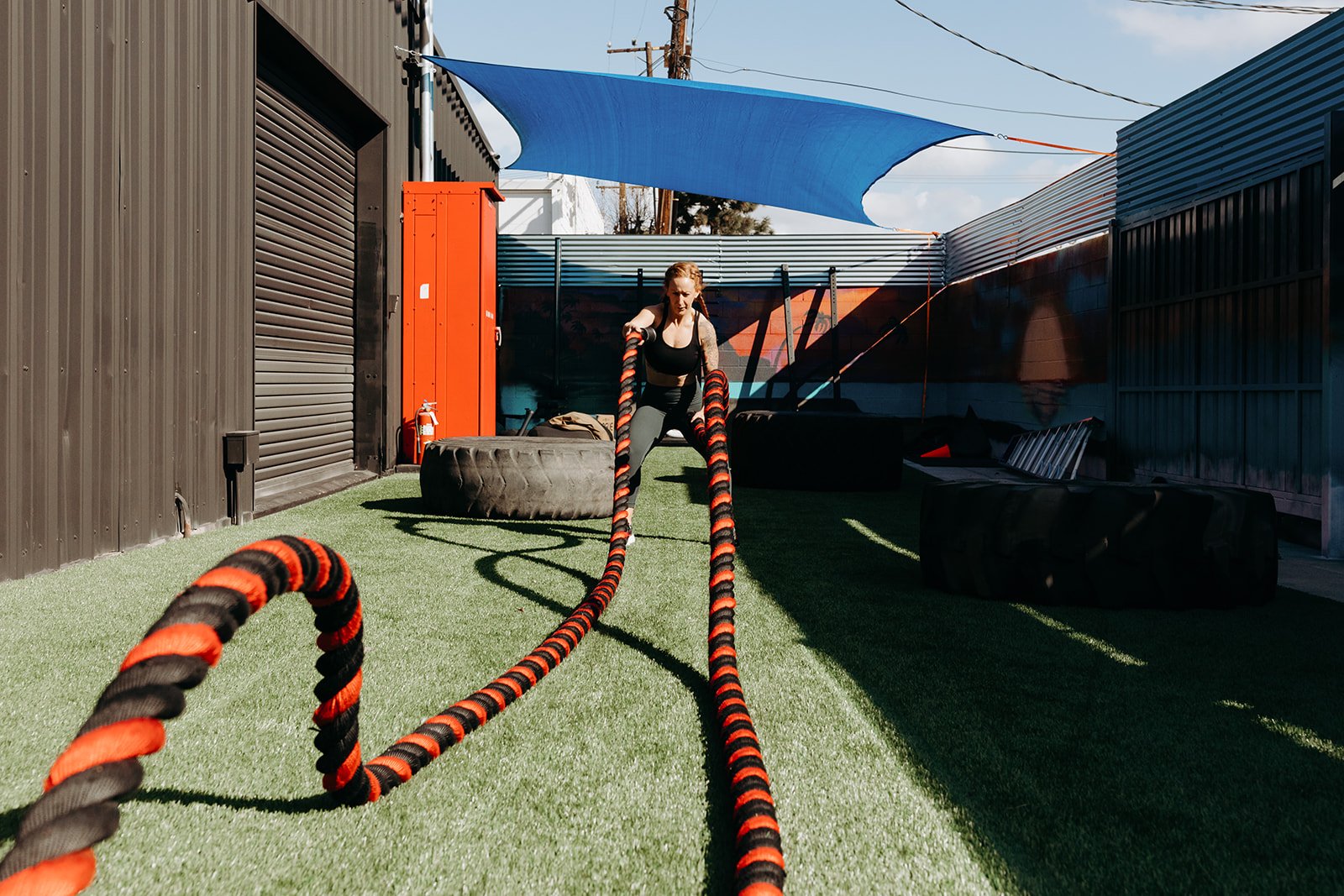
![Personalized Rehab & Performance Program]()
PERSONALIZED REHAB & PERFORMANCE PROGRAM
Tailored to your injury, sport, goals, and activity level to improve strength, power, mobility, stability, movement mechanics, and overall athletic performance while reducing injury risk and helping you safely return to competition.
-
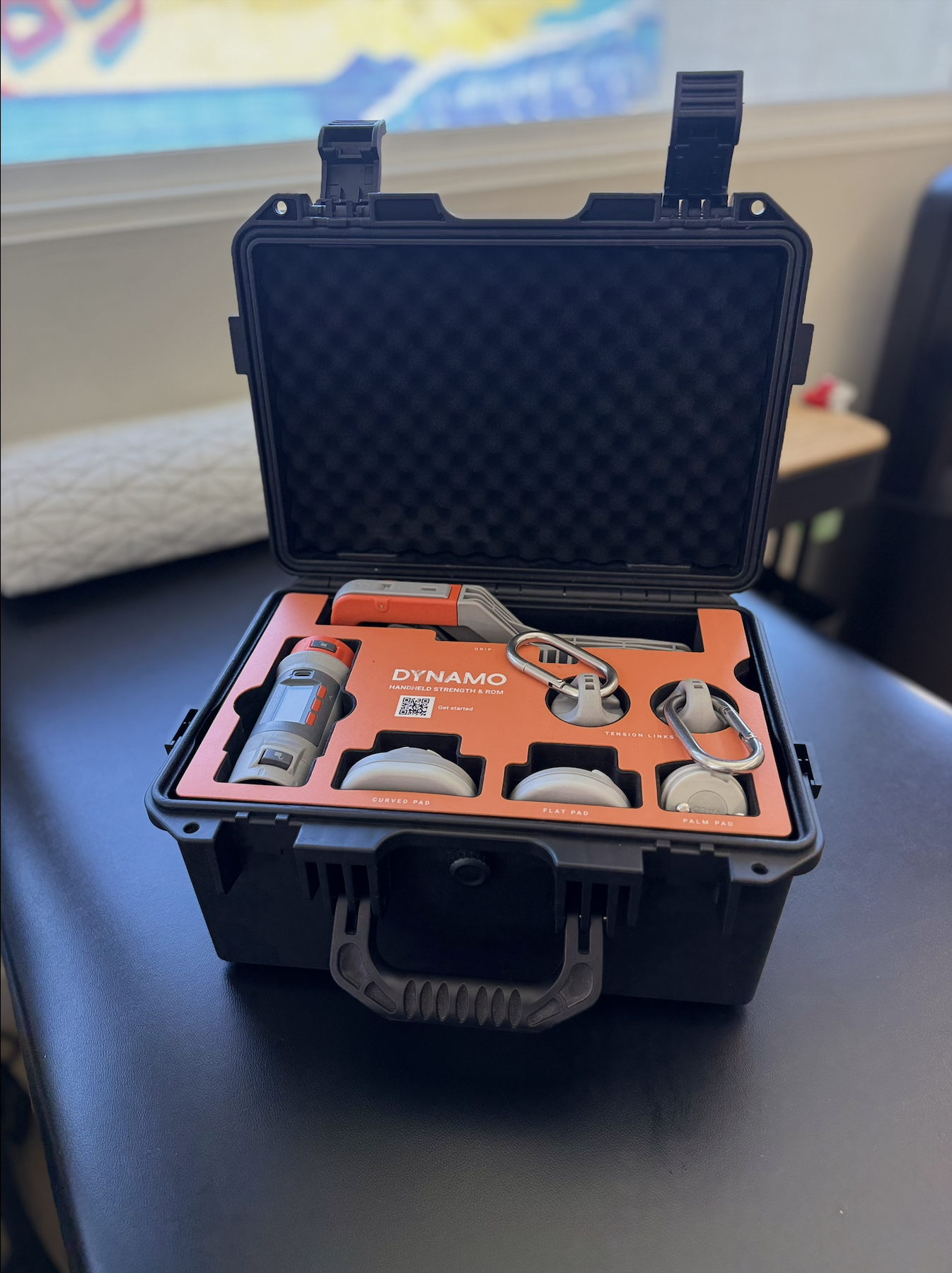
![VALD Dynamometry]()
VALD DYNAMOMETRY
To objectively measure muscle strength, identify side-to-side imbalances, calculate performance metrics such as quadriceps-to-hamstring strength ratios, and monitor progress to reduce injury risk and optimize athletic performance.
-
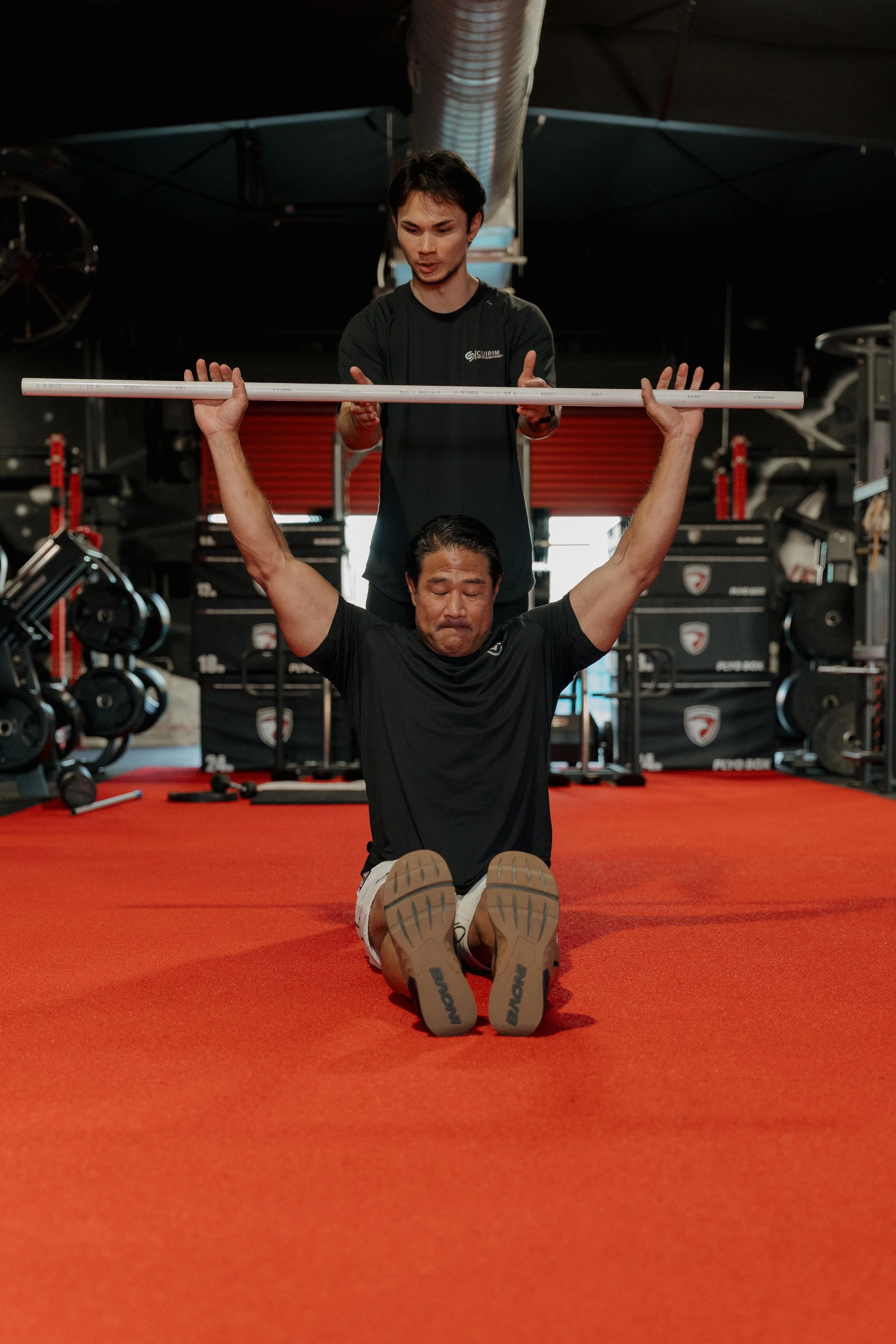
![PVC Pipe Training]()
PVC PIPE TRAINING
To improve foot intrinsic strength, balance, and stability, helping athletes develop better movement mechanics, reduce injury risk, and build a stronger foundation for sport-specific performance.
-
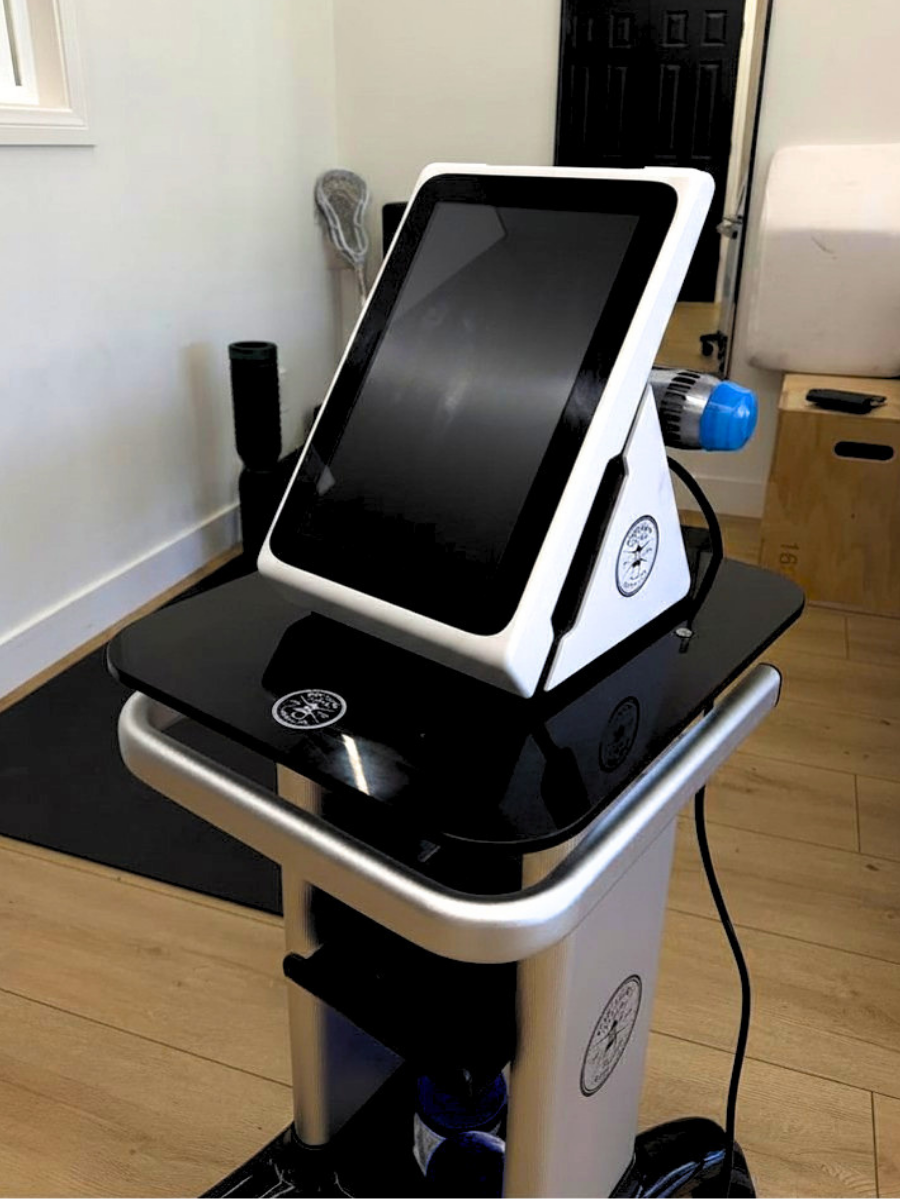
![Shockwave Therapy]()
SHOCKWAVE THERAPY
To stimulate healing, improve blood flow, and reduce pain associated with chronic soft tissue and tendon-related injuries, allowing athletes to return to training and competition more efficiently.
-
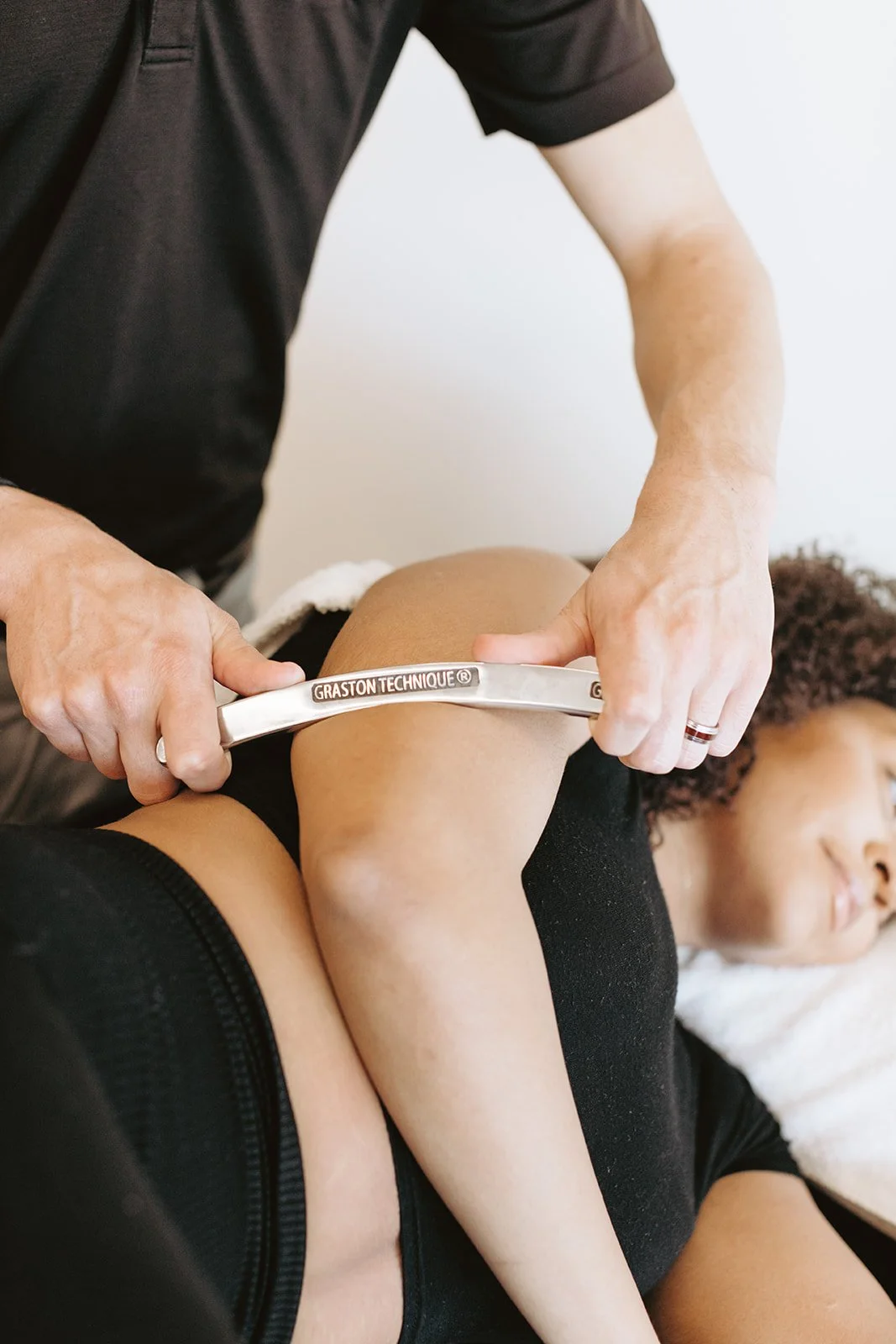
![Graston (IASTM)]()
GRASTON (IASTM)
To address soft tissue restrictions, improve tissue mobility, reduce scar tissue, and restore normal movement throughout the muscles and connective tissues involved in athletic performance.
“In the U.S., about 30 million children and teens participate in some form of organized sports, and more than 3.5 million injuries each year [...] are experienced by the participants.”
Source: John Hopkins

Sports Injuries & Athletic Performance Conditions We Treat
TYPES OF CONDITIONS
Sports injuries and performance limitations can cause pain, weakness, stiffness, instability, reduced mobility, or decreased athletic performance. Whether you're recovering from an acute injury, managing an overuse condition, or looking to move and perform at a higher level, our team develops a personalized treatment plan to help you recover and reach your goals. We treat a wide range of sports injuries and athletic performance conditions, including but not limited to those listed below.
-
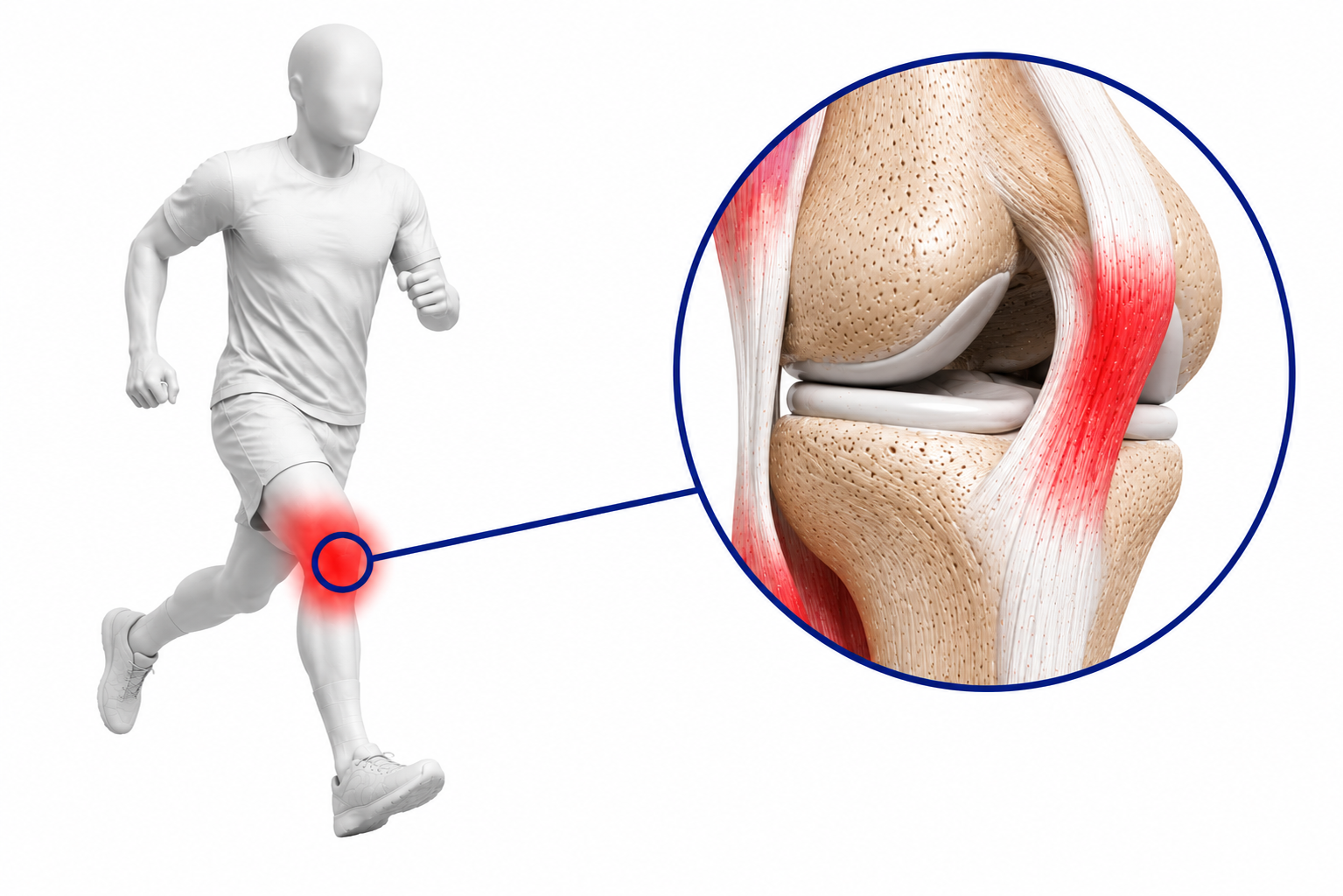
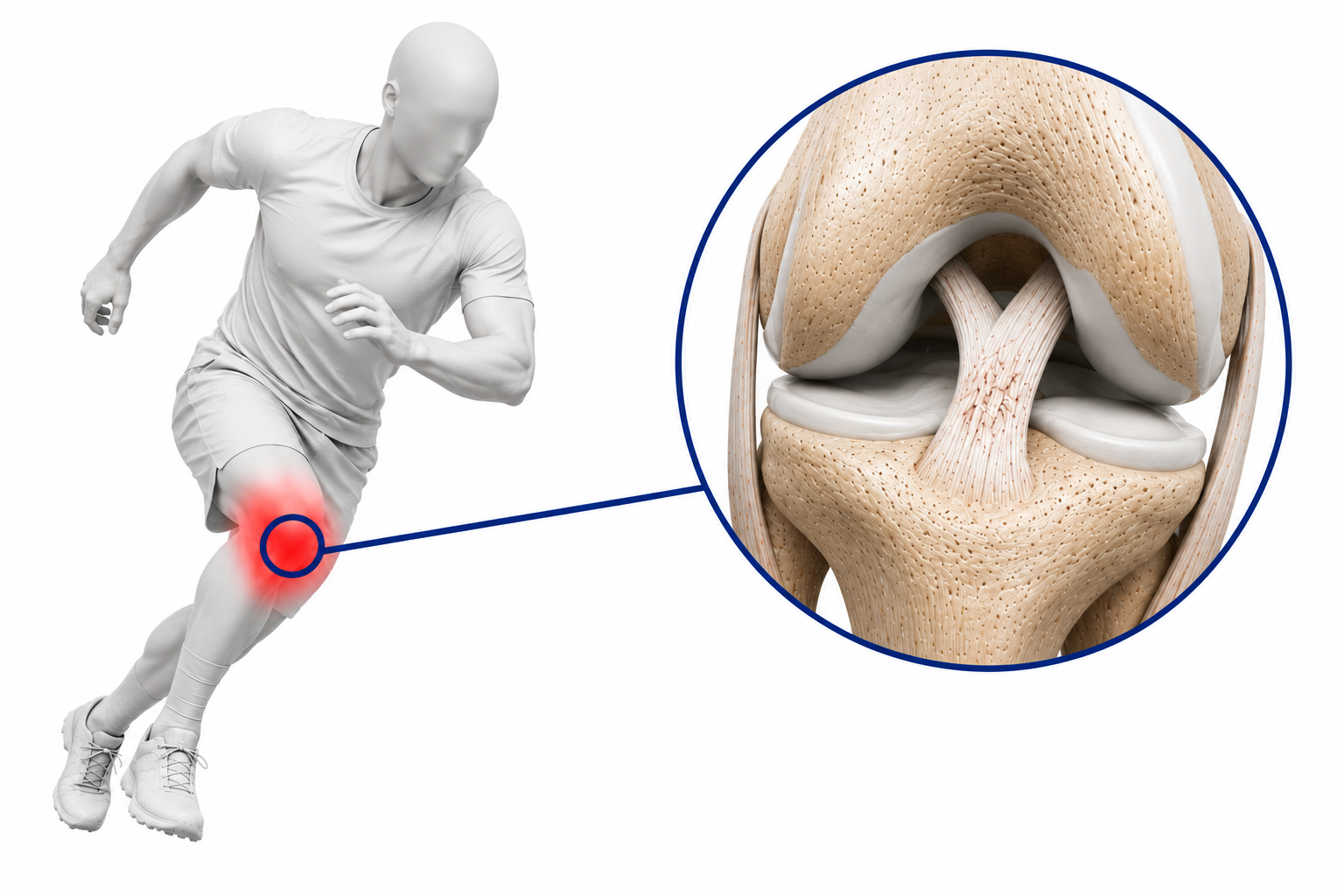
Sports injuries can occur during training, competition, or recreational activity and may affect muscles, tendons, ligaments, joints, and bones. These injuries commonly result from sudden trauma, repetitive stress, or high physical demands.
-
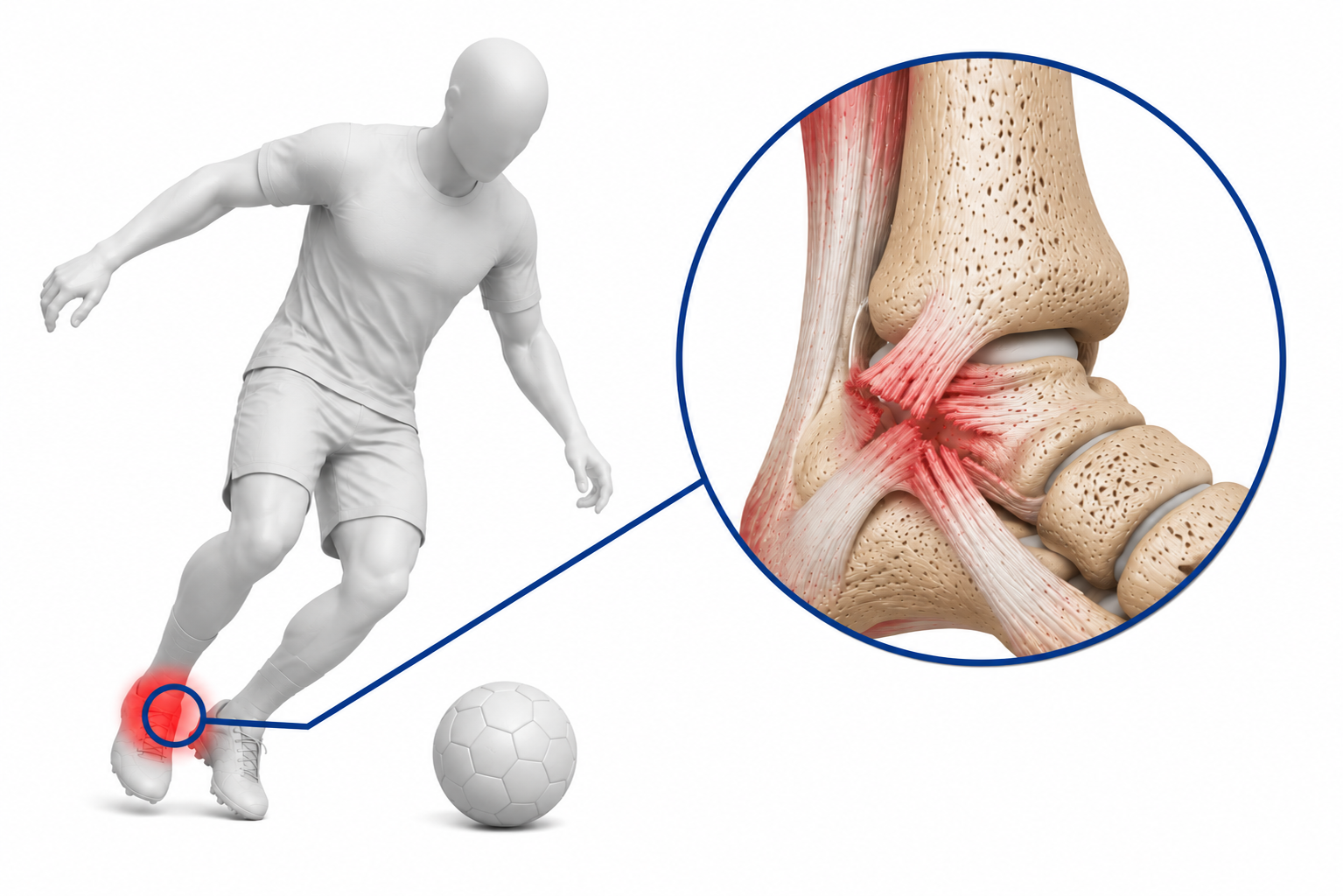
Sprains occur when ligaments become stretched or torn, commonly affecting the ankles, knees, wrists, and other joints. Symptoms often include pain, swelling, instability, and difficulty with movement.
-
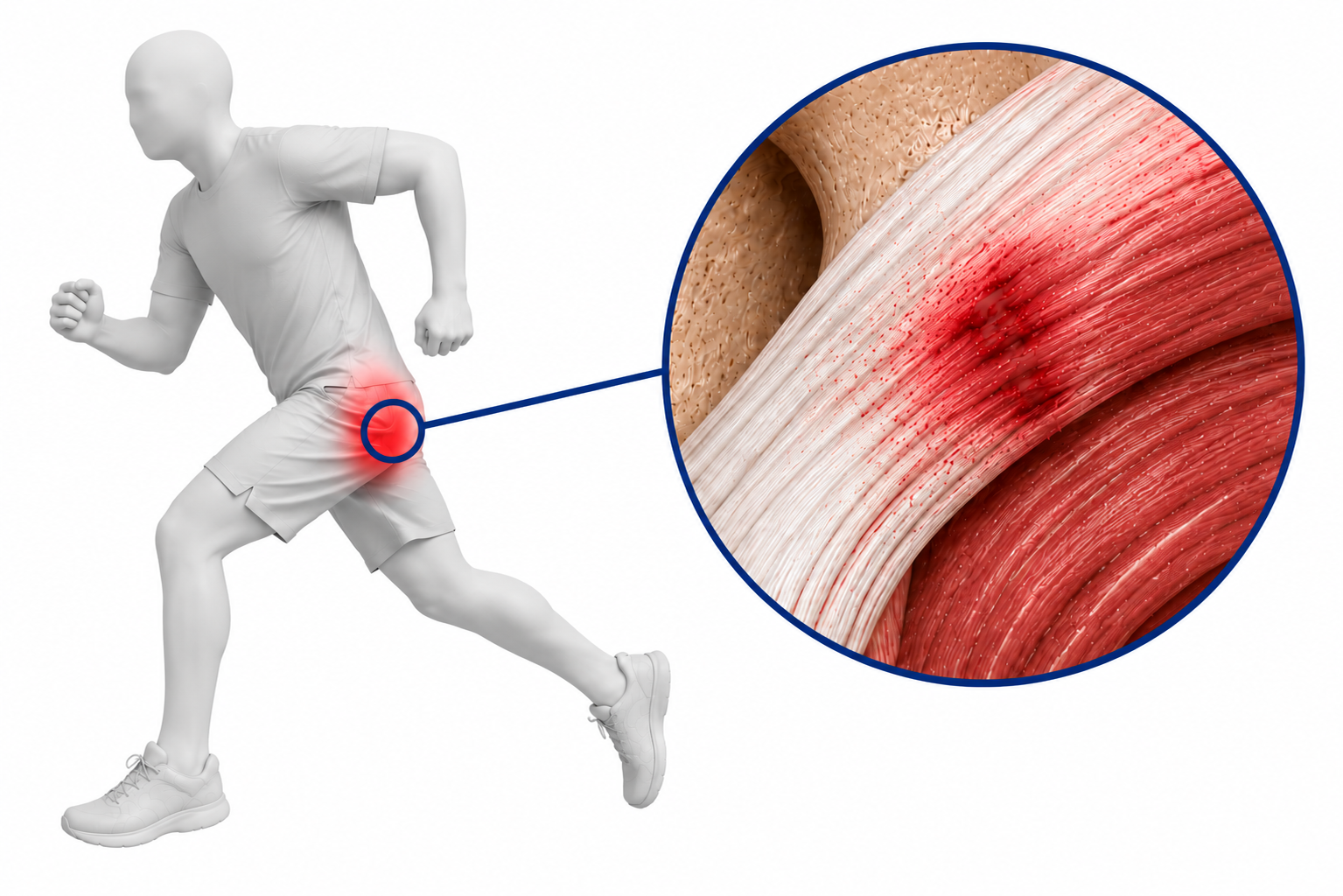
Strains involve irritation or tearing of muscles or tendons and commonly occur during sprinting, jumping, lifting, cutting, or explosive athletic movements. Symptoms may include pain, weakness, tightness, and reduced performance.
-
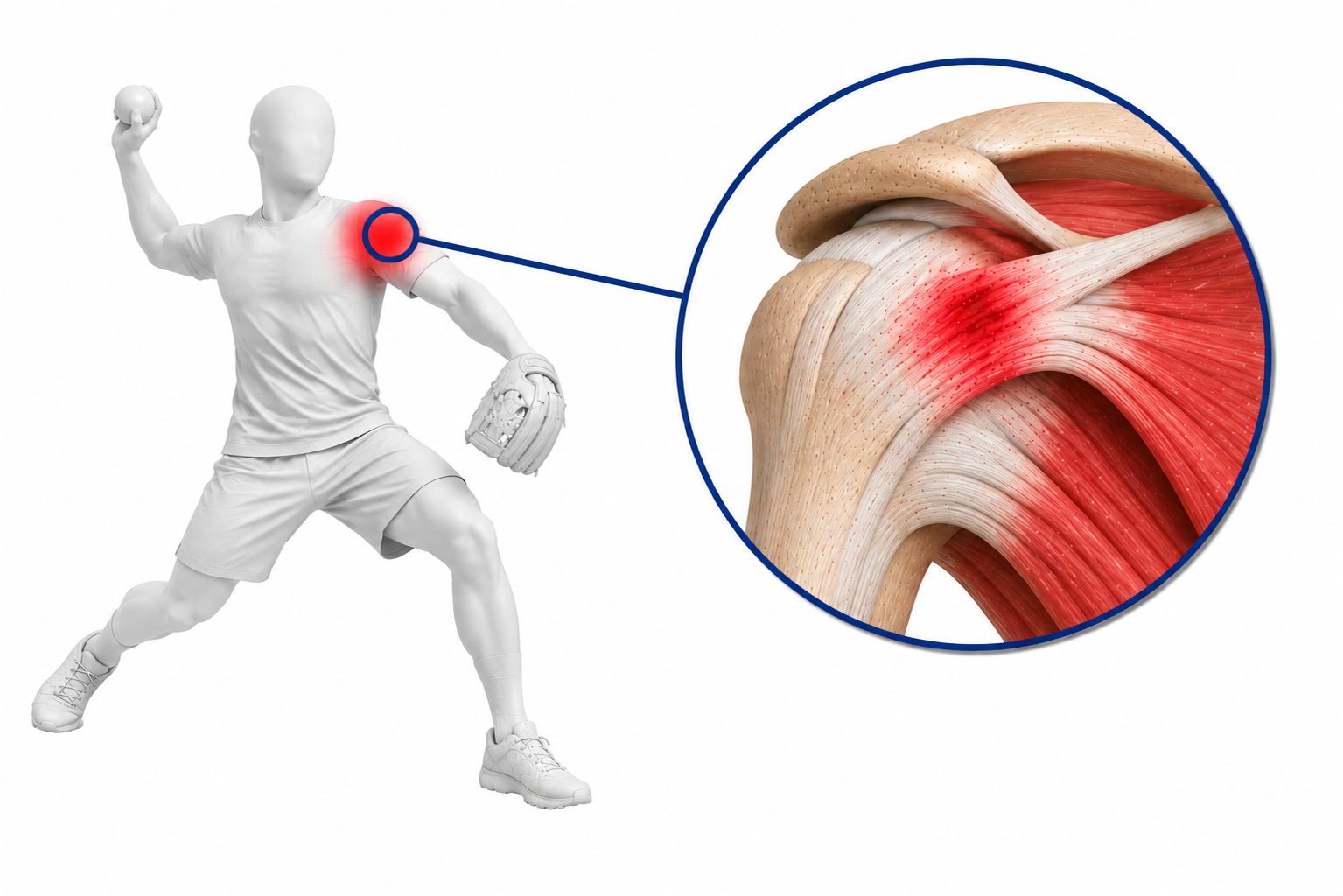
Tendinopathies involve irritation or degeneration of tendons caused by repetitive loading. Common examples include Achilles tendinopathy, patellar tendinopathy, rotator cuff tendinopathy, hamstring tendinopathy, and tennis elbow.
-
Bursitis occurs when fluid-filled sacs called bursae become irritated or inflamed, commonly around the shoulders, hips, knees, or elbows. Symptoms may include pain, tenderness, swelling, and discomfort with movement.
-
Stress fractures are small cracks in bone caused by repetitive loading, often affecting runners and jumping athletes. Early treatment helps prevent progression and supports a safe return to activity.
-
Concussions may affect balance, coordination, focus, dizziness, neck mobility, reaction time, and exercise tolerance following head trauma. Rehabilitation focuses on safely restoring function and guiding a progressive return to sport.
-
After an injury, or even without one, strength deficits, mobility limitations, poor movement mechanics, and reduced power can limit athletic performance and increase injury risk. Physical therapy helps improve movement quality, restore confidence, and optimize performance for your sport.
Common causes
WHY DO SPORTS INJURIES HAPPEN?
-
![Repetitive Stress & Overuse]()
REPETITIVE STRESS
Repeated loading without adequate recovery can place ongoing stress on muscles, tendons, joints, and connective tissues. Sports such as running, throwing, jumping, swimming, tennis, golf, and weightlifting commonly contribute to overuse injuries.
-
![Sudden Impact & Acute Trauma]()
SUDDEN IMPACT & ACUTE TRAUMA
Falls, collisions, awkward landings, tackles, and rapid changes in direction can result in sprains, strains, fractures, dislocations, and other acute injuries.
-
![Poor Movement Mechanics]()
POOR MOVEMENT MECHANICS
Mobility restrictions, muscle imbalances, weakness, and inefficient movement patterns can increase stress on tissues, reduce performance, and raise the risk of injury.
-
![Training Errors & Recovery]()
TRAINING ERRORS & RECOVERY
Rapid increases in training volume, intensity, or frequency, combined with inadequate recovery, sleep, or workload management, can lead to tissue overload, decreased performance, and increased risk of injury.
-
![Previous Injury]()
PREVIOUS INJURY
Returning to activity before fully recovering or failing to restore strength, mobility, and movement quality after an injury can increase the likelihood of reinjury and limit athletic performance.
Next Steps
Your Next Steps
You don't have to let injuries or movement limitations keep you from performing at your best. Whether you're recovering from an injury or looking to improve strength, mobility, and athletic performance, our team can help you move with confidence and get back to doing what you love.
03.
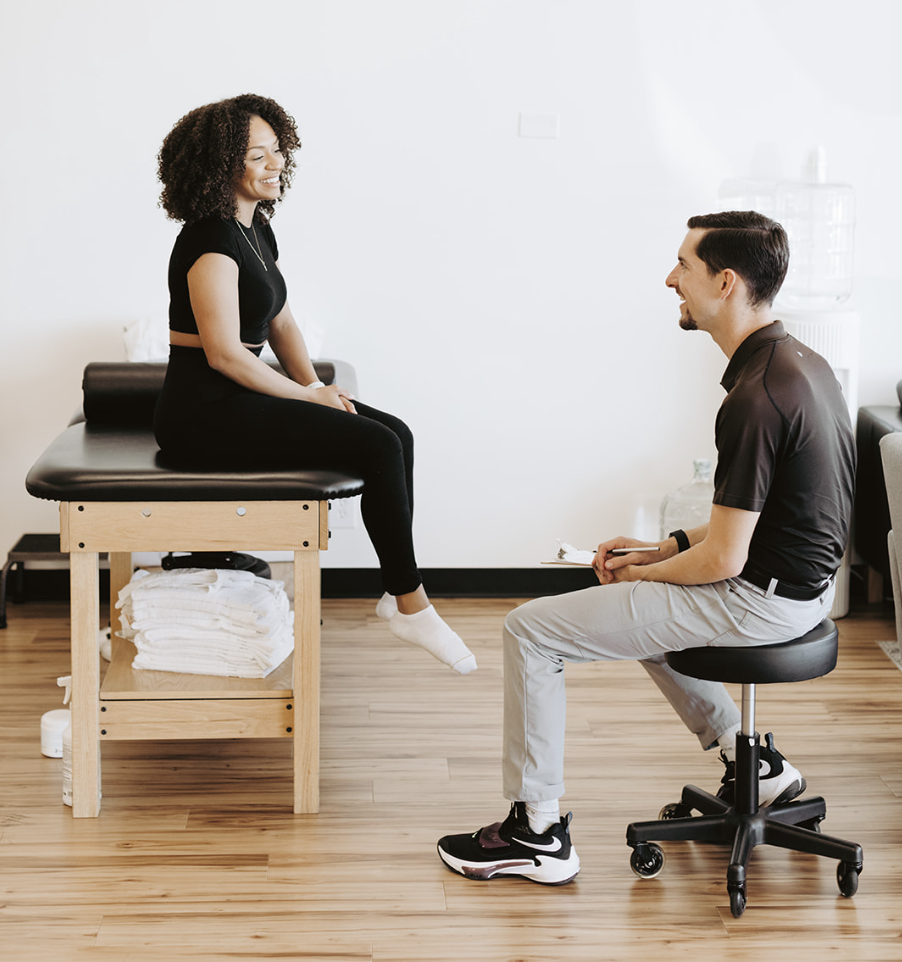
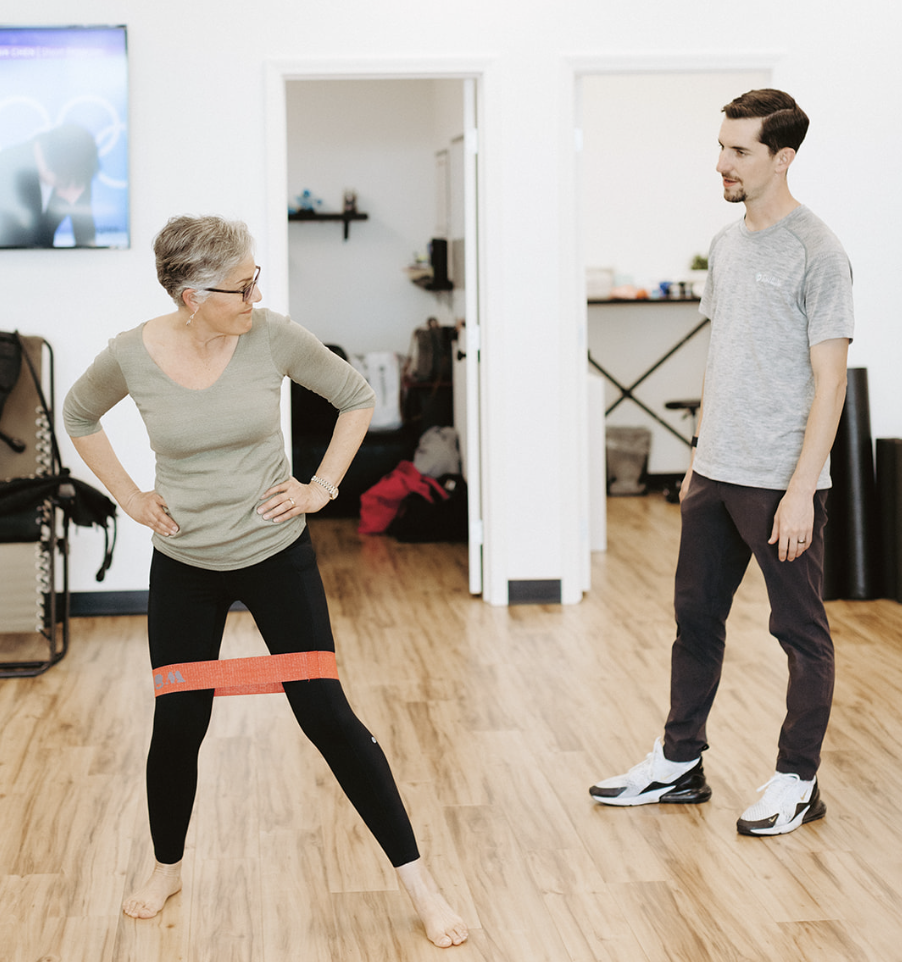
Attend Your First Visit
04.
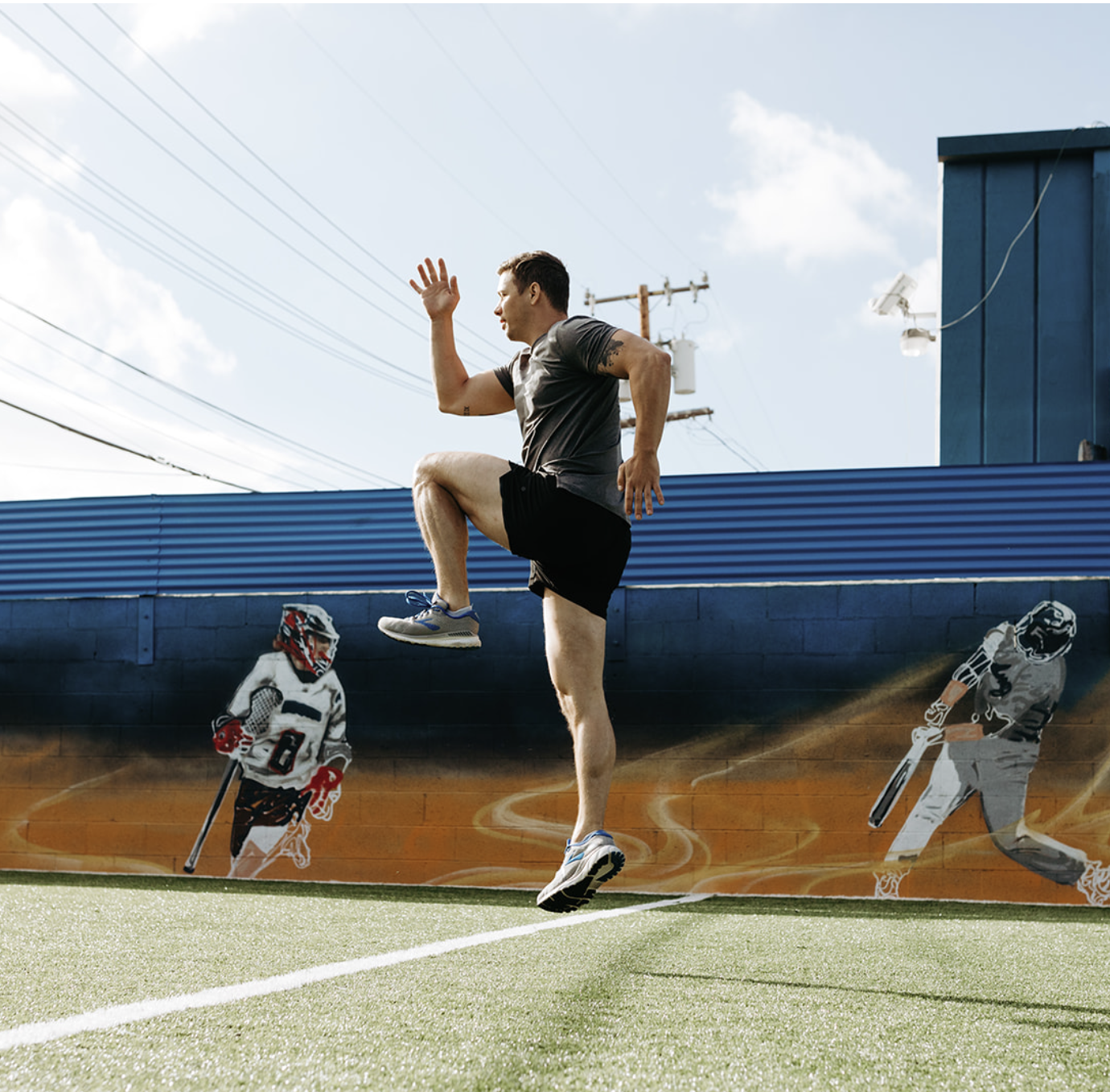
Start Moving Pain-Free
Frequently Asked Questions
-
Yes. Physical therapy can improve strength, mobility, movement efficiency, balance, and power while addressing limitations that may increase injury risk or impact performance.
-
It depends on the injury and its severity. In many cases, modified training and guided rehabilitation are beneficial, but continuing to push through pain may delay recovery or worsen symptoms.
-
Recurring muscle strains may be related to weakness, mobility restrictions, compensation patterns, poor recovery, or returning to activity too quickly after injury.Yes. Identifying movement dysfunctions, strength deficits, mobility limitations, and training errors can reduce injury risk while improving overall athletic performance.
-
Recovery timelines depend on the injury, tissue involved, severity, and your sport-specific goals. Some athletes return within a few weeks, while others require a more progressive rehabilitation program before safely returning to competition.