
physical therapy for muscle, tendon and joint PAIN IN COSTA MESA
MUSCLE, TENDON & JOINT PAIN
Muscle, tendon, and joint conditions can make it difficult to exercise, work, train, or stay active without discomfort. At Cuirim Sports Recovery, we identify the underlying factors contributing to your symptoms and create a personalized treatment plan to improve mobility, restore strength, reduce pain, and help you return to the activities you enjoy.
HOW CAN PHYSICAL THERAPY HELP MUSCLE, TENDON & JOINT PAIN?
How we can Help
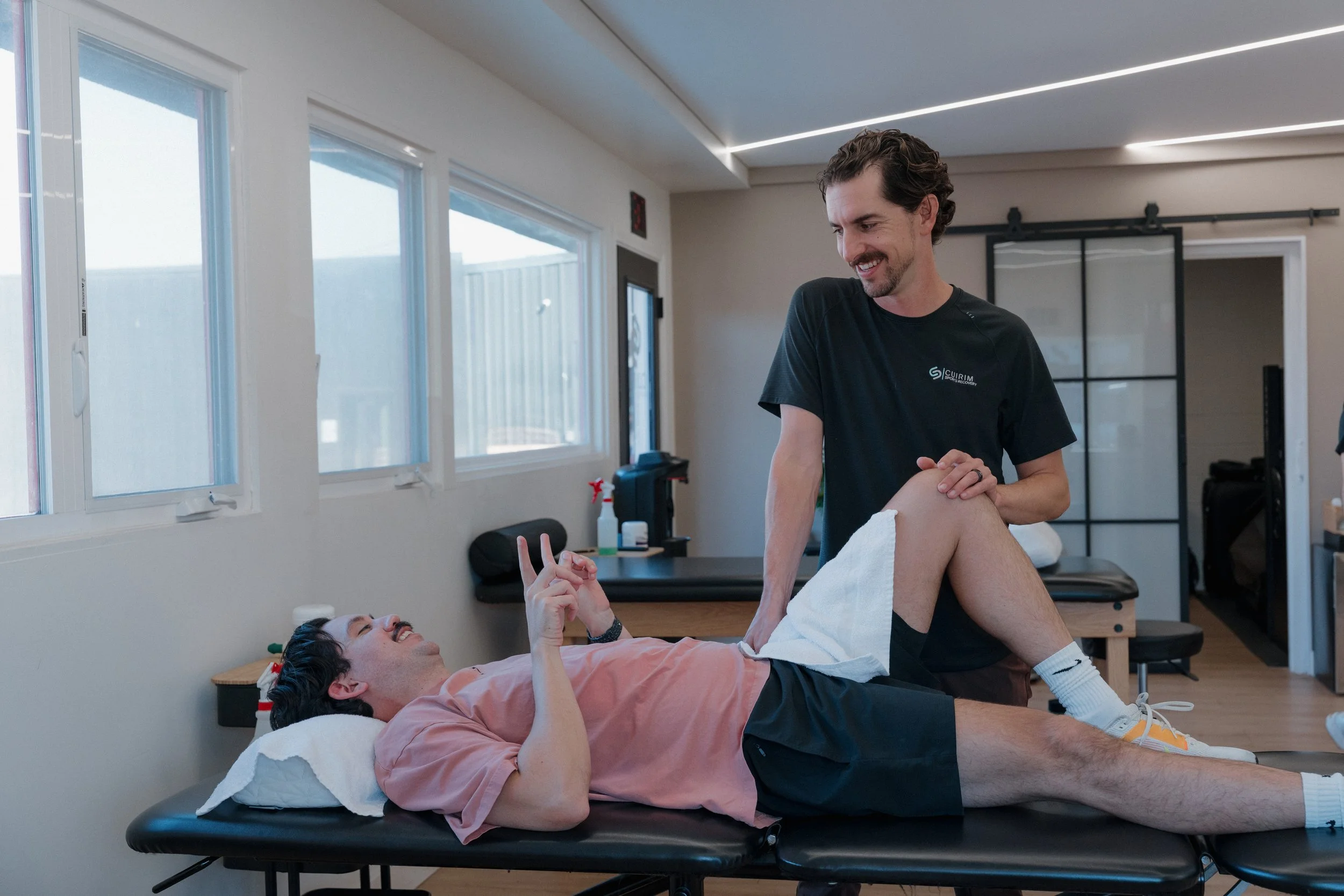
Physical therapy can help reduce muscle, tendon, and joint pain, restore mobility, improve strength, and get you back to the activities that matter most. At Cuirim Sports Recovery, we work with active adults, youth through professional athletes, office workers, older adults, and post-operative patients recovering from acute injuries, overuse conditions, and chronic musculoskeletal pain.
Every patient is different, so we perform a comprehensive evaluation to identify the strength deficits, mobility restrictions, movement impairments, and biomechanical factors contributing to your pain, allowing us to create a personalized treatment plan for lasting recovery.
The key metrics we track include joint range of motion, side-to-side strength symmetry, force production, movement quality, balance, load tolerance, and functional performance. These measurements help us identify limitations, guide treatment decisions, and objectively monitor your progress throughout rehabilitation and return to work, sport, and everyday activities.
How We can Help
Our Approach to Relieve Muscle, Tendon & Joint Pain
-
![VALD FORCE DECKS]()
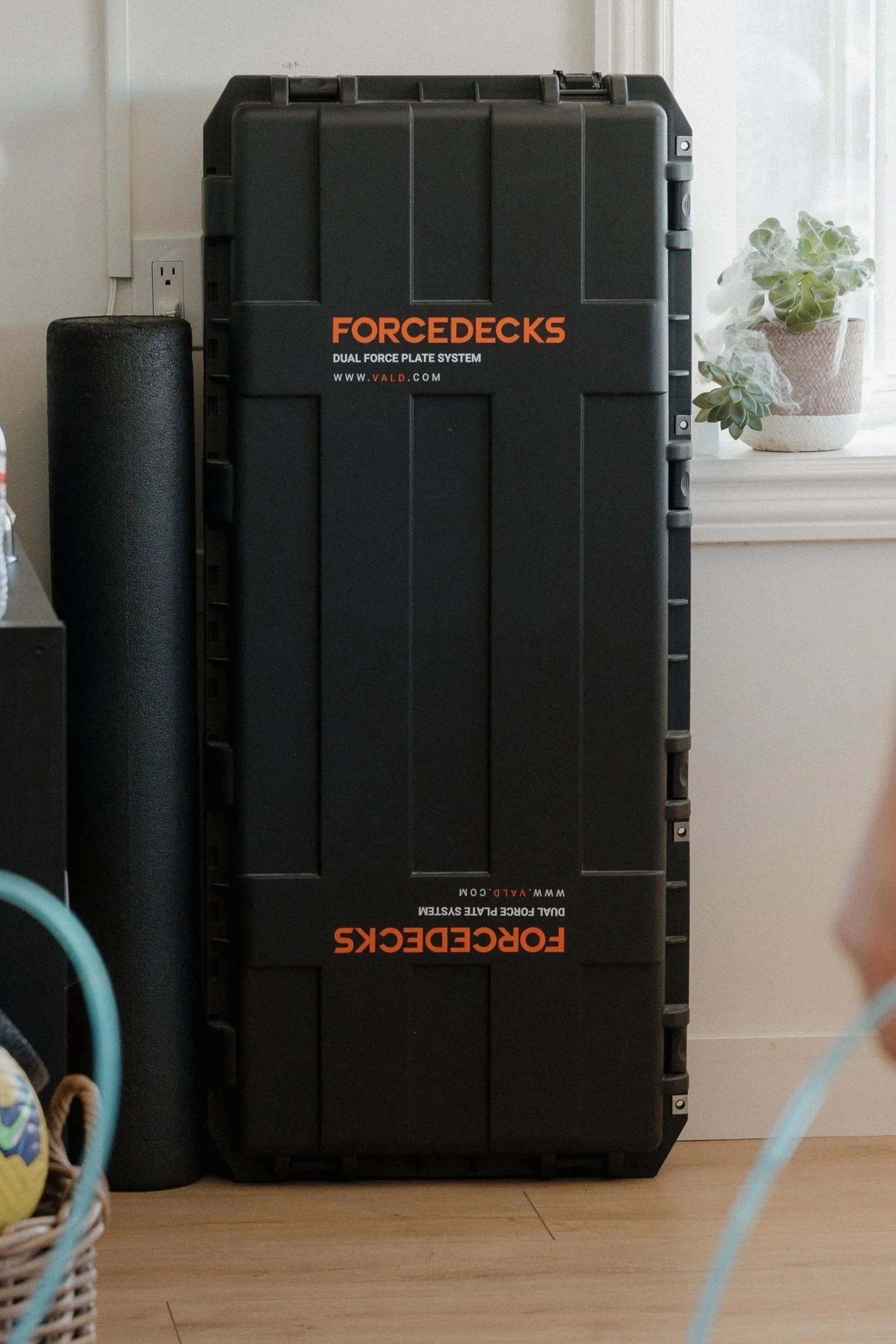
VALD FORCE DECKS
To assess squat symmetry, jump performance, force production, landing mechanics, balance, and movement asymmetries that may contribute to pain or increase injury risk.
-
![VALD Dynamometry]()
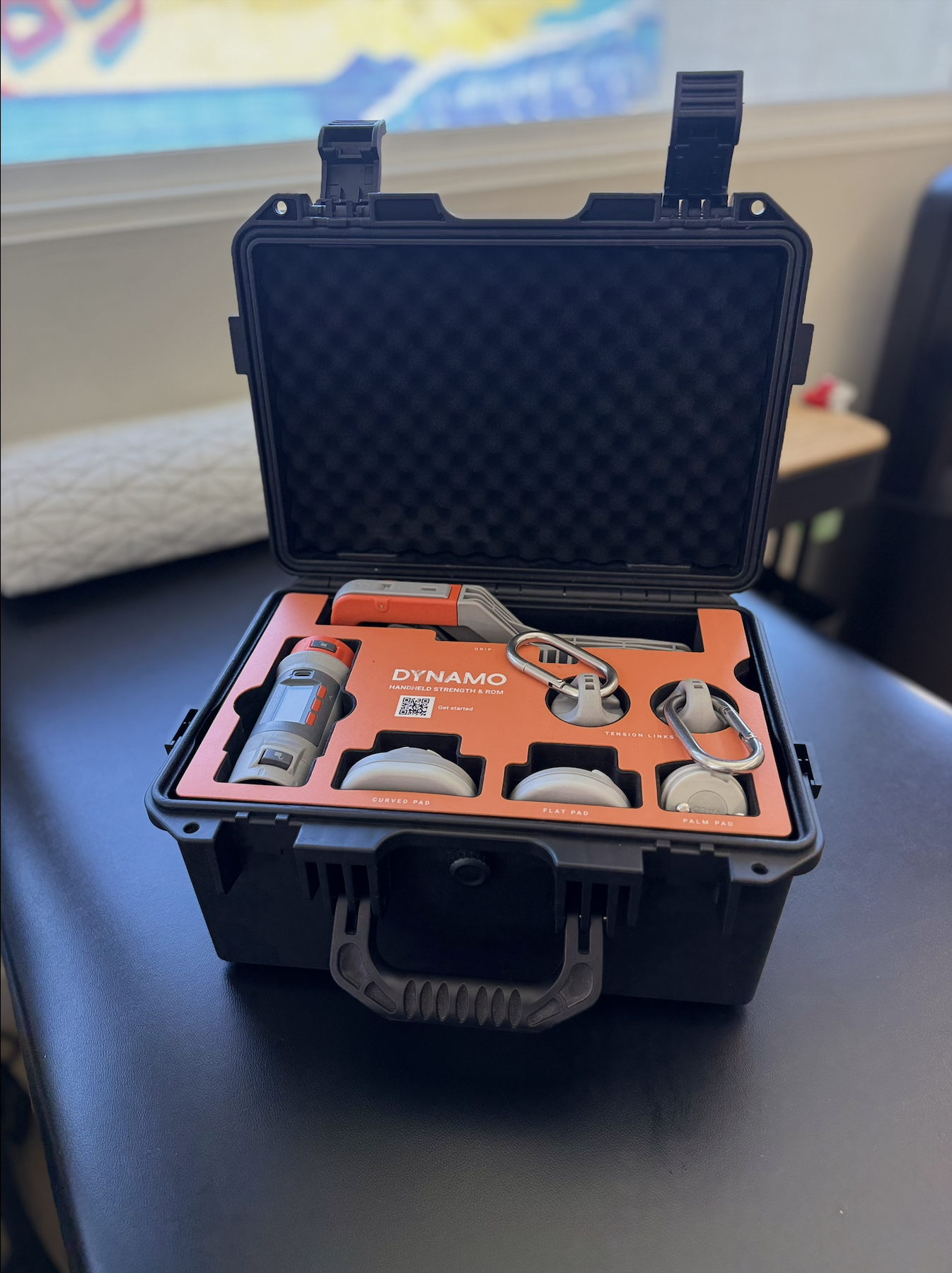
VALD DYNAMOMETRY
To objectively measure strength deficits, identify side-to-side asymmetries, and monitor your progress throughout rehabilitation.
-
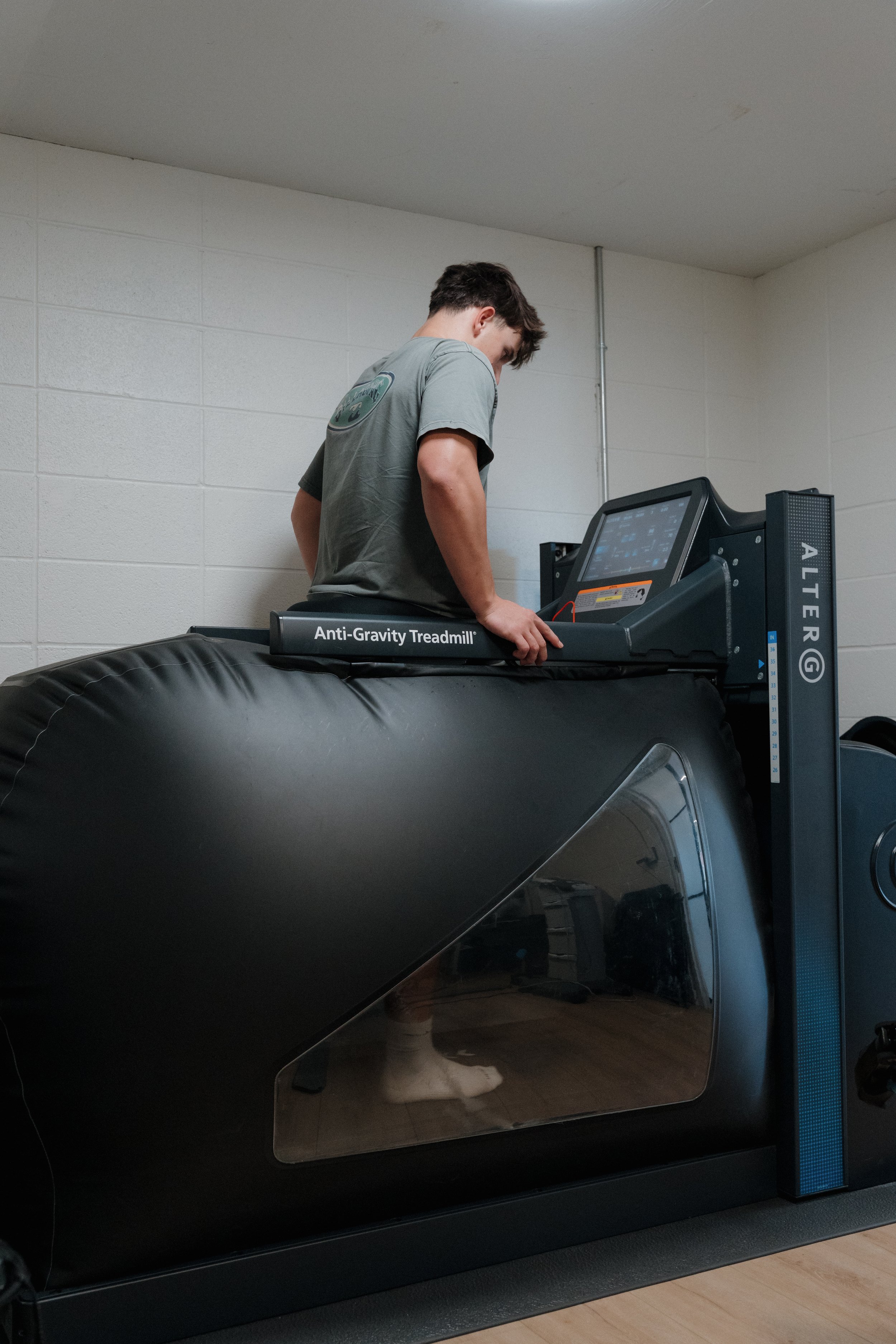
![AlterG Anti-Gravity Treadmill]()
ALTERG ANTI-GRAVITY TREADMILL
To reduce joint loading and allow an earlier return to walking, running, and athletic activity while minimizing pain and improving confidence with movement.
-
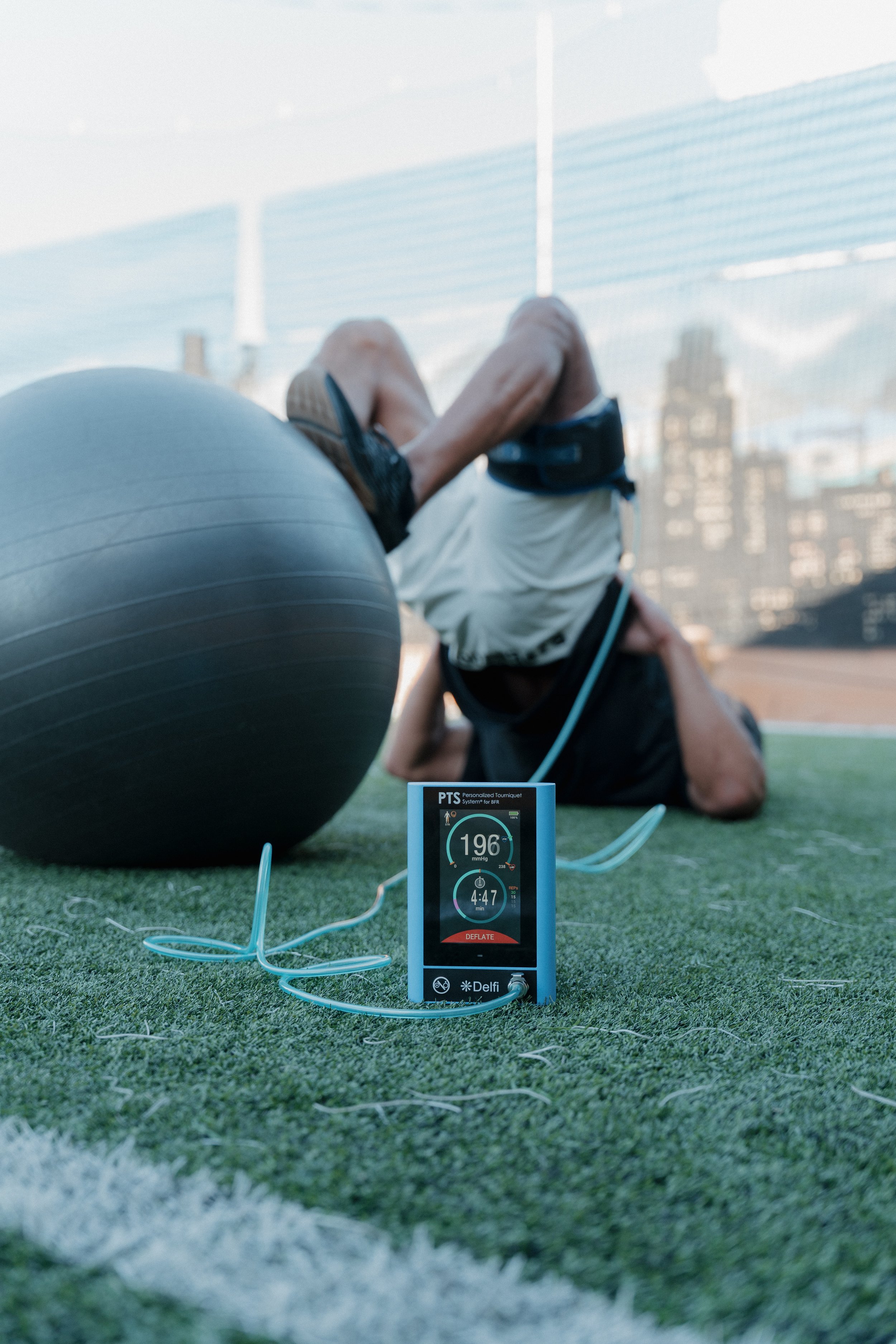
![Blood Flow Restriction (BFR)]()
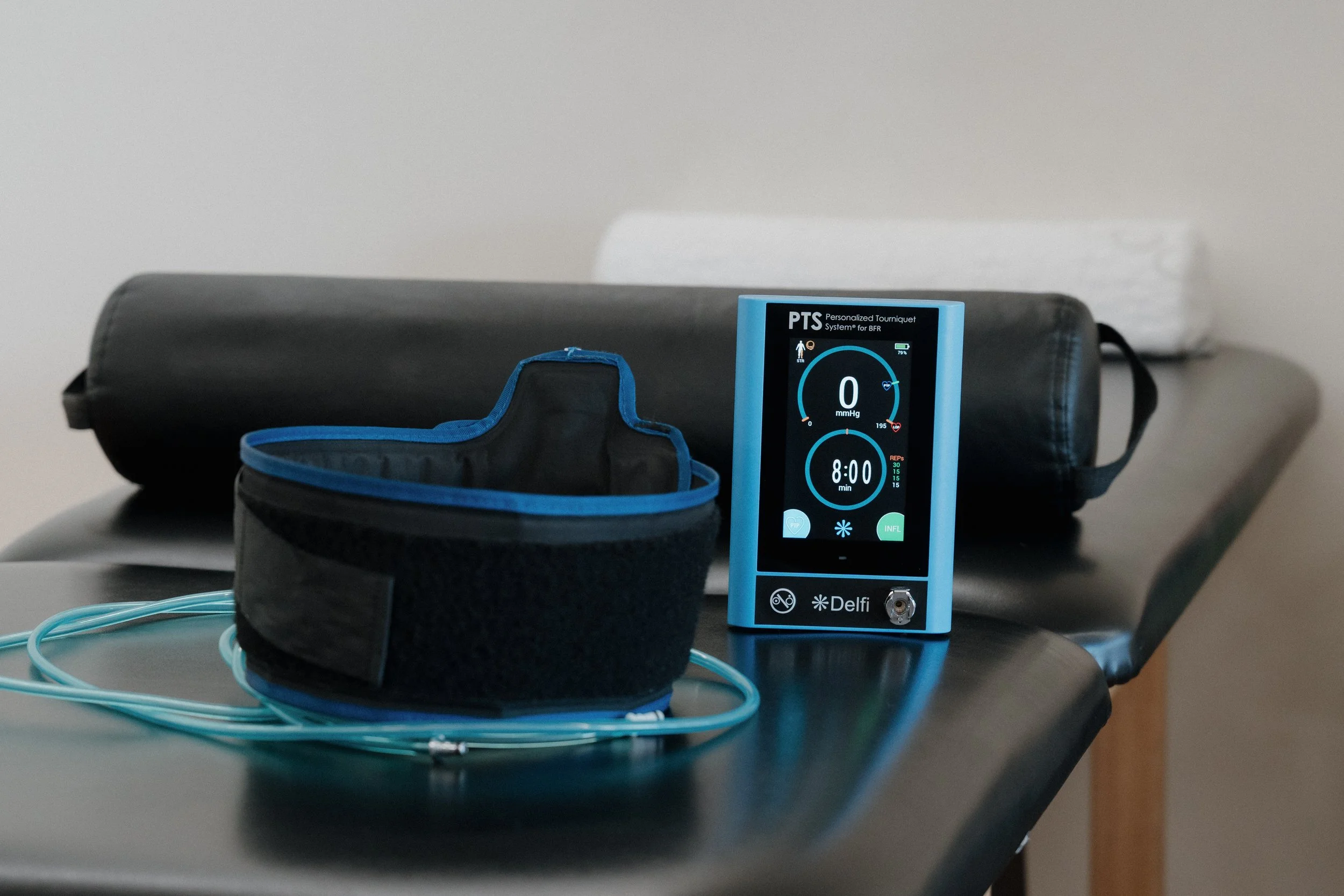
BLOOD FLOW RESTRICTION (BFR)
To build strength and minimize muscle atrophy using lighter loads when pain, injury, or post-operative precautions limit traditional resistance training.
-
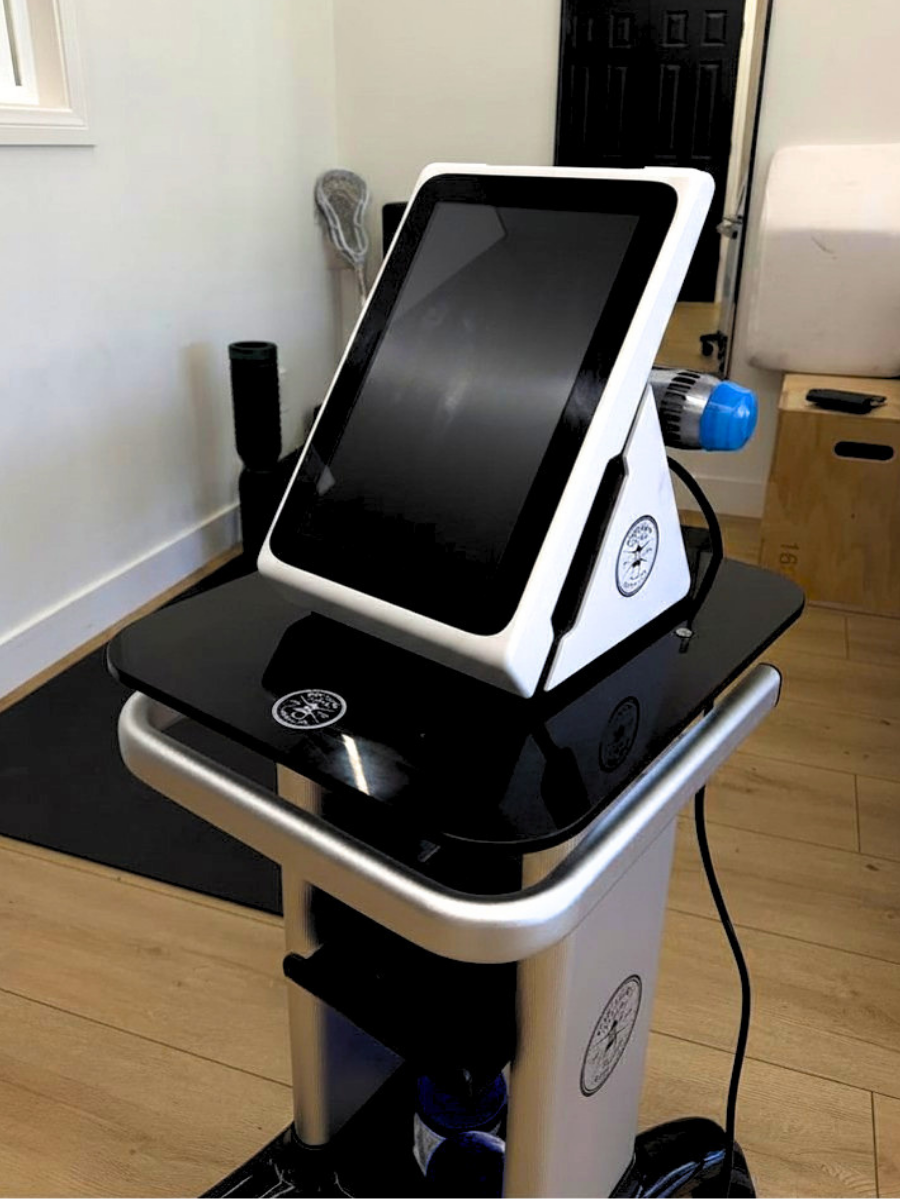
![Shockwave Therapy]()
SHOCKWAVE THERAPY
To stimulate healing, improve blood flow, and reduce pain associated with chronic tendon, muscle, and soft tissue conditions.
-
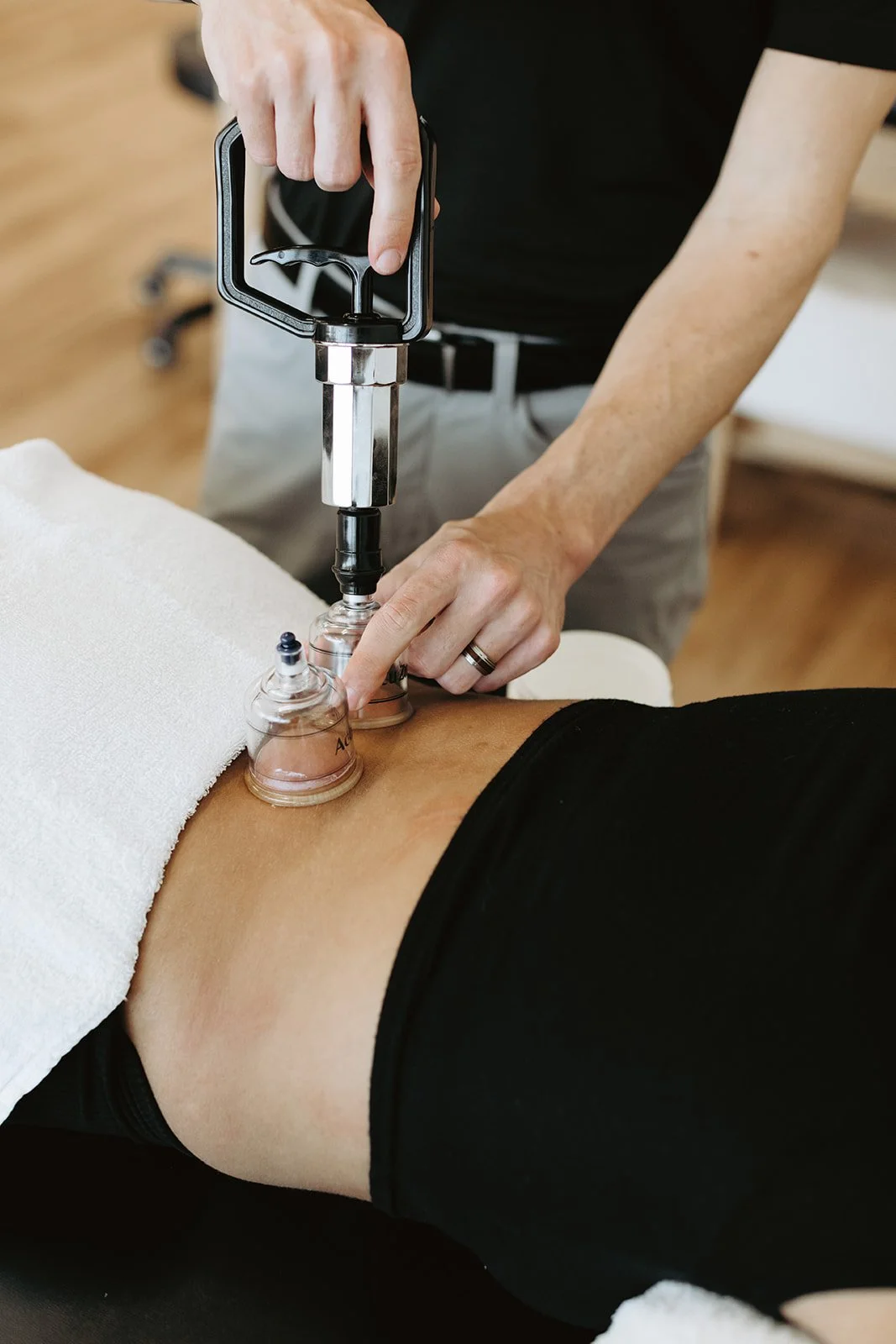
![Cupping Therapy]()
CUPPING THERAPY
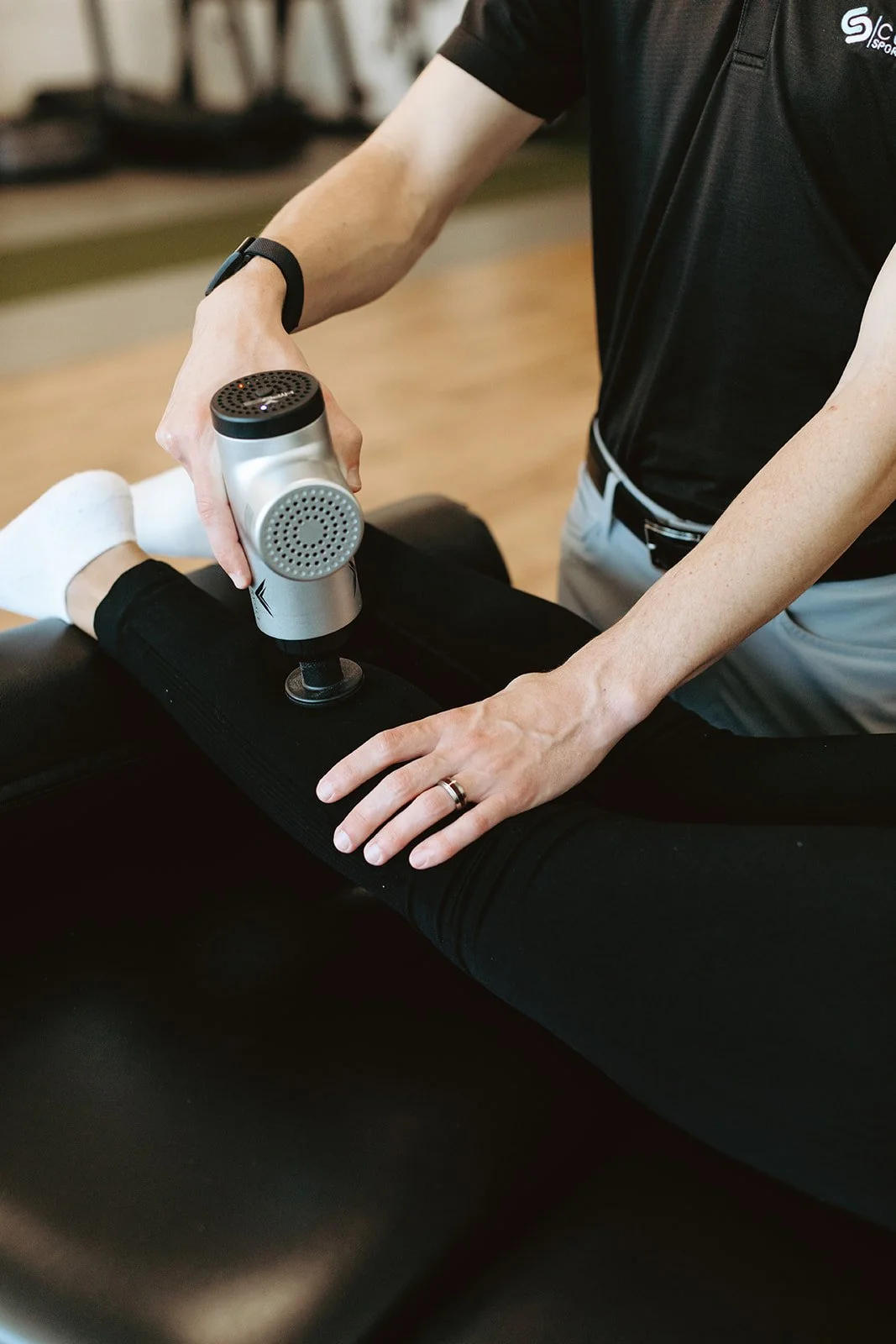
To reduce muscle tension, improve circulation, relieve pain, and promote mobility in affected muscles and surrounding tissues.
-
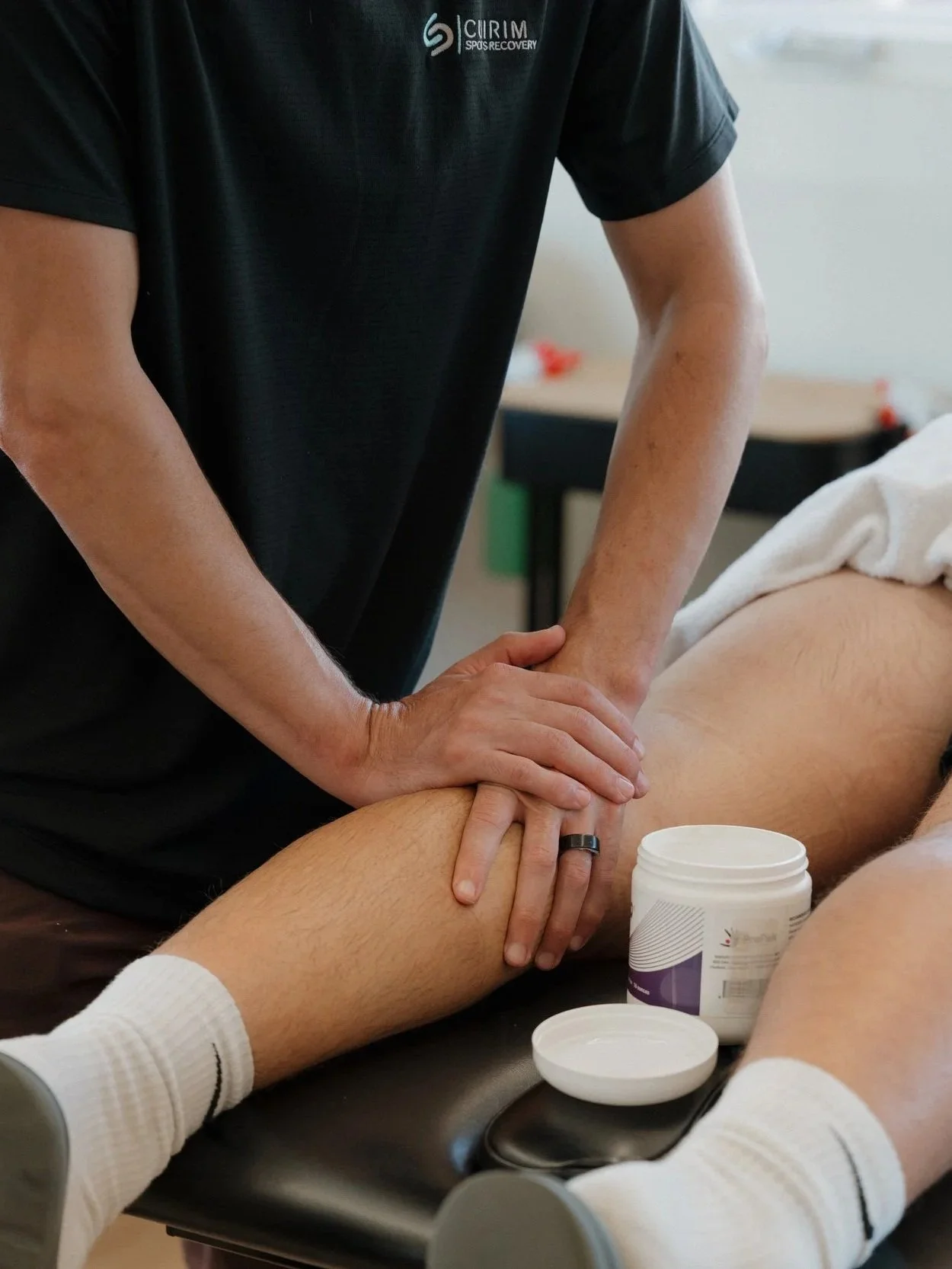
![Manual Therapy]()
HANDS-ON MANUAL THERAPY
Including joint mobilization, soft tissue mobilization, stretching, and other skilled techniques to improve joint mobility, reduce pain, and restore normal movement.
-
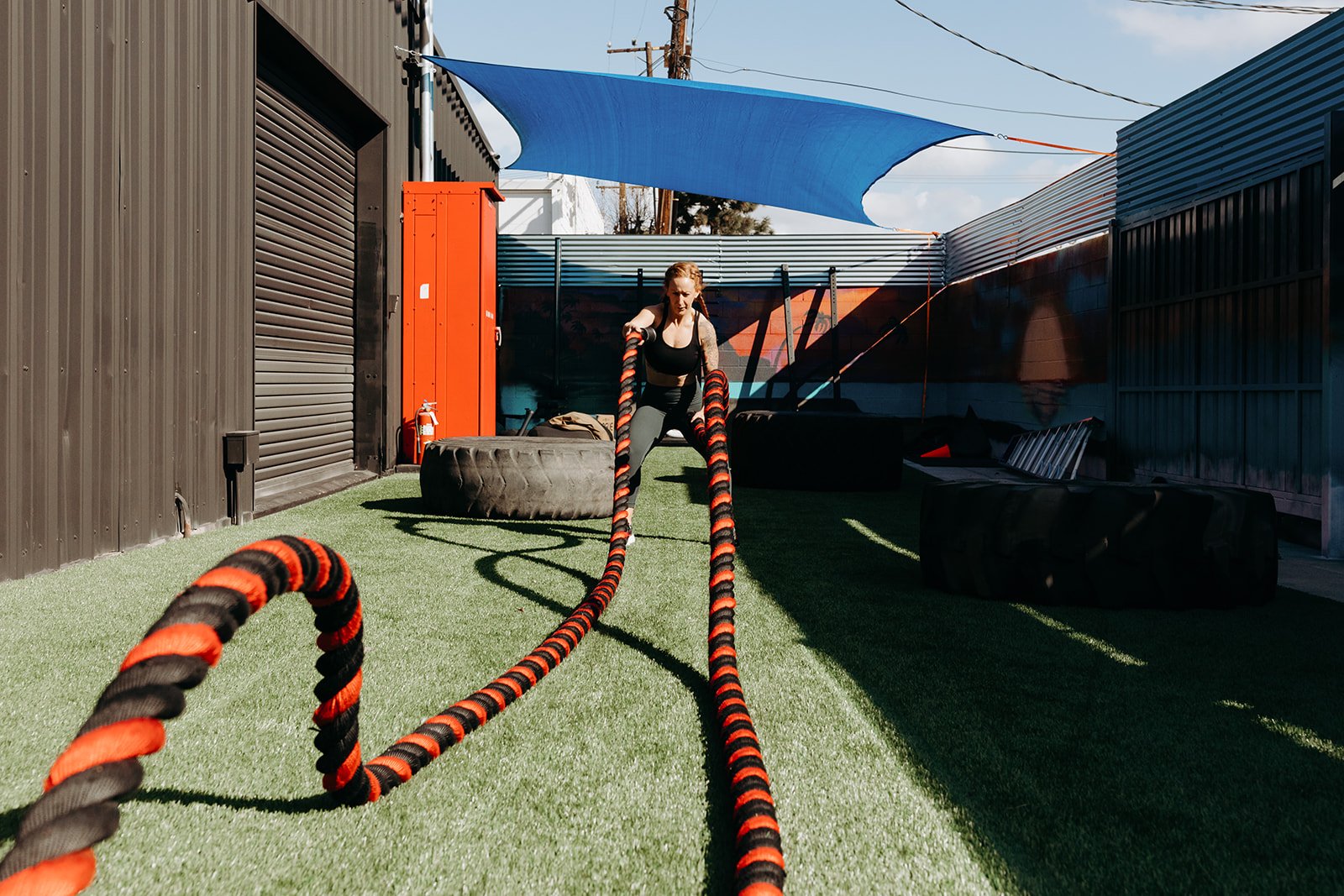
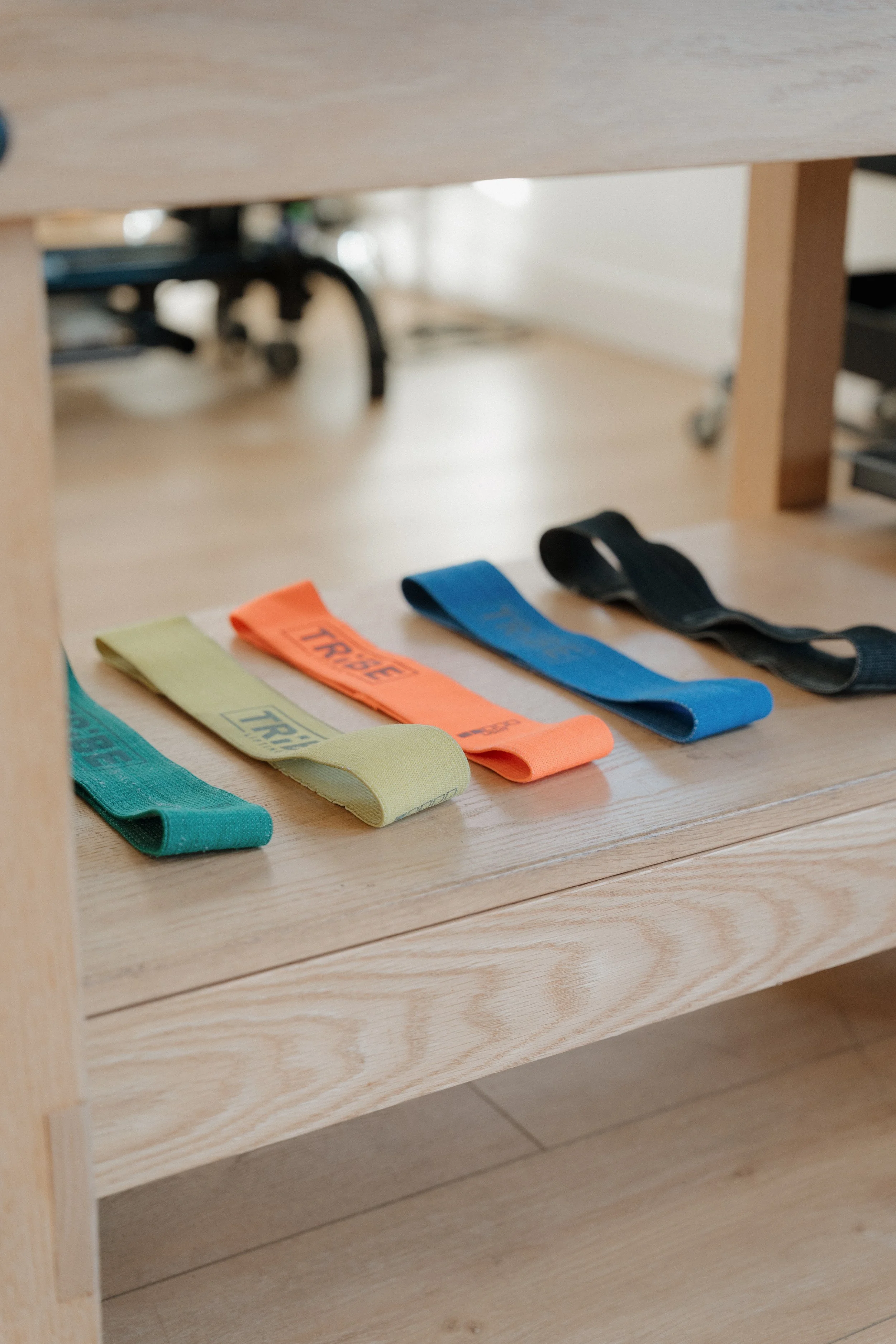
![Individualized Exercise Program]()
PERSONALIZED REHAB PROGRAM
Tailored to your specific diagnosis, goals, and activity level to restore mobility, improve strength, optimize movement mechanics, reduce pain, and help you safely return to work, sport, and the activities you enjoy.
-
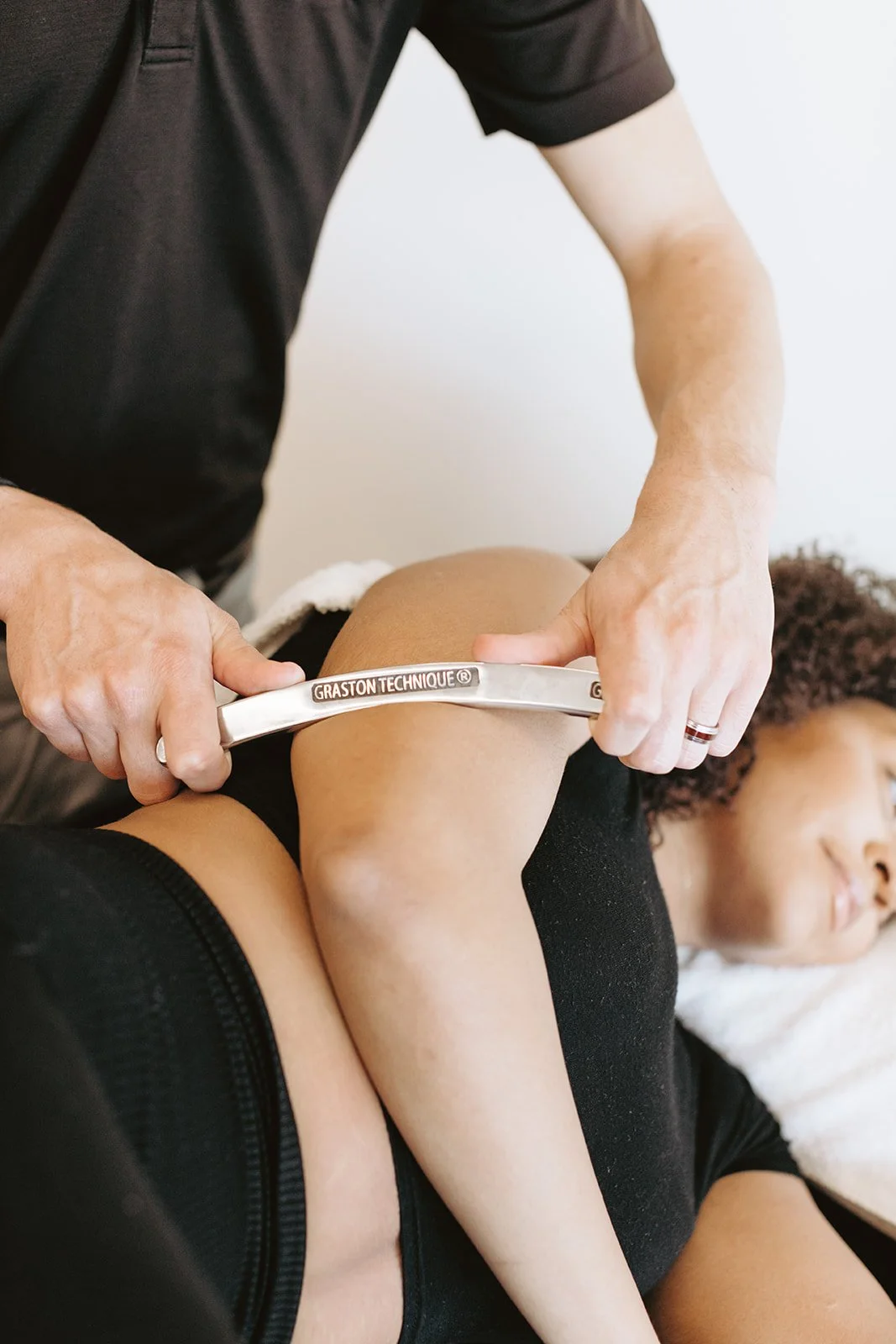
![Graston (IASTM)]()
GRASTON (IASTM)
To address soft tissue restrictions, reduce scar tissue, improve tissue mobility, and restore normal movement.
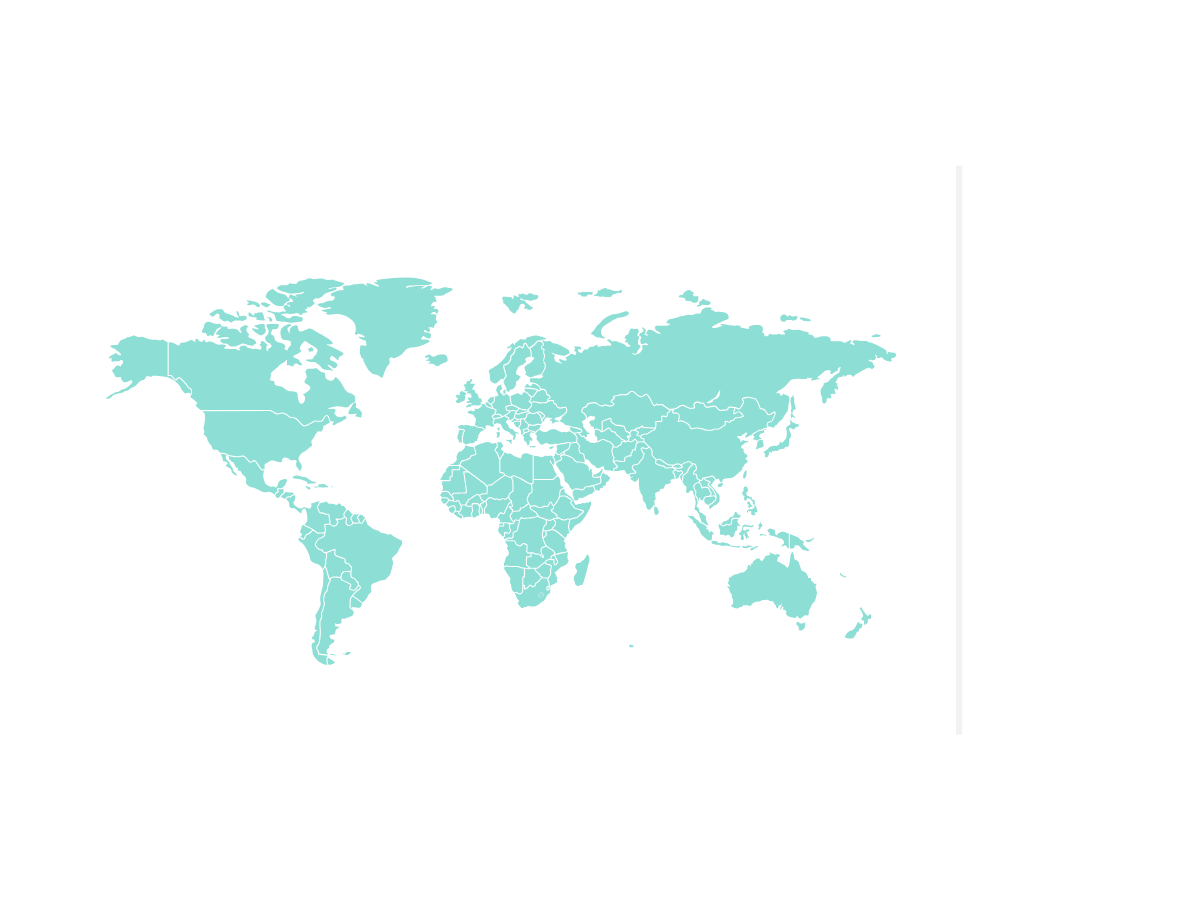
“Approximately 1.71 billion people have musculoskeletal conditions worldwide.”
Source: World Health Organization

Explore The Types of Muscle, Tendon and Joint Pain We Treat
TYPES OF CONDITIONS
-
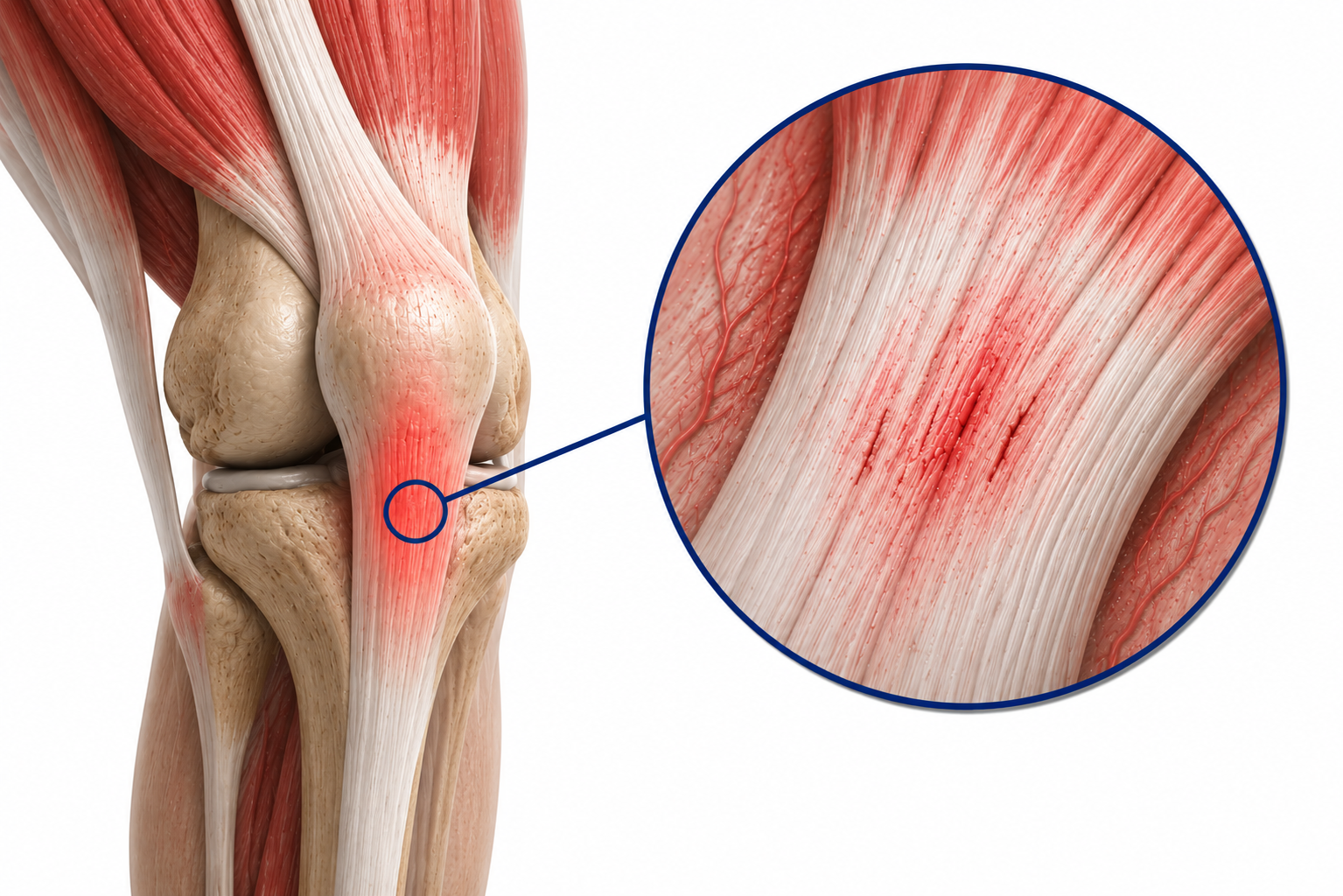
Tendinitis and tendinopathy involve irritation, overload, or degeneration of tendons commonly caused by repetitive stress, overtraining, or movement dysfunction. These conditions often cause pain during activity, stiffness, and reduced performance.
-
Bursitis occurs when fluid-filled sacs called bursae become irritated or inflamed, commonly around the shoulders, hips, knees, or elbows. Symptoms may include pain, tenderness, swelling, and discomfort during movement or prolonged pressure.
-
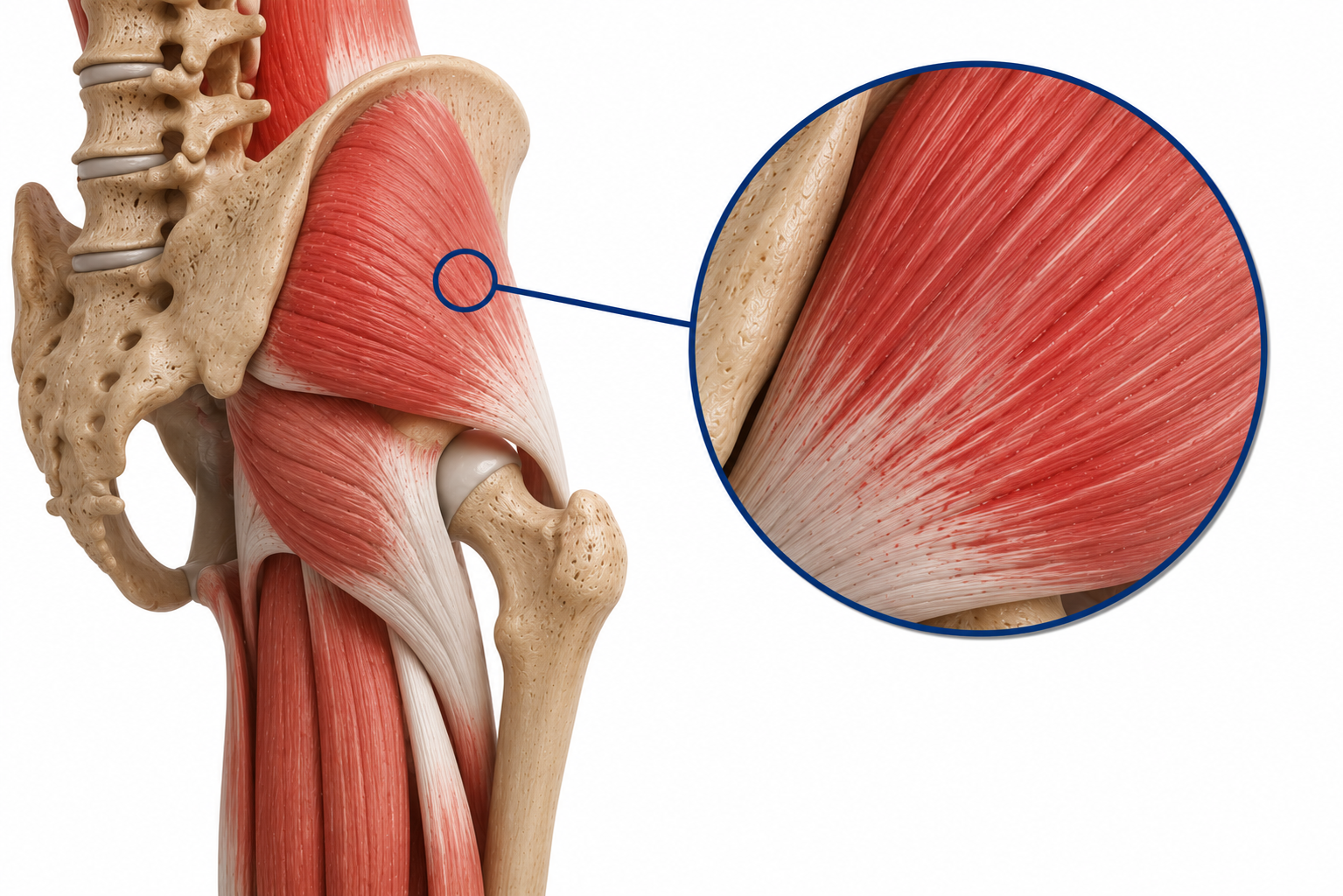
Muscle strains involve stretching or tearing of muscle tissue and commonly occur during lifting, sprinting, jumping, or sudden movement. Symptoms may include pain, tightness, weakness, and limited mobility.
-
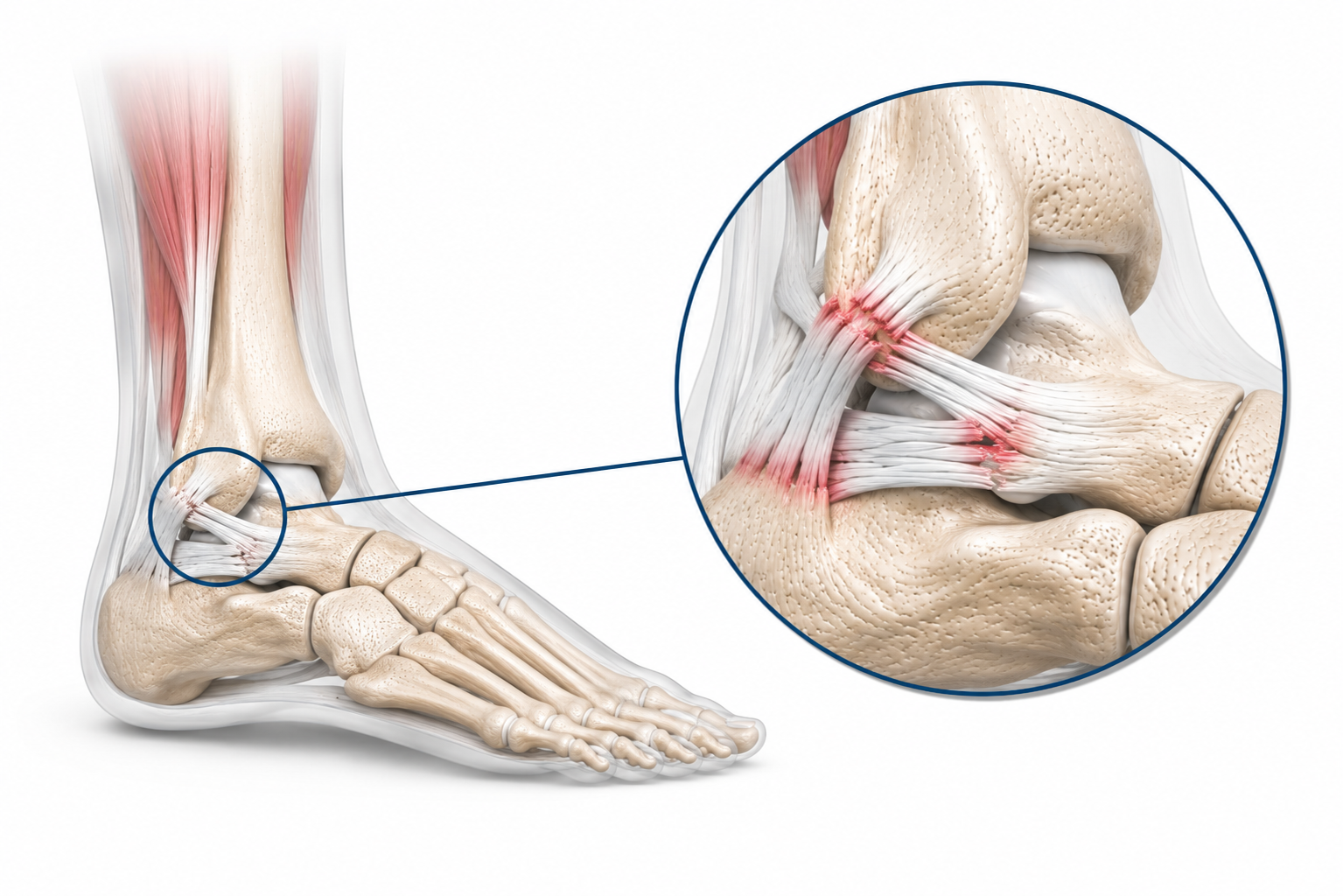
Sprains occur when ligaments become overstretched or torn, commonly affecting joints such as the ankle, knee, or wrist. Symptoms often include swelling, instability, pain, and difficulty with movement or weight-bearing.
-
Joint instability develops when the structures responsible for supporting a joint are unable to provide adequate control during movement. This may contribute to recurring injuries, weakness, reduced confidence, or feelings of the joint giving way.
-
Cartilage injuries and joint irritation can develop from acute injuries, repetitive stress, or age-related changes. Symptoms may include pain, stiffness, swelling, clicking, or difficulty with certain movements.
Muscle, tendon, and joint conditions can cause pain, stiffness, weakness, swelling, or limited mobility that affects your ability to move comfortably and stay active. Whether your symptoms developed gradually or after an injury, we help identify the underlying cause and create a personalized treatment plan to restore function and reduce pain. We treat a wide range of muscle, tendon, and joint conditions, including but not limited to those listed below.
Common causes
What Could Be Causing My Muscle, Tendon or Joint Pain?
-
![Repetitive Stress & Overuse]()
REPETITIVE STRESS & OVERUSE
Repeated loading of muscles, tendons, and joints without adequate recovery can contribute to irritation, inflammation, and tissue breakdown over time.
-
![Sudden Injury & Trauma]()
SUDDEN INJURY & TRAUMA
Falls, awkward movements, collisions, or unexpected forces can place excessive stress on tissues and result in strains, sprains, and joint injuries.
-
![Muscle Weakness & Imbalances]()
MUSCLE WEAKNESS & IMBALANCES
Weakness, poor stability, and muscular imbalances can increase stress on specific joints and tissues, making them more vulnerable to injury.
-
![Mobility Restrictions & Postural Dysfunction]()
MOBILITY RESTRICTIONS & POSTURAL DYSFUNCTION
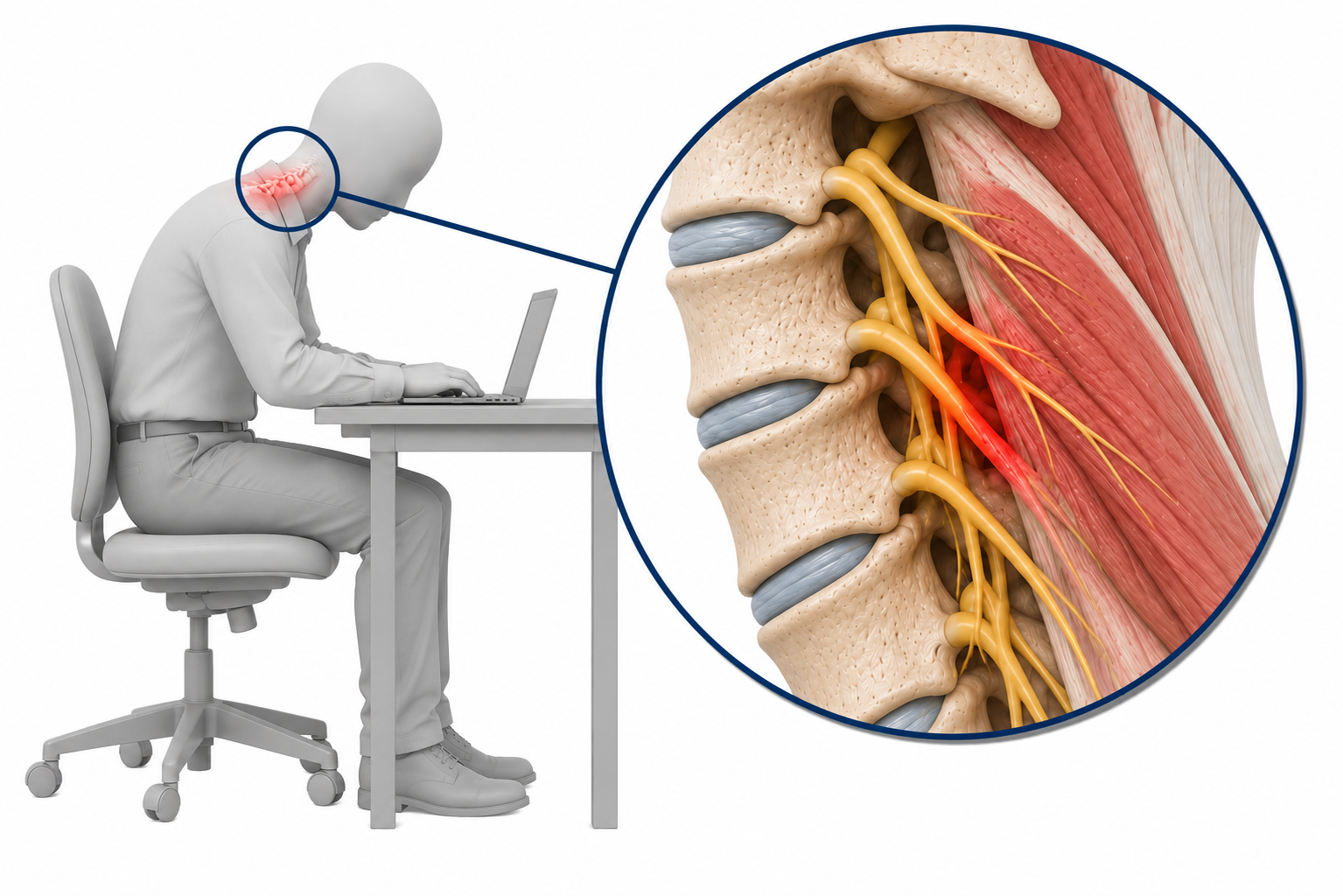
Limited flexibility, joint stiffness, and prolonged postures can alter movement patterns and place additional strain on muscles, tendons, and joints.
-
![Poor Movement Mechanics]()
POOR MOVEMENT MECHANICS
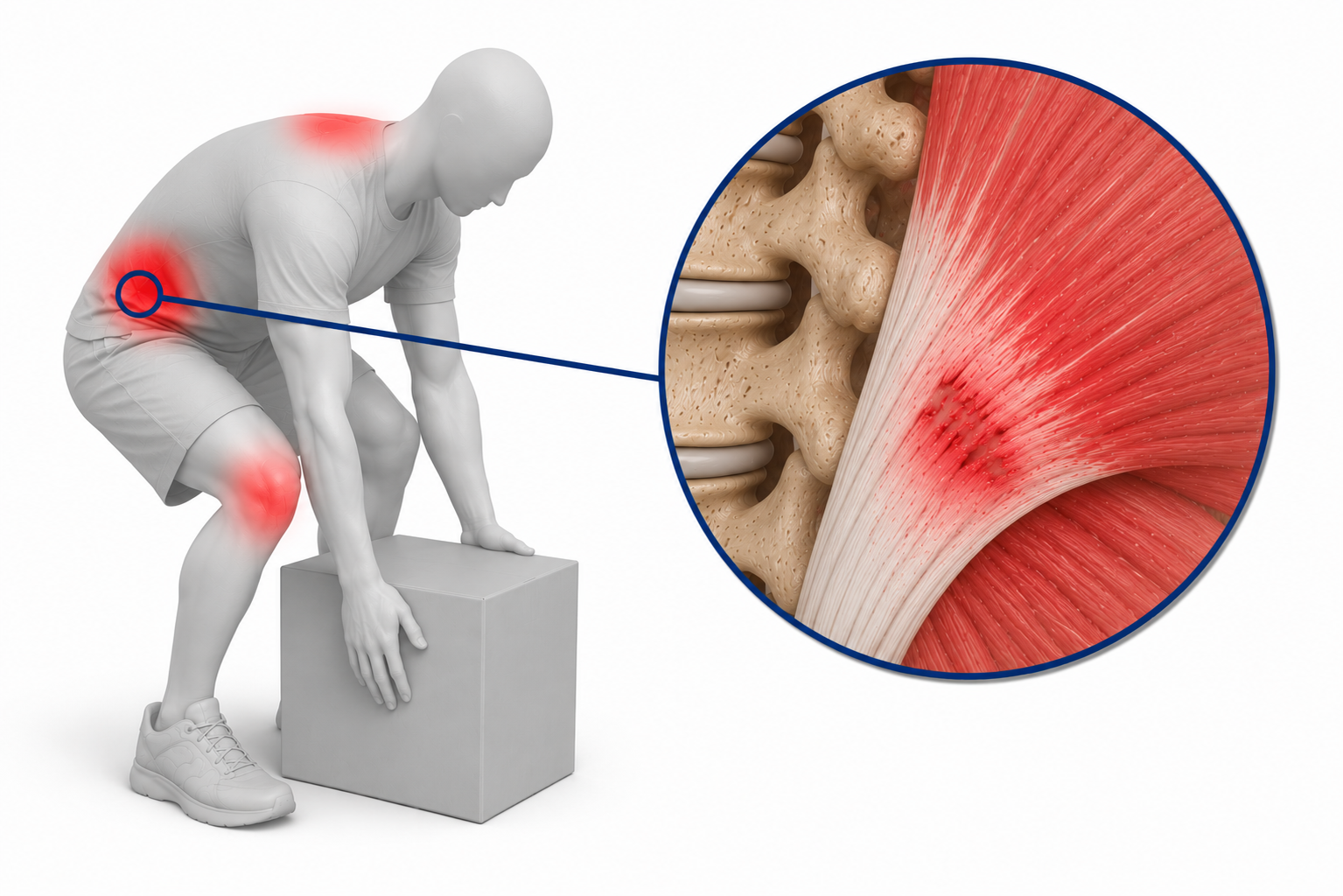
Repetitive movement patterns, lifting technique issues, and compensation strategies can contribute to ongoing tissue irritation and recurring symptoms.
Next Steps
Your Next Steps
You don’t have to let muscle, tendon, or joint pain continue limiting your activity and movement. Addressing symptoms early can help improve recovery, reduce irritation, and prevent recurring injuries.
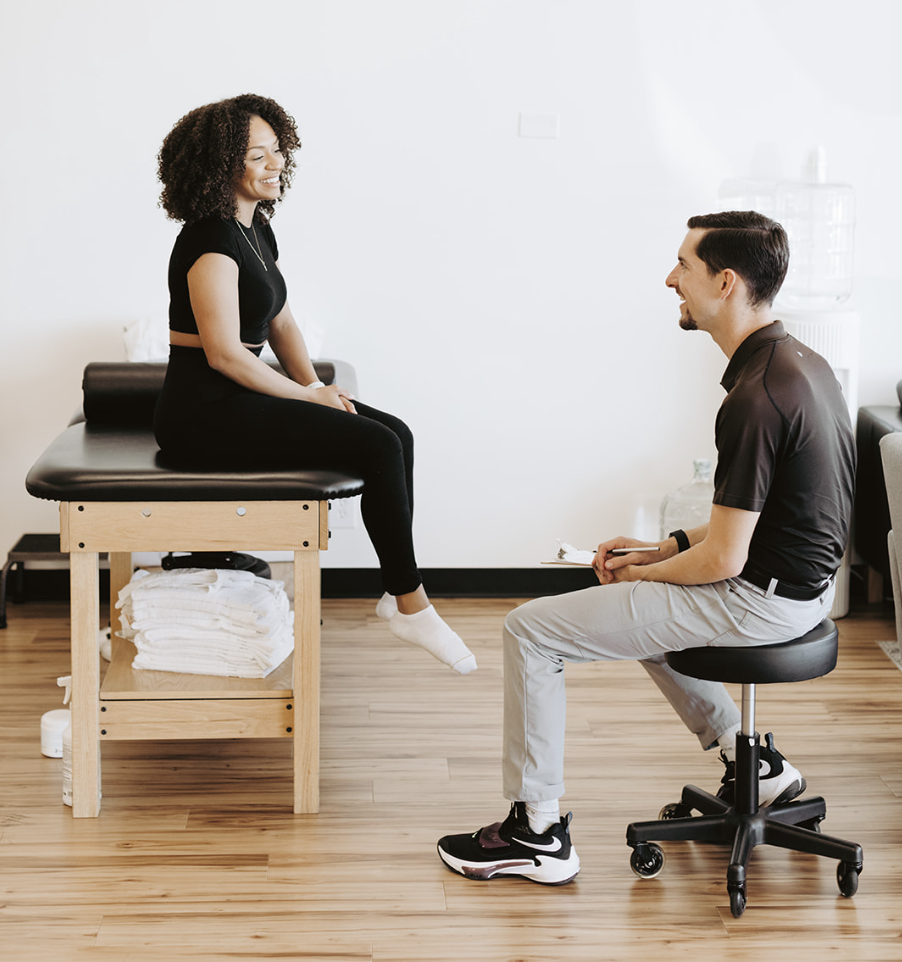
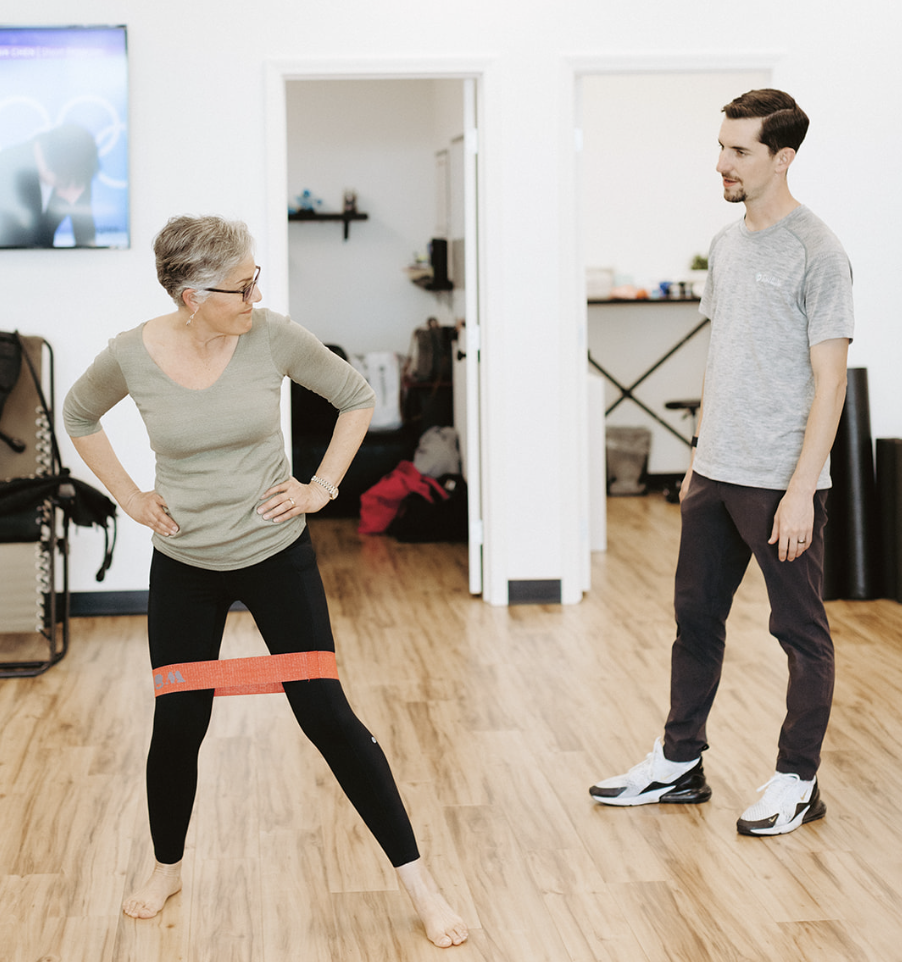
03.
Attend Your First Visit
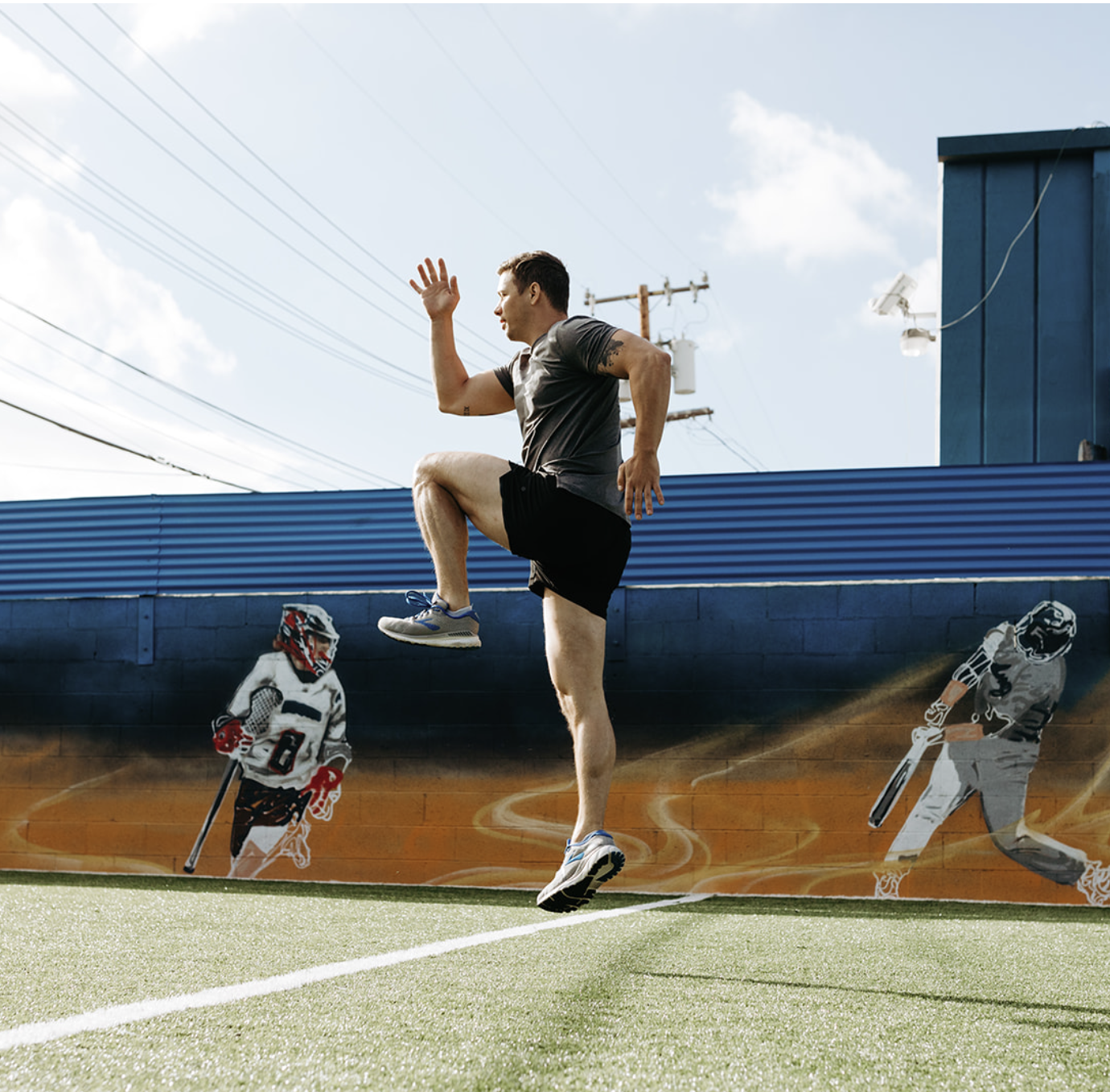
04.
Start Moving Pain-Free
Frequently Asked Questions
-
Tendinitis usually refers to short-term tendon irritation or inflammation, while tendinopathy often describes longer-term tendon overload and degeneration.
-
Yes. Physical therapy helps improve strength, stability, coordination, and movement control around unstable joints to reduce injury risk and improve function.
-
Recurring muscle strains may be related to weakness, mobility restrictions, compensation patterns, poor recovery, or returning to activity too quickly after injury.
-
Poor posture alone is not always the direct cause of pain, but prolonged positioning and movement dysfunction may contribute to muscle tightness, joint stress, and recurring discomfort over time.